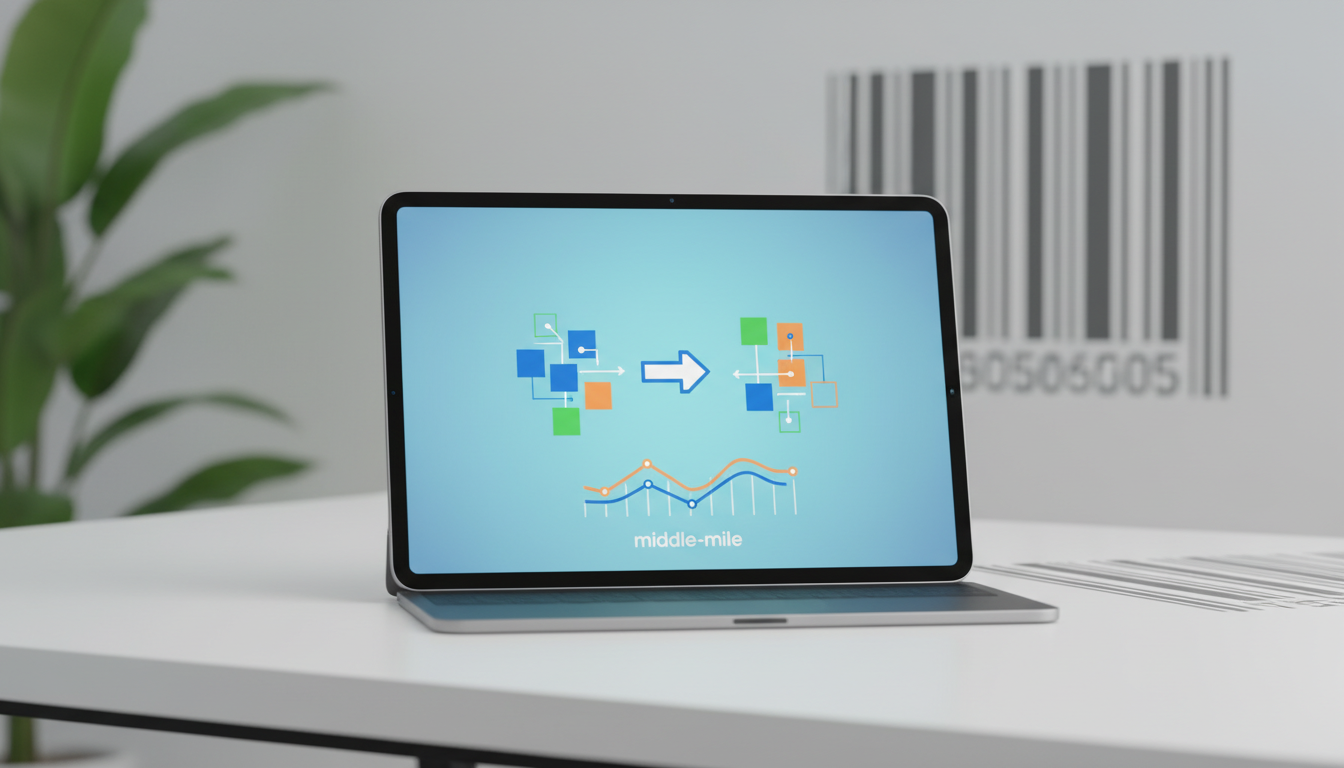
In the complex theater of international agricultural trade, the “middle mile” is often where the most significant portion of a producer’s margin is either secured or eroded. For international agricultural exporters, the logistical gymnastics required to move perishable goods from a packing house to an end consumer involve a precarious balance of timing, temperature control, and title management. Recent industry data suggests that logistics costs can account for up to 30% of the total cost of agricultural products. When a significant portion of your overhead is tied to the physical movement and handling of goods, finding efficiencies within the cold chain becomes a prerequisite for global competitiveness.
Central Valley Cold Storage (CVCS) recognizes that the physical relocation of goods is not always the most efficient path to a completed sale. In many instances, the most strategic move an exporter can make is to not move the product at all. This is where the concept of Transfer of Ownership becomes a transformative tool for operational transparency and financial agility. By facilitating the change of title while the product remains within our climate-controlled environment, we eliminate unnecessary handling, reduce the risk of shrink, and allow both buyers and sellers to operate with unprecedented flexibility.
The Logistics of a Sale
Traditionally, the completion of a sale in the agricultural sector triggers an immediate logistical chain reaction: trucks are dispatched, bills of lading are generated, and the product is hurried toward the buyer’s facility. However, this urgency often introduces unnecessary variables. For the international exporter, shipping product immediately upon sale may mean dealing with unfavorable freight rates or risking temperature fluctuations during transit before the buyer is truly ready to receive the inventory.
By redefining the logistics of a sale, CVCS allows the transaction to be decoupled from the physical transport. This “in-place” transaction model means that once a deal is struck, the administrative transfer happens instantly. The seller’s responsibility for the product ends, and the buyer’s begins, yet the product remains in a state of stasis—perfectly preserved at its optimal temperature. This approach turns the cold storage facility into a neutral trading floor where commodities can change hands multiple times if necessary, without ever leaving the safety of the rack.
For exporters dealing in high-volume commodities like nuts, dried fruits, or frozen produce, this model provides a significant buffer against market volatility. If a buyer in Europe or Asia secures a large lot but is navigating a shortage of shipping containers or port congestion, the transfer of ownership allows the seller to clear their books and receive payment while the buyer maintains the product in a premium California facility until their logistics window opens.
How Digital Title Transfer Works
The transition from physical to digital logistics requires a robust framework of trust and documentation. At CVCS, we have digitized the title transfer process to ensure that it is as seamless as a bank transfer. When a seller and buyer agree to a transaction, they notify our administrative team. Using our proprietary Goose system, we update the electronic records associated with the specific pallets or lots. This update is instantaneous and provides both parties with a verified receipt of the transaction.
This process is particularly beneficial for exporters who utilize inventory financing. Because the product is stored in a secure, third-party facility with a clear and transparent paper trail, financial institutions are often more comfortable extending credit against the value of the stored goods. The ability to show a verified “Transfer of Ownership” within a professional warehouse environment provides the collateral certainty that lenders require.
| Benefit | For the Seller | For the Buyer |
|---|---|---|
| Liability | Transferred immediately upon sale; reduces insurance premiums and risk. | Controlled until pickup; ensures product integrity is maintained in a known environment. |
| Transport | Zero cost; no need to arrange outbound freight for the initial sale. | Flexible scheduling; allows for consolidation of loads and better freight negotiations. |
| Market Timing | Sell at peak market prices without the pressure of immediate shipping deadlines. | Secure inventory early in the season and pull as demand dictates. |
Reducing Physical Movement Risks
In agricultural logistics, every “touch” is a risk. Every time a pallet is moved by a forklift, loaded onto a trailer, or transferred between warehouses, the potential for mechanical damage or human error increases. Furthermore, the “cold chain break”—those few minutes or hours when product is on a loading dock or in a trailer with a malfunctioning reefer unit—is the primary cause of quality degradation. By utilizing a transfer of ownership model, we drastically reduce the number of touches a product experiences.
For the exporter, this reduction in physical movement is a direct reduction in liability. Once the title has been transferred, any subsequent risks associated with the eventual transport of the goods fall to the new owner. However, because the product stays in our facility, the buyer also enjoys a reduction in risk. They know exactly how the product has been handled and stored since its arrival, eliminating the “black box” of third-party transit that usually occurs between a seller’s facility and a buyer’s warehouse.
This operational transparency is vital for maintaining brand reputation. When an international buyer receives a shipment that is substandard, the ensuing dispute over where the damage occurred can be a nightmare. By keeping the product at CVCS through the change of ownership, the provenance of the storage conditions is indisputable, backed by our rigorous temperature logging and facility monitoring.
The Role of the Goose System
The backbone of our transfer of ownership efficiency is the Goose system. In an era where data is as valuable as the physical commodity, Goose provides a comprehensive digital ledger for every item in our care. For international agricultural exporters, this means having a real-time window into their inventory, regardless of which time zone they are operating in. When a transfer occurs, the system doesn’t just change a name on a spreadsheet; it reallocates the inventory within our warehouse management system (WMS), updates billing cycles, and generates a new set of documentation for the buyer.
The Goose system ensures a clear, immutable paper trail. This is essential for compliance, food safety traceability, and financial auditing. If a buyer needs to prove the origin or the storage history of a lot to a regulatory body, the Goose system provides that data at the touch of a button. This level of transparency simplifies the “middle mile” by removing the administrative friction that typically plagues bulk agricultural sales. It allows the seller to move on to the next deal and the buyer to manage their supply chain with precision, all while the product remains undisturbed in its optimal environment.
Frequently Asked Questions
- Q: Is there a fee for transfer of ownership?
A: We offer seamless title transfer services for a nominal administrative fee, which is significantly lower than the cost of loading and transporting the product to a new location. - Q: Can the transfer happen for partial lots?
A: Yes, the Goose system allows for the splitting of lots and the transfer of specific quantities to multiple buyers if necessary. - Q: Does the buyer need to have an existing account with CVCS?
A: Yes, for security and billing purposes, both parties must be registered within our system to facilitate a legal transfer of title.
Conclusion
Efficiency in the agricultural supply chain is not just about moving goods faster; it is about moving them smarter. For the international agricultural exporter, the ability to transfer ownership in-situ at Central Valley Cold Storage represents a strategic advantage. It mitigates the high costs of logistics—which can consume nearly a third of product value—while simultaneously reducing physical risk and administrative overhead. By leveraging our technology and our controlled environment, exporters can close deals faster, buyers can secure inventory more reliably, and the entire middle-mile process becomes a transparent, value-added component of the global food supply chain.
Whether you are looking to optimize your inventory turnover or provide your buyers with more flexible receiving options, our transfer of ownership services are designed to keep your business moving, even when your product stays put.
Contact Us About Ownership Transfer to learn how we can simplify your sales process today.