Selecting a cold storage partner is a decision that shapes your operational efficiency, your product quality consistency, your regulatory compliance posture, and ultimately your customer relationships. The decision is rarely about the lowest storage rate. The factors that distinguish a strong cold storage partner from a weak one show up in execution — the days when something goes wrong and the partner either solves it or doesn’t, the harvest peak when capacity gets tight, the regulatory inspection that catches a documentation gap. This 2026 decision guide walks through what actually matters when choosing a cold storage partner.
For background, see the complete guide to Central Valley cold storage and the customer-type-specific view at cold storage by customer type.
The Decision Factors That Actually Matter
Certifications
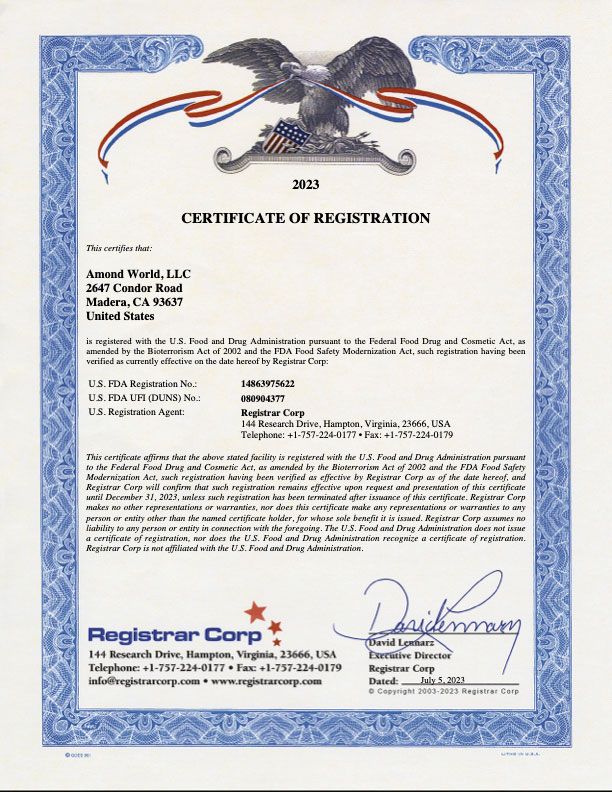
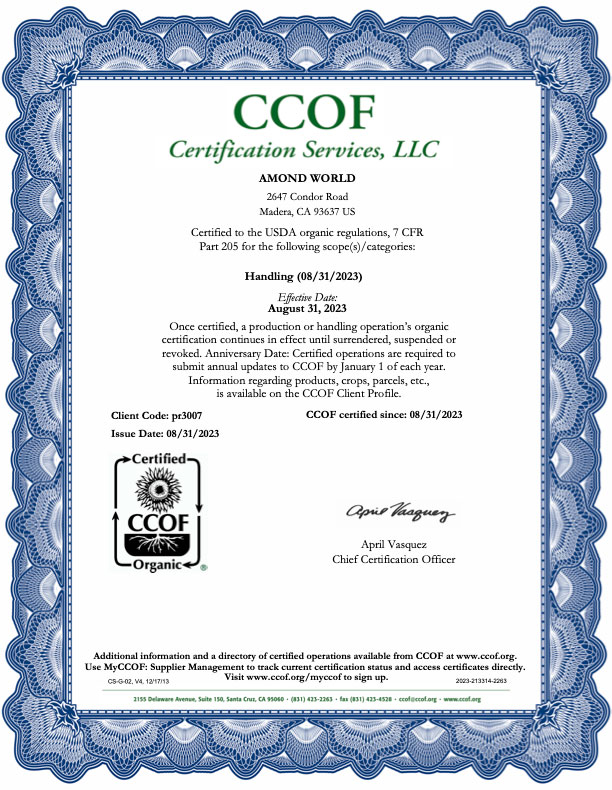
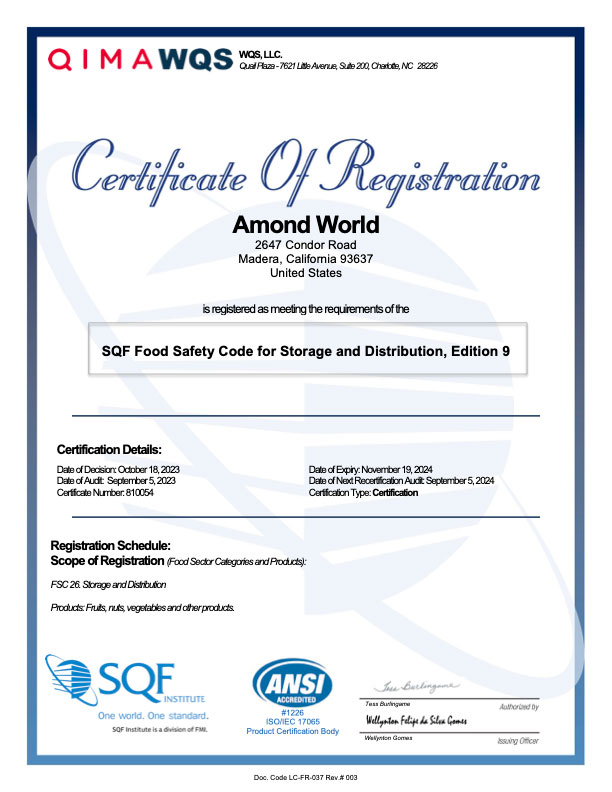
Cold storage facilities serving the food supply chain operate under multiple compliance frameworks. The certifications a facility holds tell you about the operational discipline you can expect:
- FDA registration. Required for facilities handling FDA-regulated food. Baseline, not differentiator.
- USDA inspection eligibility. Required for facilities handling USDA-regulated meat and poultry. Specific certification process.
- SQF (Safe Quality Food). Third-party food safety certification recognized globally. Strong indicator of operational discipline.
- BRC (British Retail Consortium). Alternative third-party certification, particularly relevant for international and certain retail customers.
- ASI (American Sanitation Institute) or equivalent sanitation programs.
- Organic certification. Required for handling certified-organic product. Specific NOP/USDA accreditation.
- HACCP plan and FSMA compliance. Standard food safety management framework.
CVCS’s certifications page documents current credentials. When evaluating any cold storage partner, ask for current certification documentation rather than past claims.
Capacity and Capacity Reliability
Storage capacity is the headline number; capacity reliability is the operational reality. The questions that matter:
- Total capacity by temperature zone. Frozen, refrigerated, cool capacity each separately. Match to your product mix.
- Peak-season capacity behavior. What happens during the harvest peak or import surge — is the partner consistently maintaining capacity for committed customers, or do customers face surprises?
- Contract vs. spot capacity. What proportion of the facility is committed to contracts vs. available for spot demand? Contract-heavy facilities are more reliable for contract customers but less flexible.
- Capacity utilization history. Facilities that consistently run at 95%+ utilization have less ability to absorb customer surge needs.
- Expansion roadmap. Long-term partners benefit from knowing the facility’s capacity growth plan.
Location and Operational Geography
Cold storage facility location affects your transportation costs, your inbound logistics, and your outbound shipping options:
- Proximity to production points. For producers, the facility’s distance from your harvest or processing operations directly affects inbound trucking cost and product quality.
- Proximity to outbound carriers and intermodal connections. The facility’s relationship with major trucking lanes and rail facilities affects your outbound logistics.
- Highway access. Major interstate proximity reduces drayage time and cost.
- Port and inspection facility proximity. For importers, the facility’s relationship to Long Beach, Oakland, or other ports of entry matters.
CVCS’s Madera, CA facility sits at a strategic Central Valley location with strong access to Highway 99, I-5, and the major Central Valley production zones.
Technology and Inventory Systems
Modern cold storage operations depend on technology — WMS (warehouse management system), customer portals, temperature monitoring, lot tracking. Questions to ask:
- Real-time inventory visibility for customers. Can you see your inventory online, anytime?
- Lot traceability. Can the facility produce a complete lot history on demand for a recall or audit?
- Temperature monitoring and alerts. Continuous logging with alert thresholds, accessible to customer compliance teams.
- EDI capability. For customers with system integration needs (especially major retail customers), EDI capability is required.
- Reporting and analytics. Standard reporting on inventory levels, throughput, age of stock, and operational metrics.
Reliability and Operational Excellence
Reliability shows up in the small things. Questions that surface operational quality:
- Receiving dock punctuality. Trucks scheduled at specific times get receiving on schedule, not 4 hours later.
- Outbound staging accuracy. Orders shipped match the order in case count, lot mix, and destination assignment.
- Damage rates. Product damage during handling tracked and reported.
- Temperature excursion rates. How often do products experience out-of-spec temperatures, and how is it documented and remediated?
- Customer service responsiveness. Email and call response times, dedicated account management, ability to handle non-routine requests.
Financial Stability
The cold storage industry has seen consolidation and occasional facility failure. A partner that disappears mid-contract creates a major operational disruption. Questions:
- Years in operation. Long-running facilities have demonstrated business model viability.
- Ownership structure. Independent, family-owned, private-equity-backed, or part of a national operator? Each has different stability characteristics.
- Insurance and liability coverage. Customer product in the facility should be covered by appropriate insurance.
- References from long-term customers. Speaking with customers who’ve been with the facility 5+ years gives you the longitudinal view.
Cultural and Relationship Fit
The intangible factor that becomes the deciding one over time. The right cold storage partner feels like an extension of your operation rather than a vendor. Indicators:
- Communication style. Proactive on issues vs. reactive only when asked.
- Operational flexibility. Willing to accommodate non-standard requests reasonably.
- Investment in customer relationships. Account management presence; ownership-level visibility into the relationship.
- Track record on difficult situations. What’s happened on the days when things went wrong, and how was it handled?
The Decision Framework
A practical decision process:
- Define your requirements. Product mix, temperature requirements, volume profile, peak vs. off-peak ratio, geographic preferences, certification requirements, technology needs.
- Generate a candidate list. Three to five facilities within the geographic area that meet baseline requirements.
- Initial diligence. Certifications, capacity claims, customer references, financial stability indicators.
- Facility visits. Tour the facility. Meet operations leadership. Observe receiving and outbound operations.
- RFP and pricing. Detailed RFP with specific operational requirements; comparable pricing structure across facilities.
- Reference checks. Speak with current customers, ideally long-term ones.
- Contract negotiation. Storage rates, handling charges, service level commitments, capacity guarantees.
- Trial period or phased onboarding. Many customers start with a small initial volume before committing fully.
What to Watch For (Red Flags)
- Reluctance to provide current certification documentation
- Vague answers about peak-season capacity behavior
- High customer churn rate (former customers more available than current)
- Outdated technology, no customer portal, no real-time inventory access
- Lack of operational metrics or unwillingness to share them
- Pressure to commit quickly without facility visit or reference checks
- Pricing meaningfully below market without clear operational explanation
The CVCS Approach
Central Valley Cold Storage operates with the operational discipline and customer-relationship investment described above. The our story, facility, and certifications pages provide the diligence material. Customer references are available on request for serious prospects.
Financing Considerations
Storage and handling costs flow into your operational P&L. For customers managing seasonal or growth-related cash flow timing, CVCS’s financing options may smooth the working capital impact.
Frequently Asked Questions
How long should the partner selection process take?
For meaningful contract storage decisions, 60-120 days from initial inquiry to fully onboarded operations is typical. Shorter for spot-storage decisions.
What about switching cold storage partners?
Possible but operationally complex. Product migration, inventory record reconciliation, customer notifications, and operational coordination all factor in. Typically handled during a non-peak season window.
How important are certifications vs. operational track record?
Both. Certifications are necessary but not sufficient. Operational track record from current customers is the real validation.
Are there industry-specific cold storage facilities?
Yes. Some facilities specialize in specific industries (pharmaceutical, ice cream, meat, organic produce, etc.). Specialization can be valuable for matching needs but may limit flexibility.
What about national vs. regional operators?
Trade-offs. National operators have multi-facility networks and scale; regional operators often have deeper local market relationships and operational flexibility. The right choice depends on the specific needs.
How do I start the evaluation process with CVCS?
Request a quote for an initial conversation, then progress through the diligence steps above.
Talk to CVCS
Request a quote or contact CVCS to begin the conversation. Facility tours, reference connections, and detailed operational discussions are available for serious prospects.