
2026 Cold Storage Update. The Central Valley cold storage and 3PL market has continued its 2024–2026 expansion driven by California’s tree-nut, table-grape, and stone-fruit harvest growth and renewed export demand. Capacity has tightened in Fresno, Madera, and Tulare counties as the dairy and citrus channels rebuild. For Central Valley growers, packers, shippers, and food-service operators, the logistics dynamic for 2026 favors operators with multi-temp capacity, expedited cross-dock services, and integrated first-mile pickup programs. The remainder of this article — originally published in an earlier cycle and updated for the 2026 market — covers the underlying operational and service detail.
In the high-stakes world of enterprise-level logistics, a cold chain audit is far more than a routine inspection; it is a forensic examination of a brand’s commitment to consumer safety and supply chain resilience. As a FSMA Compliance Officer, I have spent decades navigating the intersection of regulatory mandates and operational reality The Truth Source Concept: Why Operational Transpar….. I have seen multi-million dollar contracts dissolve because a provider’s “paper trail” was literally just a pile of paper, and I have seen enterprise RFP managers blindsided by a facility’s inability to maintain temperature during a localized grid failure.
The modern regulatory landscape, specifically the implementation of FSMA 204 (the Final Rule on Food Traceability), has fundamentally shifted the goalposts. It is no longer sufficient to prove that a product is cold *now*; you must prove, with immutable data, that it has remained within its critical temperature zone from the moment of receipt to the moment of dispatch FSMA 204 Traceability: A Procurement Director’s Ch….. For RFP managers, selecting a partner requires a deep dive into their cold chain audit checklist to ensure they aren’t just meeting today’s standards, but are insulated against tomorrow’s risks.
The Three Pillars of Audit Readiness
To pass a rigorous enterprise audit—whether conducted by the FDA, a third-party SQF practitioner, or a private enterprise quality team—a facility must demonstrate mastery over three distinct areas: Regulatory Documentation, Digital Traceability, and Infrastructure Resilience. These pillars form the bedrock of a modern “Audit-Ready” posture.
1. Regulatory and Food Safety Documentation
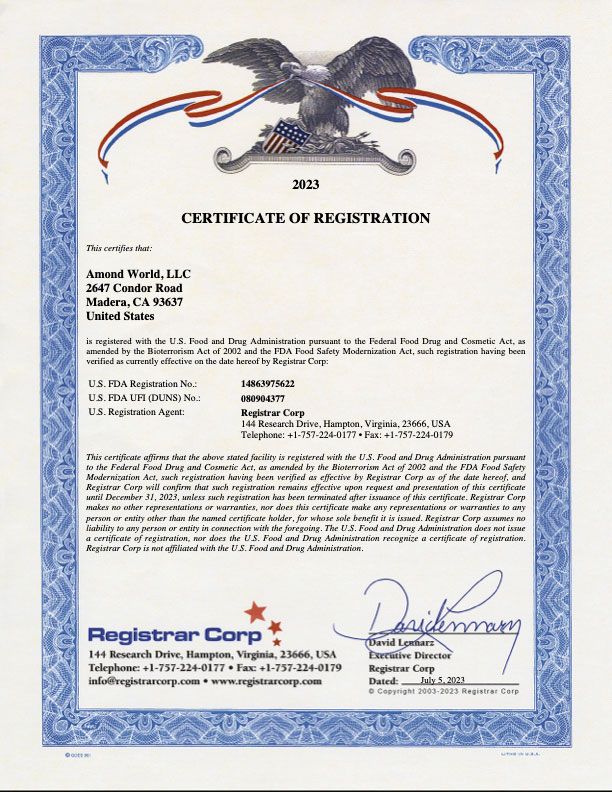
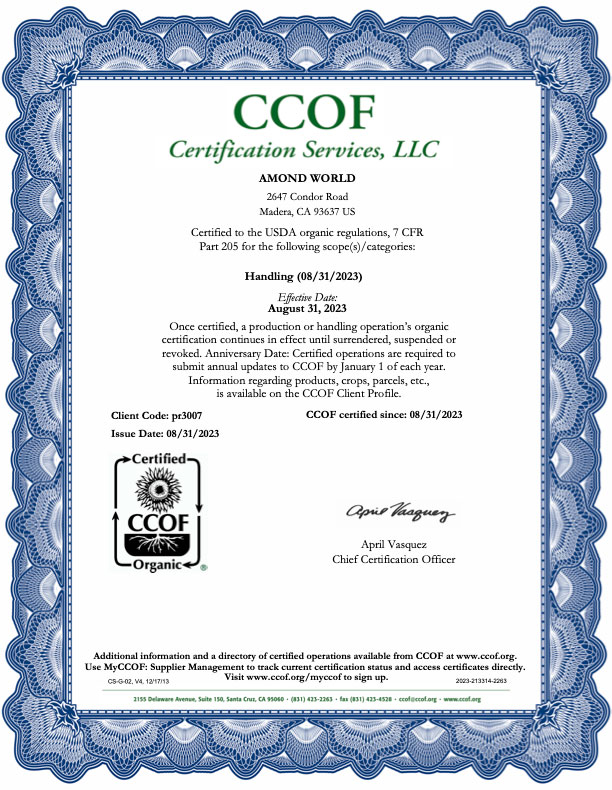
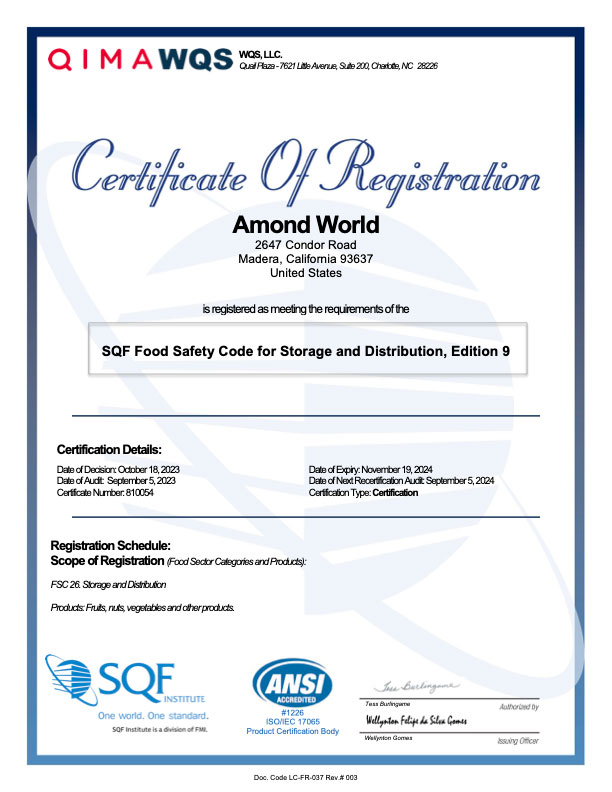
This is the baseline. An auditor will first look for the “license to play.” This includes current SQF (Safe Quality Food) certifications, FDA registration numbers, and, for many high-value contracts, CCOF (California Certified Organic Farmers) certifications. However, the documentation must go beyond certificates on a wall. It includes Hazard Analysis and Critical Control Points (HACCP) plans that are specific to the facility’s unique architecture and the specific commodities they handle.
2. Digital Chain of Custody
FSMA 204 requires enhanced traceability for certain high-risk foods. This necessitates a digital infrastructure that can produce “Key Data Elements” (KDEs) for “Critical Tracking Events” (CTEs) almost instantaneously. If a provider is still relying on manual thermometers and clipboards, they are a liability. Digital logs provide the granularity required to prove continuous compliance, offering minute-by-minute data that manual logs simply cannot replicate.
3. The Resilience Pillar: Energy and Infrastructure
This is the newest and most critical addition to the cold chain audit checklist. In an era of increasing grid instability and extreme weather, “resilience” has become a weighted scoring factor. 70% of RFPs now include sustainability and energy redundancy as weighted scoring factors. An auditor will ask: “What happens if the utility grid goes down for 48 hours?” If the answer involves a diesel generator with only 12 hours of fuel on-site, that is a significant risk. Facilities like Central Valley Cold Storage (CVCS) have redefined this pillar by utilizing off-grid microgrids and 100% solar-plus-battery autonomy, ensuring that the cold chain is never broken, even during a total grid collapse.
Evaluating Digital vs. Manual Log Integrity
During a cold chain audit, the integrity of your logs is the primary evidence of your performance. For years, the industry relied on “The Binder”—a massive collection of hand-written temperature logs. From a compliance perspective, the binder is a red flag. Manual logs are susceptible to “dry-labbing” (filling in data after the fact), human error, and physical damage.
Enterprise RFP managers must prioritize providers who utilize automated systems. For example, the Goose Automated system used at Central Valley Cold Storage provides a non-editable, time-stamped record of every thermal zone in the facility. When an auditor asks for the temperature of a specific pallet from three months ago, a digital system can produce a report in seconds. This level of transparency not only speeds up the audit process but also builds an immense level of trust with the auditor. Digital logs are not just about convenience; they are about automated governance.
Evaluating Energy Autonomy as Risk Mitigation
As a FSMA Compliance Officer, I evaluate “Risk to Product” as the ultimate metric. In traditional cold storage, the single greatest risk is power loss. While most facilities have back-up generators, these are often “passive” systems that require manual activation or rely on volatile fuel supply chains.
Modern enterprise audits now look for “Active Resilience.” This means the facility’s energy source is integrated into its daily operations. Central Valley Cold Storage’s use of a 100% solar and battery-backed microgrid represents the gold standard in this category. By operating off-grid, the facility eliminates the risk of utility-side brownouts or public safety power shutoffs (PSPS). For an RFP manager, this isn’t just a sustainability win; it is a sophisticated form of insurance. When the local grid fails, your inventory remains at a stable -10°F because the facility’s power source is internal and autonomous. This “Resilience Pillar” is quickly becoming a non-negotiable for enterprise-level risk assessments.
The Enterprise Cold Chain Audit Checklist
When reviewing potential partners or preparing for an upcoming inspection, use the following technical checklist to gauge audit readiness:
- Certifications: Valid SQF Level 2 or 3, FDA Registration, and CCOF (if handling organics).
- Temperature Mapping: Has the facility performed thermal mapping in the last 12 months to identify potential “hot spots”?
- Redundancy: Is there a secondary cooling system? Is there a secondary (and tertiary) power source?
- Data Portability: Can the provider export CSV or PDF logs for a specific Date/Time range within 15 minutes of a request?
- Chemical Control: Does the refrigeration system use CO2 or Ammonia? CO2 systems are preferred for food safety as they eliminate the risk of toxic contamination in the event of a leak.
- Sanitation SOPs: Are there documented Master Sanitation Schedules (MSS) with verified ATP swab testing results?
- Preventative Maintenance: Are there logs showing that sensors and refrigeration units are calibrated and serviced regularly?
Comparison Table: Modern Standards vs. Legacy Facilities
The following table illustrates how a modern facility like Central Valley Cold Storage compares to industry averages across key audit categories.
| Audit Category | Requirement | CVCS Status |
|---|---|---|
| Food Safety | SQF/FDA Registered | Certified |
| Traceability | Digital (FSMA 204) | Goose Automated |
| Resilience | Power Redundancy | Off-Grid Microgrid |
| Energy | Sustainability | 100% Solar+Battery |
The Hidden Danger: Chemical Contamination Risks
A often-overlooked item on the cold chain audit checklist is the type of refrigerant used. Many legacy facilities still utilize large-scale anhydrous ammonia systems. While efficient, ammonia is highly toxic and corrosive. A significant leak can lead to total product loss and massive regulatory fines.
Auditors are increasingly looking for “Clean Systems.” Central Valley Cold Storage utilizes advanced CO2 refrigeration. CO2 is a natural refrigerant that is non-toxic and non-flammable. In the context of an audit, this significantly lowers the facility’s risk profile. It ensures that even in the event of a system failure, the product is not at risk of chemical contamination, maintaining the integrity of the food safety plan and protecting the end consumer.
Conclusion: Moving from Compliance to Resilience
The role of the RFP manager has evolved. You are no longer just buying pallet space; you are purchasing a guarantee of safety and continuity. A successful cold chain audit is the proof of that guarantee. By focusing on digital log integrity, energy autonomy, and modern infrastructure, you can ensure that your supply chain is not just compliant, but bulletproof.
For more information on the specific certifications we maintain, please visit our Certifications page.
Frequently Asked Questions
Q: What is a cold chain audit?
A: A third-party or regulatory inspection of the facilities, logs, and procedures to ensure food safety and temperature integrity throughout the storage and handling process.
Q: How long should cold chain logs be kept?
A: Under FSMA 204, records should be maintained for at least two years. However, many enterprise contracts require three to five years of digital archives.
Q: Why is energy redundancy part of a food safety audit?
A: Temperature excursions are the leading cause of food spoilage and bacterial growth. If a facility cannot guarantee power, it cannot guarantee food safety. Therefore, energy redundancy is a direct component of risk mitigation.
Ensure your next RFP meets the highest standards of compliance and resilience. Contact our team today for a technical walkthrough of our audit-ready systems.
Related Articles
- The Truth Source Concept: Why Operational Transparency is the New Cold Chain Standard
- FSMA 204 Traceability: A Procurement Director’s Checklist for RFP Evaluation
- R744 (CO2) Refrigeration: The ESG Gold Standard for Organic Exports