
In the complex ecosystem of global agricultural trade, the movement of goods has traditionally been synonymous with the movement of risk. For decades, the industry standard dictated that for a commodity to change hands, it must physically change locations—moving from a seller’s warehouse to a buyer’s facility, or at the very least, across a loading dock. However, as global supply chains face increasing pressure from rising fuel costs, labor shortages, and stringent quality requirements, this “physical-first” mentality is being replaced by a more sophisticated operational model.
As a Logistics Technology Specialist, I have observed that the most significant innovations in the supply chain often don’t involve moving things faster, but rather, not moving them at all when it isn’t strictly necessary. This is the core philosophy behind transfer of ownership in-situ. By allowing agricultural commodities to change legal ownership while remaining stationary in a controlled environment, we are effectively decoupling the financial transaction from the physical logistics, creating a streamlined path to market that prioritizes product integrity and capital efficiency.
At the heart of this shift is the realization that logistics costs currently represent approximately 30% of total agricultural overhead. In a sector where margins are often razor-thin, the ability to eliminate “empty miles” and redundant handling is not just a convenience—it is a competitive necessity. In-situ title transfer allows sellers to realize revenue faster and enables buyers to secure high-quality inventory without the immediate burden of transport logistics.
The Financial Logic of In-Situ Sales
The traditional model of commodity trading is fraught with “friction costs.” When a lot of almonds or walnuts is sold, it typically triggers a cascade of events: scheduling drayage, performing out-load inspections, transporting the goods, and then reversing the entire process at the buyer’s facility. Each of these steps incurs labor costs, fuel surcharges, and, most importantly, the risk of transit-related damage.
The financial logic of transfer of ownership in-situ is rooted in the elimination of these redundant steps. When a transaction occurs within a single, certified facility like CVCS, the goods remain in their temperature-controlled bay FSMA 204: Step-by-Step Implementation for Nut and ….. The “movement” is purely digital—an update to the Warehouse Management System (WMS) and a legal transfer of title. By staying put, the commodity avoids the volatility of the spot freight market and the hidden costs of shrink or spoilage that occur during loading and unloading.
For the CFO of an agricultural export firm, this model provides unparalleled clarity. It transforms a variable-cost scenario into a fixed-cost reality. Instead of accounting for potential transit damage or fluctuating trucking rates, the cost of the transfer is reduced to a nominal administrative fee. This predictability is essential for long-term scaling in the international marketplace.
Decoupling Physical and Legal Possession
To understand the power of in-situ transfers, one must understand the difference between physical possession and legal title. In many traditional trades, these two concepts are inextricably linked: the buyer doesn’t “own” the goods until they arrive at their dock. This creates a “liability gap” during transit. Who is responsible if a reefer unit fails on the highway? Who bears the cost if the product is rejected upon arrival due to handling bruising?
In-situ title transfer solves this by allowing the legal title to pass from seller to buyer while the physical product remains under the care of a neutral, third-party custodian. This decoupling is facilitated by advanced logistics technology that provides 24/7 visibility into the environment where the goods are stored Organic Nut Preservation: CCOF Standards in Off-Gr….. When a buyer takes title in-situ, they are not just buying a commodity; they are buying a documented history of temperature stability and certified handling.
This approach also plays a critical role in Inventory-Backed Financing. Lenders are significantly more comfortable providing capital against collateral that is stored in a known, high-security facility than goods that are in transit. By maintaining the product at a strategic node in the Central Valley, traders can leverage their inventory for liquidity while waiting for the optimal global shipping window to open.
| Step | Traditional Model | In-Situ Model (CVCS) |
|---|---|---|
| Sale | Title transfer on truck | Title transfer in bay |
| Handling | Outload -> Transport -> In-take | Zero physical movement |
| Cost | Full drayage + labor | Nominal admin fee |
| Risk | Transit damage risk | Zero transit risk |
Use Cases for Organic Nut Traders
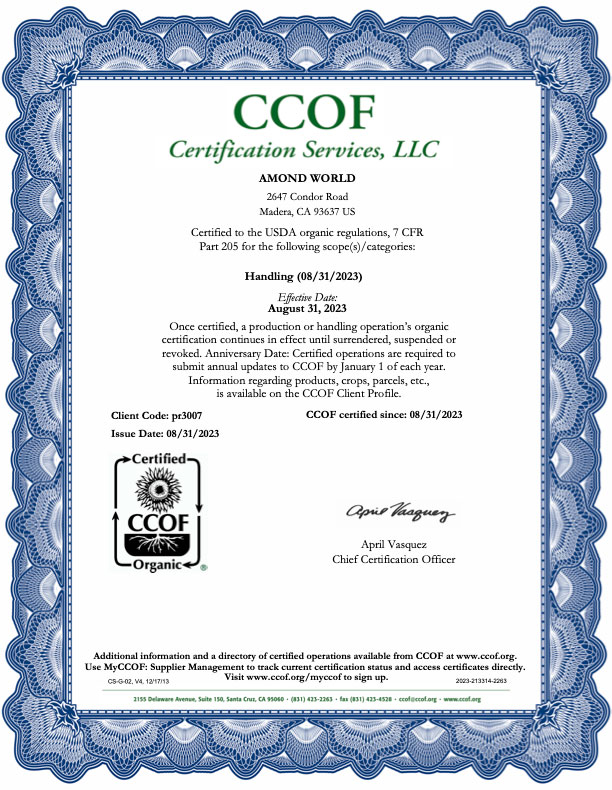
The benefits of in-situ transfers are perhaps most visible in the organic nut industry. Organic almonds, walnuts, and pistachios are high-value, sensitive commodities that require strict adherence to phytosanitary standards. Every time organic produce is moved, the risk of cross-contamination or “comingling” with non-organic products increases.
For an organic nut trader, moving 40,000 pounds of product across the state just to change ownership is an operational nightmare. By utilizing transfer of ownership in-situ, these traders can maintain the “organic integrity” of their lot in a single, certified-clean environment. The product is harvested, processed, and moved once to a central storage hub. From there, it can be sold multiple times—from the grower to a broker, and from the broker to an international distributor—without ever leaving its climate-controlled bay.
This is particularly advantageous when dealing with international buyers who may need to consolidate shipments. A buyer in Europe can purchase several smaller lots from different Central Valley growers, take title in-situ at CVCS, and then wait to consolidate those lots into a single ocean container when the timing is right. This flexibility reduces the “rush and wait” nature of agricultural exports, allowing for a more measured and strategic approach to global distribution.
Reducing Liability and Ensuring Product Integrity
In my experience as a Logistics Technology Specialist, the most common source of insurance claims in the agricultural sector isn’t theft or fire—it’s “temperature excursion” during transit. Maintaining a consistent cold chain is notoriously difficult once a product leaves the warehouse. Trucks break down, drivers miss check-calls, and port congestion can leave sensitive nuts sitting in the sun for days.
By keeping the product in an off-grid, temperature-controlled environment during the transfer of ownership, we virtually eliminate transit liability. The seller is protected because the goods are “delivered” the moment the digital title transfers within the facility. The buyer is protected because they are taking ownership of a product that has not been subjected to the stresses of the road. This operational transparency builds trust between parties who may be operating on different continents.
Brand USPs: Why Central Valley Cold Storage (CVCS)?
The success of an in-situ transfer model depends entirely on the facility acting as the custodian. Central Valley Cold Storage (CVCS) serves as a strategic node for this modern trade model. Our facility isn’t just a warehouse; it is a technology-enabled hub designed to facilitate 24/7 commerce.
- Strategic Node: Located in the heart of the world’s most productive nut-growing region, reducing the initial “first-mile” transport costs.
- Off-Grid Reliability: Our temperature-controlled bays are powered by independent energy systems, ensuring that even during regional grid instability, the cold chain remains unbroken.
- Administrative Excellence: We have streamlined the legal and technical requirements for title transfers, making the process as simple as a few clicks in our portal.
Frequently Asked Questions
What is in-situ title transfer?
In-situ title transfer is a legal change of ownership of agricultural goods while they remain in the same cold storage facility, eliminating unnecessary transport costs, labor expenses, and physical handling risks.
How does in-situ title transfer benefit international buyers?
It allows international buyers to secure inventory immediately while deferring shipping complexities until their logistical windows are most favorable, reducing time-sensitive pressure on transit arrangements.
Does the product have to be moved to a different bay during title transfer?
No. At Central Valley Cold Storage, the product remains in the exact same temperature-controlled environment. Only the digital records in the Warehouse Management System and legal titles are updated.
Is in-situ title transfer recognized by banks for trade finance?
Yes. In-situ transfers at certified cold storage facilities like CVCS are preferred by many lenders because the collateral remains in a controlled, auditable, and insured environment throughout the transaction.
How much can in-situ title transfer save on logistics costs?
By eliminating redundant loading, transport, and unloading steps, in-situ title transfer can reduce logistics overhead by up to 30%, which is significant in agricultural commodity markets where margins are razor-thin.
Conclusion: The Future of Agricultural Logistics
The “Transfer of Ownership In-Situ” model represents a shift from a reactive supply chain to a proactive one. By minimizing physical movement, we are maximizing value, protecting product quality, and reducing the carbon footprint of the agricultural industry. In an era where efficiency is the ultimate currency, the smartest move a logistics manager can make is often choosing not to move the product at all until the final mile.
Whether you are a grower looking to realize revenue faster or an international buyer seeking to mitigate transit risk, the in-situ model provides the operational transparency required for modern trade.