California’s Central Valley produces a substantial share of the United States’ fruits, vegetables, nuts, dairy, and meat. The economic value of that production depends on getting it from field or farm to consumer in a temperature-controlled chain that prevents spoilage, maintains quality, and delivers product on schedule. Central Valley cold storage is the link in that chain that holds harvested or processed product at the right temperature between production and shipment, between import and distribution, between distribution center and retail shelf. This 2026 guide walks through what cold storage actually is, why it matters specifically for the Central Valley agricultural economy, and how Central Valley Cold Storage (CVCS) operates as a regional infrastructure asset.
What Cold Storage Actually Does
Cold storage is temperature-controlled warehousing. The temperature requirements vary by product:
- Frozen storage. Typically -10°F to 0°F. Holds frozen meat, frozen produce, frozen prepared foods, frozen seafood, ice cream.
- Refrigerated storage. Typically 33°F to 40°F. Holds fresh produce, dairy, prepared foods, fresh meat, cut flowers.
- Cool storage. Typically 50°F to 60°F. Holds specific produce categories (potatoes, onions, certain fruit varieties), wine, certain dry goods that benefit from temperature stability.
- Multi-temperature facilities. Modern cold storage warehouses operate multiple temperature zones simultaneously, with different product classes routed to the appropriate zone.
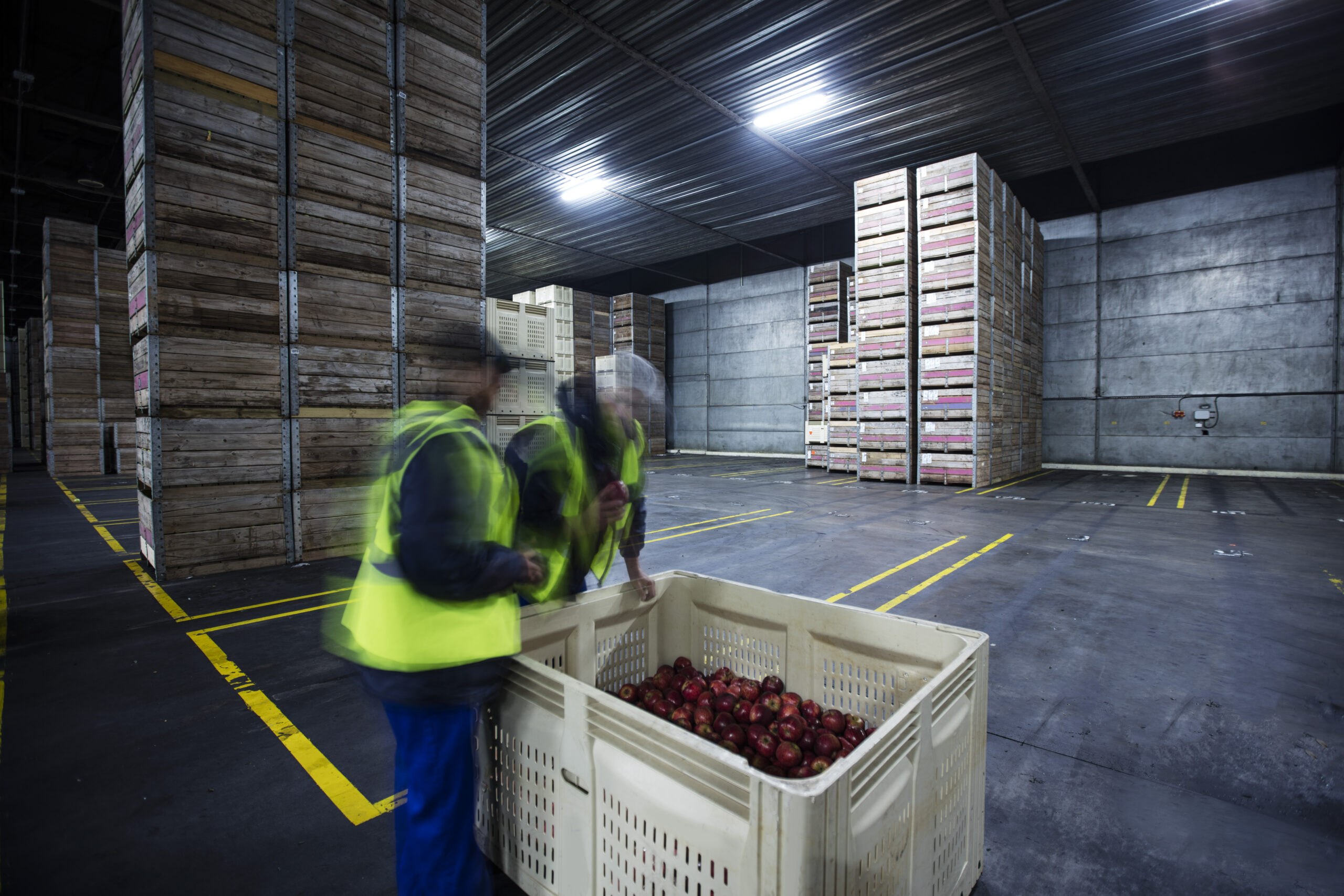
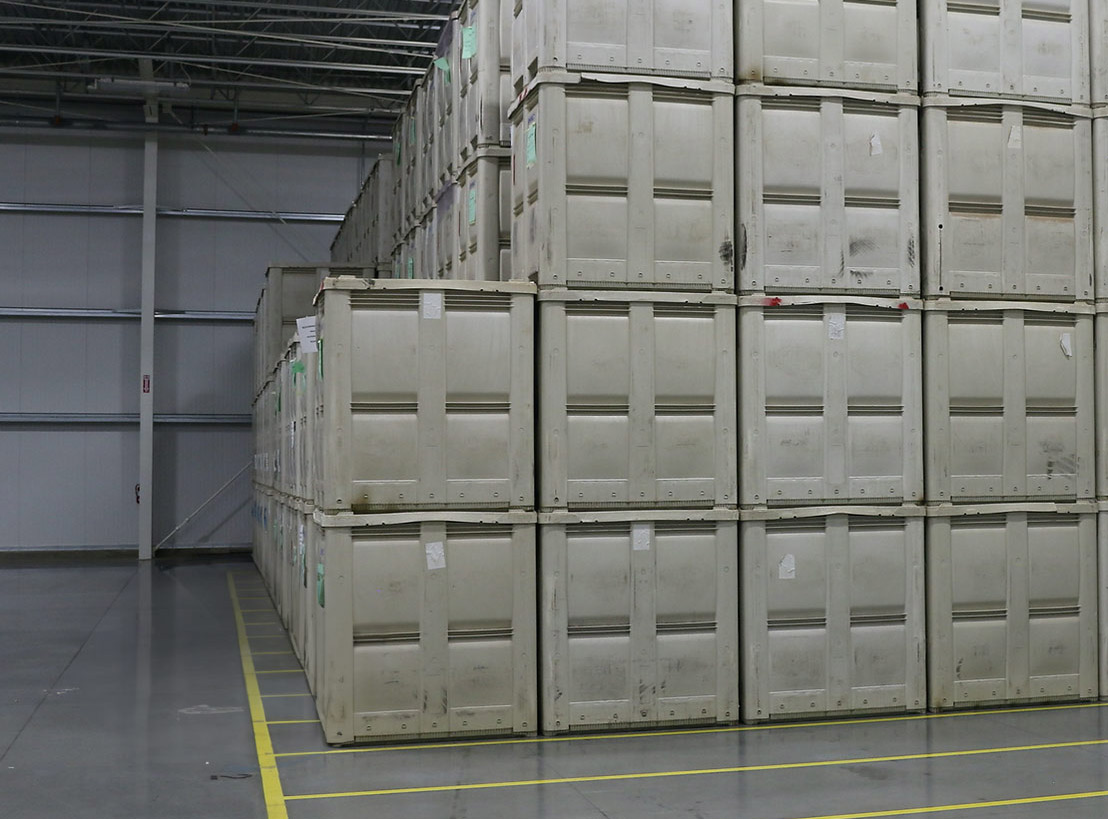
Beyond the temperature itself, cold storage operations include humidity control (some products require specific humidity ranges), air circulation (to maintain uniform temperature throughout the storage area), and continuous monitoring (temperature logging that food safety regulations require). The facility detail is at CVCS’s Madera, CA facility.
Why the Central Valley Specifically
The Central Valley is California’s agricultural heart — Fresno, Madera, Tulare, Kings, Kern, Merced, San Joaquin, and Stanislaus counties produce billions of pounds of agricultural product annually. The valley grows:
- The largest U.S. share of almonds, walnuts, pistachios, and other tree nuts
- A substantial share of U.S. table grapes, wine grapes, and raisin grapes
- Major shares of stone fruit (peaches, plums, nectarines, apricots), citrus, and pomegranates
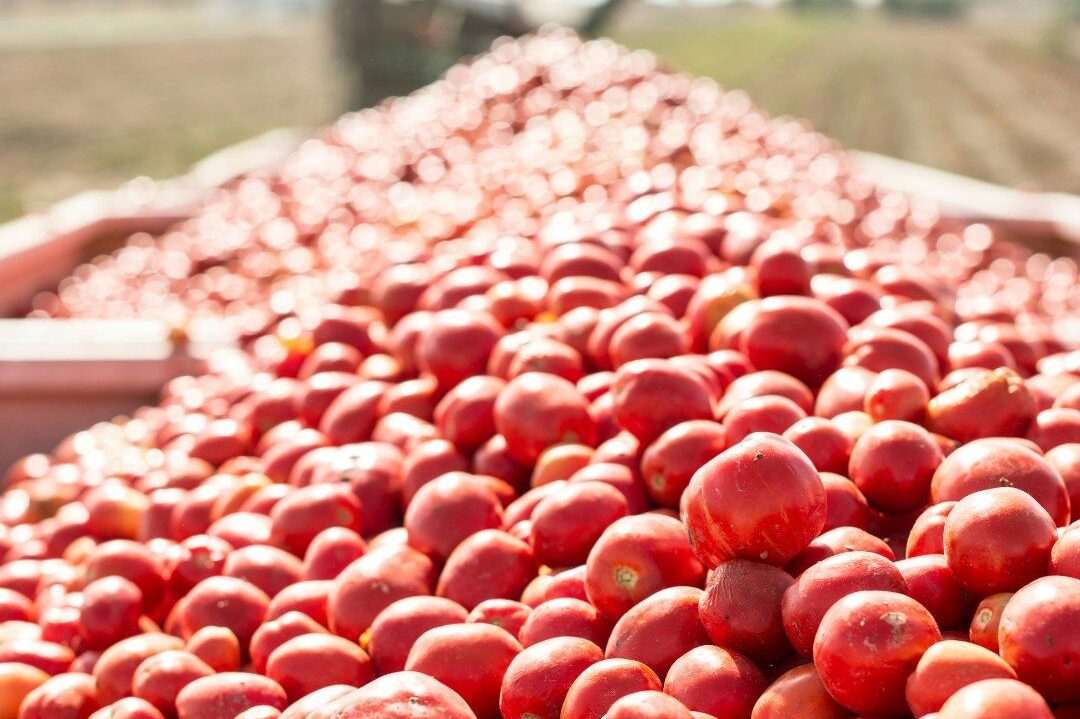
- Vegetables across most categories (tomatoes for processing and fresh, lettuce, broccoli, carrots, asparagus, garlic)
- Dairy at the largest U.S. production scale
- Beef cattle and other livestock
The geography matters operationally. Central Valley produce typically ships across the U.S. and internationally, which means cold storage in the valley serves as the staging point between harvest and the long-haul shipment to distribution centers nationally.
How Cold Storage Fits in the Supply Chain
A typical Central Valley ag product moves through the cold chain like this:
- Harvest or production. Picked from the field, milked from the cow, cut from the carcass, packed from the processor.
- Field cooling or initial cooling. Hydrocooling, vacuum cooling, forced-air cooling, or other immediate temperature drop to slow biological activity.
- Transport to cold storage. Refrigerated truck (or rail) from production point to the cold storage facility.
- Cold storage holding. Held at the appropriate temperature for the appropriate duration (hours, days, weeks, or months depending on product and contract).
- Order fulfillment. Picked from storage, staged, loaded onto the outbound truck.
- Outbound transport. Refrigerated long-haul truck (sometimes intermodal rail) to the customer’s destination.
- Customer receiving. Distribution center, retail back-room, food service kitchen, or export terminal receiving.
CVCS operates step 4 in this chain and supports steps 3 and 5 with the appropriate dock, transport coordination, and order management infrastructure.
What CVCS Actually Provides
The CVCS services include:
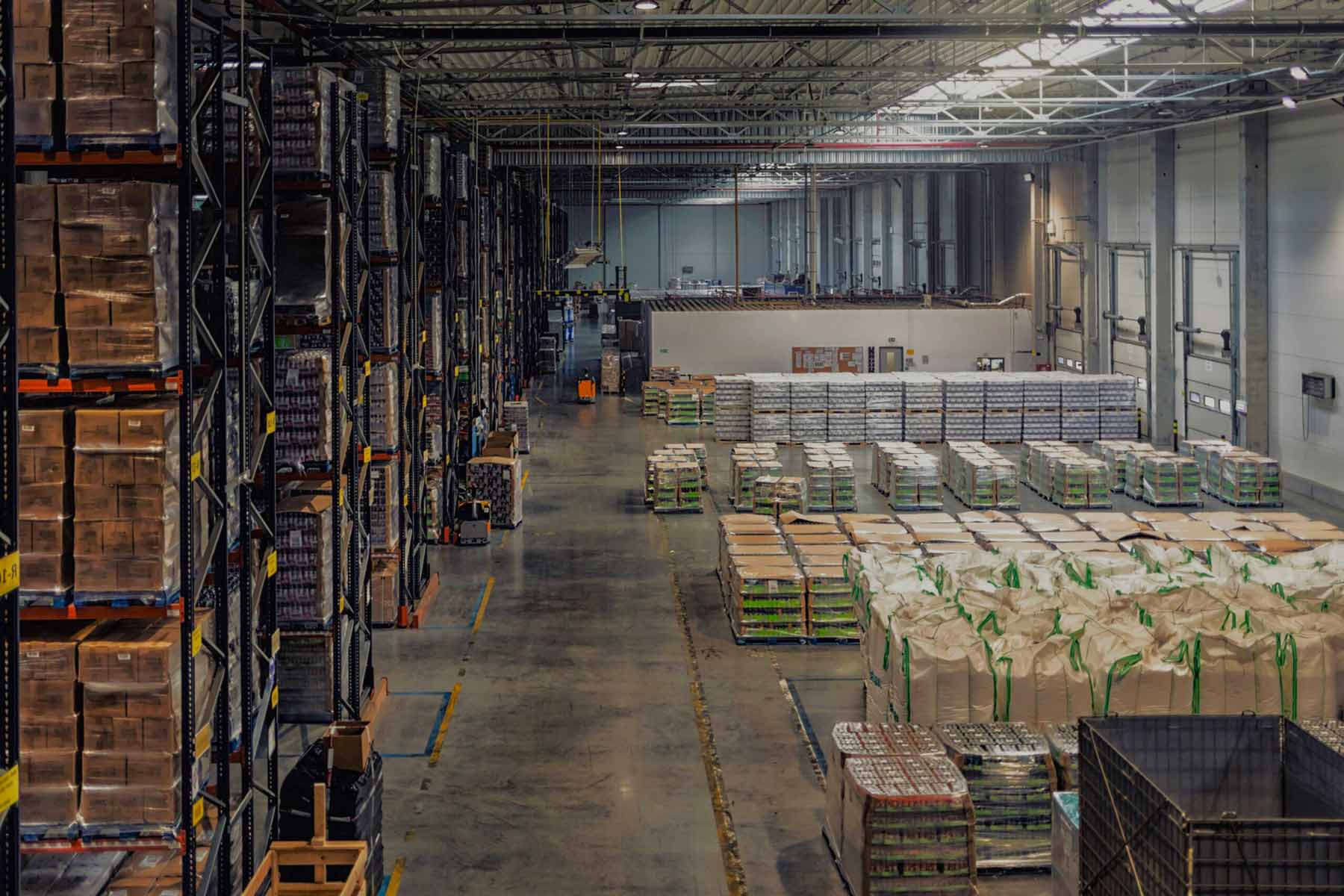
- Temperature-controlled warehousing. Multi-zone facility with frozen, refrigerated, and cool storage zones.
- Pallet-level inventory management. Bar-code or RFID tracking, customer-specific inventory visibility, FIFO/FEFO management.
- Dock services. Receiving inbound trucks, staging outbound loads, working with major carriers.
- Cross-dock services. For product moving through the facility without long-term storage, expedited inbound-to-outbound transitions.
- Re-packaging and re-palletizing. Customer-specific case configurations, sticker application, label changes.
- Order picking and fulfillment. Full-pallet pull, partial-pallet picking, mixed-product order assembly.
- Documentation and compliance. Temperature logging for food safety compliance, bill of lading processing, customer reporting.
The Customer Types CVCS Serves
CVCS organizes its customer base into three primary categories, each with a dedicated approach:
- Producers — Central Valley growers, packers, and food manufacturers who need post-production storage before shipment. The largest customer category by volume.
- Importers — bringing product into California from international sources, holding through customs and inspection, distributing to U.S. customers.
- Grocers — retail grocery chains and food service distributors that need regional cold storage capacity in the Central Valley distribution network.
For the customer-type deep read on what each category specifically needs from cold storage, see cold storage by customer type.
Certifications and Food Safety Compliance
Cold storage facilities serving the food supply chain operate under multiple compliance frameworks:
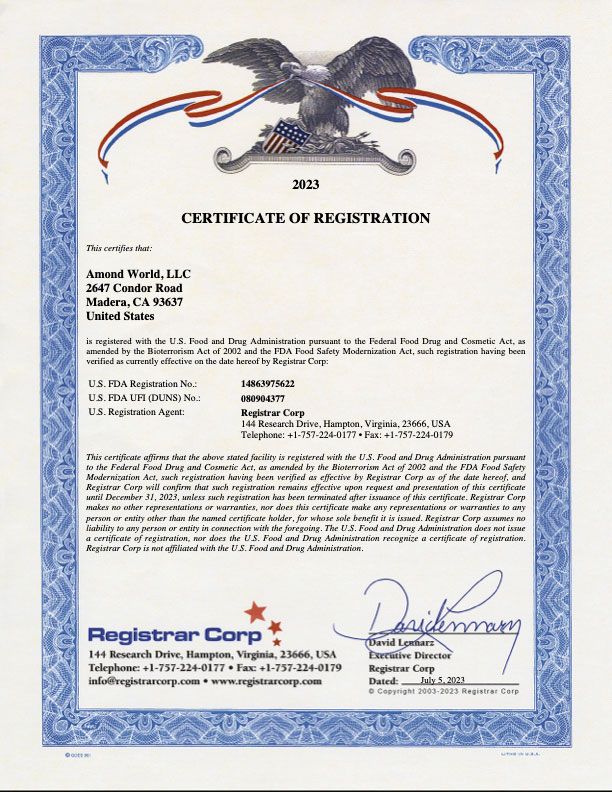
- FDA food safety requirements. Temperature logging, sanitation programs, traceability, recall response capability.
- USDA inspection compliance for meat and poultry products.
- HACCP and food safety management systems.
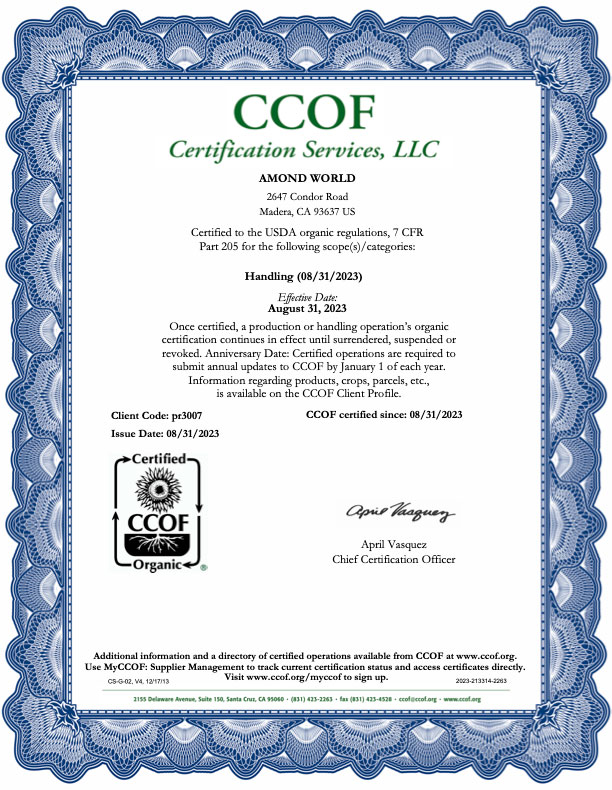
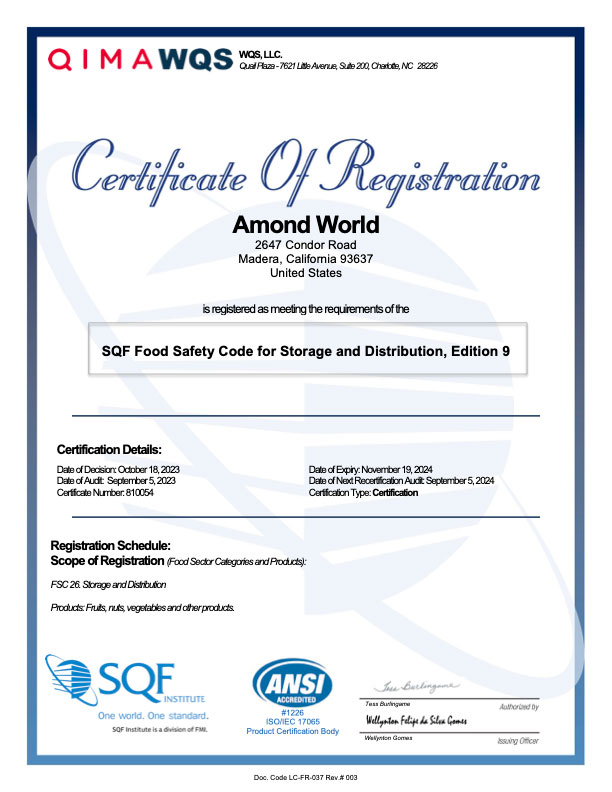
- Third-party certifications. SQF, BRC, ASI, and other recognized food safety certifications.
- FSMA (Food Safety Modernization Act) compliance.
CVCS’s certifications page documents current credentials.
The 2026 Central Valley Cold Storage Market
Cold storage capacity in the Central Valley is a strategic infrastructure asset. Capacity tightness varies seasonally — peak demand corresponds with harvest peaks across the major crops, with capacity meaningfully tighter during the August-November tree-nut and grape harvest window. Outside peak season, capacity is more available, and pricing reflects the seasonal dynamics.
For producers, packers, and shippers operating in the valley, securing reliable cold storage capacity ahead of harvest is a meaningful operational risk to manage. CVCS works with both spot-market customers (transactional storage as needed) and contract customers (committed capacity for the year).
How a Customer Engages CVCS
- Inquiry. Customer contacts CVCS with product, volume, temperature requirements, and duration estimate.
- Site visit and discussion. Where appropriate, customer tours the Madera facility and discusses specific operational requirements.
- Quote. CVCS provides a quote covering storage rates, handling rates, and any specialized services. Request a quote begins the process.
- Contract structure. Spot-market arrangement or contract storage depending on the customer’s needs.
- Onboarding. Product receipt, inventory setup, customer reporting access, ongoing operations.
Frequently Asked Questions
What temperatures does CVCS handle?
Frozen (typically below 0°F), refrigerated (33-40°F), and cool (50-60°F) zones in a multi-temperature facility. Specific temperature setpoints are configured to customer requirements within these ranges.
How quickly can CVCS take on new customers?
Depends on capacity availability and the specifics of the customer’s needs. Spot-market storage often available within days; contract storage requires more lead time for capacity allocation.
Does CVCS handle organic products separately?
Yes. Organic products require segregation from conventional and specific documentation. CVCS’s standard operations accommodate organic certification requirements.
What about cross-docking vs. storage?
CVCS supports both. Cross-docking for product moving through quickly; storage for product holding for days, weeks, or months.
Does CVCS arrange transportation?
CVCS operates the storage and dock services; transportation is typically arranged by the customer or by a transportation provider. CVCS coordinates closely with major carriers.
What about financing for storage costs?
CVCS offers financing options for qualified customers.
Talk to CVCS
Request a quote for specific storage needs, browse the resources library, or contact CVCS for general questions. The our story page covers the firm’s background.