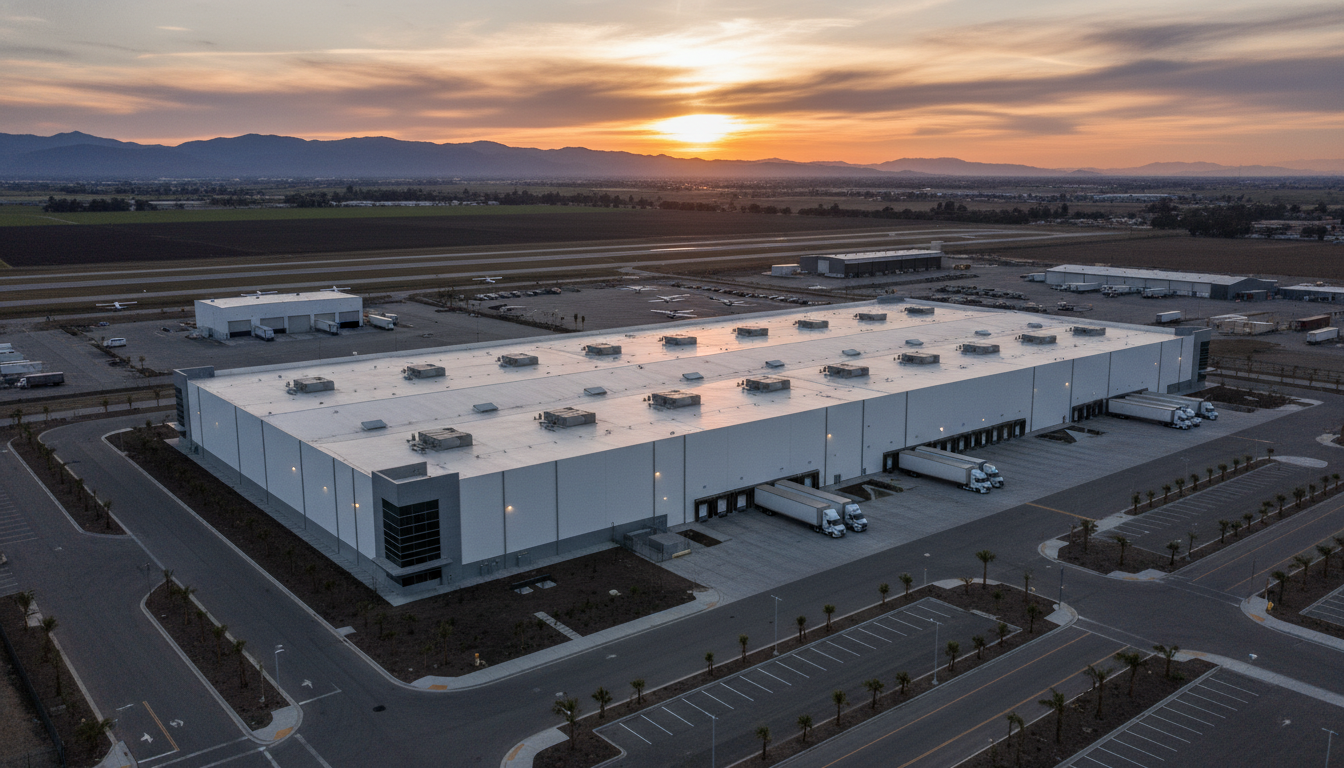
In the evolving landscape of global agricultural logistics, the “First Mile” represents the most critical window for product integrity and profit preservation. As a sustainable infrastructure consultant, I have observed a paradigm shift in how cold chain assets are being deployed. We are moving away from centralized, urban-adjacent warehouses toward decentralized, source-adjacent infrastructure. At the vanguard of this shift is the Madera Airport Industrial Park—a location that has rapidly transformed into the new epicenter for Central Valley cold storage.
The transition toward Madera is not merely a trend; it is a calculated response to the increasing logistical friction found in traditional hubs like Fresno and Bakersfield. By leveraging modern energy systems and strategic geographic placement, facilities within this park—specifically the Central Valley Cold Storage (CVCS) installation—are redefining the benchmarks for export-grade agricultural handling.
The Geography of Freshness
In the context of perishable logistics, geography is synonymous with shelf life. Every hour that elapses between the harvest of a commodity and its arrival at a pre-cooling facility represents a measurable degradation in quality. The Madera Airport Industrial Park is strategically situated to minimize this “thermal gap.”
Highway 99 serves as the primary artery for 90% of Central Valley produce movement. However, the efficacy of this artery is often compromised by urban bottlenecks. Madera’s location provides a unique bypass to these constraints. Situated north of the Fresno metropolitan area, the park allows growers in the heart of the valley to move product into a temperature-controlled environment without the unpredictable delays associated with Fresno’s heavy traffic corridors. This is what we call the ‘First Mile’ advantage.
When analyzing the logistics of high-value crops—such as grapes, stone fruit, and citrus—the proximity to the source is the single greatest factor in reducing respiration rates. Madera Cold Storage solutions located within this industrial park allow for a direct-from-field-to-fridge workflow. This proximity ensures that the latent heat of the harvest is removed as quickly as possible, locking in the cellular structure of the produce and extending the viable window for international export. This is particularly vital for products destined for Pacific Rim markets, where the transit time requires the highest possible starting quality.
Furthermore, the park’s proximity to the Madera Municipal Airport provides a future-proofed layout for potential air-cargo integration. While most produce currently moves via intermodal or trucking solutions, the ability to pivot to high-speed air transport for ultra-perishable, high-margin goods remains a strategic asset that few other Central Valley locations can offer.
Infrastructure and Zoning
The technical superiority of the Madera Airport Industrial Park is rooted in its foundational infrastructure. Unlike older industrial zones that struggle with legacy electrical grids and outdated seismic standards, this park was designed with modern industrial requirements in mind. As a consultant focused on sustainable infrastructure, the most impressive feature of this location is its capacity for energy autonomy.
The flagship facility at this location, Central Valley Cold Storage, features the largest off-grid solar + battery facility in the United States. This is a critical technical distinction. Traditional cold storage facilities are beholden to the public utility grid, which in California is increasingly subject to Public Safety Power Shutoffs (PSPS) and high peak-demand pricing. By utilizing an off-grid microgrid, CVCS ensures absolute thermal stability. In the event of a regional grid failure, the cold chain remains unbroken, protecting millions of dollars in grower assets.
Zoning and Scalability
The zoning within the Madera Airport Industrial Park is specifically tailored for heavy industrial use, which simplifies the permitting process for specialized equipment such as ammonia refrigeration systems and high-density racking. The park offers the physical space required for 53-foot trailer maneuvering and high-volume throughput—features that are often retrofitted and cramped in older urban industrial districts.
- Load Bearing Floors: Specifically engineered to handle the massive static loads of modern high-density pallet racking.
- Intermodal Connectivity: Seamless access to both Highway 99 and nearby rail spurs, offering a multi-modal approach to logistics.
- Advanced Telemetry: The park is serviced by high-speed fiber optics, enabling the real-time IoT monitoring of pallet-level temperatures that international buyers now demand.
For a deeper dive into how these technical factors influence market outcomes, you can read about The Strategic Advantage of First-Mile Cold Storage in Madera, CA.
Why Madera is Beating Fresno in Ag-Logistics
For decades, Fresno was the default choice for Central Valley logistics. However, urban sprawl has transformed Fresno from a convenient hub into a logistical bottleneck. The “Fresno South” corridor now contends with significant commuter traffic, increased labor competition from retail fulfillment centers, and a strained electrical grid. Madera Airport Industrial Park offers a streamlined alternative that addresses these systemic issues.
The data clearly illustrates why sophisticated operators are choosing Madera Cold Storage over traditional Fresno locations. The primary metric of concern is “Time-to-Cool.” In Madera, the proximity to the actual orchards and vineyards of Madera, Merced, and Northern Fresno counties means a reduction in transit time of up to 45 minutes per load. When multiplied across a harvest season, this represents thousands of hours saved and a significant reduction in the carbon footprint of the transport phase.
| Location | Traffic Congestion | Source Proximity | Energy Type |
|---|---|---|---|
| Madera Park | Low | Immediate | Off-Grid/Solar |
| Fresno South | High | 30-60 mins | Public Grid |
| Port/Coast | Extreme | 3-4 Hours | Public Grid |
Beyond traffic, the energy profile of Madera is the “silent” winner. Fresno’s industrial zones are largely tied to a public grid that is experiencing rising costs and reliability issues. The move toward off-grid solar and battery storage in Madera represents a hedge against future energy volatility. For a sustainable infrastructure consultant, this is the gold standard of “future-proofing.” A facility that generates its own power is not just environmentally responsible; it is economically resilient. It allows for predictable operational costs, which can then be passed on to the grower in the form of stable, competitive storage rates.
Logistics of International Export
Madera’s position also simplifies the logistics of port-bound freight. For goods heading to the Port of Oakland or the Port of Long Beach, Madera offers a cleaner “exit” than the congested interchanges of Southern Fresno. This efficiency is vital for maintaining the strict delivery windows required by international shipping lines. By avoiding the 30-to-60-minute delays often found in Fresno South, exporters can ensure their containers reach the terminal with time to spare, avoiding costly demurrage fees and missed sailings.
Conclusion: The Strategic Pivot to Madera
The Madera Airport Industrial Park is more than just a collection of warehouses; it is a specialized ecosystem designed for the modern agricultural economy. By prioritizing source proximity, energy independence, and logistical fluidity, it has successfully addressed the pain points that have long plagued Central Valley cold chain operations. For growers and exporters, the choice is clear: Madera offers the infrastructure needed to compete in a global market where freshness is the ultimate currency.
As we look toward the future of sustainable agriculture, the integration of off-grid power and “First Mile” positioning will become the industry standard. The facilities currently operating in Madera are not just keeping pace with the industry; they are setting the trajectory for the next generation of cold storage logistics.
Frequently Asked Questions
- Q: What is the benefit of the Madera location?
A: It provides the ‘First Mile’ advantage, reducing the time between harvest and cooling, while avoiding the traffic congestion of larger metropolitan hubs like Fresno. - Q: How does the off-grid power system benefit the customer?
A: By utilizing the largest off-grid solar and battery facility in the U.S., CVCS ensures 100% uptime and thermal stability, shielding products from grid outages and fluctuating energy costs.
Ready to optimize your cold chain? Visit our Facility Page to learn more about our technical specifications and how we can support your export needs.