Why an RFP Checklist Matters in Cold Storage
Cold storage procurement is high-stakes — the value of agricultural and food commodity inventory in a single refrigerated facility can easily exceed $10–50 million during peak storage seasons. Selecting a facility based only on price and location, without understanding the full operational picture, is one of the most common and costly mistakes made by shippers new to agricultural cold chain logistics.
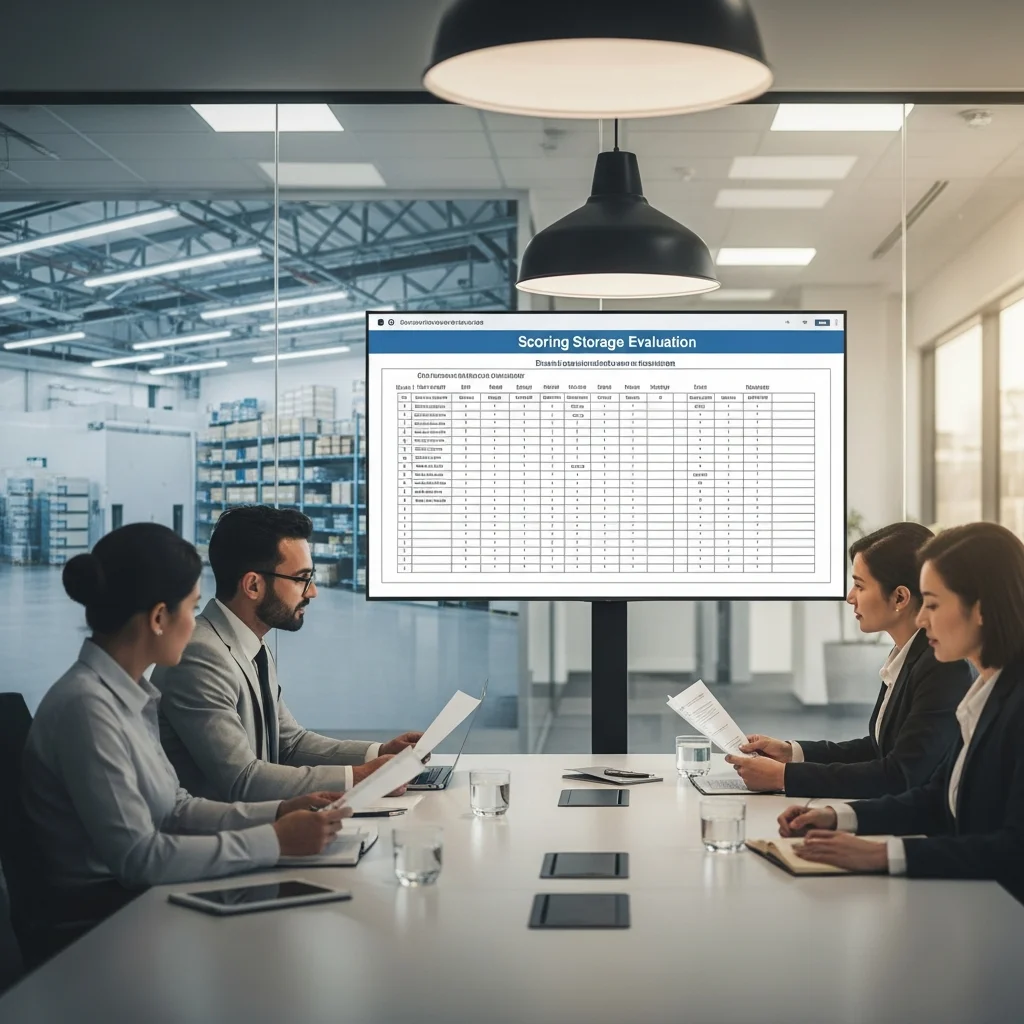
The following 15 questions are designed to reveal the operational reality behind the marketing materials — and to give you the information needed to make a fully informed storage decision.
The 15 Questions
1. What is your refrigeration redundancy level? The right answer: N+1 or better on compressors. Ask specifically: how many compressors serve this zone, and what happens if one fails?
2. What is your emergency generator capacity and transfer time? Right answer: Full load capacity, transfer within 10 seconds. Ask for the most recent generator test record.
3. How is temperature monitored, and who receives alarms after hours? Right answer: Continuous automated monitoring with after-hours alarm notification to on-call staff. Ask for a sample monitoring report.
4. What temperature mapping documentation do you have? Right answer: A validated temperature mapping study, ideally conducted in both summer and winter conditions, with results showing all sensor locations and range of temperature variation.
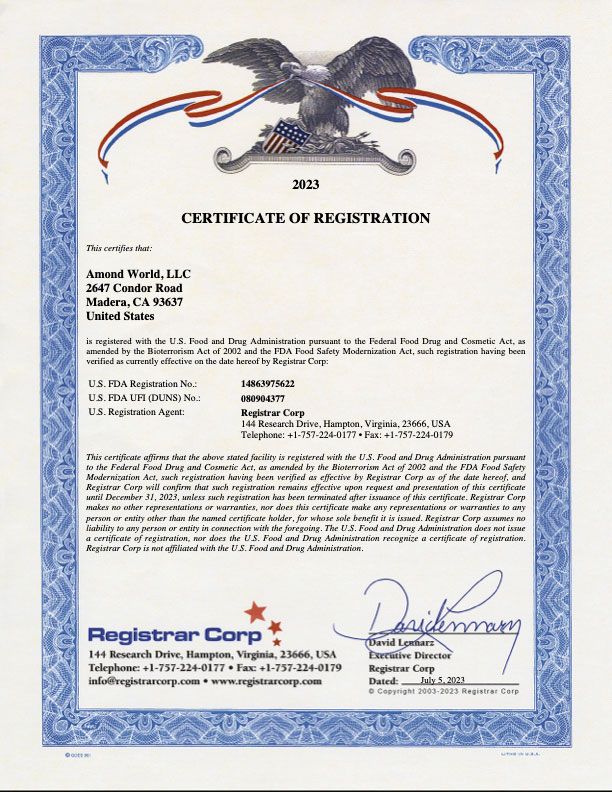
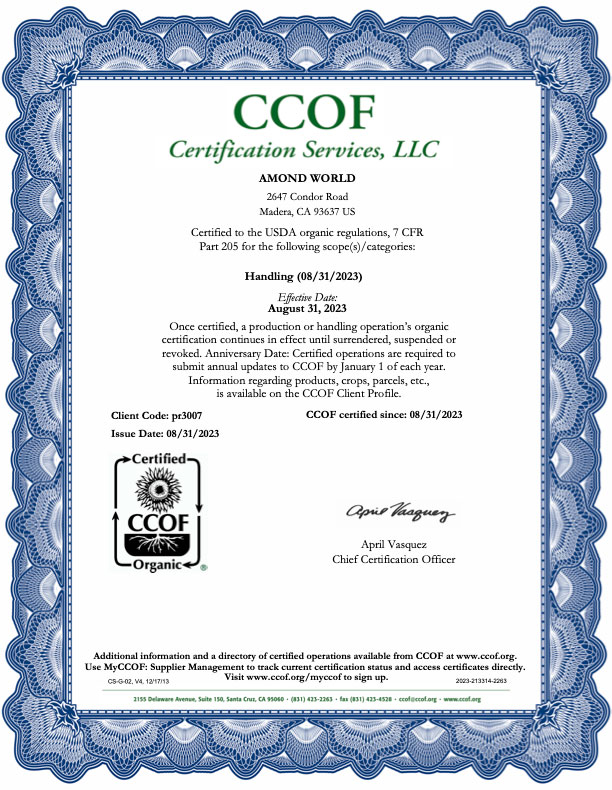
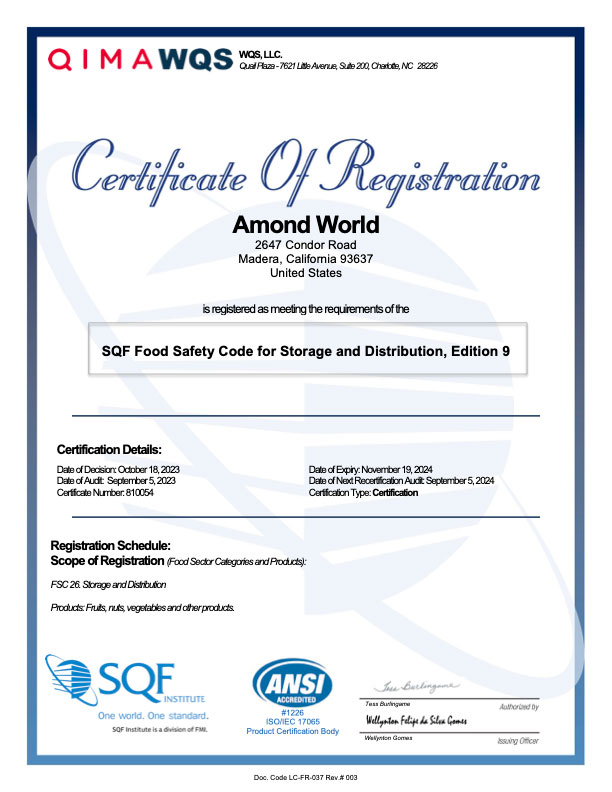
5. What certifications does the facility hold? Relevant certifications include: USDA Cold Storage, SQF, AIB, GFSI-recognized food safety certification, and NOP organic handler certification (if relevant to your product).
6. Are you licensed to issue negotiable warehouse receipts? If you plan to use inventory-backed financing, this is essential.
7. What is your WMS, and can I access real-time inventory data? Modern facilities should provide customer portal access to live inventory with lot-level tracking.
8. What is your policy on temperature excursions — how are they documented and communicated? Right answer: All excursions documented in writing, communicated to product owners within a defined timeframe, with corrective action records maintained.
9. What is your energy source, and do you have solar generation? Understanding the energy infrastructure affects your carbon footprint reporting and your risk exposure to energy price volatility.
10. What is your complete fee schedule, including all surcharges? Ask for the full rate card: base storage, pallet in/out, after-hours, minimum monthly, and any energy or fuel surcharges. The all-in cost is what matters.
11. What is your capacity situation during peak harvest? Ask how full the facility was during the previous September and October. A facility that was 100% full with waitlisted customers may not be able to accommodate your harvest volume.
12. What is your pest management program, and what substances do you use? Critical for organic product and for any product with export residue requirements.
13. Can you provide references from customers storing similar product types? A facility with excellent nut references may have no experience with fresh produce, and vice versa.
14. What is the age of your refrigeration equipment, and what is your maintenance schedule? Older equipment is more likely to fail. Ask for the refrigeration service contract and last inspection records.
15. What are your standard terms for liability limitation? Standard warehouse terms severely limit liability. Understand the cap before you store $5M of product.