Cold storage is the same fundamental service across customer types — temperature-controlled warehousing for products that need it. But how a producer uses cold storage differs substantially from how an importer uses it, which differs from how a grocer uses it. The service patterns, contract structures, operational coordination, and value drivers each look different. This 2026 guide walks through cold storage by customer type for the three primary CVCS customer categories.
For background on what cold storage actually is, see the complete guide to Central Valley cold storage.
Producers: Central Valley Growers, Packers, and Food Manufacturers
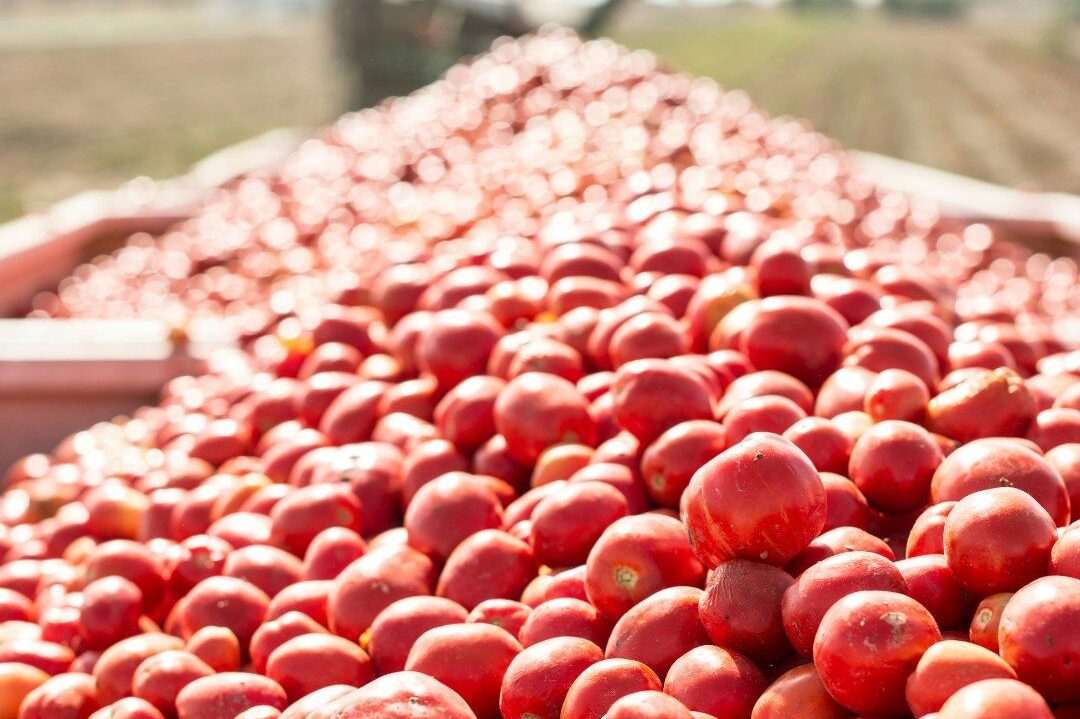
The producer category covers Central Valley operations that create the products requiring cold storage — almond hullers and shellers, tree-nut processors, table-grape packers, stone-fruit shippers, citrus operations, vegetable packers, dairy operations, frozen food manufacturers. The detail is at producers.
What producers need
- Harvest-season capacity. The biggest operational concern. Producers harvest in concentrated windows (a few weeks to a few months); cold storage capacity has to accept the surge.
- Receiving capacity at the dock. Trucks arriving from the field with perishable product cannot wait — the receiving operation has to absorb the inbound surge.
- Outbound staging. Product ships in coordinated loads from cold storage to customer destinations. Order picking, palletization, and outbound dock coordination matter.
- Inventory visibility. Producers need to know what they have on hand, when it arrived, and when it needs to ship. Real-time inventory access supports the sales operation.
- Quality preservation. The whole point of cold storage is to maintain product quality between harvest and shipment. Temperature stability and humidity control matter substantially.
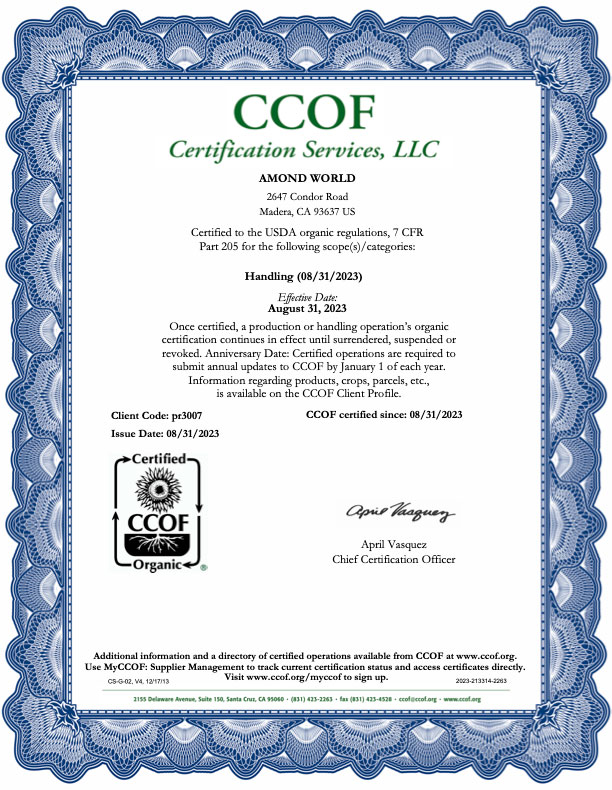
- Documentation for customers and regulators. Lot traceability, temperature logging, organic/conventional segregation, USDA grade documentation.
How producers typically contract
Most producer relationships are contract-based — committed capacity for the harvest season, with rates and volumes pre-negotiated. Some producers also use spot-market storage for overflow or for shoulder-season needs. Long-term producer relationships often involve facility tours, capacity planning conversations, and operational integration that goes beyond a simple storage contract.
Importers: International Product Coming Through California
The importer category covers businesses bringing product into the California market from international sources — Latin American produce coming through the Mexico border or West Coast ports, Asian product coming through Long Beach and Oakland, and other international supply chains routed through California. The detail is at importers.
What importers need
- Port-to-storage logistics coordination. Product clearing customs at Long Beach or Oakland needs to move to cold storage quickly. Coordination with the customs broker, drayage carrier, and storage facility matters substantially.
- USDA and FDA inspection accommodation. Imported product faces inspection requirements that the storage facility needs to support — holding product during inspection, providing documentation, accommodating inspector visits.
- Inventory holding through distribution cycle. Imported product often holds longer than producer product before distribution. Storage costs over weeks or months matter to the importer’s margin structure.
- U.S. distribution to multiple customers. Importers typically have multiple downstream customers across the U.S. The cold storage facility supports order picking and outbound shipments to multiple destinations.
- Currency and pricing visibility. Imported product cost basis includes the storage cost; importers need clear, predictable pricing to manage margin.
- Regulatory documentation. Import documentation, country-of-origin labeling, certifications travel with the product.
How importers typically contract
Importer relationships often blend contract and spot-market arrangements. Predictable inbound flow gets contract capacity; specific shipments or seasonal surge gets spot capacity. Importers often work with multiple cold storage facilities across geographies and use CVCS for the California portion of their network.
Grocers: Retail Chains and Food Service Distributors
The grocer category covers retail grocery chains, food service distributors, and specialty food retailers that need regional cold storage capacity in the Central Valley. The detail is at grocers.
What grocers need
- Regional consolidation point. Grocers source product from multiple producers across the Central Valley; cold storage consolidates the product into outbound loads to the grocer’s distribution centers.
- Order-level fulfillment. Grocers want orders fulfilled to specific case configurations, with specific product mixes, going to specific destination DCs. The fulfillment work matters as much as the storage.
- Reliable outbound schedules. Retail grocery operations depend on predictable inbound to their DCs. Cold storage operations supporting grocers run on tight schedules.
- Compliance with retailer-specific requirements. Major grocery chains have specific operational requirements — case labeling, palletization standards, EDI integration, scheduled delivery windows. The cold storage facility accommodates these.
- Seasonal program support. Grocers run promotional programs (holiday, seasonal, regional) that require coordinated inbound and outbound flow.
- Cost transparency. Storage and handling charges flow into the grocer’s cost-of-goods calculations.
How grocers typically contract
Grocer relationships are typically contract-based with annual or multi-year commitments. The scale and complexity of grocery operations make spot-market storage less viable; predictable capacity is the standard.
Cross-Cutting Considerations
Across all three customer categories, certain considerations apply:
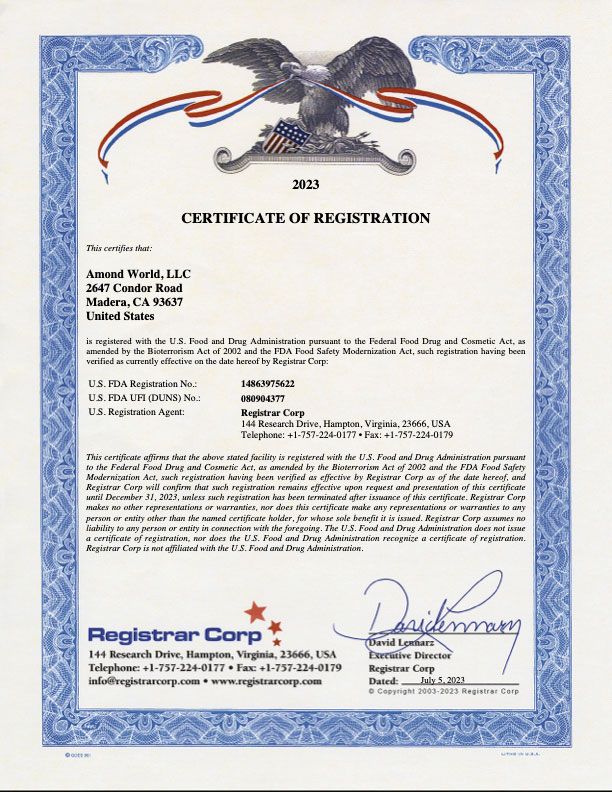
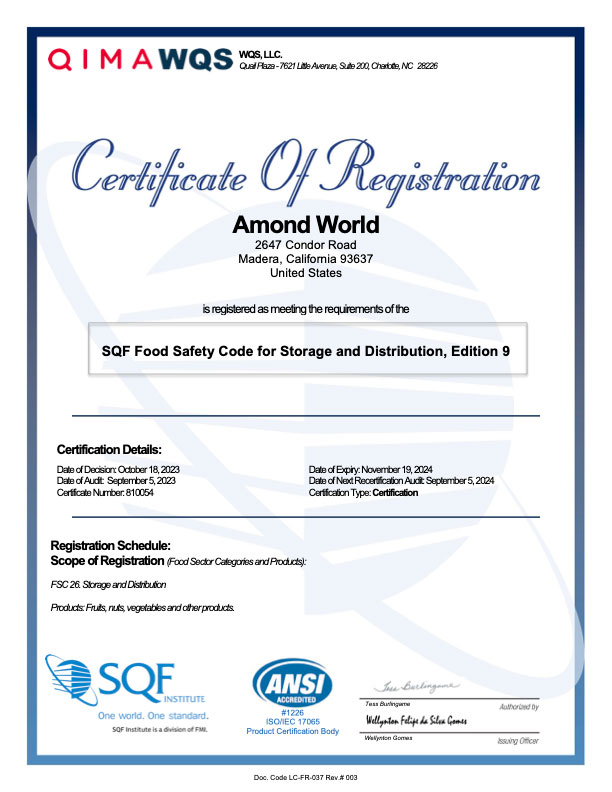
- Food safety compliance. Producers, importers, and grocers all face FSMA, FDA, USDA, and third-party certification requirements that the cold storage facility supports.
- Real-time inventory visibility. Each customer category benefits from customer-portal access to inventory data.
- Operational responsiveness. When something goes off-pattern (carrier delay, customer urgent need, regulatory inspection), the storage facility’s responsiveness matters more than the steady-state pricing.
- Documentation quality. Temperature logs, lot tracking, bill-of-lading processing, customer reporting — the documentation infrastructure supports the customer’s compliance and operational needs.
The Multi-Category Customer
Some CVCS customers span multiple categories — a producer that also imports, a grocer with private-label production, an importer that distributes to grocers. The CVCS service model accommodates the multi-category customer with appropriate operational integration.
For Customers Choosing Between Cold Storage Partners
Beyond customer-category fit, several other considerations matter when choosing a cold storage partner — facility location, certifications, capacity, reliability, financial stability. For the deeper view, see choosing a cold storage partner.
Frequently Asked Questions
Can a small producer use CVCS, or only large operations?
CVCS serves operations across the size range. Small producers benefit from the same operational infrastructure that supports larger producers; pricing scales appropriately.
How does CVCS support importers with customs and inspection requirements?
Coordination with the customs broker and inspection authorities is standard. CVCS provides facility access, documentation support, and operational accommodation for inspection processes.
What about retail-specific labeling and palletization requirements?
Major retailer requirements (Walmart, Target, Kroger, Albertsons, Costco, Whole Foods, regional chains) are standard accommodations.
Does CVCS handle organic and conventional product separately?
Yes. Segregation is a standard operational requirement, supported by zoning and documentation.
What about cross-category customers?
Customers that span producer/importer/grocer categories work within an integrated service model.
Are contracts required, or is spot storage available?
Both. Contract storage for predictable needs; spot storage for transactional needs. Capacity availability varies seasonally.
Talk to CVCS
Request a quote for your specific customer-type needs, browse the customer-specific LPs (producers, importers, grocers), or contact CVCS directly.