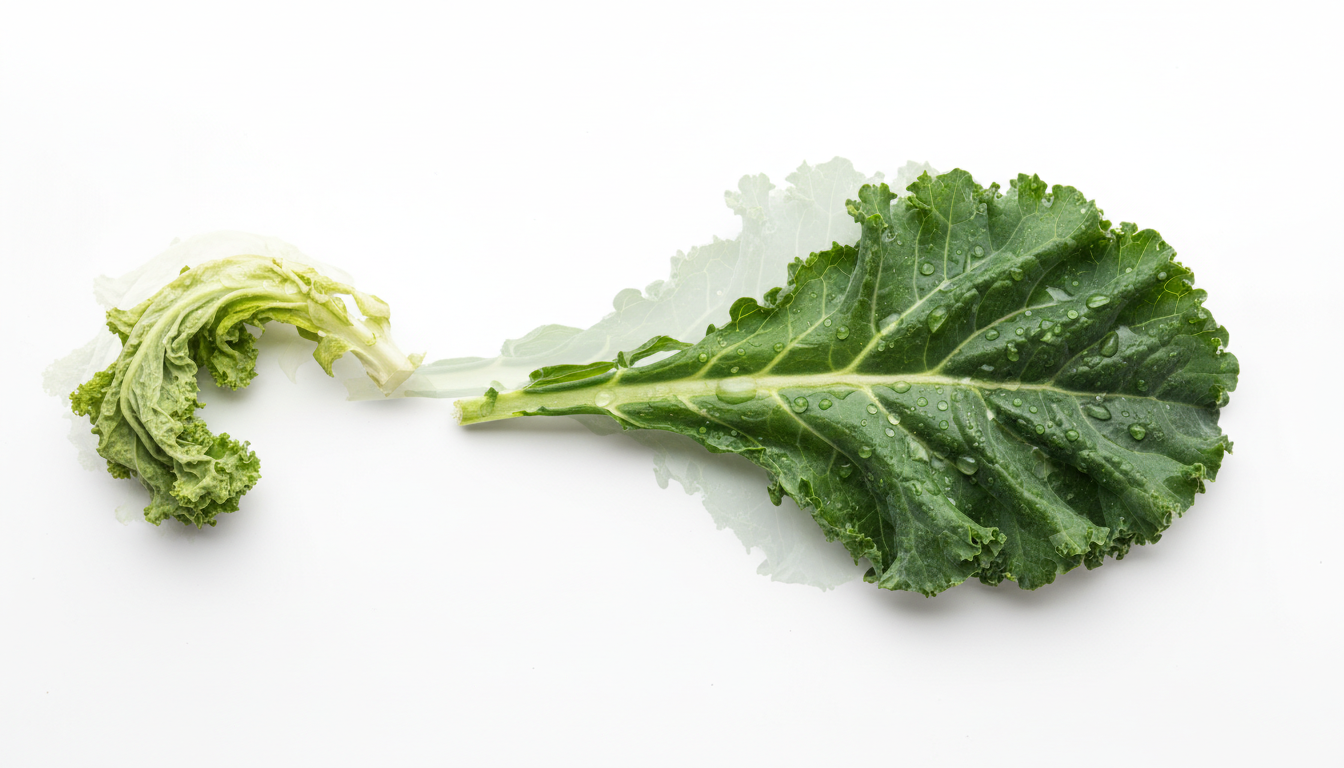
In the field of post-harvest physiology, the primary adversary to produce longevity and marketability is the uncontrolled loss of moisture. From the moment a fruit or vegetable is detached from its parent plant, it transitions from a state of active nutrient uptake to a state of net catabolism The Complete Guide to Cold Storage Benefits for Ca….. Among the various physiological degradations that occur during this phase, transpiration—the loss of liquid water through the plant’s cuticle and stomata into the atmosphere—is the most immediate threat to commercial value. Traditional cold storage often fails to address this, focusing solely on temperature while neglecting the critical role of relative humidity (RH).
At CVCS, we have pioneered a sophisticated intervention known as Rehab Storage. Unlike passive refrigeration, Rehab Storage is an active recovery process designed to reverse the effects of suboptimal dry storage Ethylene Management: Preventing Cross-Contaminatio….. By manipulating the vapor pressure deficit (VPD) and leveraging the thermodynamics of moisture transfer, we can effectively rehydrate distressed produce, restoring its physiological turgidity, visual “snap,” and, most importantly, its sellable mass.
The Thermodynamics of Moisture Transfer
To understand how Rehab Storage functions, one must first master the principles of psychrometrics and the movement of water vapor between biological tissues and the surrounding environment. All fresh produce is composed of approximately 80% to 95% water. This internal water exists at a high energy state, typically exerting a vapor pressure nearly equal to that of pure water at the same temperature.
The driving force behind moisture loss is the Vapor Pressure Deficit (VPD). VPD is the difference between the vapor pressure inside the produce and the vapor pressure of the ambient air. When produce is placed in “dry storage”—defined here as any environment where the RH falls below 90%—the VPD becomes significantly positive. This gradient forces water molecules to migrate from the intercellular spaces of the fruit or vegetable into the drier air. This is not merely a surface phenomenon; it is a systemic dehydration that leads to the collapse of cellular structures.
The Role of Turgor Pressure
Physiologically, the “crispness” or “crunch” of produce is a result of turgor pressure—the force exerted by the vacuole against the cell wall. When a product loses even 3% of its moisture content, the vacuole shrinks, the plasma membrane pulls away from the cell wall (plasmolysis), and the tissue becomes flaccid or “mealy.”
Rehab Storage utilizes a high-humidity environment (typically 95% RH or higher) maintained at precise temperatures, such as 34°F. By minimizing the VPD to near-zero, we halt transpiration. However, the “Rehab” aspect goes further: by strategically manipulating the environment, we can induce a state where the ambient vapor pressure slightly exceeds the internal vapor pressure of the dehydrated produce, or at the very least, creates a condition where the produce can reabsorb moisture through specialized epidermal structures. This process restores the turgor potential of the cells, effectively “inflating” the produce back to its optimal state.
Managing the Boundary Layer
Another technical hurdle in Rehab Storage is the boundary layer of air surrounding the produce. In stagnant air, a thin layer of saturated air forms around the fruit, which can slow down moisture transfer. CVCS proprietary processes utilize controlled laminar airflow to ensure that the high-humidity air is constantly replenished at the surface of the produce, ensuring uniform rehydration across the entire pallet, not just the exterior containers.
The Financial Case for Active Recovery
In the commodity produce market, weight is the primary unit of valuation. Dehydration is not just a quality issue; it is a direct financial loss. When a shipment of stone fruit or leafy greens sits in a dry warehouse for 48 hours, it can lose between 2% and 5% of its total weight. In a high-volume operation, this “shrink” is often written off as an inevitability of the supply chain. However, the science of Rehab Storage proves that this loss is recoverable.
Consider the scale of a modern industrial cooling facility. A 50-million-pound facility that experiences a 1% moisture loss is effectively losing 500,000 lbs of sellable product. At a conservative market price, this represents hundreds of thousands of dollars in lost revenue. By implementing a Rehab Storage protocol, we can capture that 1% (and often more), turning a distressed load into a premium one.
Impact on Grading and Marketability
Beyond weight, the visual and tactile grade of the produce determines its final sale price. Produce that has suffered from moisture loss is often downgraded to “Process Grade” or “Discounted” status due to shriveling, wilting, or loss of color. The following table illustrates the physiological and economic transformation achieved through CVCS Rehab Storage:
| Condition | Initial Status (Post-Dry Storage) | Post-Rehab Status (CVCS Intervention) |
|---|---|---|
| Moisture % | 85% (Dehydrated/Dry) | 92% (Fully Rehabbed) |
| Visual Grade | Mealy, Soft, Shrivelled | Crisp, Turgid, High-Sheen |
| Market Value | Discounted / Secondary Market | Premium / Grade A |
By moving produce through a Rehab cycle, we are not just adding water; we are restoring the “shelf-life potential.” Rehydrated cells have more robust membranes, which better resist the entry of pathogens and slow the rate of ethylene-induced senescence. This allows the product to withstand the rigors of the final mile of delivery to the consumer.
Case Study: Rehydrating Table Grapes
Table grapes are perhaps the most sensitive commodity when it comes to moisture loss. Their high surface-area-to-volume ratio, specifically in the rachis (the stem structure), makes them prone to rapid desiccation. Once the rachis turns brown and brittle, the market value of the entire cluster plummets, regardless of the quality of the berries themselves.
The Challenge
A recent load arrived at our facility having been held in an inland terminal with 60% RH for four days. The grapes showed significant “rachis browning” and the berries had lost their characteristic “snap.” Physiological testing indicated a 4.5% weight loss from the time of harvest.
The Rehab Intervention
We placed the grapes into our proprietary Rehab Storage environment. The parameters were set to 34.5°F with a relative humidity of 98%. Crucially, we utilized a specialized humidification system that produces “dry fog”—water droplets so small (5-10 microns) that they remain suspended in the air and do not settle as “free water” on the fruit. Free water is a vector for Botrytis cinerea (gray mold), so maintaining high humidity without surface wetting is the “gold standard” of Rehab Storage.
The Results
Over a 72-hour period, the grapes underwent a remarkable recovery. The rachis absorbed moisture, transitioning from a brittle brown to a flexible green. The berries regained their turgidity, increasing the total pallet weight by 3.2%. When the load was presented to the inspectors, it passed as Grade A, avoiding a projected 30% discount. This case study highlights that with the right physiological intervention, “damaged” produce can be reclaimed.
Proprietary ‘Rehab Storage’ Processes
What sets CVCS apart is our ability to balance the delicate line between rehydration and decay. Simply spraying produce with water is not Rehab Storage—that is a recipe for microbial disaster. Our process involves:
- Precision Psychrometrics: Real-time monitoring of the dew point to ensure moisture stays in the air and the produce, not on the walls or floors.
- Thermal Equilibrium: Ensuring the core temperature of the produce is perfectly aligned with the ambient air to prevent condensation (sweating) when the produce eventually leaves the facility.
- Vapor Pressure Management: Adjusting the RH levels based on the specific commodity’s cuticle thickness and stomatal density.
For more detailed information on our methodologies, please refer to our internal guide: The Science of Rehab Storage: Rehydrating Produce for Market.
Frequently Asked Questions
Q: Can any crop be ‘rehabbed’?
A: While the principles of Rehab Storage apply broadly, it is most effective on stone fruit (peaches, nectarines), leafy greens, cruciferous vegetables, and specific nut varieties that have lost critical water weight. Commodities with very thick, waxy cuticles (like some citrus) respond more slowly but can still see significant benefits in shelf-life extension.
Q: Is there a risk of mold in such high humidity?
A: This is the most common concern. At CVCS, we mitigate this risk through hyper-accurate temperature control and air filtration. Because we operate at 34°F, the metabolic rate of most fungal pathogens is severely inhibited. Our “dry fog” technology ensures that moisture is available as vapor, not as liquid water, which prevents the germination of spores.
Conclusion: Maximizing Profit on Distressed Loads
In the modern cold chain, information and intervention are the keys to profitability. Treating storage as a passive activity is a relic of the past. The science of Rehab Storage allows wholesalers, growers, and distributors to take an active role in inventory recovery. By understanding the post-harvest physiology of moisture transfer, we can turn back the clock on dehydration, restoring the weight, appearance, and value of your crop.
Don’t let your profits evaporate into thin air. If you have a load that has suffered from suboptimal conditions or simply want to ensure your produce hits the market at its maximum potential weight and quality, contact our specialists today.
Ask About Rehab Storage for Your Crop