
In the specialized field of post-harvest physiology, we often focus on the respiration rates of whole commodities—almonds, walnuts, and pistachios in their raw state. However, as the global nut butter market continues to expand at a projected 6% Compound Annual Growth Rate (CAGR), our focus must shift toward the stability of value-added derivatives. For manufacturers and exporters, the primary adversary is not cellular respiration, but the thermodynamic instability of the emulsion itself. Nut butters, particularly those lacking hydrogenated stabilizers or emulsifiers, are prone to a phenomenon known as syneresis—the separation of liquid oil from the solid protein and fiber matrix. Maintaining the integrity of these products requires more than simple warehousing; it necessitates a precision-controlled nut butter cold storage strategy that leverages sub-zero and refrigerated environments to arrest molecular migration.
The Physics of Syneresis
To understand why sub-zero and refrigerated storage is mandatory for high-quality nut butters, one must examine the rheology of the product. Nut butter is a high-solids colloidal suspension. It consists of finely ground nut particles (the dispersed phase) suspended within a continuous phase of liquid triacylglycerols (the nut oil). In “natural” varieties, there is no chemical lattice to hold these two phases together. Consequently, the system is governed by Stokes’ Law, which dictates the velocity at which particles will settle—or in this case, the rate at which the lighter oil will rise to the surface.
Temperature is the most significant variable in this equation. As the temperature of the product increases, the viscosity of the nut oil decreases. In an ambient warehouse environment reaching 70°F or higher, the oil becomes highly fluid, allowing it to migrate through the interstitial spaces of the ground nut solids with ease. This results in the characteristic “oil slick” at the top of the container and a dry, concrete-like sediment at the bottom. By utilizing nut butter cold storage, we manipulate the kinetic energy of the lipids. At temperatures between 34°F and 38°F, the oil’s viscosity increases significantly, effectively “trapping” it within the fiber matrix. When we move into sub-zero territory (0°F to 10°F) for bulk industrial storage, we essentially reach a state of total suspension where molecular movement is slowed to a negligible rate.
Beyond physical separation, we must also consider oxidative rancidity. Nut oils are rich in polyunsaturated and monounsaturated fatty acids, which are highly susceptible to oxidation when exposed to heat and residual oxygen. As a post-harvest physiologist, I view cold storage not just as a stabilizer of texture, but as a preservation of the nut’s chemical fingerprint. Cold temperatures slow the rate of autoxidation, ensuring that the flavor profile—the volatile organic compounds that give almond or peanut butter its premium taste—remains unchanged from the moment of grinding to the moment of consumption.
Emulsion Integrity in the Cold Chain
Maintaining emulsion integrity is a continuous challenge that begins at the point of manufacture and extends through the entire cold chain. For value-added products, the transition from the processing floor to the warehouse is a critical window. If a bulk pail of freshly ground almond butter is allowed to sit on a loading dock at ambient temperatures, the process of syneresis begins immediately. Once the oil has fully separated and formed a distinct layer, it is difficult to reintegrate on an industrial scale without re-processing.
Precision is required to prevent “beading” or “sweating” on the surface of the product. This occurs when temperature fluctuations cause the oil to expand and contract, forcing droplets to the surface. Central Valley Cold Storage provides the high-capacity, sub-zero stability needed to maintain a constant isothermal environment. This stability is essential for “frozen bulk” applications. When industrial pails are stored at 0-10°F, the lipid phase undergoes a partial crystallization, creating a semi-solid state that prevents any migration. This is particularly vital for Cold Storage for Frozen Value-Added Products, where the goal is to provide a 24-month shelf life for global manufacturing clients.
| Product Type | Storage Temp | Oil Stability | Shelf Life |
|---|---|---|---|
| Natural Nut Butter | 34-38°F | High (No Separation) | 12+ Months |
| Ambient | 70°F | Low (Heavy Separation) | 3-6 Months |
| Frozen (Bulk) | 0-10°F | Total Suspension | 24 Months |
As the data indicates, the difference between ambient and refrigerated storage is not merely incremental—it is a doubling or tripling of the product’s viable life cycle. For the post-harvest physiologist, this data represents a triumph of thermal management over entropy. By arresting the movement of lipids, we preserve the “as-manufactured” state of the emulsion.
Global Logistics for Value-Added Nut Products
The logistical demands of value-added nut products are significantly more complex than those of raw kernels. Raw almonds can be shipped in standard containers with relatively low risk of immediate degradation. However, a container of almond butter destined for an export market in Europe or Asia faces a gauntlet of thermal stressors. If the product is not stabilized via cold storage prior to and during transit, the end customer will receive a biphasic product that fails quality control standards.
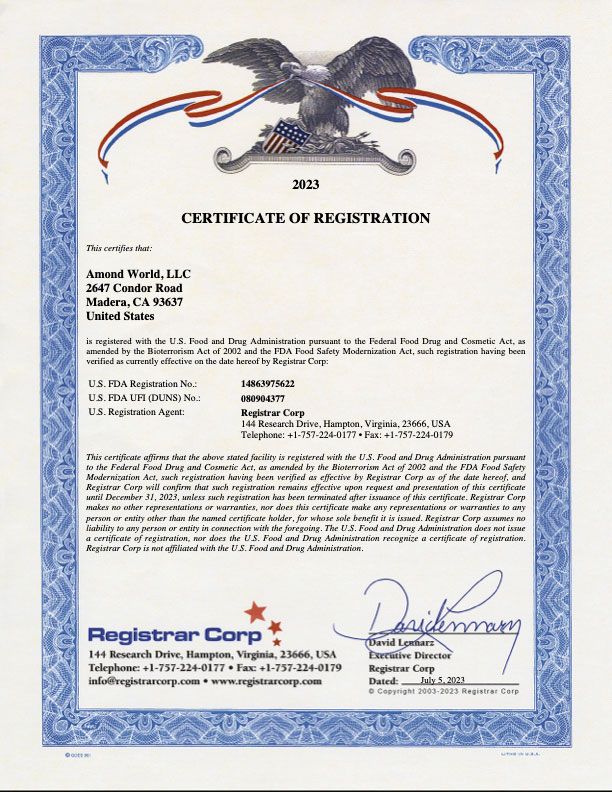
For global exporters, the strategy should involve centralized cold storage at the point of origin. Central Valley Cold Storage serves as this strategic hub, offering the refrigerated and sub-zero capacity required to prep bulk pails for international transit. By lowering the core temperature of the product to 34°F before it enters a refrigerated container, we provide a “thermal buffer” that protects the emulsion during the loading and unloading phases. Furthermore, for large-scale manufacturers, integrating these storage protocols into their ERP systems via Technical API Documentation ensures real-time tracking of temperature and inventory, which is crucial for Food Safety Modernization Act (FSMA) compliance.
In the context of the global market, “Quality” is defined by consistency. A consumer in London expects the same creamy, homogeneous texture from a California-processed almond butter as a consumer in San Francisco. Achieving this consistency without the use of additives like palm oil or mono-diglycerides is only possible through the rigorous application of cold chain physics. Sub-zero storage allows brands to maintain a “clean label” status—a high-value market differentiator—while still offering the shelf life required for global distribution.
The Role of Central Valley Cold Storage
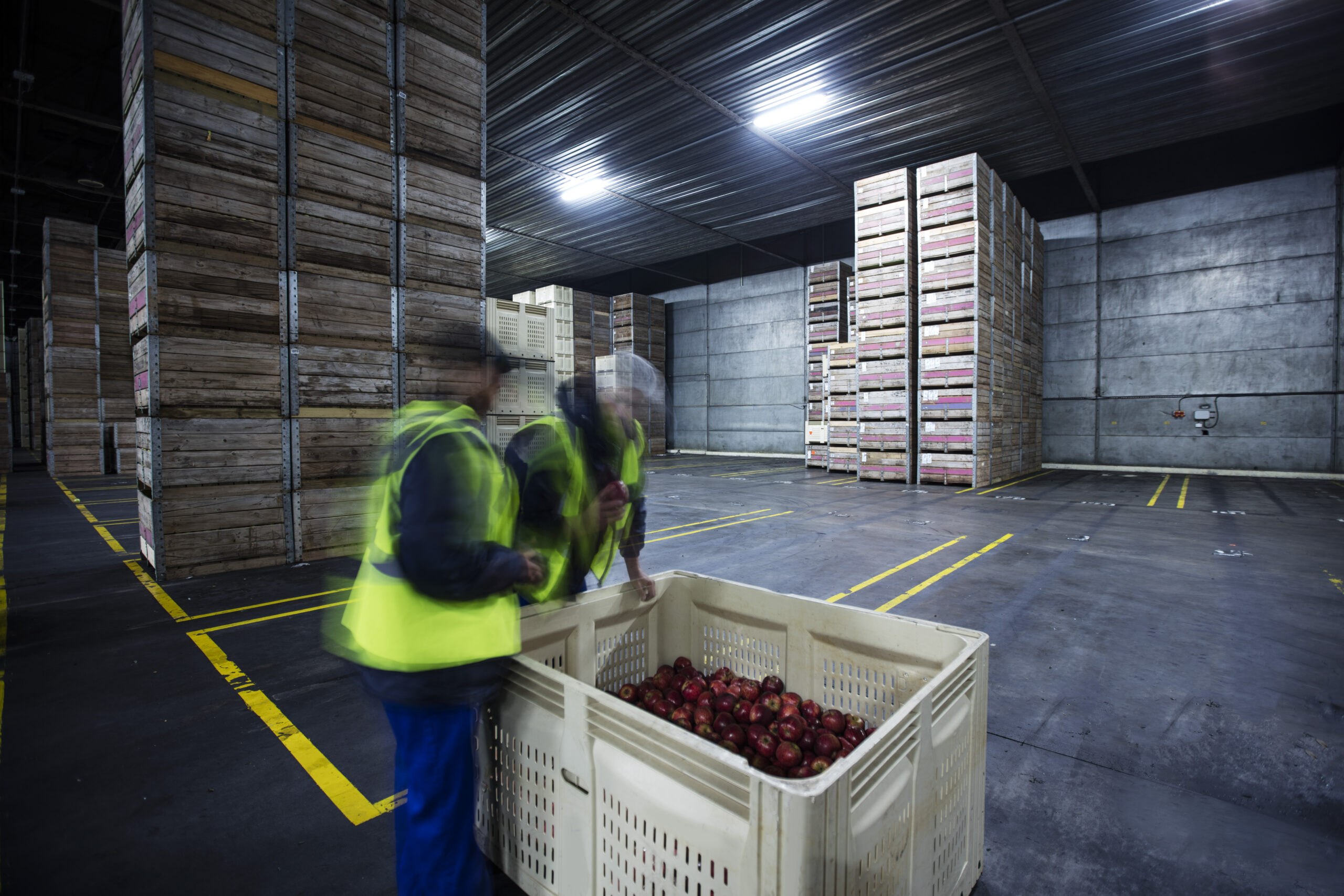
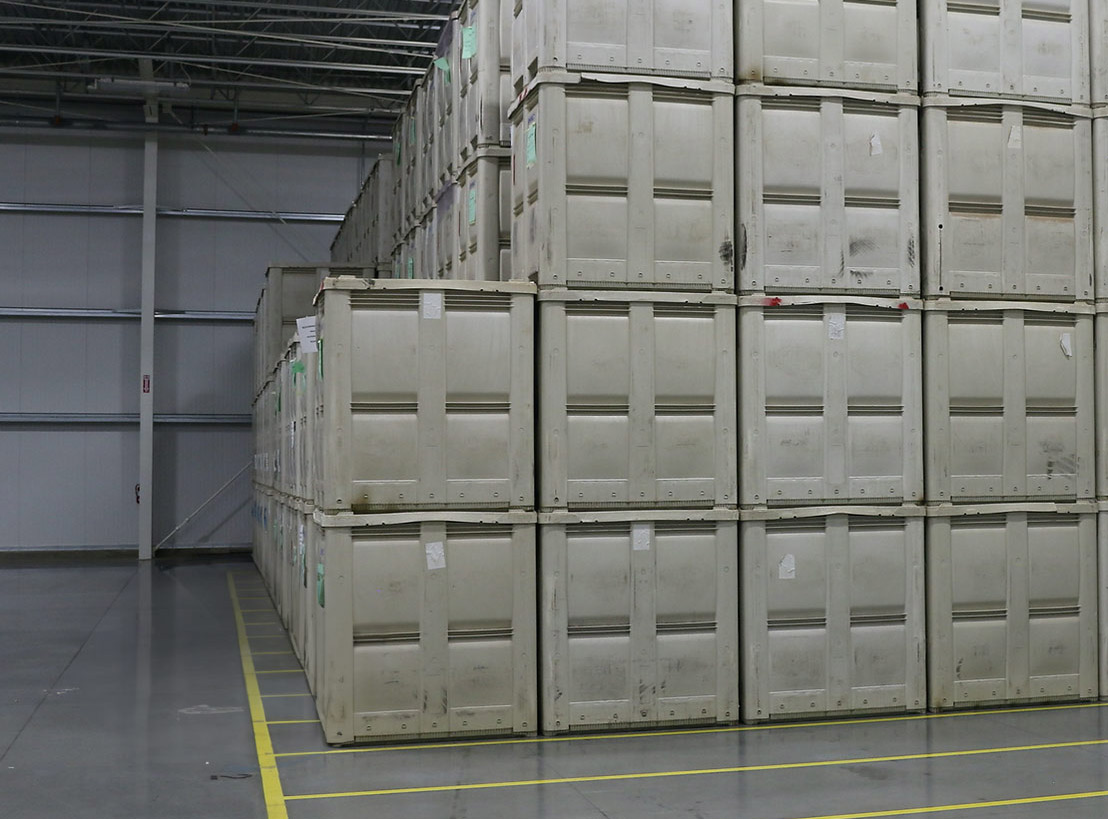
At Central Valley Cold Storage, we specialize in the unique thermal requirements of processed nut goods. Our facilities are designed to handle the high-density loads associated with bulk pails and drums, providing the steady-state refrigeration necessary to arrest oil migration. We understand that for a value-added product, the warehouse is not just a holding area; it is a critical stage in the product’s physiological preservation. By maintaining a strict 34-38°F range for refrigerated goods and 0-10°F for frozen bulk, we ensure that the emulsion integrity is locked in, preventing syneresis and extending the commercial window for our partners.
Frequently Asked Questions
- Q: Does almond butter need to be refrigerated?
A: While small retail jars can technically sit on a shelf, for industrial quantities, global export, and significant shelf-life extension, refrigeration at 34°F is required. This is the only effective way to prevent oil separation and oxidative rancidity over a 12 to 24-month period. - Q: Can nut butters be stored in sub-zero temperatures?
A: Yes. For bulk industrial pails, storing at 0-10°F is an excellent way to achieve total suspension of the oil. This is ideal for manufacturers who produce in large batches and need to preserve the product for up to two years without any quality degradation. - Q: How does cold storage affect the texture of natural peanut butter?
A: Cold storage increases the viscosity of the product, making it firmer. However, it prevents the permanent separation of oil. Once brought back to room temperature for retail use, the product maintains a superior, homogeneous texture compared to butter that has been stored at ambient temperatures.
In conclusion, the transition from raw nut storage to value-added product storage requires a shift in scientific focus. By understanding the physics of syneresis and the chemical pathways of lipid oxidation, manufacturers can utilize precision nut butter cold storage to protect their margins and their brand reputation. As the market continues its 6% CAGR trajectory, the winners will be those who master the cold chain to deliver a perfect, unseparated product to the global stage.
Ready to secure your supply chain?
Request a Quote for Processed Goods today and ensure your nut butters maintain their integrity from the Central Valley to the world.