
In the high-stakes landscape of Central Valley agriculture, timing is often as critical as the harvest itself. For producers of high-value commodities like almonds, walnuts, and table grapes, the period immediately following harvest represents a significant financial paradox Dairy Cold Storage in Californias San Joaquin Vall….. While the bins are full, the producer’s liquid capital is often at its lowest point of the year. This “liquidity gap” forces many growers into a suboptimal decision: selling their crop during the “harvest low” to cover immediate operational expenses, labor costs, and debt obligations.
As an Agricultural Commodity Specialist, I have observed that the most successful operations are no longer treating storage as a mere cost center, but rather as a sophisticated financial tool. Through agricultural inventory financing, growers can leverage their stored products as collateral to secure working capital The Complete Guide to Cold Storage Benefits for Ca….. This strategy allows for the deferment of sales until market prices normalize or reach peak export demand in Q1, often resulting in a significantly higher Return on Investment (ROI).
The Harvest Liquidity Squeeze
The agricultural cycle in California is characterized by intense periods of capital outflow. During the harvest season, expenses for specialized labor, fuel, haulage, and processing peak simultaneously. For a typical almond grower, these costs can represent a massive portion of the annual budget, all coming due before a single nut has been sold at a favorable price.
Historically, the influx of supply immediately post-harvest creates downward pressure on prices. In the Central Valley, almond prices have been known to fluctuate by as much as 20-40% between the peak of harvest and the following spring export window. Selling into this saturated market to solve a short-term cash flow problem is essentially leaving money in the field. This is the “Harvest Liquidity Squeeze”—a structural challenge that traditional bank loans sometimes fail to address with the necessary speed or flexibility.
Inventory-backed financing solves this by decoupling the need for cash from the physical sale of the commodity. By utilizing third-party cold storage facilities that offer certified inventory reporting, growers can access lines of credit based on the valuation of their stored goods. This provides the “bridge” necessary to pay down seasonal lines of credit and fund the next season’s inputs without sacrificing the potential for market gains.
How Warehouse Receipts Work
The cornerstone of agricultural inventory financing is the warehouse receipt. In technical terms, a warehouse receipt is a document of title that serves as proof that a specific quantity and quality of a commodity is being held in a secure, third-party facility. In the eyes of a lender, this receipt transforms a physical pile of nuts or grapes into a liquid financial asset.
At Central Valley Cold Storage (CVCS), the process is streamlined through our proprietary Goose System. This lender-approved inventory reporting platform provides real-time visibility into the status and location of the collateral. When a grower deposits their crop at CVCS, the Goose System generates a certified receipt that lenders use to verify the value and condition of the inventory. This transparency is vital; it reduces the risk profile for the bank, which often leads to more favorable interest rates and higher Loan-to-Value (LTV) ratios.
The mechanics involve several key steps:
- Deposit and Inspection: Inventory is moved into a certified facility where its quality, weight, and moisture content are verified.
- Issuance of Receipt: A warehouse receipt is issued, often electronically, which can be pledged to a participating lender.
- Lien Filing: The lender files a UCC-1 financing statement, securing their interest in the specific inventory described on the receipt.
- Capital Injection: Based on the market value of the inventory, the lender provides a percentage of that value (typically 60-80%) as a revolving line of credit or a term loan.
Maximizing ROI with Market Timing
The primary objective of agricultural inventory financing is not just to acquire debt, but to execute a sophisticated market arbitrage strategy. By holding inventory through the end of the calendar year, growers can wait out the “harvest lows” and target the Q1 export window when global demand—particularly for nuts—often spikes.
Consider the economic impact: If a grower utilizes long-term storage strategies and secures financing at an interest rate of 7-9%, but the market price of their commodity increases by 25% over six months, the net gain far outweighs the cost of the loan and the storage fees. In many cases, this strategy can increase the final ROI by 30% or more compared to selling immediately at harvest.
Furthermore, this financial flexibility allows for better tax planning. By utilizing a loan for cash flow instead of recognizing income from a sale in a high-revenue year, growers can more effectively manage their taxable income brackets and timing of deductions.
Technical Comparison of Financing Options
Understanding which financial instrument best suits your operation is critical. Below is a breakdown of the typical terms and uses for inventory-based and facility-based financing in the Central Valley.
| Loan Type | Collateral | Typical Terms | Primary Use |
|---|---|---|---|
| Inventory Line | Stored Nuts/Grapes | 6-12 Months | Working Capital |
| Warehouse Receipt | Certified Pallets | Market Value % | Bridge Loans |
| Equipment Finance | Solar/Facility | 5-10 Years | Infrastructure |
For most growers, the Inventory Line is the most versatile tool. It functions much like a credit card for the business, where the “limit” is determined by the current market value of the goods sitting in cold storage. As product is sold and released from the warehouse, the loan is paid down, and the credit becomes available again for future needs.
The Role of Cold Storage in Collateral Security
A lender will only provide financing if they are confident that the collateral will maintain its value. This is why the choice of storage facility is not just a logistical decision, but a financial one. Agricultural inventory financing requires a facility that can guarantee climate stability and rigorous inventory management.
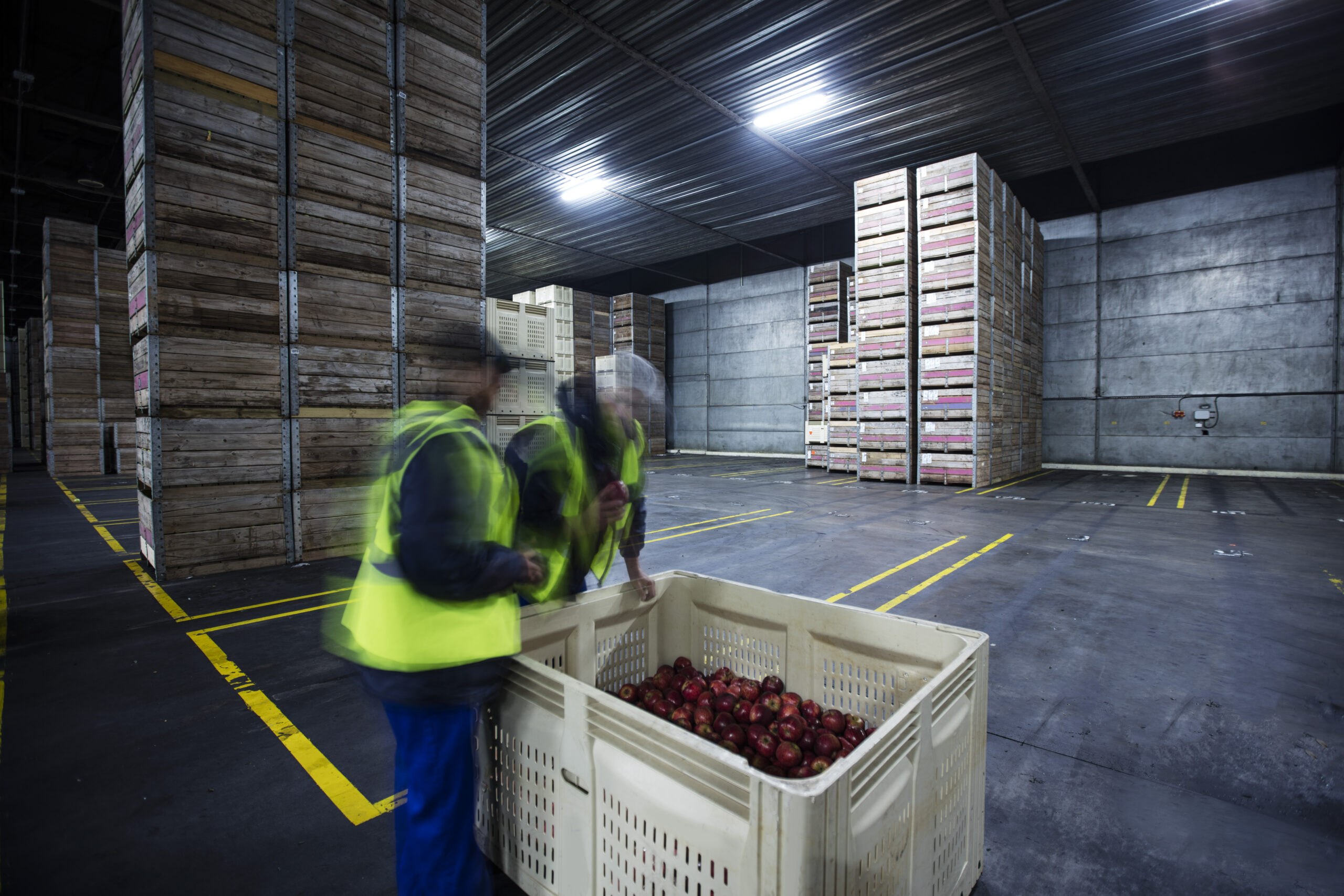
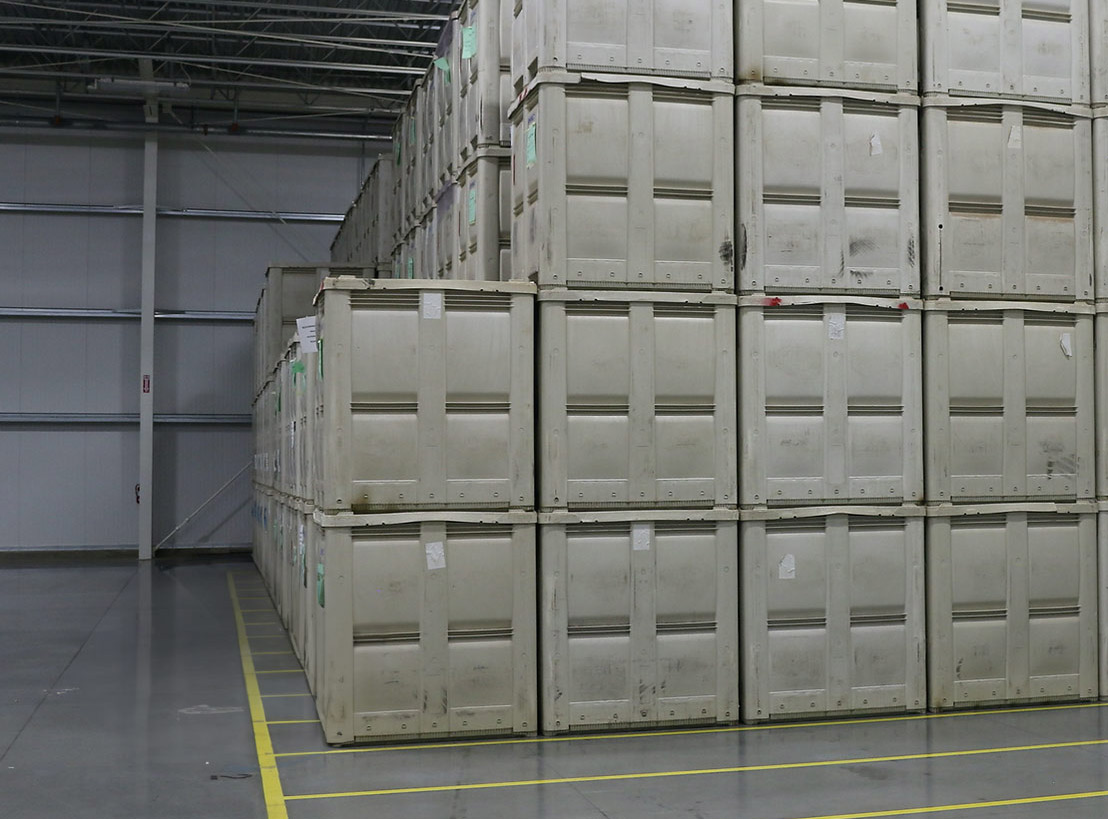
Central Valley Cold Storage provides the environmental precision necessary to preserve the shelf-life and quality of sensitive commodities. Whether it is maintaining the precise humidity levels for table grapes or the sub-zero temperatures required for processed nuts, our facility ensures that the collateral does not degrade. If the quality of the product drops, the value of the collateral drops, which could trigger a “margin call” from the lender. Using a high-specification facility like CVCS mitigates this risk entirely.
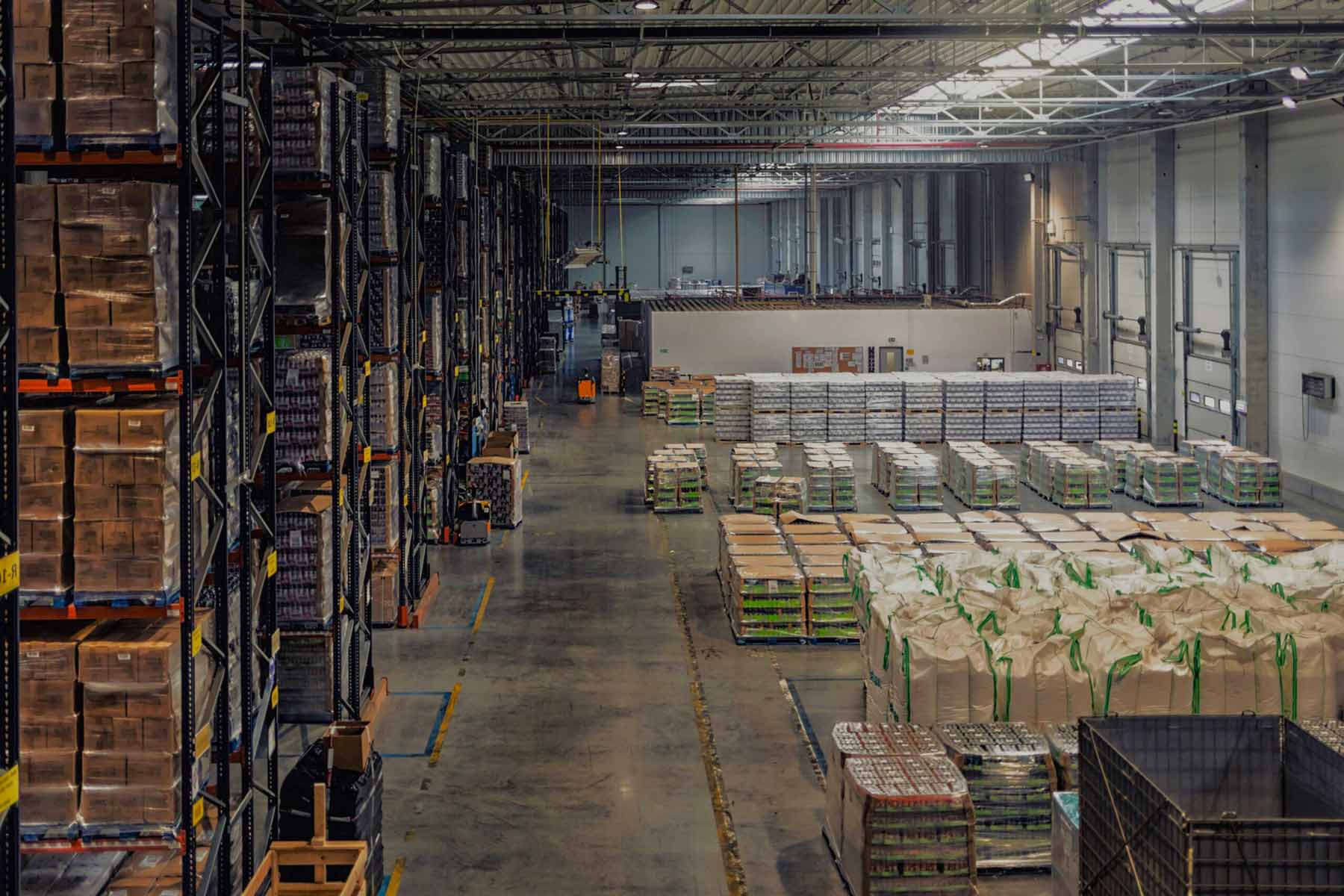
Additionally, our financing-ready infrastructure includes the Goose System, which allows lenders to perform “virtual audits.” Instead of sending a representative to the warehouse to count pallets, the lender can log in and see certified data, significantly reducing administrative overhead and accelerating the funding process.
Strategic Integration: Storage and Finance
Integrating storage and finance requires a shift in mindset. It involves viewing the crop not as a perishable item that must be moved quickly, but as a financial asset that should be managed for maximum yield—both in terms of agricultural weight and market value.
Effective financing your cold storage involves coordinating with your lender early in the season. Most lenders prefer to have the storage agreement and the inventory reporting protocols (like the Goose System) vetted before the harvest begins. This ensures that as soon as the first truck arrives at CVCS, the capital can be unlocked within days.
Frequently Asked Questions
What is inventory-backed financing for agriculture?
Inventory-backed financing allows growers to use their stored agricultural commodities—such as almonds, walnuts, or pistachios in cold storage—as collateral for short-term loans, providing cash flow without requiring an immediate sale.
How do warehouse receipts work for crop financing?
A certified cold storage facility like CVCS issues a warehouse receipt documenting the quantity, quality, and condition of stored commodities. Lenders accept this receipt as collateral, similar to how real estate secures a mortgage.
What interest rates are typical for agricultural inventory loans?
Interest rates typically range from 5% to 10% annually, depending on the commodity type, storage facility certification, market volatility, and the borrower’s credit history. Rates from agricultural-focused lenders are often more favorable.
Can I sell inventory that is under a financing lien?
Generally, you cannot sell inventory while it serves as active collateral without the lender’s consent. However, most agricultural lenders offer flexible arrangements that allow partial releases as the loan is paid down.
Why is certified cold storage important for inventory financing?
Lenders require assurance that collateral maintains its value. Certified cold storage with documented temperature control, humidity management, and FSMA-compliant traceability protects commodity quality, making lenders more willing to extend credit at favorable terms.
Conclusion: Unlocking Your Operation’s Potential
The ability to wait for the right market conditions is one of the greatest competitive advantages a grower can have. By utilizing agricultural inventory financing, you remove the desperation from the sales process. You gain the power to pay your labor, invest in next year’s crop, and maintain your facility, all while your inventory sits safely in a climate-controlled environment, appreciating in value as the market supply tightens.
At Central Valley Cold Storage, we do more than just keep your products cold; we provide the logistical and technological framework required to turn your harvest into a flexible financial asset. Our Goose System reporting and established relationships with agricultural lenders make us the premier partner for growers looking to optimize their cash flow and maximize their ROI.
Ready to bridge the gap between harvest and peak profit?
Speak to a Financing Specialist today to learn how our inventory-backed solutions can support your operation.