
As a cold chain logistics expert, I have observed that the most significant liability a firm carries isn’t necessarily the market price of the commodity, but the “transit-bound” nature of the asset. When goods are in motion, they are vulnerable to temperature excursions, mechanical failures, theft, and administrative delays Mastering the Produce Cold Chain: From Harvest to ….. Title Transfer In-Situ—the practice of transferring legal ownership while the commodity remains stationary in a controlled environment—emerges not just as a convenience, but as a strategic financial instrument to de-risk the balance sheet.
The Friction of Physical Movement
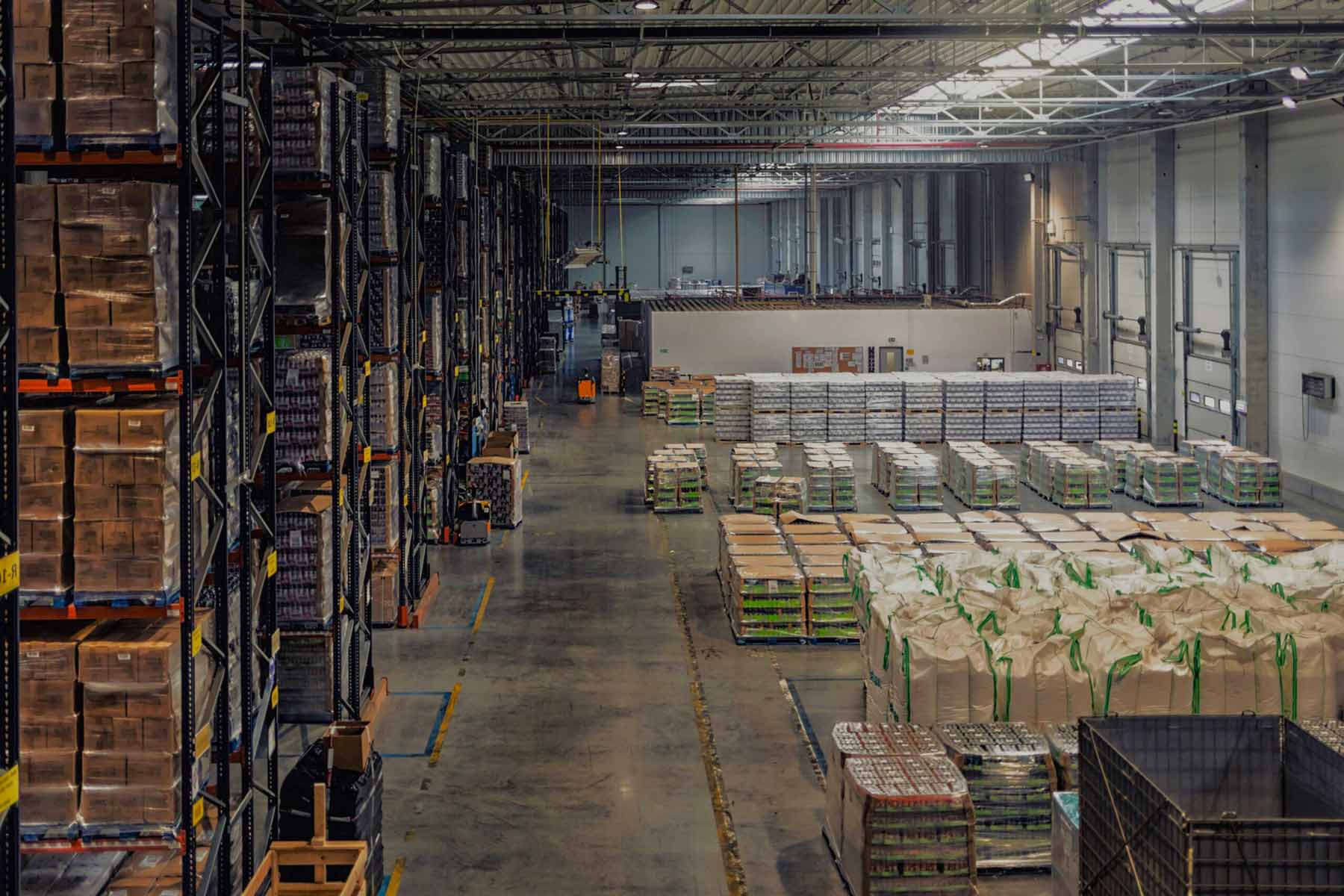
To understand the necessity of in-situ transfers, one must first quantify the friction inherent in traditional logistics. Every time a pallet of produce is moved, it undergoes what we call a “touch.” In a standard export-import cycle, a product may be touched six to ten times before reaching the end consumer: from the farm to the packing house, to the regional cold storage, to the port warehouse, onto the vessel, and through the reverse process at the destination.
Each “touch” is a point of failure. Statistically, the majority of cold chain breaches occur during loading and unloading—the “seams” of the logistics network. When a seller moves product to a buyer’s facility, they retain liability for these breaches until the point of delivery (POD) is signed. If a shipment of berries sits on a tarmac for two hours too long during a transfer, the seller often bears the brunt of the subsequent insurance claim or cargo rejection.
The Hidden Costs of “Empty Miles” and Redundant Handling
Beyond physical damage, the movement-first model creates “deadweight loss” in the form of empty miles and redundant handling fees. Often, commodities are moved to a secondary location simply to satisfy the contractual requirements of a sale, even if the secondary location offers no superior storage conditions. This unnecessary transport consumes fuel, requires labor, and increases the carbon footprint of the transaction—all while the asset’s value remains static or even depreciates due to transit stress.
By decoupling the financial transaction from the physical movement, we can eliminate these redundant cycles. The Title Transfer In-Situ model allows the commodity to sit in a state-of-the-art facility where the environment is stable, while the “shipment” happens digitally on a ledger.
How In-Situ Transfer Works
The technical implementation of an in-situ transfer relies on the existence of a trusted, third-party neutral facility—typically a bonded warehouse or a specialized cold storage hub. The process is governed by the issuance and endorsement of a Warehouse Receipt (WR), which serves as the document of title.
The workflow typically follows these technical steps:
- Verification: Upon arrival at the cold storage facility, the goods are inspected for quality, temperature, and quantity. This establishes the “baseline” for the asset.
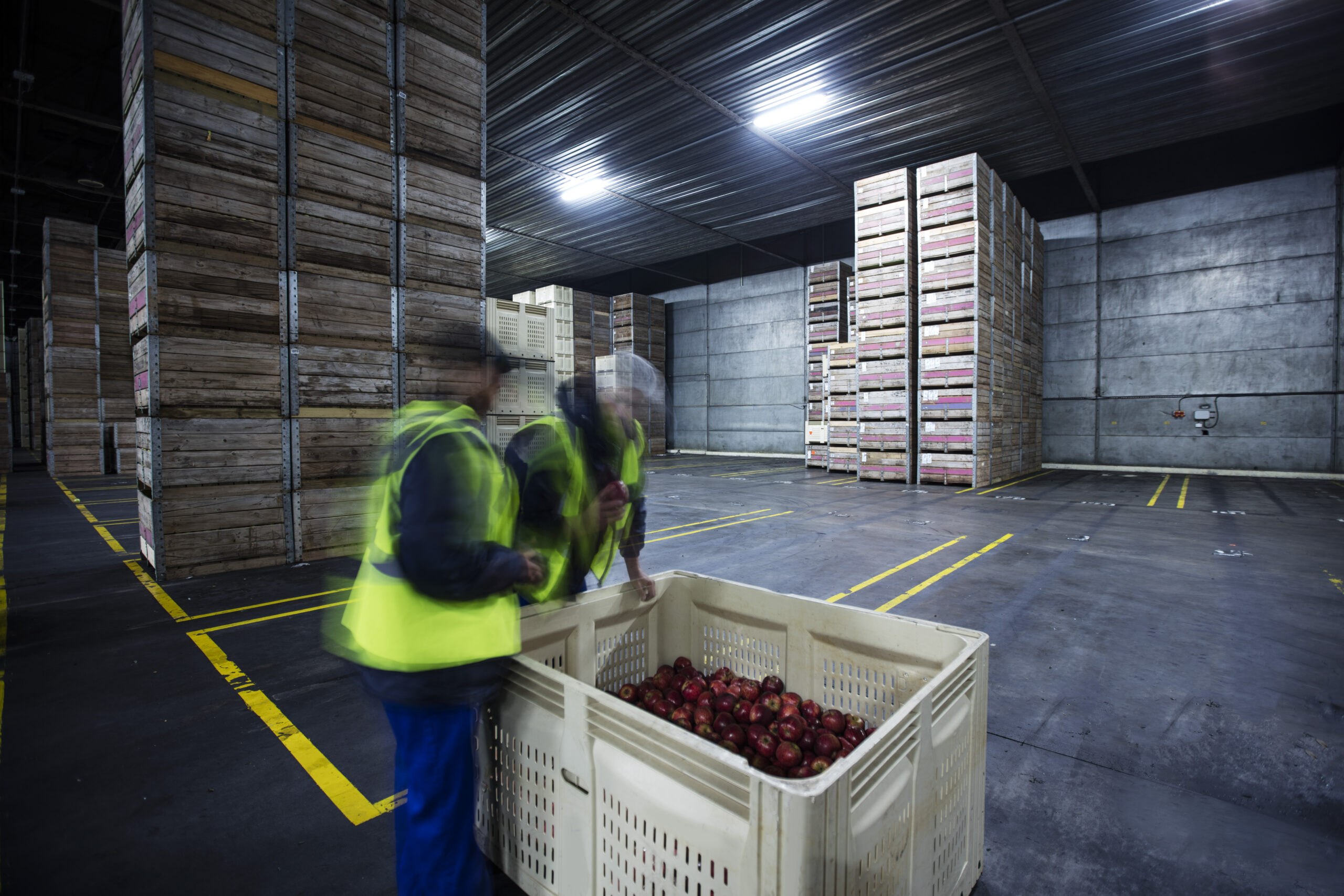
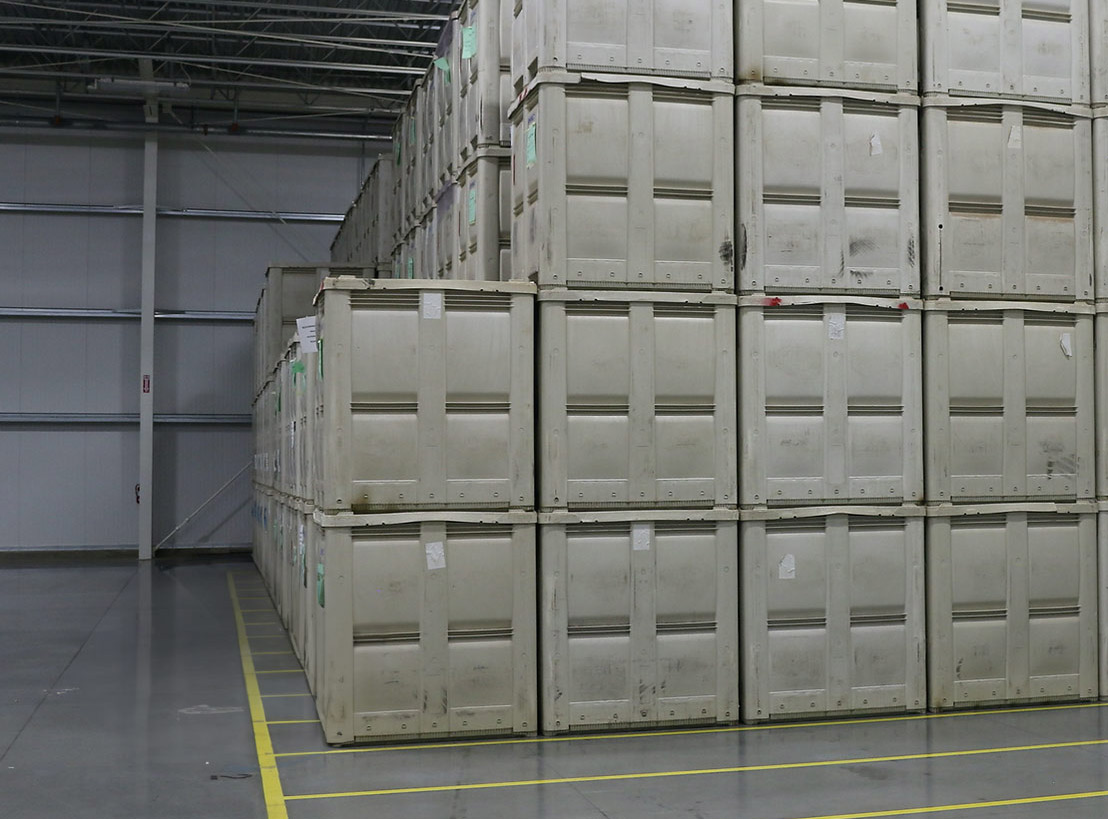
- Secured Storage: The goods are placed in a controlled environment where telematics and IoT sensors provide real-time data on the product’s integrity.
- Instruction to Transfer: The seller (current owner) issues a formal instruction to the warehouse manager to transfer the title to the buyer.
- Endorsement of Title: The warehouse issues a new Warehouse Receipt in the buyer’s name or endorses the existing one. In many jurisdictions, this receipt is a negotiable instrument.
- Financial Settlement: Once the warehouse confirms the title has been updated in its internal registry, the buyer releases payment to the seller.
In this scenario, the goods have moved zero inches, yet the seller has recognized revenue and the buyer has secured inventory. This is the essence of modern Transfer of Ownership: Simplifying Middle-Mile Produce Logistics, where the focus shifts from moving trucks to moving data.
The Role of Bonded Warehousing
For international trade, in-situ transfers often occur within bonded warehouses. This allows the title to change hands before customs duties or taxes are paid. A European importer can buy a container of South American grapes while it is still in a cold storage facility in a free-trade zone. This provides the buyer with the flexibility to re-sell the goods to a third party in a different country without ever “importing” the goods into the local economy, thus avoiding unnecessary fiscal exposure.
Financial Advantages for Exporters
The primary driver for adopting in-situ title transfer is capital efficiency. In traditional trade, the “Cash Conversion Cycle” (CCC) is elongated by the transit time. If it takes 21 days for a ship to cross the ocean, the seller’s capital is locked in that inventory for three weeks. By utilizing Title Transfer In-Situ at a port-side or regional hub, the seller can trigger revenue recognition as soon as the goods are received by the warehouse.
1. Faster Revenue Recognition
From an accounting perspective, the “Transfer of Risk and Reward” is the trigger for recognizing revenue. When a contract specifies an in-situ transfer, the seller can move the asset from “Inventory” to “Accounts Receivable” (and then to “Cash”) much faster than a standard CIF (Cost, Insurance, and Freight) or FOB (Free on Board) agreement. This improves the seller’s liquidity and strengthens their balance sheet for further operations.
2. Reduction in Insurance and Liability Premiums
Insurance companies price risk based on variables. Transit is a high-risk variable; stationary storage is a low-risk variable. By reducing the number of days a product spends in transit and the number of times it is handled, exporters can negotiate lower premiums. Furthermore, the “In-Situ” model eliminates the ambiguity of *when* damage occurred. If the goods never left the warehouse during the sale, the warehouse’s constant monitoring logs provide an indisputable record of product health, reducing the likelihood of protracted legal disputes between buyers and sellers.
3. Operational Cost Savings
The elimination of redundant handling leads to direct cost savings. As mentioned, logistics can consume 30% of overhead. By stripping out the “middle-man” transport leg between a seller’s warehouse and a buyer’s warehouse, the parties can share the savings of avoided freight costs and fuel surcharges.
| Step | Traditional Sale | In-Situ Transfer |
|---|---|---|
| Handling | 2-3 Touches | 0 Touches |
| Transit Risk | Seller/Buyer | Eliminated |
| Fee Structure | High Freight | Nominal Admin Fee |
Risk Mitigation and Quality Control
In the cold chain, “Temperature is Life.” For perishable commodities like pharmaceuticals or fresh produce, even a two-degree fluctuation can reduce shelf life by days or lead to total spoilage. The Title Transfer In-Situ model is the ultimate protector of the cold chain. Because the goods remain in a stabilized, industrial-grade environment, the thermal inertia of the product is never compromised by the “ambient air exposure” that occurs during truck loading.
Moreover, our Proprietary Title Transfer In-Situ services integrate digital twin technology. We create a digital record of every pallet that includes its harvest date, temperature history, and phytosanitary certifications. When the title transfers, the buyer receives this digital “pedigree.” This level of transparency is impossible to maintain when goods are shuffled between multiple disparate trucking companies and transshipment points.
The Legal Framework
One common question among financial officers is the legal robustness of this model. The validity of in-situ transfers is supported by international commercial law, provided that the warehouse operates as a “bailee.” The warehouse holds the goods but claims no ownership, acting as the neutral executor of the transfer. This structure is recognized by major banking institutions for the purposes of trade finance and letters of credit.
Conclusion: A New Paradigm for Global Trade
As we move toward a more sustainable and data-driven global economy, the traditional obsession with “keeping the wheels turning” is being replaced by an obsession with “keeping the value secure.” Title Transfer In-Situ represents a maturation of the logistics industry—a shift from the physical to the structural. By reducing the physical touches of a product, we are not just saving labor; we are preserving quality, reducing liability, and accelerating the flow of capital.
For exporters looking to gain a competitive edge, the decision is clear: stop moving your problems and start moving your title. The cost savings realized from eliminating just 5% of redundant handling can mean the difference between a profitable year and a loss-leading quarter.
Frequently Asked Questions
Q: Is in-situ transfer legal for international trade?
A: Yes, provided the warehouse issues a warehouse receipt recognized by the buyer’s institution and follows the legal requirements of the jurisdiction where the goods are stored (such as UCC in the US or similar commercial codes internationally).
Q: How do we handle customs and duties?
A: When using a bonded facility, the title can transfer “in bond.” The final owner of the goods becomes responsible for duties only when the goods are formally cleared for entry into the commerce of the destination country.
Ready to optimize your commodity turnover and reduce transit liability?