How to Choose a Cold Storage Facility: The 12-Point Decision Checklist for California Growers
Choosing the wrong cold storage facility is one of the most expensive mistakes a California grower can make. A facility 150 miles away adds thousands per truckload in drayage costs. A facility without FSMA 204 compliance blocks your access to major retail buyers. A facility without backup power risks destroying your entire stored inventory during a single grid outage.
This 12-point checklist gives you a systematic framework for evaluating any cold storage facility in the Central Valley or beyond. Use it as a scoring tool to compare facilities side-by-side.
The 12-Point Cold Storage Evaluation Checklist
1. Location Proximity to Harvest
What to assess: How far is the facility from your primary growing region? Can you get product from field to cold room within 2-4 hours of harvest?
Why it matters: Every hour between harvest and cold storage reduces crop quality. For stone fruit and grapes, the UC Davis Postharvest Technology Center recommends pre-cooling within 2 hours of harvest. A facility in Madera serves Central Valley nut growers within 30-90 minutes of most orchards. A facility in Los Angeles adds 4+ hours of unrefrigerated transit.
2. Temperature Zone Flexibility
What to assess: Does the facility offer multiple independent temperature zones? Can it maintain 0 F frozen, 32-36 F refrigerated, and 38-48 F controlled ambient simultaneously?
Why it matters: Different crops need different temperatures. If you store both almonds (34 F) and citrus (42 F) in the same chamber, one of them is being damaged. Multi-zone facilities can serve diverse crop portfolios without compromise.
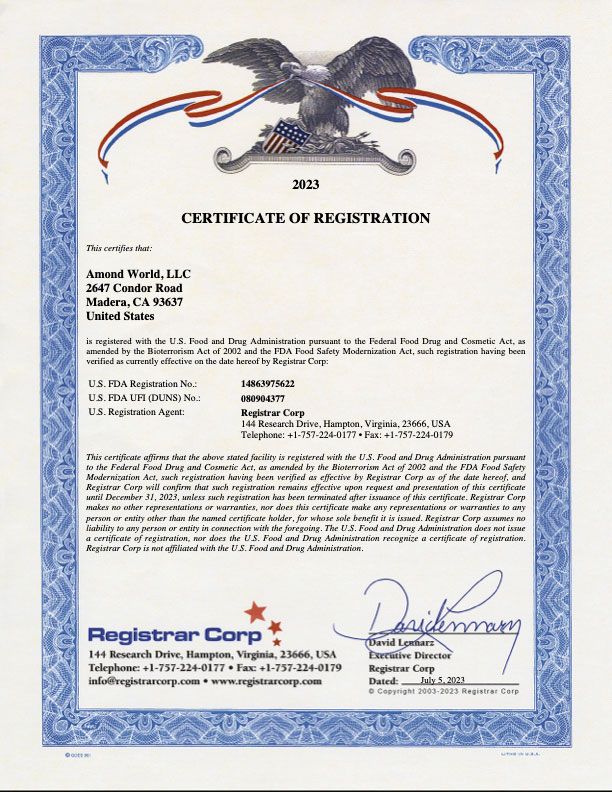
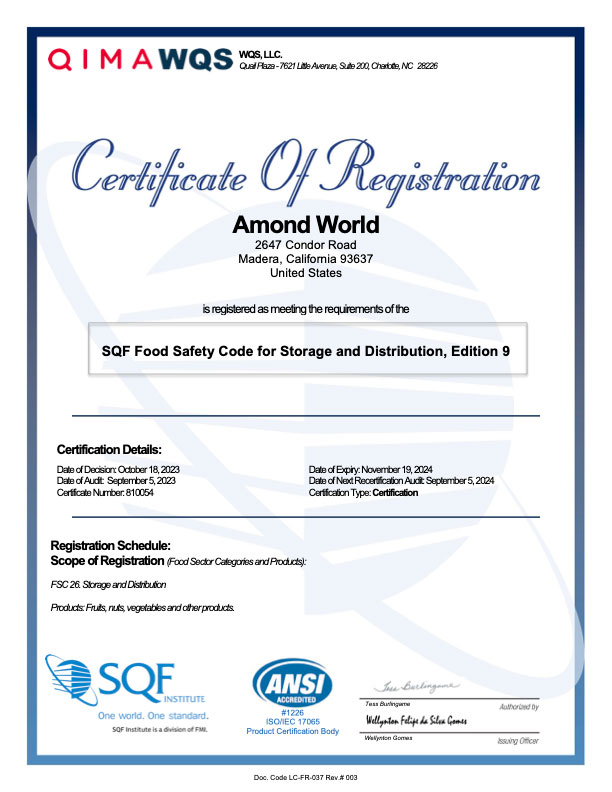
3. Certifications (SQF, BRC, PRIMUS)
What to assess: Which food safety certifications does the facility hold? When were they last renewed? Are audit scores available?
Why it matters: Major retailers (Costco, Walmart, Kroger) require SQF or BRC certification from all supply chain partners. Without these, your crop cannot reach premium markets. Compare SQF, BRC, and PRIMUS certifications to understand which your buyers require.
4. FSMA 204 Readiness
What to assess: Can the facility provide FSMA 204 traceability records? Do they use lot-level digital tracking? Can they produce records within 24 hours of an FDA request?
Why it matters: FSMA 204 requires all food storage facilities to maintain detailed traceability records. Noncompliant facilities expose you to FDA enforcement actions. Review FSMA 204 implementation requirements.
5. Power Reliability and Backup Systems
What to assess: Does the facility have generator backup? Battery backup? Off-grid solar? What is the transfer time if grid power fails?
Why it matters: California grid reliability is declining. Public Safety Power Shutoffs (PSPS) during fire season can last days. A facility without instant-transfer backup power risks temperature excursions that destroy stored inventory. Facilities with solar-plus-battery microgrids offer the strongest protection.
6. Insurance Coverage
What to assess: What does the facility’s insurance cover? What is the per-incident liability cap? Does it cover spoilage from equipment failure?
Why it matters: If a compressor fails and your almonds are destroyed, who pays? Many facilities cap their liability well below actual crop value. You may need supplemental crop insurance to cover the gap.
7. Fumigation Policy
What to assess: Does the facility use chemical fumigation? If so, how does it prevent cross-contamination with organic lots?
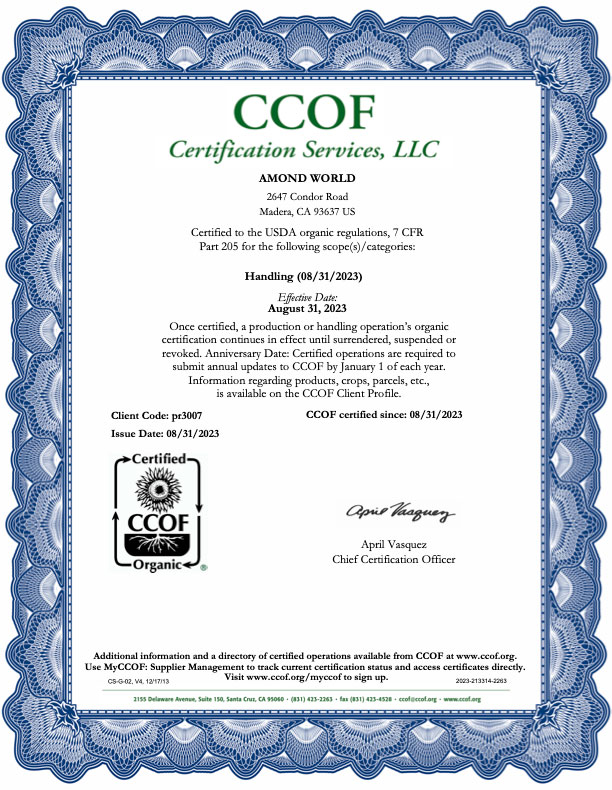
Why it matters: Organic certifications require zero fumigant exposure. Even trace residue from a neighboring chamber can invalidate organic certification. Fumigation-free cold storage is essential for organic growers.
8. Scalability
What to assess: Can the facility accommodate volume increases during peak harvest? What is their maximum capacity, and how full are they typically running?
Why it matters: A facility running at 95% capacity in September cannot absorb your late-harvest overflow. Ask for historical utilization data. Facilities at 70-80% during peak offer adequate surge capacity.
9. Technology (IoT Monitoring)
What to assess: Does the facility offer real-time temperature monitoring accessible to you? Mobile alerts? API integration?
Why it matters: You should be able to verify your crop’s storage conditions at any time. Modern temperature monitoring systems provide web dashboards, mobile alerts, and audit-ready data exports.
10. Cost Transparency
What to assess: What is the all-in monthly cost? Are there hidden fees for lot movements, temperature changes, or extended holds?
Why it matters: Cold storage pricing is often quoted as a base per-pallet rate, but hidden fees can add significantly to actual costs. Understanding actual cold storage costs is essential for profitability modeling.
11. Organic and Specialty Handling
What to assess: Does the facility handle organic, non-GMO, kosher, or other specialty certifications?
Why it matters: Organic almonds command premium prices but require certified storage with no fumigant residue or commingling with conventional lots.
12. Reference Checks
What to assess: What do existing customers say? Has the facility had quality failures or regulatory issues?
Why it matters: Request 3-5 customer references and contact them directly. Search FDA enforcement actions and OSHA citation records for the facility name.
Creating a Decision Matrix
After gathering data on all 12 factors, create a scoring matrix. Rate each facility 1-5 on every factor, weight the factors by importance to your operation, and total the scores. The highest score identifies your best fit.
For a comprehensive comparison of Central Valley facilities, see our warehouse comparison guide.
FAQ: Choosing a Cold Storage Facility
A: Minimum 2-3 weeks. Visit in person, request references, and get pricing in writing before committing.
A: No. A facility without backup power or FSMA compliance is a false economy. A single temperature excursion costs more than a year of price savings.
A: Often yes. Many large growers use 2-3 facilities for risk diversification and negotiating leverage.
A: Technically yes, but moving hundreds of pallets involves truck time, potential temperature excursion, and relabeling. Choose wisely upfront.
A: Ask about temperature excursions, invoice accuracy versus quotes, responsiveness to requests, and whether they would re-contract next year.
A: Walk away. Transparency is non-negotiable. A facility hiding certifications, pricing, or reference details is hiding problems.
Ready to evaluate a facility? Use this checklist as your evaluation framework. Central Valley Cold Storage in Madera is happy to provide references, certifications, detailed pricing, and a facility tour. Schedule a site visit to see our FSMA-compliant systems, multi-zone temperature control, and off-grid solar backup power firsthand.