META: Refrigerated nut storage without fumigation in California. Central Valley Cold Storage in Madera eliminates fumigation costs for almonds, pistachios & walnuts Central Cold Storage Castroville CA: Location Clar….. CCOF-compatible.
Cold Storage Without Fumigation for California Tree Nuts: How Refrigeration Replaces Chemical Treatment
Definition: Fumigation-free cold storage uses sustained low temperatures — typically 34°F for conventional tree nuts and below 32°F for organic lots — to suppress pest activity and prevent infestation without chemical methyl bromide or phosphine treatments, preserving organic certification eligibility and satisfying import restrictions in major export markets. Central Cold Storage: Facility Specs, Certificatio….
If you’re searching for cold storage without fumigation in California, you’re likely dealing with one of three problems: rising fumigation costs eating into your margin, organic certification requirements that prohibit chemical treatment, or export buyers who are rejecting fumigated product. Central Valley Cold Storage at Madera’s Airport Industrial Park eliminates fumigation from your post-harvest operation entirely — not by reducing it, but by replacing the conditions that make it necessary.
Why Tree Nut Storage Requires Fumigation — And How Cold Eliminates That Requirement
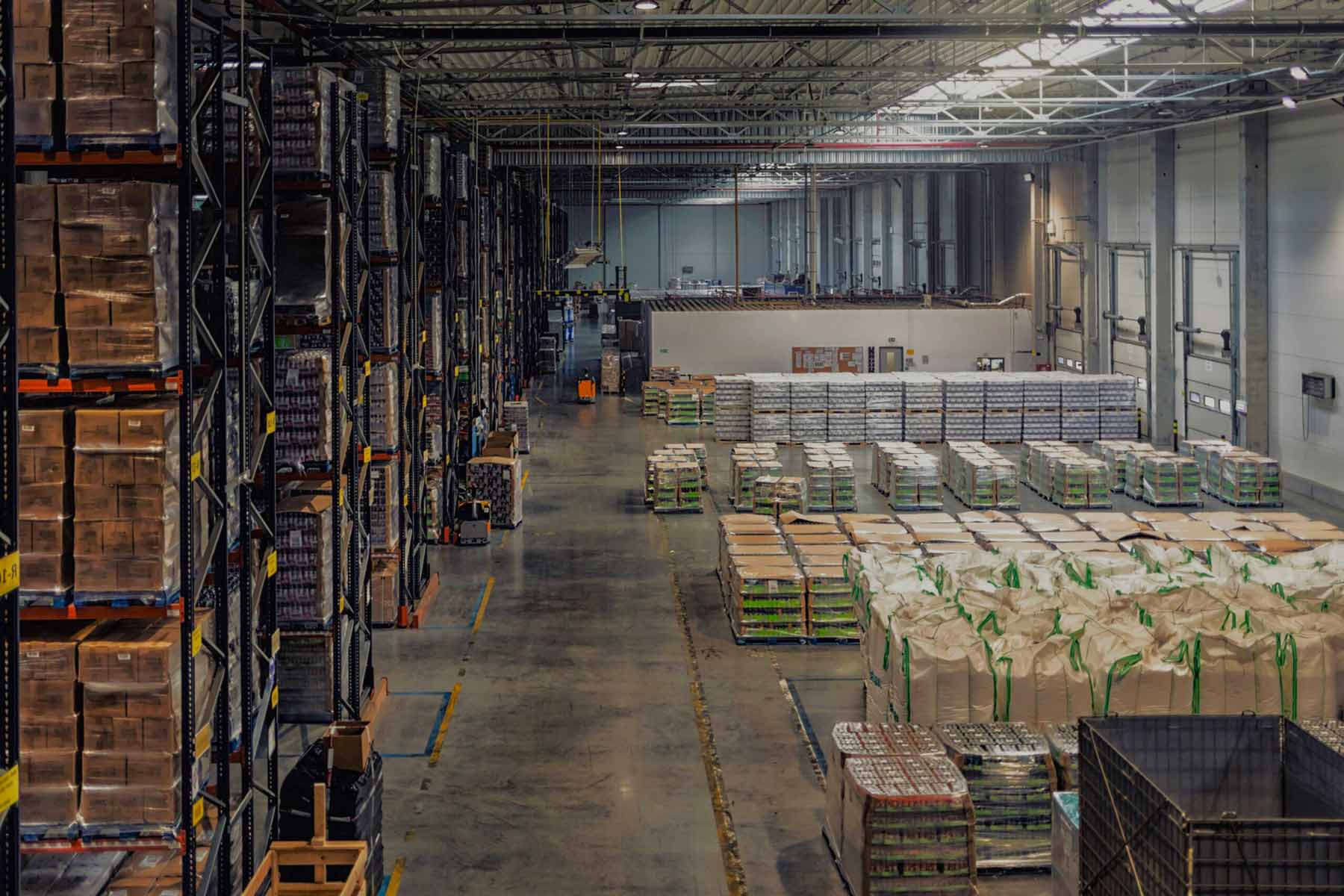
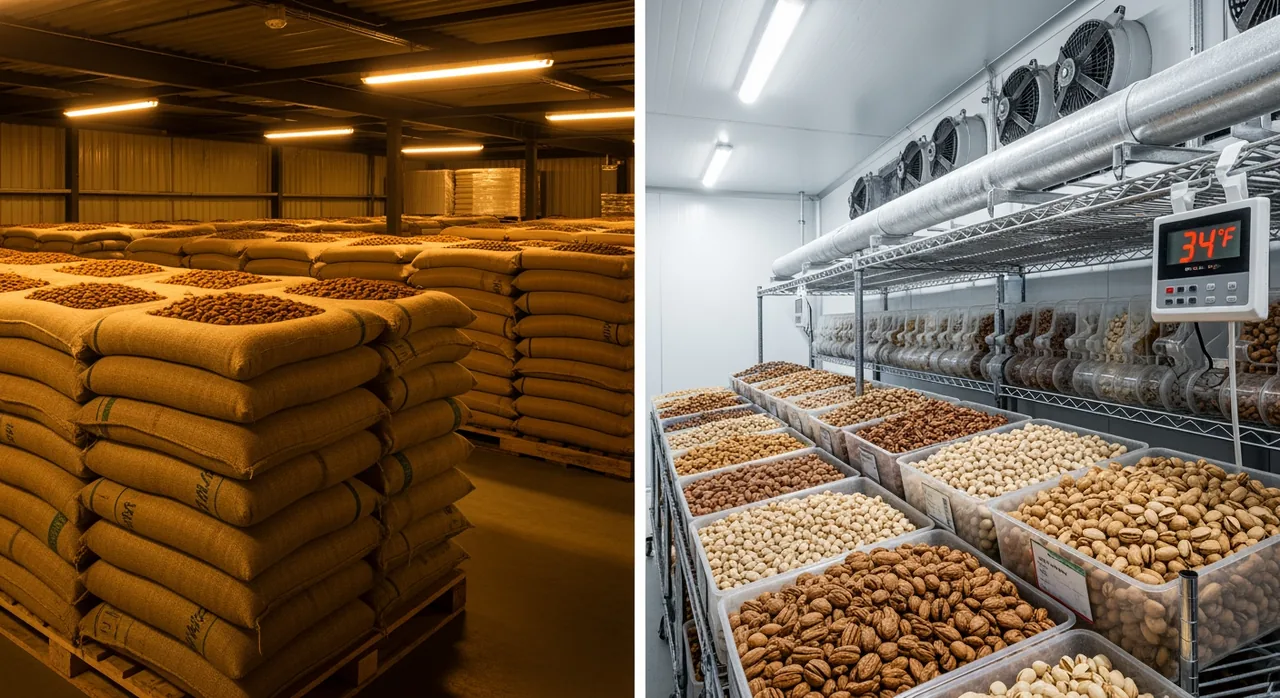
Almonds, pistachios, and walnuts stored in ambient dry warehouses accumulate pest pressure over time. Navel Orangeworm, Indian Meal Moth, and Aspergillus mold species all thrive in the temperature range that Central Valley dry warehouses occupy during summer months — sometimes exceeding 100°F inside unrefrigerated metal structures. Fumigation with phosphine gas is the standard industry response: treat the infestation, repeat as needed, document the application, pay the bill.
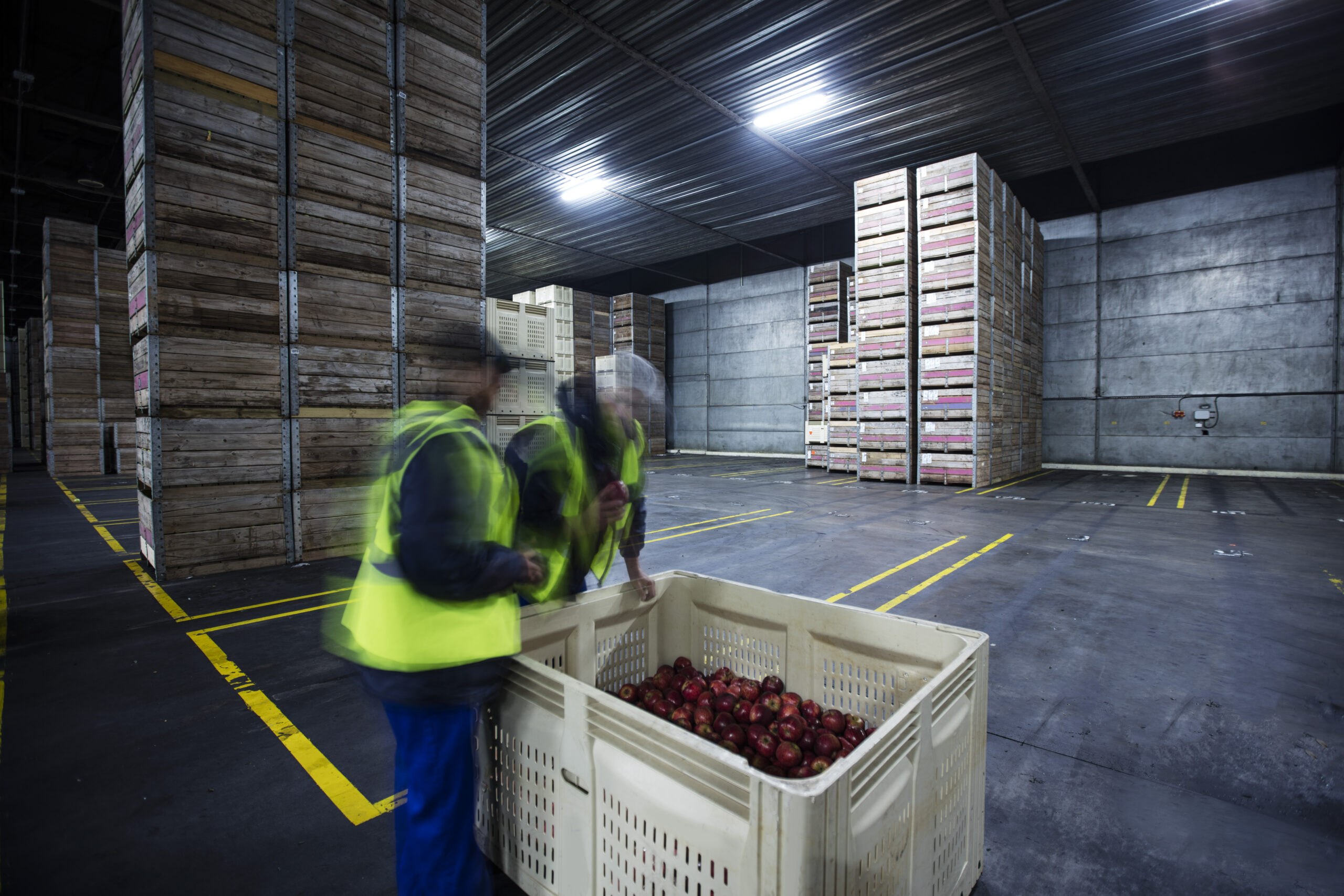
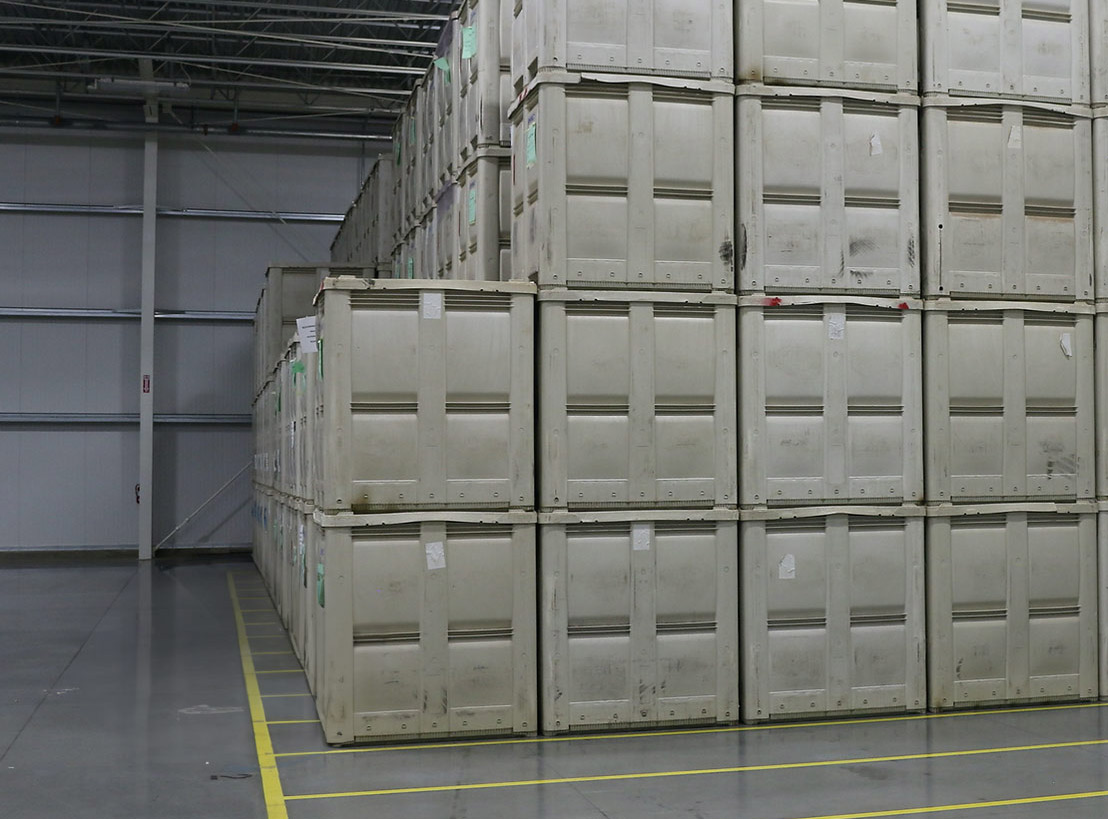
Cold storage at 34°F removes the conditions that support pest activity in the first place. At that temperature, insect metabolic rates drop to the point where reproduction and feeding stop. There is no infestation to treat, so there is no fumigation to schedule, pay for, or document.
Organic lots are stored below freezing — below 32°F — which is directly lethal to insects at all life stages, including eggs. This is a USDA-accepted method for pest management in organic grain and nut storage, and it preserves CCOF certification status through the storage period without any chemical intervention.
The True Cost of Fumigation You May Not Be Calculating
Fumigation has a direct cost — the treatment itself, applicator fees, facility ventilation and clearance time. But the full cost of a fumigation-dependent storage program is larger than the invoice:
- Market access restrictions: The EU, Japan, South Korea, and other major import markets have implemented restrictions on fumigated agricultural products. Fumigated almonds and pistachios may face additional testing requirements, higher rejection rates, or outright specification disqualification in those channels.
- Organic certification loss: A single fumigation treatment voids organic certification for the affected lot. For growers or handlers running organic programs, fumigation is not just expensive — it’s catastrophic to the value of the product.
- Quality degradation: Fumigation itself can affect product quality in some circumstances, particularly for high-moisture lots. The residue monitoring requirements for export add documentation burden and delay.
- Price discount: Some specialty buyers — particularly in natural food, direct-to-consumer, and premium export channels — apply price discounts to fumigated product or exclude it from their specifications entirely.
What Fumigation-Free Storage Unlocks for California Nut Growers
Moving from fumigated dry storage to refrigerated cold storage at Central Valley Cold Storage doesn’t just eliminate a cost — it opens market channels that were previously inaccessible:
EU export: European Union member states are among California’s largest almond and pistachio buyers. EU import regulations on fumigated agricultural commodities are increasingly strict. Fumigation-free cold storage with proper documentation — FSMA 204 traceability, phytosanitary certificates, storage condition records — positions California growers to meet EU buyer specifications without fumigation-related complications.
Japanese and South Korean markets: These markets are among the premium buyers for California tree nuts and maintain stringent quality and chemical residue requirements. Fumigation-free product with verified cold chain documentation is increasingly the specification standard in these channels.
Organic premium: California organic almonds and pistachios command meaningful price premiums over conventional product in domestic and export channels. That premium evaporates the moment a fumigation treatment is applied. Refrigerated cold storage preserves the organic premium through the full storage period.
How Central Valley Cold Storage’s Off-Grid Power Protects Your Fumigation-Free Investment
The fumigation-free cold storage model only works if the refrigeration never fails. A temperature excursion — product warming above 40–50°F for an extended period — can allow pest populations to re-establish, defeating the entire purpose of the cold chain approach.
Central Valley Cold Storage at Madera Airport Industrial Park operates off the PG&E grid: solar arrays provide primary power, battery storage covers overnight and overcast periods, and natural gas generators provide additional backup capacity. This is not a grid-tied facility with a generator as an afterthought — the power architecture was designed specifically for refrigeration continuity in a region that experienced significant grid reliability problems.
For growers with millions of dollars of inventory in storage, power continuity is the single most important facility characteristic. The off-grid design at Central Valley Cold Storage is a direct response to that risk.
Making the Transition: What You Need to Know
Transitioning from dry storage with fumigation to refrigerated cold storage requires planning around a few practical considerations:
- Volume and timing: Cold storage capacity at Madera Airport Industrial Park fills ahead of harvest season. Capacity conversations should happen in spring and early summer for August-October almond harvest and October-November pistachio harvest.
- Incoming product quality: Cold storage preserves quality — it doesn’t remediate quality problems in incoming product. Lot inspection at intake ensures you’re not storing product that’s already compromised.
- Documentation: The facility provides FSMA 204-compliant traceability records. If you’re planning to use fumigation-free cold storage for export, coordinate with your export agent on the specific documentation requirements for your destination markets.
Contact Central Valley Cold Storage at centralvalleycoldstorage.com to discuss your crop volume, variety, and organic certification requirements. Facility tours are available for growers evaluating the transition from fumigated dry storage.
Frequently Asked Questions
Does refrigerated cold storage actually eliminate fumigation for almonds and pistachios?
Yes. At 34°F, insect metabolic activity — including feeding, reproduction, and egg hatching — is suppressed below the threshold that causes infestation. There is no pest population buildup, so fumigation is not required. Organic lots stored below 32°F experience direct insect mortality at all life stages. Central Valley Cold Storage does not fumigate stored product.
Will EU buyers accept California almonds from fumigation-free cold storage?
Fumigation-free product with proper documentation — storage condition records, FSMA 204 traceability, phytosanitary certificates — is the preferred specification for many EU almond and pistachio buyers. Specific acceptance depends on individual buyer specifications and EU import regulations in effect at time of sale. Consult your export agent for current requirements in your target markets.
Can I maintain CCOF organic certification if I store at Central Valley Cold Storage?
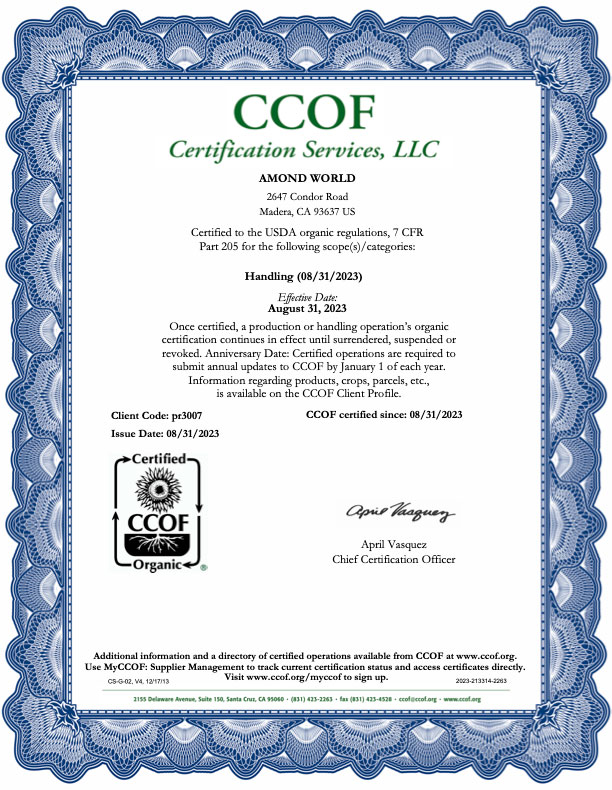
Yes. Organic lots at Central Valley Cold Storage are stored below freezing in separate bays, with no chemical treatment applied at any stage. This protocol is compatible with CCOF organic certification requirements. Confirm your specific certification requirements with your CCOF certifier before intake.
What does fumigation actually cost per pound stored?
Fumigation costs vary by facility, volume, and regional applicator pricing. For large lots stored over 12–18 months, multiple treatments may be required — multiplying the cost. The per-pound savings from eliminating fumigation can partially offset cold storage fees, particularly for organic product where a single fumigation event also destroys the organic price premium.
How does the facility prevent temperature excursions that could allow pest re-establishment?
Central Valley Cold Storage runs off-grid — solar, battery, and natural gas backup — with no dependence on PG&E grid reliability. The facility’s refrigeration systems are continuously monitored, and the backup power architecture is designed to prevent temperature excursions during grid outages, including public safety power shutoffs.
Is cold storage without fumigation more expensive than dry storage with fumigation?
Cold storage per-unit fees are higher than dry storage. However, the total cost comparison — including fumigation treatments, quality loss from heat exposure, lost access to premium export markets, and potential organic certification loss — often makes refrigerated cold storage the lower total-cost option for growers managing high-value lots or organic product. Contact Central Valley Cold Storage for a quote based on your specific volume and holding period.