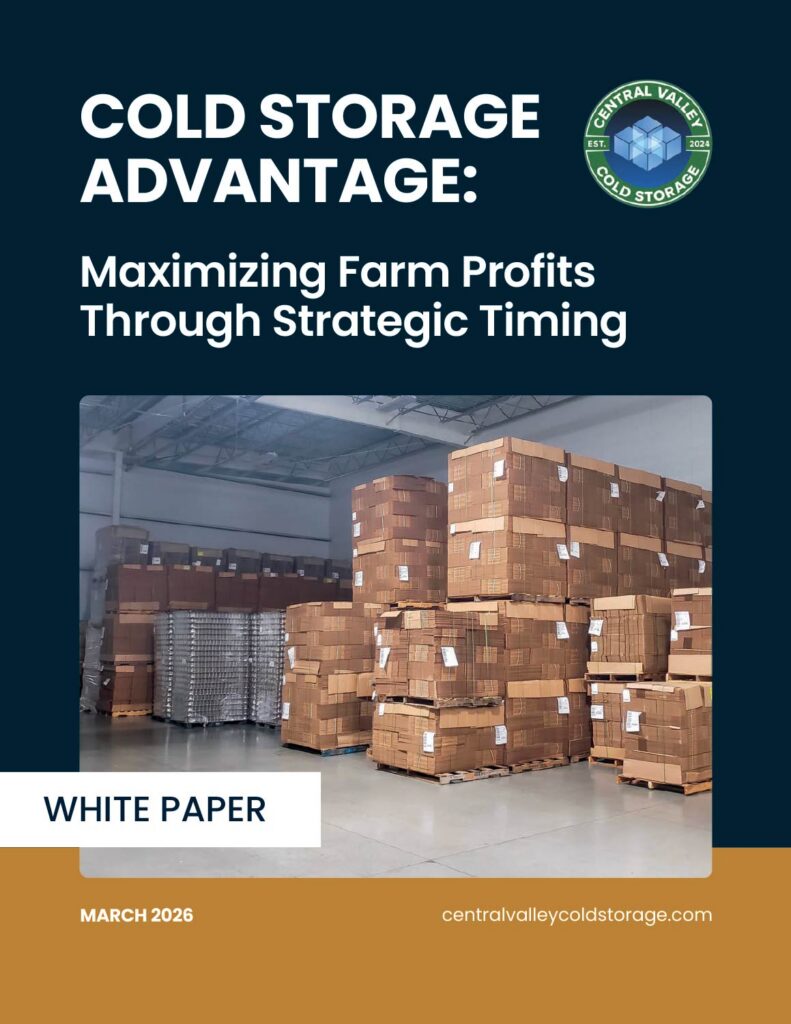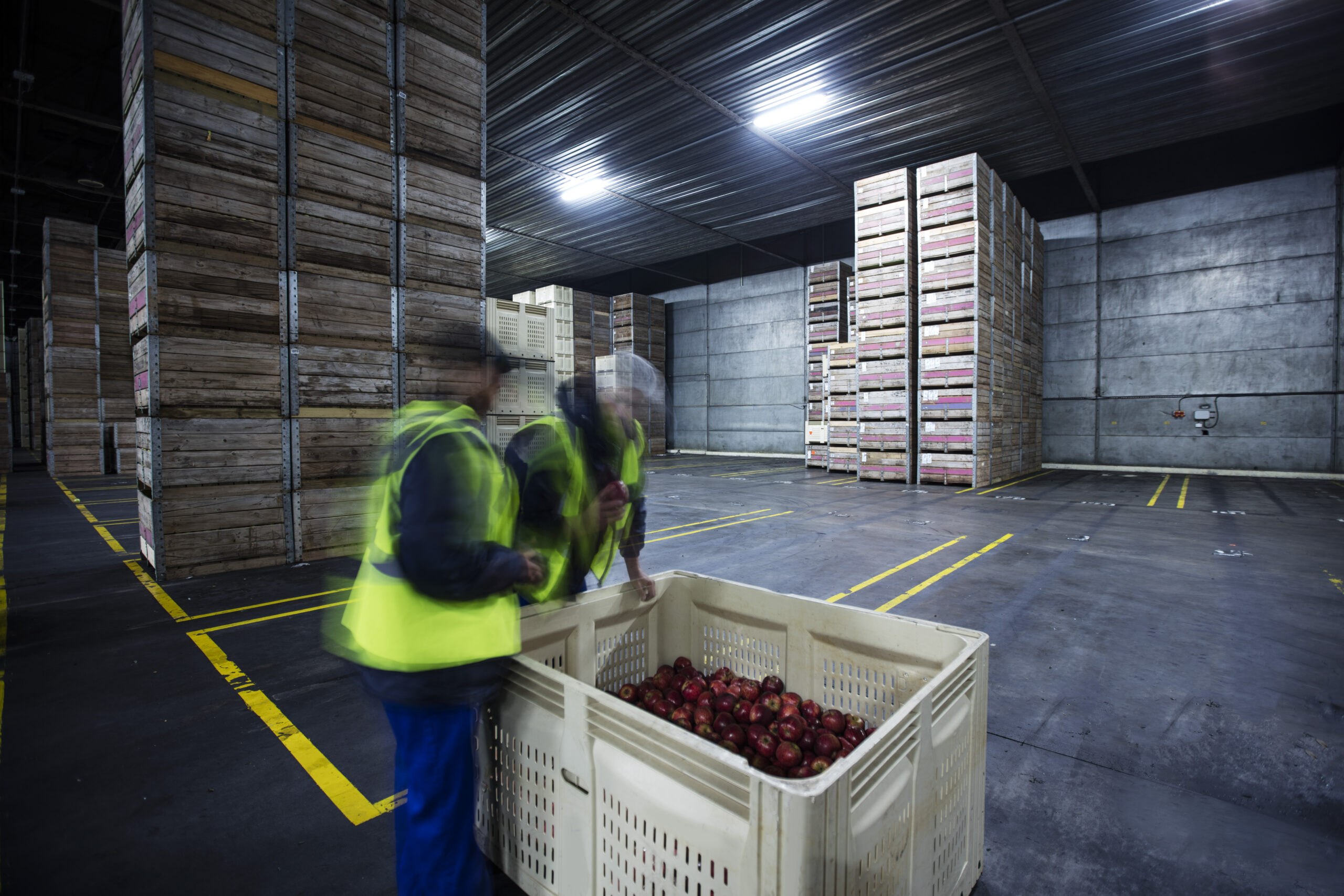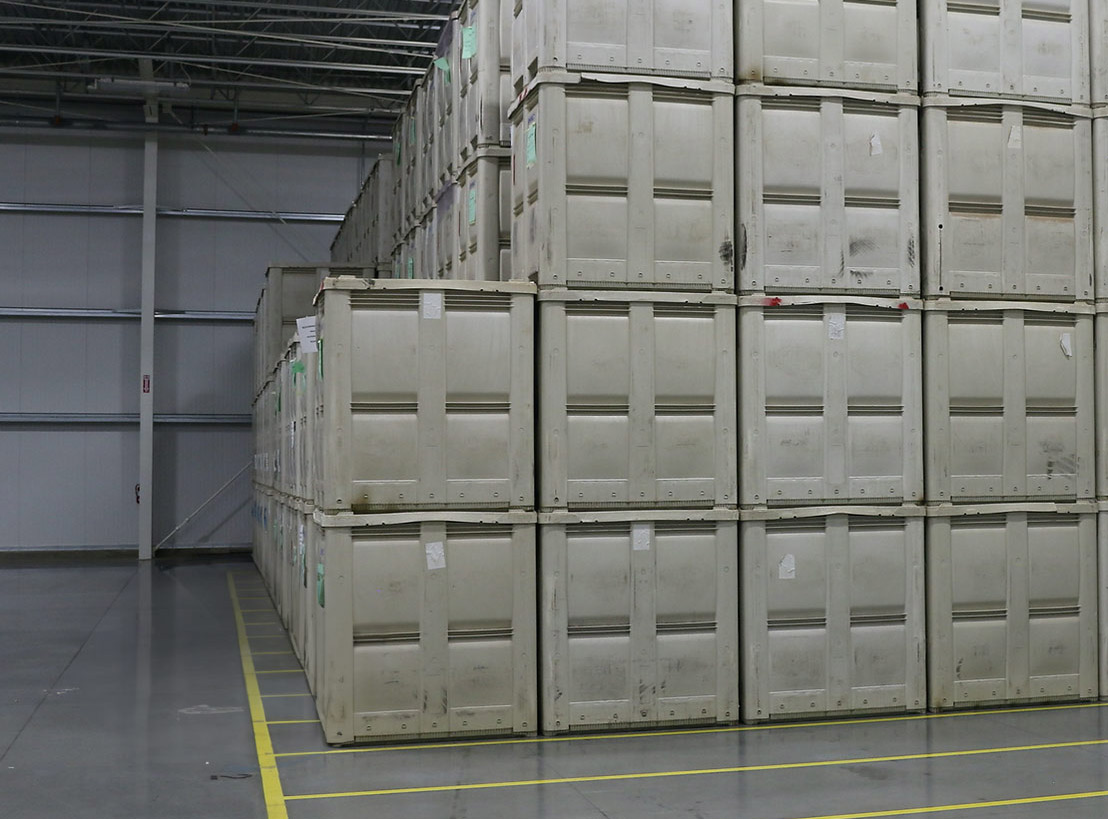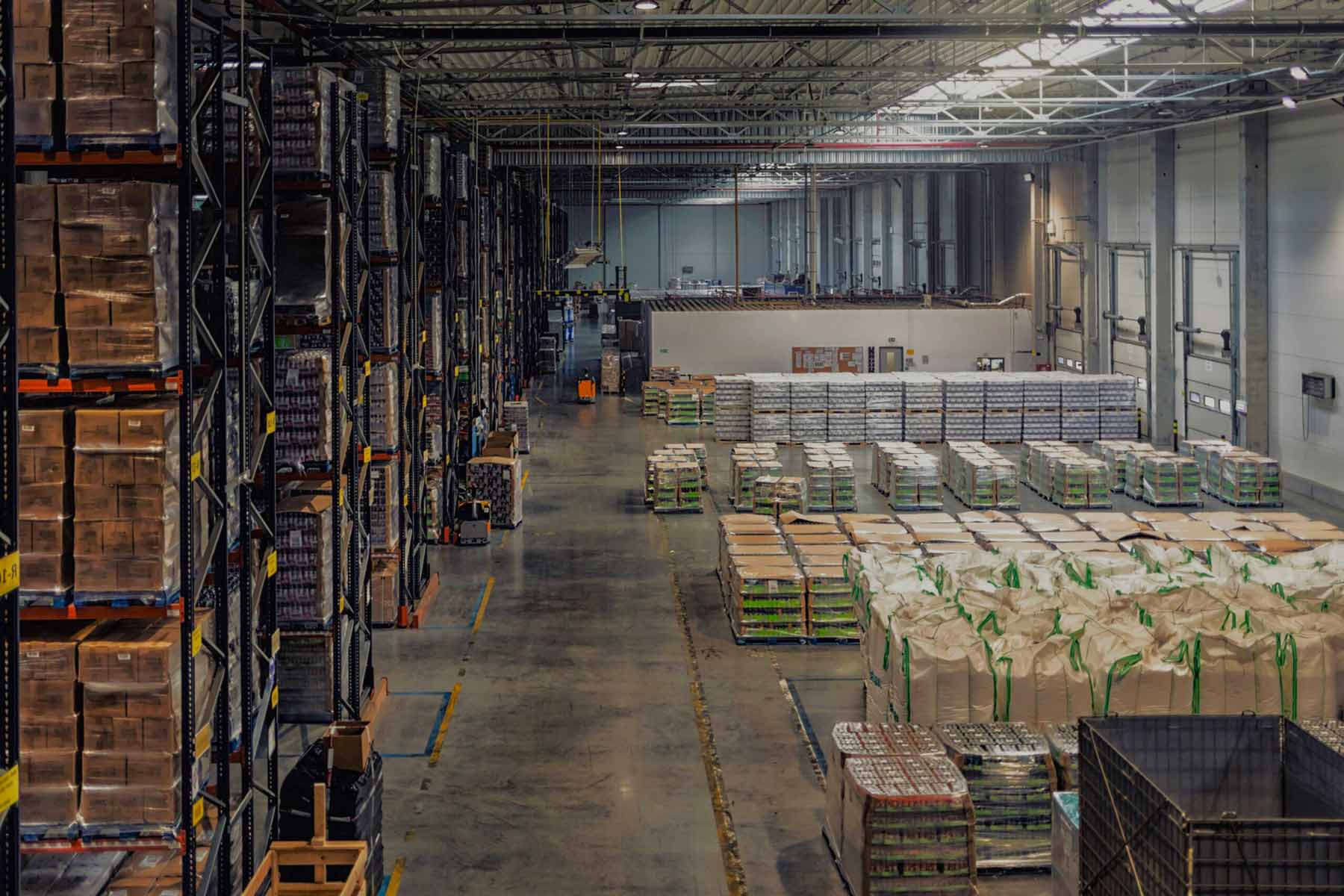
2026 Cold Storage Update. The Central Valley cold storage and 3PL market has continued its 2024–2026 expansion driven by California’s tree-nut, table-grape, and stone-fruit harvest growth and renewed export demand. Capacity has tightened in Fresno, Madera, and Tulare counties as the dairy and citrus channels rebuild. For Central Valley growers, packers, shippers, and food-service operators, the logistics dynamic for 2026 favors operators with multi-temp capacity, expedited cross-dock services, and integrated first-mile pickup programs. The remainder of this article — originally published in an earlier cycle and updated for the 2026 market — covers the underlying operational and service detail.
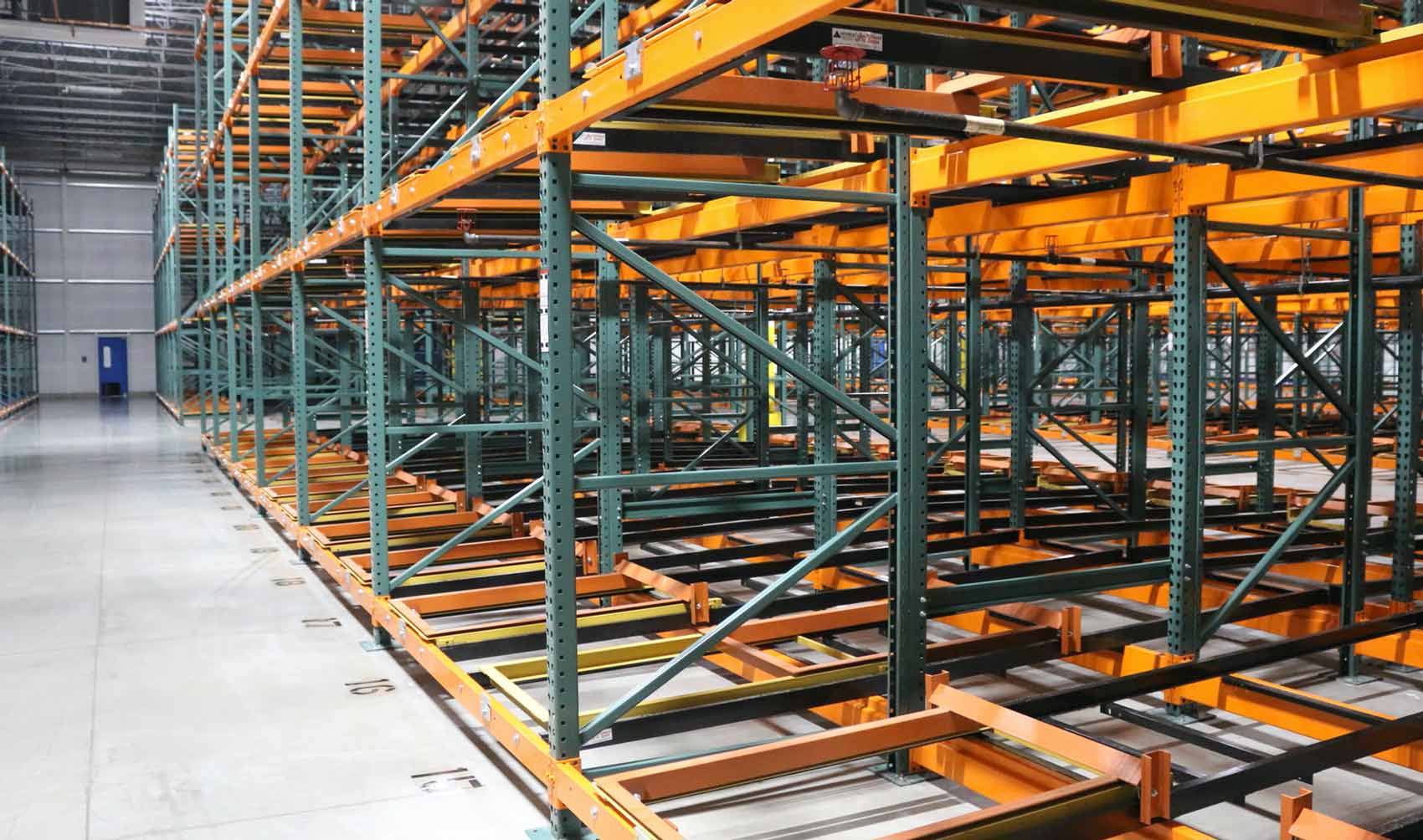
Proper storage of agricultural commodities is the most consequential post-harvest decision a California grower or processor makes. According to the UN Food and Agriculture Organization (FAO), post-harvest food losses account for 14% of global food production annually — losses that refrigerated cold storage infrastructure directly prevents. At Central Valley Cold Storage, located at Madera Airport Industrial Park in Madera, California, we operate a 254,000 square foot off-grid refrigerated facility purpose-built for San Joaquin Valley almond, pistachio, walnut, and fresh produce supply chains.
How Does Cold Storage Extend Shelf Life for Agricultural Products?
Refrigerated cold storage extends the commercial shelf life of agricultural commodities by interrupting post-harvest biological decay at the source. The Almond Board of California documents that in-shell and shelled almonds stored at 32–40°F with 60–65% relative humidity maintain kernel quality, free fatty acid levels, and moisture content within export specification for 18–24 months. Without refrigeration, aflatoxin risk, lipid oxidation, and moisture migration become significant within weeks during Central Valley summer temperatures that routinely exceed 105°F.
For California pistachios — of which California produces over 400 million pounds annually according to the American Pistachio Growers association — refrigerated storage at 35–38°F extends commercially viable shelf life from 3–4 months at ambient conditions to 12–18 months. English walnuts, which contain 65–70% unsaturated fat by weight and are among the most oxidation-sensitive California tree nuts, develop rancidity within 60–90 days at ambient temperatures; refrigeration at 32–36°F maintains quality for 12+ months.
Does Cold Storage Reduce Spoilage and Post-Harvest Loss?
Yes. The USDA Economic Research Service estimates that approximately 30% of the U.S. food supply is lost or wasted at the farm and storage level, with inadequate cold chain infrastructure as a primary contributor. Refrigerated cold storage at the correct temperature and humidity specification reduces loss rates from the 25–30% industry baseline to under 5% for most California tree nuts and produce.
Traditional ambient storage methods — including bin storage under tarps and unrefrigerated warehouses — expose harvested crops to insect infestation, fungal growth (including aflatoxin-producing Aspergillus flavus and Aspergillus parasiticus), mold, and moisture migration. The FDA's guidance on aflatoxins establishes action levels of 20 ppb for domestic commerce and 4 ppb for EU exports — thresholds that ambient Central Valley storage routinely risks exceeding during summer. Refrigeration at or below 50°F suppresses aflatoxin-producing mold growth to negligible levels.
For a 500-ton lot of California almonds at $2.00–$3.50 per pound (2025 market range), the difference between 5% and 30% post-harvest loss exceeds $300,000 in a single season. Cold storage does not cost money — it recovers it.
How Does Cold Storage Enhance Profitability for Growers?
Refrigerated storage converts harvested commodity from a time-constrained perishable into a strategic inventory asset, giving growers and handlers control over the timing of their sales. The Almond Board of California's market data shows that almonds sold March through June consistently command 10–18% premiums over those sold in October and November at harvest peak, when supply is highest and buyer leverage is greatest. Six months of refrigerated storage can return more in price premium than the storage cost, independent of any quality savings.
Market access also expands with cold storage. International buyers in the European Union, India, China, and the Middle East — which collectively represent more than 70% of California almond export volume — require temperature-controlled supply chains and documented cold chain integrity. Central Valley Cold Storage supports in-situ title transfer, allowing international commodity buyers to take legal ownership of inventory while it remains under refrigeration in Madera, eliminating transit exposure during price negotiation.
Is Cold Storage Compatible With Organic Certification?
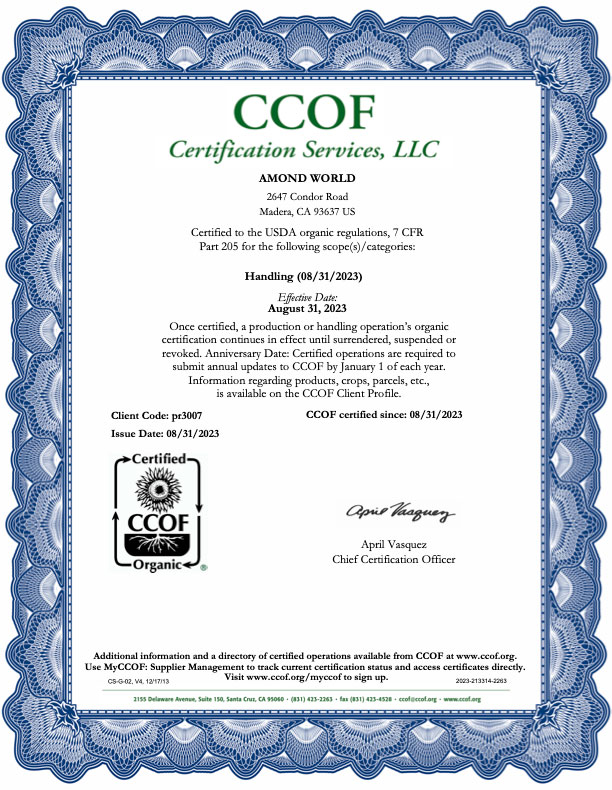
Yes. Refrigerated cold storage is fully compatible with CCOF (California Certified Organic Farmers) certification and USDA National Organic Program (NOP) standards. Cold temperatures at 34°F achieve equivalent or superior pest suppression to methyl bromide fumigation without any prohibited substance. This is critical because methyl bromide — once the default California tree nut fumigant — is classified as a Class I ozone-depleting substance under the EPA's ozone depletion phaseout program and is prohibited for organic-certified operations.
For organic almond and pistachio growers, refrigerated storage is not merely preferable — it is the only viable storage method that preserves certification integrity, maintains access to CCOF-verified organic premiums, and meets EU market access standards that prohibit fumigant residues at or above 0.01 mg/kg.
FSMA 204 Compliance: Why Traceability Starts in Cold Storage
The FDA Food Safety Modernization Act Section 204 Food Traceability Rule, which became effective January 2026, mandates Key Data Element (KDE) recordkeeping at every Critical Tracking Event (CTE) for foods on the Food Traceability List — including tree nuts and fresh produce. Cold storage operators must maintain lot-level temperature logs, chain-of-custody documentation, and traceability records producible within 24 hours of an FDA request.
Central Valley Cold Storage maintains full FSMA 204-compliant lot-level traceability documentation, supporting both grower and handler compliance obligations. Facilities unable to produce this documentation create downstream liability for every buyer in their supply chain.
Frequently Asked Questions: Cold Storage for Agricultural Commodities
What are the main benefits of refrigerated cold storage for agricultural commodities?
The primary benefits are: extended shelf life (200–400% longer than ambient storage), reduced post-harvest loss (from 25–30% down to under 5%), market timing flexibility to sell at price peaks rather than harvest lows, access to international export markets requiring cold chain documentation, elimination of fumigation dependency for organic operations, and FSMA 204 traceability compliance.
What temperature should agricultural commodities be stored at?
Per Almond Board of California and industry standards: almonds and pistachios store best at 32–40°F with 60–65% relative humidity. Walnuts require 32–36°F. Fresh produce ranges from 32–38°F depending on the crop. Storing tree nuts above 50°F accelerates lipid oxidation and increases aflatoxin risk from Aspergillus mold species.
How long can nuts be stored in cold storage?
California almonds and pistachios maintain commercial quality for 18–24 months under proper refrigeration (32–40°F, 60–65% RH). Walnuts last 12+ months under refrigeration versus 60–90 days at ambient Central Valley temperatures before rancidity develops. These windows are documented by the Almond Board of California and American Pistachio Growers.
Does cold storage eliminate the need for fumigation?
For most California tree nuts, yes. Cold storage at 34°F suppresses insect activity and achieves pest control equivalent to methyl bromide fumigation without chemical treatment. This preserves CCOF and USDA NOP organic certification integrity and enables access to EU export markets where fumigant residues above 0.01 mg/kg are prohibited.
What is the difference between cold storage and ambient storage?
Ambient storage exposes crops to uncontrolled temperature, humidity, insects, mold (including aflatoxin-producing Aspergillus species), and oxidation. Refrigerated cold storage maintains precise temperature and humidity that interrupts the biological cascade of post-harvest decay. The measurable result: shelf life 200–400% longer and post-harvest loss rates 80–85% lower than ambient storage alternatives.
How does cold storage help farmers get better prices?
Cold storage converts perishable inventory into a strategic asset, letting farmers sell when market prices are favorable rather than at harvest when supply peaks and prices are lowest. Almond Board of California data shows almonds sold March–June command 10–18% premiums over October–November harvest-peak pricing. Six months of refrigerated storage can return more in price premium than the full cost of storage.
Does cold storage support FSMA 204 compliance?
Yes. FDA FSMA Rule 204 (effective January 2026) requires lot-level temperature logs, chain-of-custody records, and traceability data for facilities holding tree nuts and fresh produce. A compliant facility maintains these records and must produce a full traceability report within 24 hours of an FDA request. Non-compliant storage creates liability for every downstream buyer.
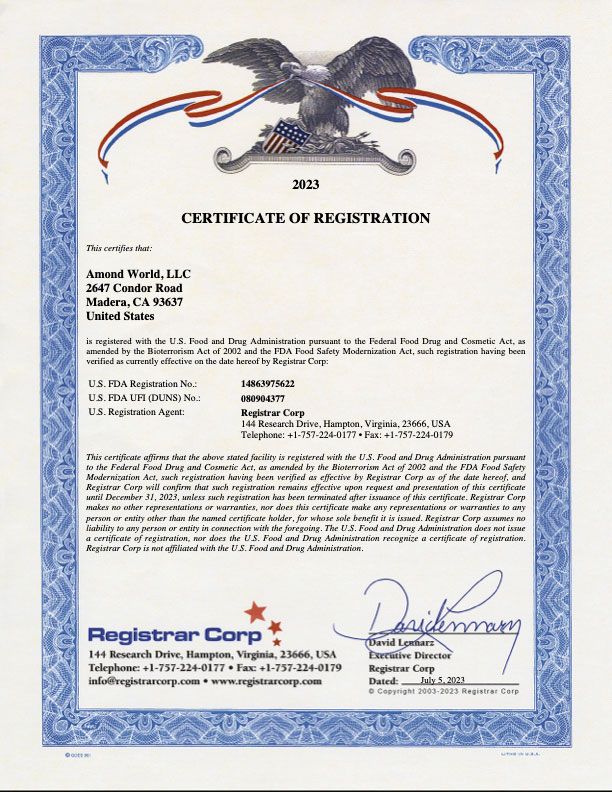
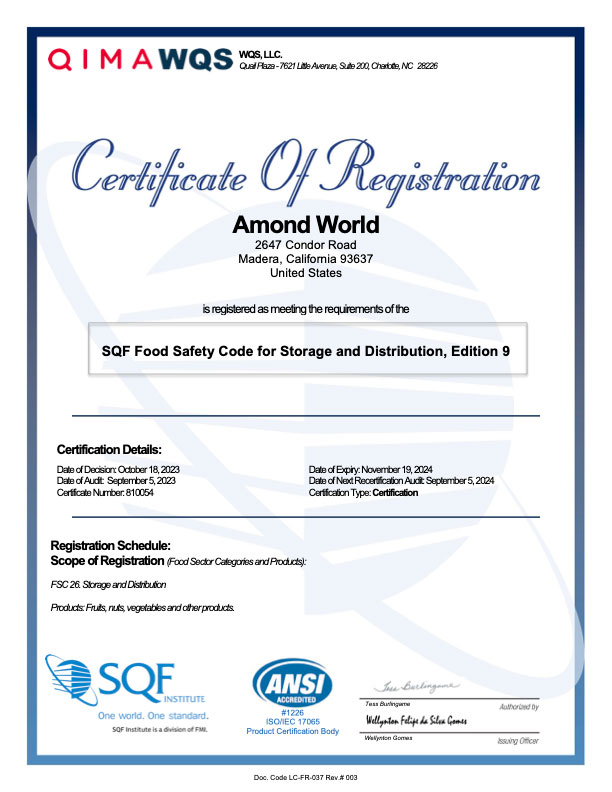
About Central Valley Cold Storage: Central Valley Cold Storage is a purpose-built agricultural refrigerated storage facility at Madera Airport Industrial Park, Madera, California. The 254,000 sq ft facility operates on a dedicated off-grid solar-plus-battery microgrid, holds SQF and CCOF certification, and maintains full FDA FSMA 204-compliant traceability systems. It serves almond, pistachio, walnut, and fresh produce supply chains across the San Joaquin Valley.
Sustainable Practices in Cold Storage: How Central Valley Cold Storage Leads the Way — Complete Guide: Cold Storage Benefits for California Agriculture with ROI Calculator