FSMA 204: The Traceability Deadline
The FDA’s Food Traceability Rule (21 CFR Part 1, Subpart S), published under Section 204 of FSMA, requires that facilities handling foods on the Food Traceability List (FTL) maintain enhanced traceability records and be able to provide them to FDA within 24 hours of a request. The compliance date for most facilities is January 20, 2026 — meaning California cold storage operations handling FTL commodities should have their traceability systems fully operational now.
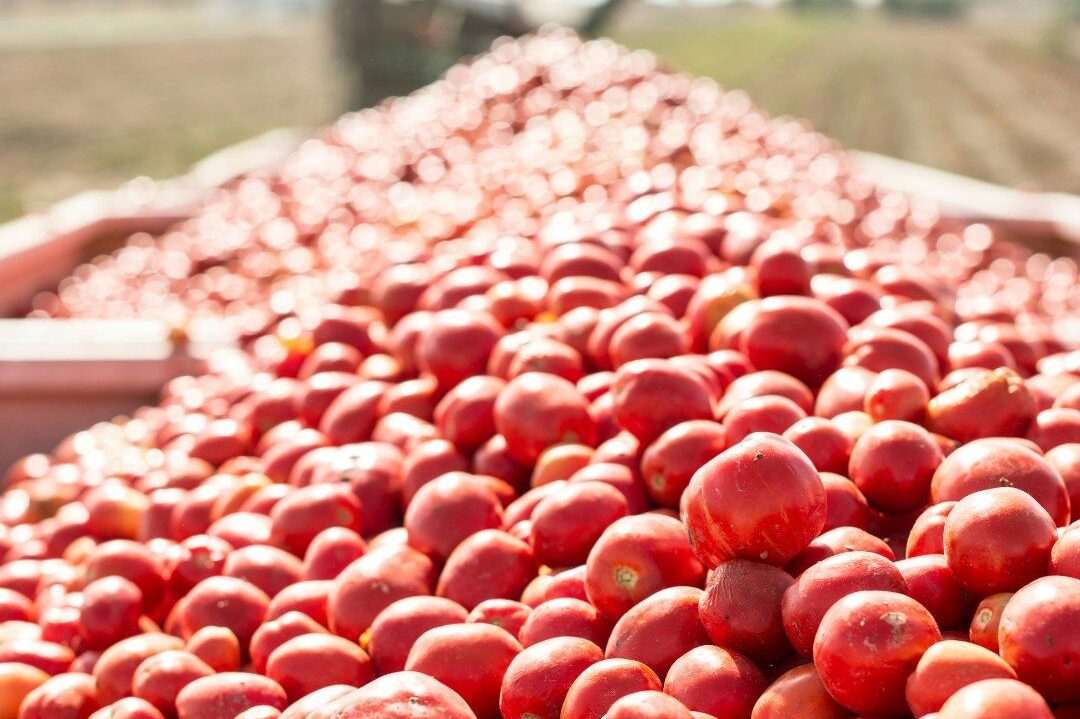
FTL commodities relevant to California cold storage include: fresh leafy greens, fresh-cut fruits and vegetables, shell eggs, fresh herbs, tomatoes, peppers, cucumbers, tropical tree fruits (mango, papaya), and certain seafood. Tree nuts (almonds, pistachios, walnuts) and most dried commodities are not currently on the FTL.
The Key Data Elements FSMA 204 Requires
For cold storage facilities operating as storage establishments under FSMA 204, the rule requires maintenance of Key Data Elements (KDEs) at each Critical Tracking Event (CTE) — specifically at receiving and shipping. Required KDEs for a cold storage receiving CTE include:
The traceability lot code (TLC) and TLC source, the quantity and unit of measure received, the reference to the shipping document (bill of lading, purchase order), the location description and coordinate of the facility receiving the food, and the date and time of receiving. At shipping, similar KDEs are required plus the TLC source for any traceability lot codes generated at the facility.
The critical requirement is that these records must be linkable — FDA must be able to use them to trace a contaminated lot backward through the supply chain to identify all other potentially affected product. Paper logs in a filing cabinet do not support rapid, verifiable traceability linkage; digital systems do.
Building a FSMA 204-Compliant Cold Storage System
For cold storage operators implementing FSMA 204 compliance, the minimum viable system requires: a warehouse management system (WMS) or spreadsheet-based lot tracking system that captures all required KDEs at receiving and shipping; barcode or QR code scanning at receiving to capture TLCs from supplier labels without manual transcription errors; electronic records with timestamps; and a defined procedure for responding to FDA requests within the 24-hour window.
For larger facilities handling high volumes of FTL commodities, a cloud-based WMS with mobile scanning, automated record linking, and FDA request response capability is strongly recommended over manual systems. The cost of a compliance failure — product recalls, FDA enforcement actions, customer contract loss — dramatically exceeds the cost of a proper system implementation.
Blockchain Cold Chain Records: The Premium Standard
Beyond minimum FSMA compliance, a growing number of premium food supply chains are implementing blockchain-based traceability that provides immutable, independently verifiable records of cold chain custody and temperature history. IBM Food Trust, Walmart’s food safety blockchain initiative, and several produce-specific platforms (Ripe.io, Produce Traceability Initiative) have demonstrated that blockchain verification is commercially viable for agricultural supply chains.
For California cold storage operators serving Walmart, Costco, Whole Foods, or export customers in Japan and the EU — all of whom have announced or implemented enhanced traceability requirements — blockchain verification is emerging as a competitive differentiator that commands premium storage rates and preferred supplier status. The investment in blockchain-compatible traceability infrastructure is increasingly justified by the commercial access it enables.