Cold Storage Near Me: Finding Agricultural Refrigerated Warehousing in California’s Central Valley
When you search for cold storage near you in the Central Valley, you are really asking two questions: which facility is closest, and which facility is best for my specific crop? Those are different questions with different answers. A cold storage facility 20 miles away that cannot handle your temperature requirements is worse than one 60 miles away that can.
This guide maps cold storage options across the Central Valley by region and crop type, so you can find the right facility, not just the nearest one.
Central Valley Cold Storage by Region
Fresno: The Hub
Fresno is California’s largest agricultural county by value and the primary cold storage hub for the southern San Joaquin Valley. United States Cold Storage operates a major facility on East North Avenue. Multiple smaller operators serve specialized crops.
Best for: High-volume operations needing multiple facility options, table grapes (Fresno County is the largest grape-producing county in the US), and operations shipping through the Port of Oakland.
Limitation: Premium pricing due to demand. During peak harvest (August-October), capacity fills quickly.
Madera: The Growing Alternative
Madera sits at the geographic center of the Central Valley’s nut-growing region. The Madera Airport Industrial Park has become an emerging hub for cold storage and agricultural processing, with new off-grid microgrid infrastructure providing energy independence.
Best for: Almond and pistachio growers in Madera, Merced, and northern Fresno counties. Facilities here typically offer competitive pricing compared to Fresno with shorter transit times for northern Valley growers.
Key advantage: Off-grid solar infrastructure means zero grid-failure risk. Learn about off-grid cold storage in Madera.
Tulare and Visalia: Stone Fruit and Dairy Country
Visalia and Tulare serve Tulare County, the top dairy-producing county in the nation and a major stone fruit region. Cold storage here tends to specialize in perishable produce requiring rapid pre-cooling and high-humidity environments.
Best for: Stone fruit operations (peaches, nectarines, plums), dairy product storage, and citrus.
Bakersfield and Kern County: Southern Valley
Bakersfield serves the southern end of the Valley and provides strategic access to the Port of Los Angeles and Long Beach for export operations. Kern County is a major almond and pistachio producer.
Best for: Operations shipping to Southern California markets or through LA/Long Beach ports. Almond and pistachio growers in southern Kern County.
Merced and Turlock: Processing Hub
Merced and Turlock in Stanislaus and Merced counties serve a mix of dairy processing, stone fruit, and nut operations. Turlock has multiple processing plants that need adjacent cold storage.
Best for: Operations that combine processing and storage, dairy product logistics, and growers in the northern Valley.
Hanford: Kings County
Hanford in Kings County serves a concentrated dairy and nut growing region between Fresno and Bakersfield.
Choosing by Crop Type
Almonds
Almond growers need facilities with precise 32-36 F temperature control, 65-70% relative humidity, and ideally fumigation-free storage for organic lots. Fresno and Madera are the primary options, with Madera offering proximity advantages for northern Valley orchards. See our complete almond cold storage guide.
Pistachios
Pistachios require even stricter moisture control (below 7% to prevent aflatoxin) and dedicated monitoring. Not all facilities have pistachio-specific expertise. Review pistachio cold storage best practices.
Stone Fruit
Stone fruit demands rapid pre-cooling (within 2 hours of harvest per UC Davis guidelines), 30-32 F storage, and 90-95% humidity. Tulare/Visalia facilities specialize in these requirements. See our stone fruit cold storage guide.
Table Grapes
Grapes need ethylene-free isolation, consistent 30-32 F temperature, and often SO2 management. Fresno County facilities handle the bulk of California’s table grape storage. Review table grape cold storage requirements.
Citrus
Citrus stores at warmer temperatures (38-48 F) and benefits from proximity to packing operations and shipping ports. See citrus cold storage guidelines.
Why Location Matters: First-Mile Cooling and Drayage
Every hour between harvest and cold storage costs you quality and money. For produce, UC Davis research shows that rapid pre-cooling within 2 hours of harvest preserves texture, reduces decay, and extends shelf life significantly compared to delayed cooling.
For export operations, drayage to the Port of Oakland from Madera is approximately 170 miles (3 hours). From Bakersfield, it is 280 miles (5 hours). This difference affects transit costs, driver hours, and the amount of time product spends on a truck rather than in climate-controlled storage.
For a detailed look at drayage economics, see our storage solutions comparison for Madera.
What to Look for in Any Facility
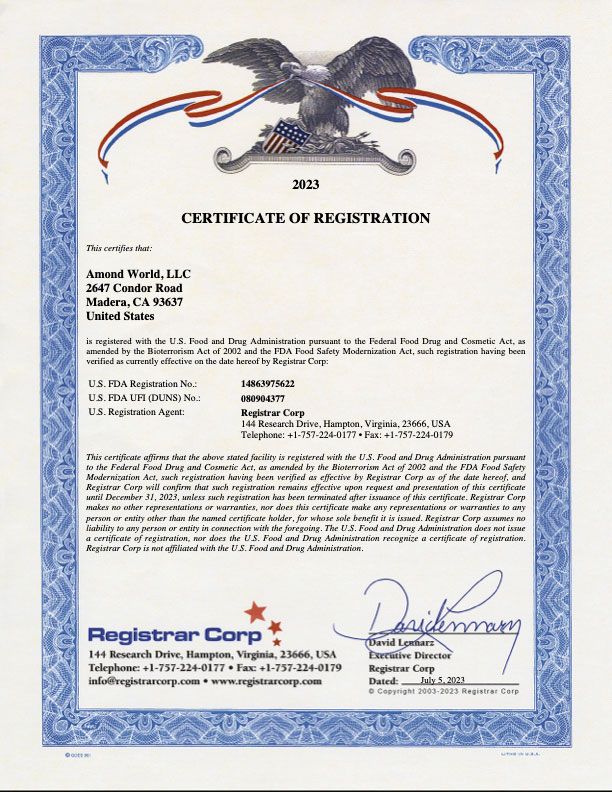
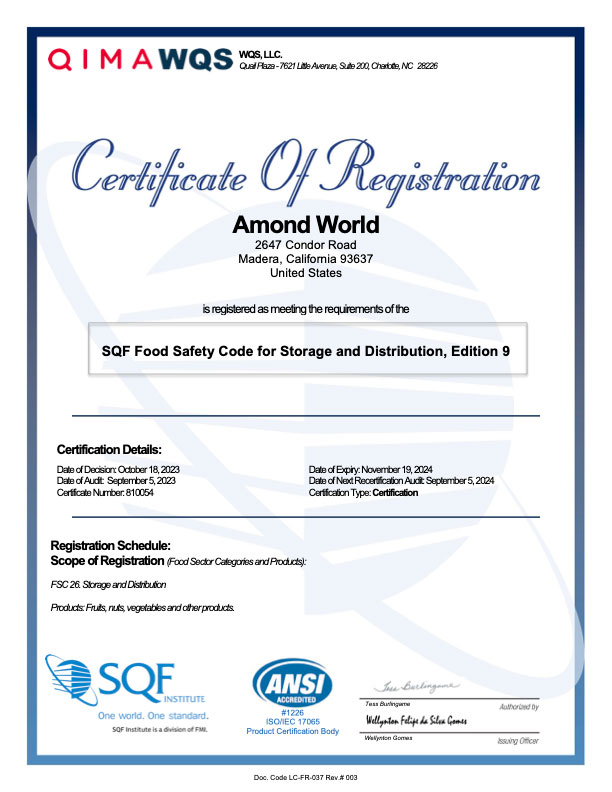
Regardless of location, evaluate every cold storage facility on these criteria: temperature zone flexibility, FSMA 204 compliance, backup power systems, food safety certifications (SQF/BRC), and pricing transparency. Our warehouse comparison guide provides a detailed framework.
FAQ: Cold Storage Near Me in Central Valley
A: No. A facility 20 miles away that cannot maintain your temperature requirements is worse than one 60 miles away that can. Match the facility to your crop first, then optimize for distance.
A: For stone fruit and grapes, keep transit under 2 hours to ensure pre-cooling happens before quality loss. For nuts, 3-4 hours is acceptable since they are less perishable during transit.
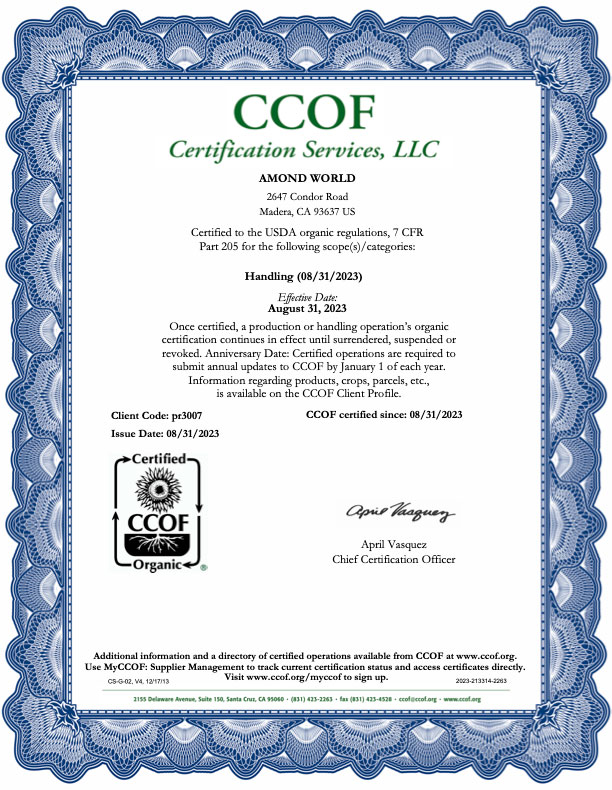
A: Yes. Several Central Valley facilities offer organic-certified, fumigation-free storage. This requires dedicated chambers with no chemical residue and is essential for maintaining organic certification.
A: Any reputable facility will offer tours. If a facility refuses a site visit, that is a red flag.
A: Ask about their utilization rate during August-October. Facilities running above 90% during peak may not have room for your crop. Book early, ideally 2-3 months before harvest.
A: Madera and Fresno offer the best balance of proximity to growing regions and access to the Port of Oakland. Bakersfield is better positioned for shipments through LA/Long Beach ports.
Looking for cold storage in the Central Valley? Central Valley Cold Storage in Madera offers multi-zone temperature control, FSMA compliance, off-grid solar backup, and organic-capable storage. Request a quote or schedule a facility tour today.