Why Organic Cold Storage Certification Matters
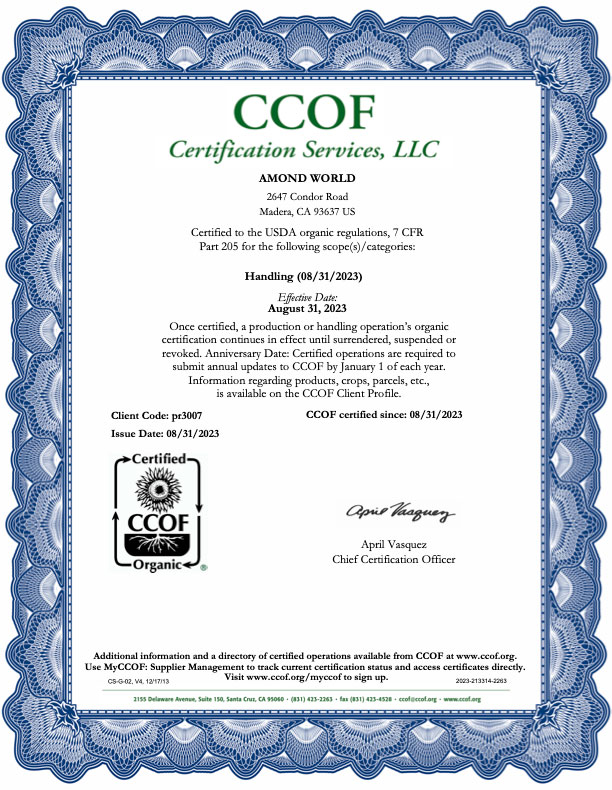
The National Organic Program (NOP), administered by USDA Agricultural Marketing Service, requires that organic products be handled only by certified organic operations — including the cold storage and warehousing facilities that hold organic inventory. A handler or exporter who stores certified organic product at a non-NOP-certified cold storage facility is technically in violation of organic regulations, which can result in loss of organic certification for the affected lots and potential civil penalties.
For California’s robust organic agricultural sector — which includes significant volumes of organic almonds, organic pistachios, organic citrus, organic leafy greens, and organic stone fruit — organic cold storage certification is an operational prerequisite for any facility serving organic markets. It is not optional.
What NOP/CCOF Organic Handler Certification Requires
To achieve organic handler certification, a cold storage facility must develop and implement an Organic System Plan (OSP) — a written document that describes all practices and materials used in organic handling operations. Key components include:
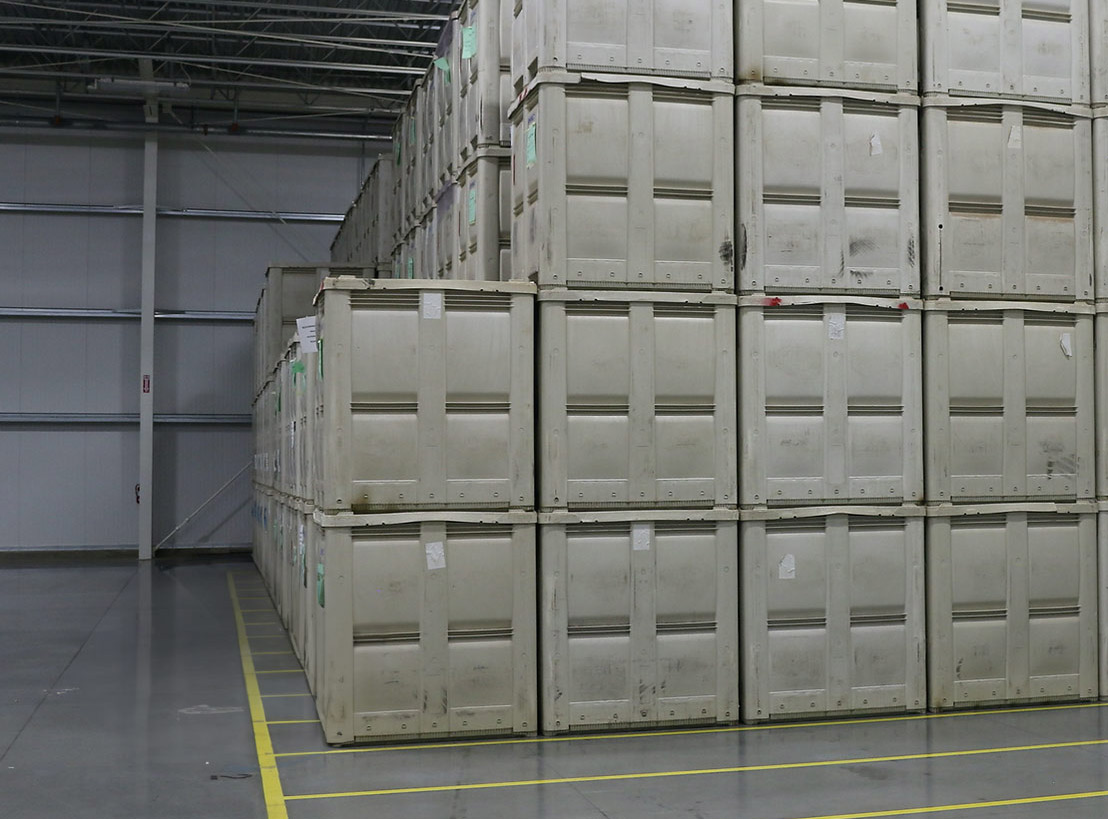
Physical segregation plan: A documented procedure for maintaining physical separation between organic and conventional product in all storage, receiving, and staging areas. Segregation can be achieved through separate storage rooms, designated storage zones with clear labeling, or temporal separation (organic handled before conventional in a shared space with cleaning verification between uses). A floor plan showing organic and conventional zones must be included in the OSP.
Cleaning and sanitation procedures: Documentation of all cleaning materials used in organic storage areas (all must be on the NOP-compliant materials list), cleaning procedures that prevent cross-contamination, and records of cleaning activities.
Pest management plan: Organic handling permits only NOP-approved pest management substances. Facilities must demonstrate that no prohibited pesticides or fumigants are used in organic storage areas. This is particularly relevant for cold storage facilities that also handle conventional nuts (where methyl bromide or phosphine fumigation may occur) — organic and conventional must be clearly separated and the fumigation of conventional lots must be managed to prevent any contact with organic storage areas.
Record keeping: Complete lot tracking records showing the chain of custody for organic products from receipt to release, including incoming certificates of organic status, storage location records, and outbound documentation maintaining organic integrity.
The Organic Premium and Storage Rate Implications
Organic almonds command a 25–50% price premium over conventional at current California markets. Organic pistachios and walnuts carry similar premiums. The value of maintaining organic certification through the cold storage link in the supply chain is directly reflected in these premiums — loss of organic status due to a documentation failure or improper segregation can cost a shipper $0.50–1.50/lb on their entire affected lot.
Certified organic cold storage typically carries a modest rate premium (5–15%) over conventional cold storage — reflecting the additional documentation, segregation infrastructure, and certification audit cost. For organic shippers, this premium is clearly justified given the product value at stake.
Annual CCOF Audit Process
CCOF (California Certified Organic Farmers) is the largest organic certifier in California and one of the most respected nationally. Annual certification requires an on-site inspection by a CCOF inspector who reviews: the OSP for completeness and accuracy, facility records for the past year, physical storage conditions and segregation practice, cleaning and pest management records, and any organic lots currently in storage.
Common finding areas in cold storage audits: insufficient labeling of organic vs. conventional zones, incomplete receiving records for incoming organic lots, and pest management applications that weren’t documented or used non-approved materials. Maintaining clean audit-ready records throughout the year — rather than assembling them for the annual inspection — is the single most effective way to achieve consistently clean CCOF audits.