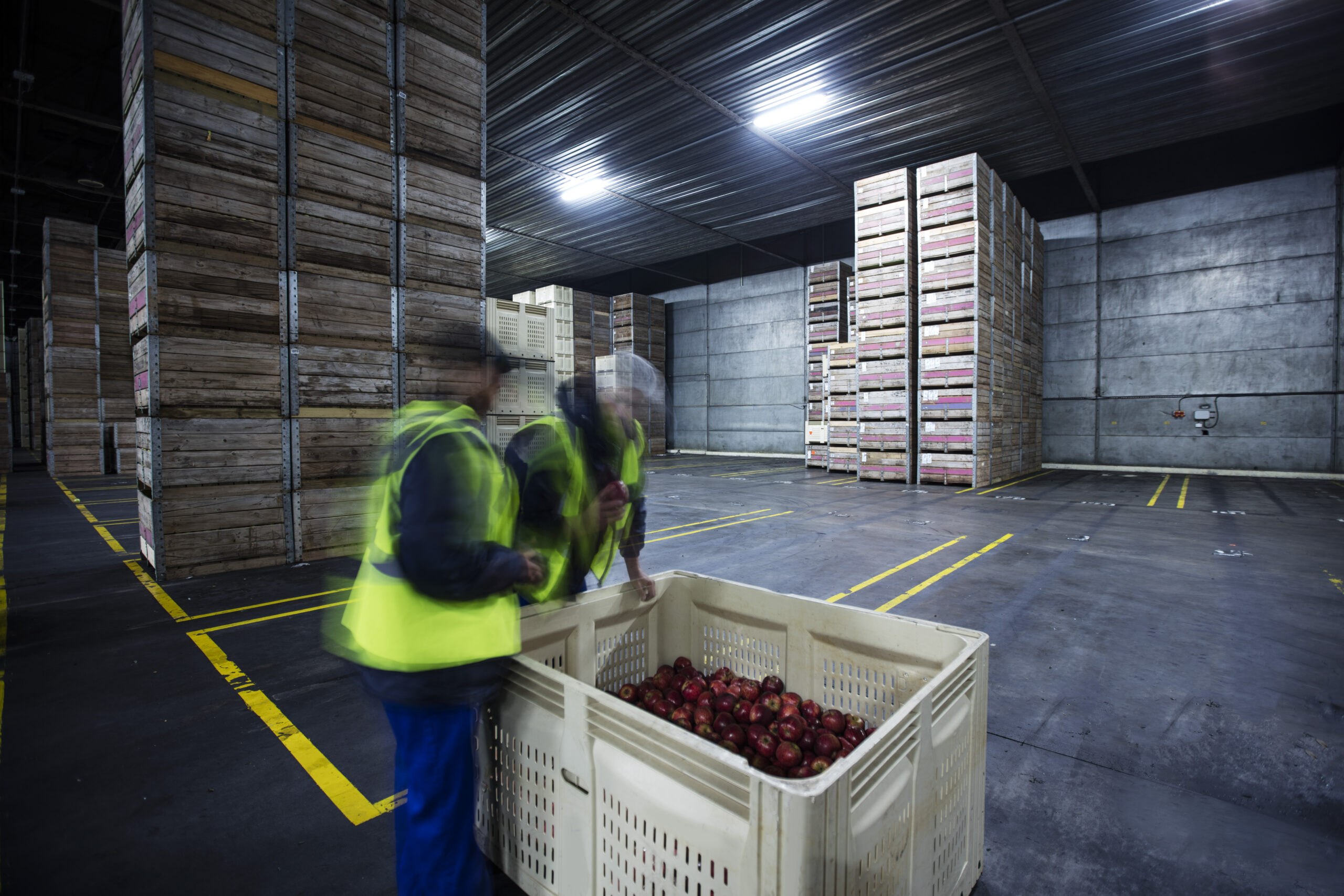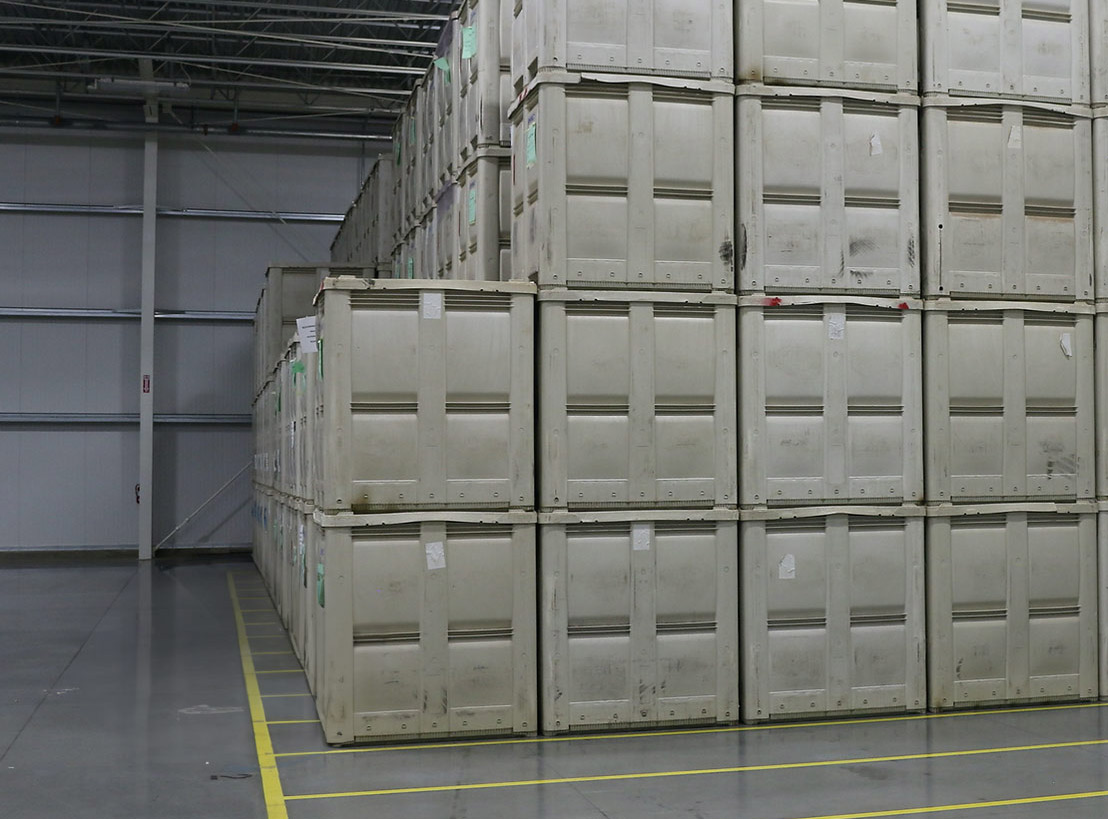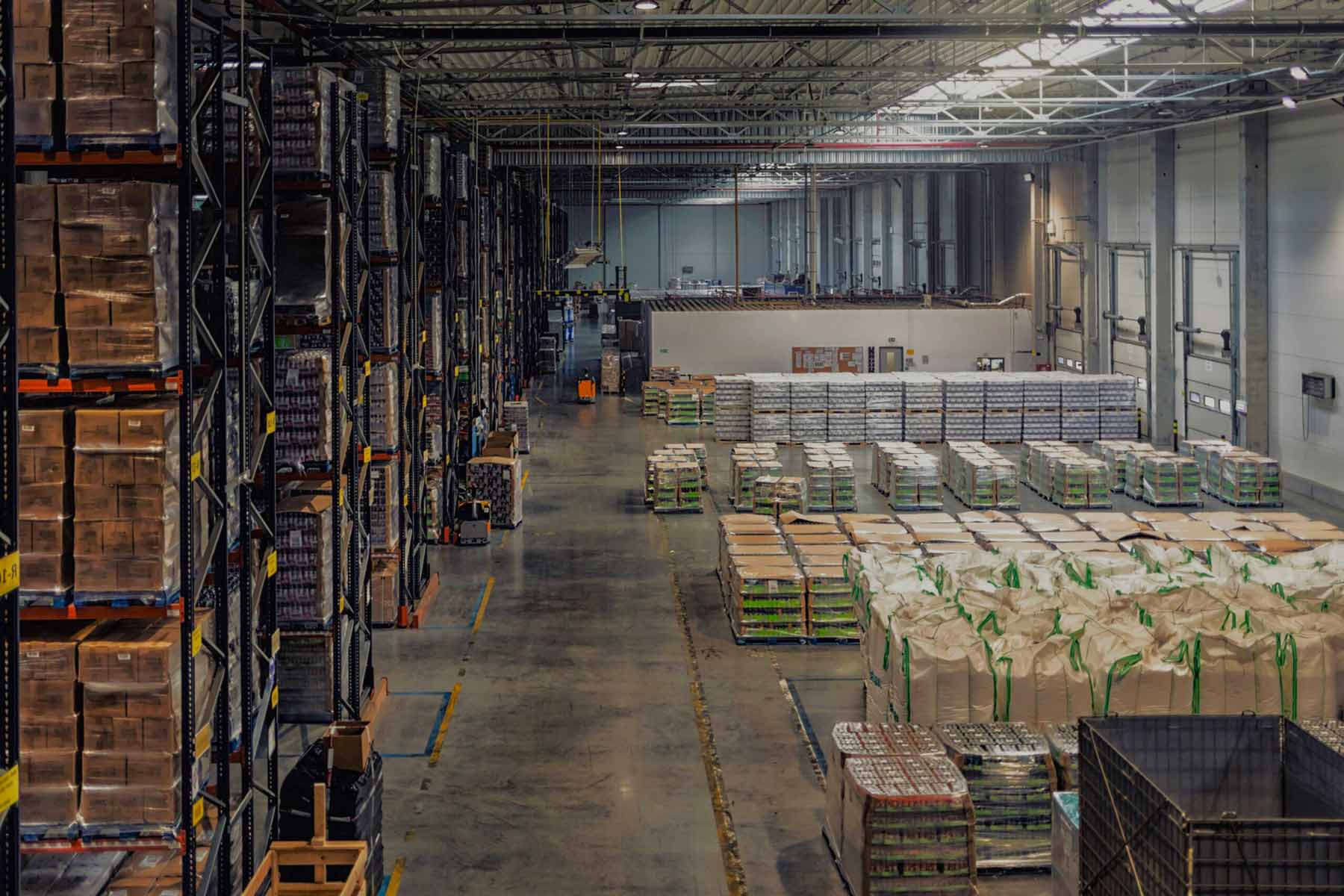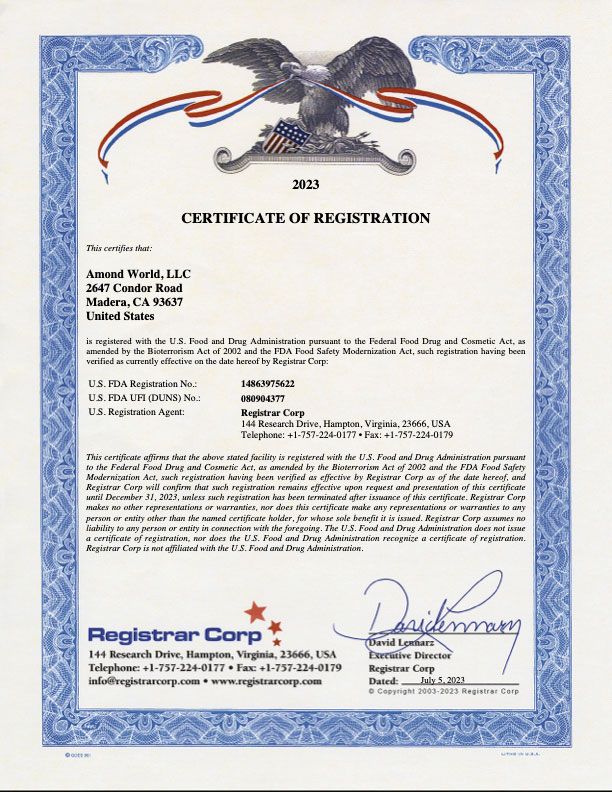

As a Logistics Technology Specialist, I have observed that the most resilient supply chains are those that decouple physical movement from legal possession. Transfer of Ownership (TOO) allows sellers to transfer the legal title of commodities while the product remains in-situ at a certified facility like Central Valley Cold Storage (CVCS). This strategic maneuver eliminates “empty miles,” reduces handling damage, and allows the buyer to take ownership at a certified hub, significantly lowering the seller’s liability during transit. By leveraging these services, sellers can realize revenue faster, effectively using cold storage as a financial clearinghouse rather than just a temperature-controlled warehouse.
Redefining the Middle Mile
The traditional middle mile is characterized by a “push” logistics model, where sellers bear the burden of transporting goods to a location specified by the buyer. During this transit period, the seller retains full liability for spoilage, carrier negligence, and market fluctuations. If a truck is delayed or involved in an accident, the seller’s capital is tied up in a distressed asset. Transfer of ownership services redefine this phase by transforming the middle mile into a “pull” model managed at a centralized hub.
When a seller utilizes TOO at CVCS, the middle mile is effectively shortened. The product arrives at the hub, undergoes a rigorous quality inspection, and is then held in a “neutral” state. The legal transaction occurs within the facility’s digital ledger. This prevents the unnecessary physical shuffling of pallets—a process known as “touching the product”—which is a primary cause of packaging failure and bruising in fresh produce. By stabilizing the product in a controlled environment while the financial transaction clears, both parties insulate themselves from the volatility of the spot freight market and the physical risks of the road.
Furthermore, this model provides a hedge against fuel price volatility. In a standard FOB (Free on Board) destination contract, the seller is at the mercy of rising diesel prices until the moment of delivery. By utilizing transfer of ownership at a centralized cold storage facility, the seller can finalize the sale closer to the point of origin, shifting the logistical burden of the “final mile” to the buyer’s preferred carrier network at a predetermined price point.
The Legal Mechanics of TOO
From a technical and legal perspective, transfer of ownership services rely on the issuance and transfer of warehouse receipts and bills of lading within a secure custodial framework. When goods enter CVCS, they are inventoried under the seller’s account. Upon the execution of a sales agreement, the warehouse management system (WMS) updates the title of those specific lots to the buyer’s account. This process is governed by the Uniform Commercial Code (UCC), specifically Article 7, which deals with documents of title.
For Enterprise RFP and Procurement Directors, the primary advantage here is the mitigation of “Transfer of Risk.” In a traditional scenario, risk transfers at the buyer’s dock. With TOO, the risk transfers the moment the title is updated in the cold storage system. This is a critical distinction for insurance purposes; once the title transfers at the CVCS dock, the seller’s insurance obligations cease, and the buyer’s coverage takes over. This immediate shift in fiduciary responsibility allows the seller to “close the books” on that inventory days or even weeks earlier than if they had waited for a cross-country delivery.
This mechanism also facilitates faster Revenue Recognition (ASC 606). Under modern accounting standards, revenue can be recognized when “control” of the goods is transferred to the customer. By providing a verifiable, third-party confirmation of title transfer at the storage hub, sellers can accelerate their cash-to-cash cycle, improving their balance sheet liquidity and providing more capital for the next planting or harvesting cycle.
Reducing Carbon Footprint through Reduced Handling
In the current ESG (Environmental, Social, and Governance) climate, reducing the carbon footprint of the supply chain is no longer optional—it is a requirement for securing contracts with major retail and food service entities. Traditional agricultural logistics involve a high volume of “deadhead” miles (empty trucks) and redundant handling steps as product moves from cooler to distributor to sub-distributor.
By utilizing transfer of ownership services, the industry can significantly reduce its environmental impact. Because the product remains stationary at CVCS while the title changes hands, there is no need for a “just-in-case” move to a secondary warehouse. This “In-Situ” transfer model eliminates the carbon emissions associated with short-haul drayage and unnecessary idling at congested receiving docks.
Moreover, reduced handling leads to a direct reduction in food waste. Every time a pallet is moved by a forklift, there is a statistical probability of damage. In the delicate world of agricultural perishables, a single punctured carton can lead to ethylene gas leaks or mold outbreaks that jeopardize an entire shipment. TOO ensures that the product remains in its optimal temperature-controlled state, untouched and unbothered, until the buyer is ready for final distribution. This precision in logistics aligns with the “Simplified Middle-Mile Produce Logistics” framework, ensuring that the highest quality product reaches the consumer with the lowest possible environmental overhead.
Strategic Financial Comparison
To understand the fiscal impact of TOO, procurement teams must look beyond the base storage rate and analyze the total landed cost of the commodity. The following table illustrates the disparity between physical movement and title transfer at a centralized hub.
| Service | Physical Movement | Transfer of Ownership (TOO) |
|---|---|---|
| Handling Risk | High (Multiple Touchpoints) | Zero (Product Remains Stationary) |
| Freight Cost | $2.50+ / Mile (Subject to Surcharges) | $0 (Electronic Title Update) |
| Liability Shift | At Buyer’s Destination Dock | At CVCS Dock / Hub |
| Days Sales Outstanding (DSO) | 15–45 Days | 1–5 Days (Post-Arrival) |
Operational Liquidity and the Seller’s Advantage
The core USP of CVCS’s approach is simplified middle-mile logistics. For a seller, the ability to offload inventory into a high-tech facility and immediately begin the title transfer process creates a “buffer” against market fluctuations. If the market price for a commodity spikes, the seller can execute a TOO agreement in minutes, locking in profits without waiting for a truck to arrive or a driver to clear their hours-of-service (HOS) logs.
This creates a level of operational liquidity that is traditionally absent in the agricultural sector. Usually, inventory is a “frozen asset”—capital that is stuck in a box until it reaches a specific geographic coordinate. TOO thaws that capital. By utilizing a neutral, third-party cold storage provider as the point of sale, sellers can treat their inventory more like a financial instrument and less like a ticking clock of perishability.
For Procurement Directors, incorporating TOO into their RFP requirements allows them to build a more resilient vendor pool. They can purchase from smaller growers who may not have the fleet capacity to handle long-haul logistics but can deliver to a central hub. This diversifies the supply chain and reduces the systemic risk of relying on a few massive, vertically integrated suppliers.
Frequently Asked Questions
- Q: Is there a fee for Title Transfer?
A: CVCS provides transfer of ownership services for a nominal administrative fee. This cost is positioned far below the expense of a single truck move, cargo insurance adjustments, or the potential cost of “lost” inventory during transit. - Q: How does TOO affect product insurance?
A: The transfer of title marks the point where the seller’s insurance carrier is relieved of liability and the buyer’s carrier assumes it. CVCS provides the necessary timestamped documentation to satisfy both parties’ underwriters. - Q: Can TOO be integrated with our existing ERP?
A: Yes. Modern transfer of ownership services are managed via API-enabled Warehouse Management Systems, allowing for real-time inventory updates and seamless financial reconciliation within your Enterprise Resource Planning software.
Conclusion: A New Standard for Enterprise Logistics
The agricultural sector is at a crossroads where traditional logistics methods are colliding with modern financial demands. The “move-first, sell-later” mentality is being replaced by a more strategic “store, transfer, and optimize” approach. By utilizing transfer of ownership services at a centralized cold storage hub, sellers can effectively hedge against the myriad risks of the middle mile—from physical damage and carbon excess to delayed revenue recognition.
By standardizing these practices, enterprise procurement directors can ensure a more stable, transparent, and profitable flow of goods from the field to the fork.
Ready to modernize your logistics strategy?