Cold Storage, Dry Storage, and Controlled Atmosphere: What Madera Growers Need to Know
Searching for storage in Madera means you are likely a grower, handler, or logistics manager looking for the right facility to protect agricultural inventory. But not all storage is the same — and choosing the wrong type can cost you your crop. This page explains the three main categories of agricultural storage available in the Madera area and helps you determine which one your operation actually needs.
Cold Storage: Temperature-Controlled Refrigerated Warehousing
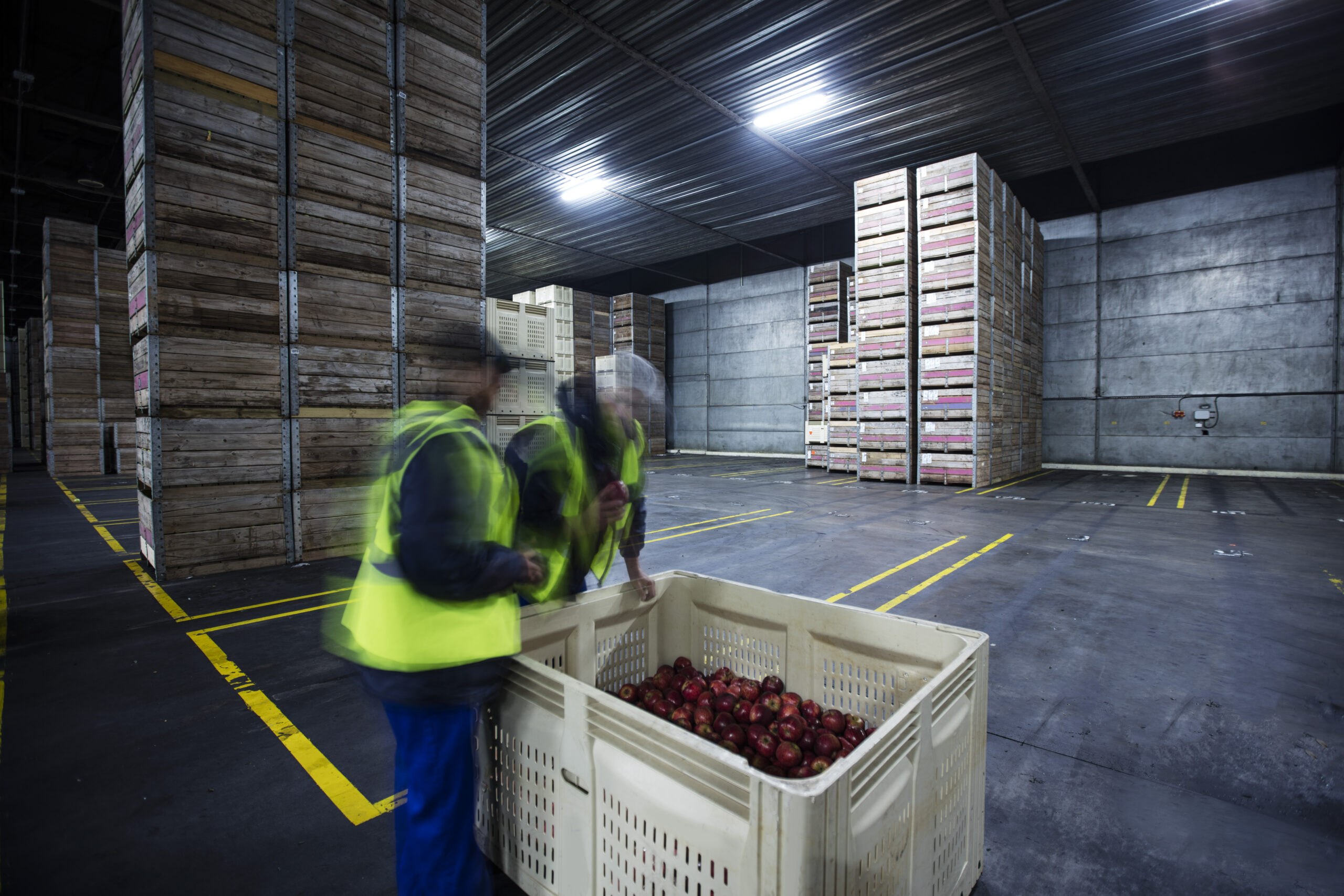
Cold storage maintains products at specific temperatures — typically 28 to 55 degrees Fahrenheit depending on the commodity — using active refrigeration systems. This is the most common and most critical storage type for Central Valley agriculture. Tree nuts (almonds, pistachios, walnuts) require cold storage at 32-36 degrees F to prevent rancidity, aflatoxin development, and moisture migration. Fresh produce (stone fruit, citrus, table grapes, berries) requires cold storage with precise temperature and high humidity (90%+) to maintain quality and extend shelf life. Frozen products require sub-zero storage at 0 to -20 degrees F for long-term preservation.
If your product is perishable, temperature-sensitive, or destined for export markets with cold chain documentation requirements, you need cold storage — not dry storage.
Dry Storage: Ambient Temperature Warehousing
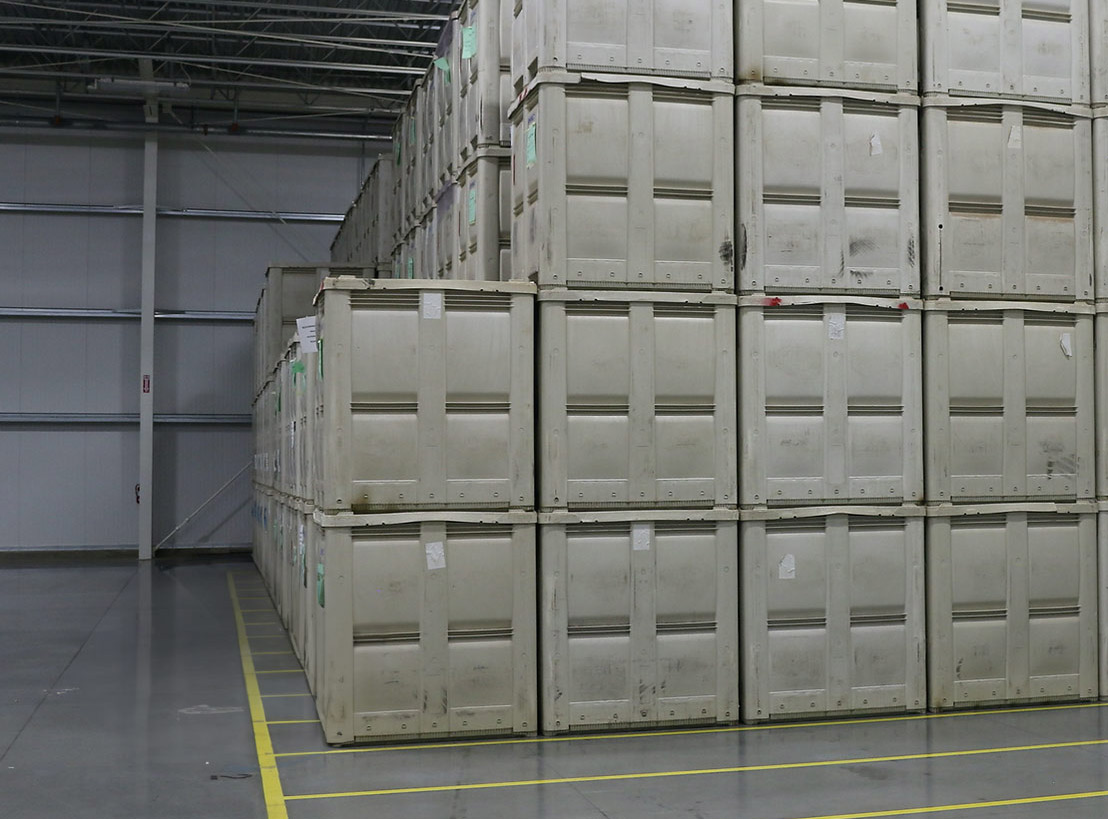
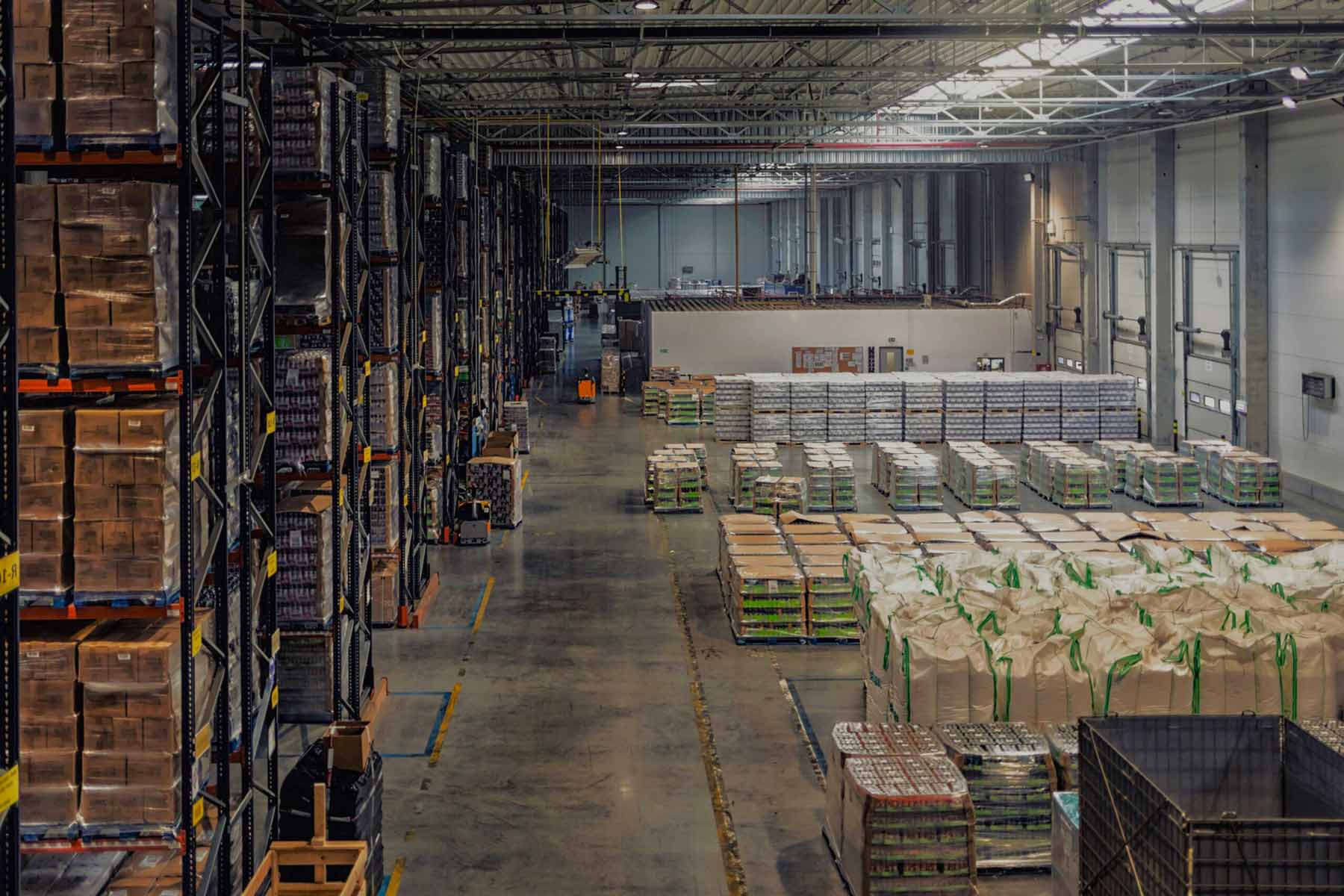
Dry storage facilities are non-refrigerated warehouses used for products that do not require temperature control: processed packaged goods, equipment, supplies, and some shelf-stable commodities. Dry storage is significantly less expensive than cold storage because it has no energy cost for refrigeration. However, in the Central Valley where summer temperatures regularly exceed 100 degrees F, even products traditionally considered shelf-stable can degrade in ambient storage. Madera dry storage is appropriate for non-perishable agricultural inputs, packaging materials, and equipment — but not for raw agricultural commodities that benefit from temperature control.
Controlled Atmosphere: Modified Gas Environment Storage
Controlled atmosphere (CA) storage goes beyond temperature control by modifying the oxygen and carbon dioxide levels in the storage environment. This slows respiration in fresh produce and can extend shelf life significantly beyond what cold storage alone achieves. CA storage is most commonly used for apples and pears but has applications for certain Central Valley commodities during extended storage periods. CA storage requires specialized sealed rooms and gas monitoring equipment, making it the most expensive storage option. Most Central Valley operations find that high-quality cold storage with proper humidity and ethylene management meets their needs without the additional cost of CA technology.
Which Storage Type Does Your Operation Need?
The decision framework is straightforward. If your product is a raw agricultural commodity — nuts, fresh fruit, vegetables, dairy, or frozen goods — you need cold storage with active refrigeration, humidity control, and temperature monitoring. If your product is shelf-stable and non-perishable, dry storage is sufficient and more cost-effective. If you need maximum shelf life extension for specific produce varieties over many months, controlled atmosphere may be worth the premium.
For most Madera-area growers and handlers, cold storage is the answer. The question is which cold storage facility offers the right combination of capacity, certifications, energy resilience, and proximity to your growing operations.
Cold Storage at Central Valley Cold Storage in Madera
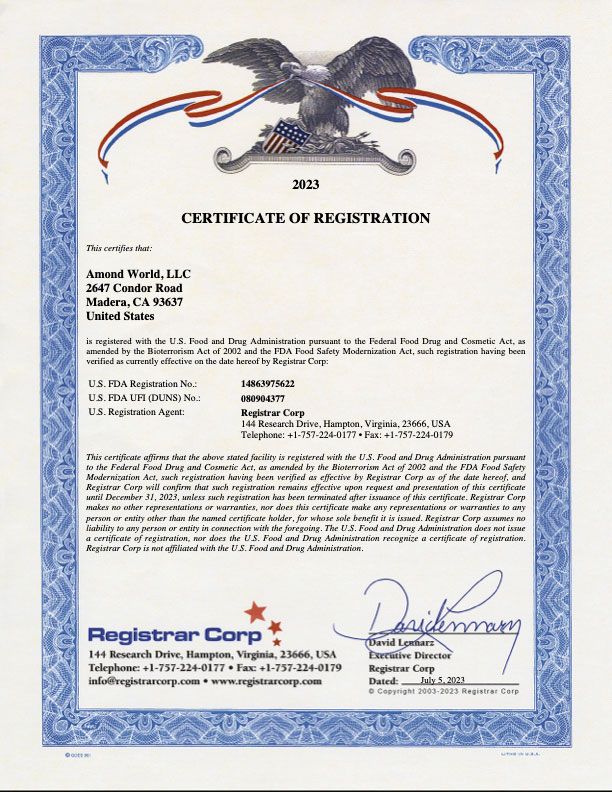
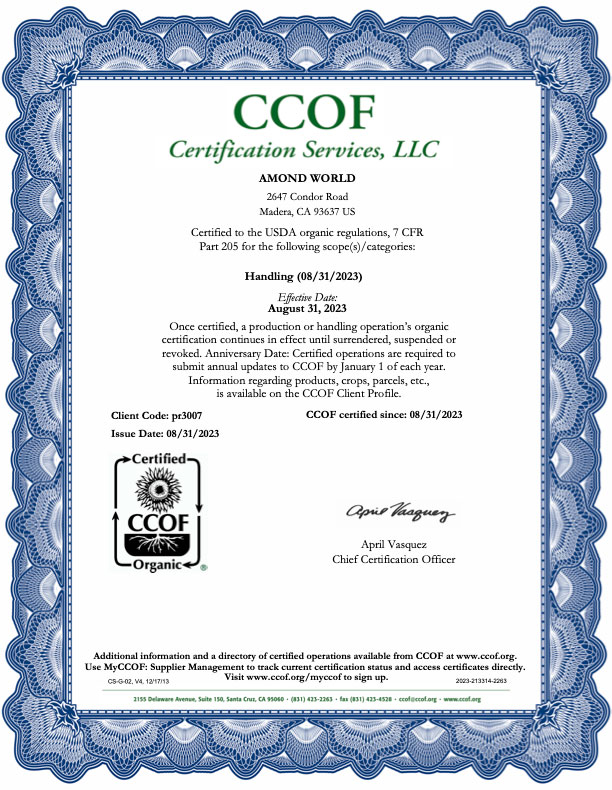
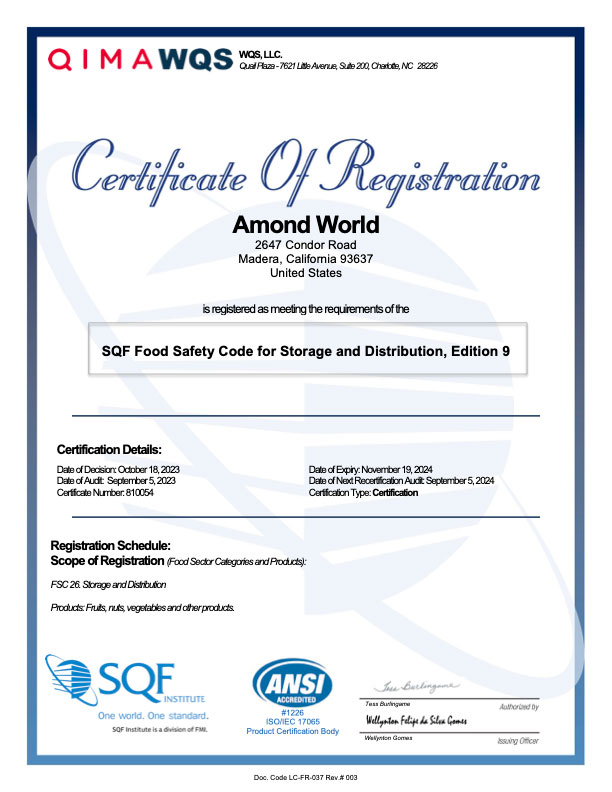
CVCS operates a 254,000 sq ft refrigerated warehouse at Madera Airport Industrial Park with five independently controlled bays, off-grid solar power, SQF and CCOF certifications, and FSMA 204 traceability. We serve tree nut growers, produce handlers, and agricultural logistics operations throughout the San Joaquin Valley.
Request a storage quote | Tour our facility | See 2026 rate information
Frequently Asked Questions About Storage in Madera
What types of storage are available in Madera, CA? Madera offers cold storage (refrigerated warehousing), dry storage (ambient temperature), and some controlled atmosphere options. For agricultural commodities — especially tree nuts and fresh produce — cold storage is the standard requirement.
How much does storage cost in Madera? Costs vary by storage type and commodity. Cold storage rates depend on temperature requirements, volume, duration, and facility infrastructure. See our 2026 rate guide for detailed breakdowns.
Is cold storage necessary for almonds and pistachios? Yes. Tree nuts are living products that continue to respire and degrade after harvest. Without cold storage at 32-36 degrees F, almonds and pistachios lose quality, develop off-flavors, and become vulnerable to aflatoxin contamination — especially during Central Valley summers.
What is the closest cold storage to Madera? Central Valley Cold Storage is located directly in Madera at the Airport Industrial Park, providing the shortest possible field-to-cold distance for Madera County growers.