How to Evaluate Refrigerated Warehouses in the Central Valley
Not all refrigerated warehouses are built the same. The Central Valley has dozens of cold storage facilities, but they differ dramatically in capacity, energy infrastructure, certifications, commodity specialization, and total cost of storage. This comparison framework helps growers, handlers, and logistics managers evaluate facilities on the factors that actually affect product quality and profitability.
The 12 Factors That Differentiate Cold Storage Facilities
When evaluating a refrigerated warehouse, most buyers focus on price per pallet. That metric alone is insufficient. Here are the twelve factors that determine whether a facility will protect your investment or put it at risk:
1. Total Capacity and Bay Configuration
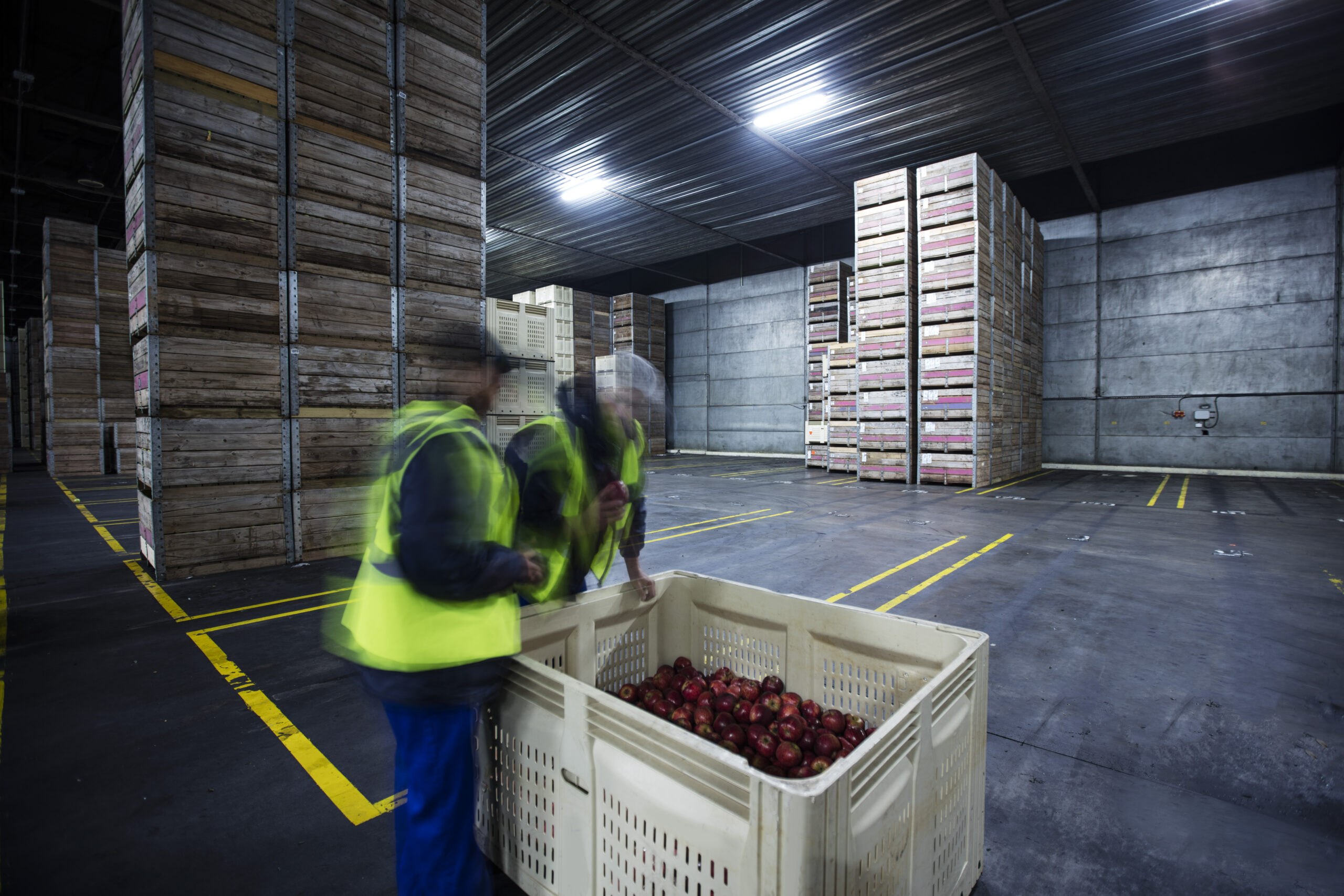
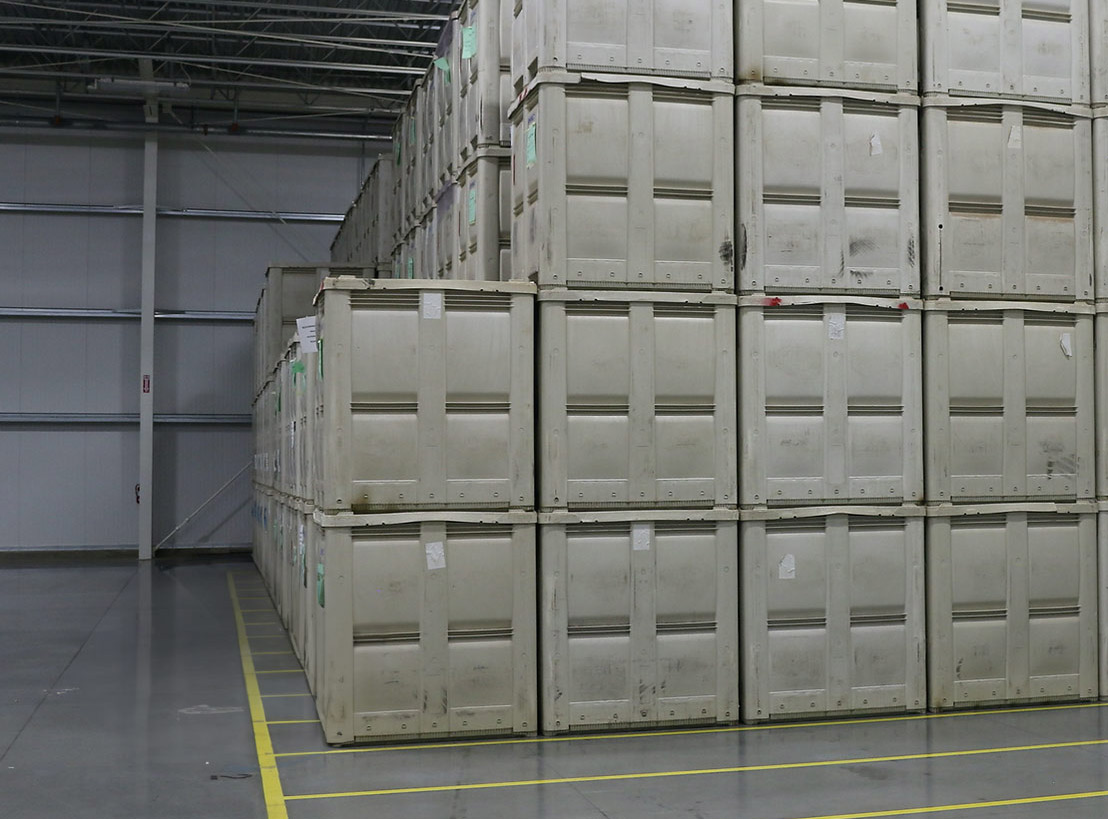
A facility’s total square footage matters less than how that space is configured. Independently controlled bays allow different commodities to be stored at different temperatures and humidity levels simultaneously without cross-contamination. A 100,000 sq ft facility with one large room is fundamentally different from a 100,000 sq ft facility with five independently controlled bays. The latter can serve multiple growers with different commodities simultaneously without compromising any single product’s storage conditions.
2. Temperature Range and Precision
Can the facility maintain sub-zero temperatures for frozen products and the precise 32-34 degree range required for fresh produce? Temperature deviation of even 2-3 degrees can accelerate ripening in stone fruit or trigger rancidity in tree nuts. Ask for temperature logging data — not just the setpoint, but actual recorded temperatures over a 90-day period.
3. Humidity Control
Fresh produce requires humidity above 90% to maintain turgidity and weight. Tree nuts need much lower humidity (65-70%) to prevent moisture migration and mold. Facilities without independent humidity control per bay cannot serve both commodities effectively. Ask whether humidity is actively controlled or just a byproduct of the refrigeration system.
4. Energy Source and Resilience
This is the single most important differentiator in 2026. Grid-dependent facilities are vulnerable to PG&E rate increases, PSPS shutoffs, and summer brownouts. A grid outage during a July heat wave can destroy millions of dollars in stored inventory within hours. Facilities with solar microgrids, battery backup, or generator redundancy provide a level of thermal insurance that grid-dependent facilities cannot match. Ask: what is your uptime guarantee, and what happens to my product during a 24-hour grid outage?
5. Certifications and Compliance
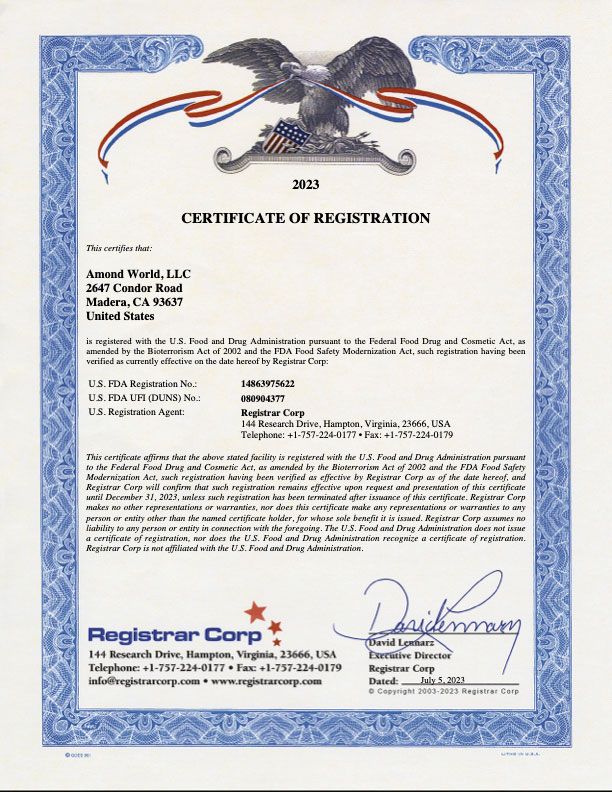
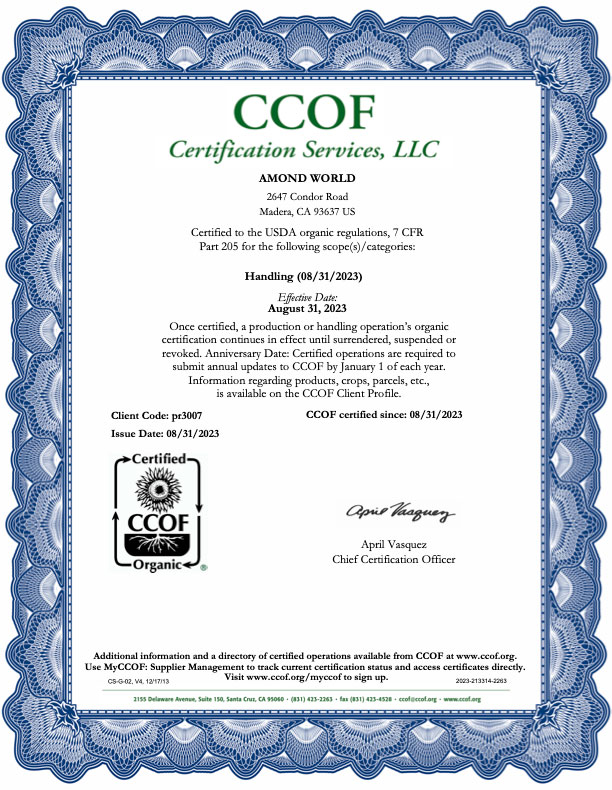
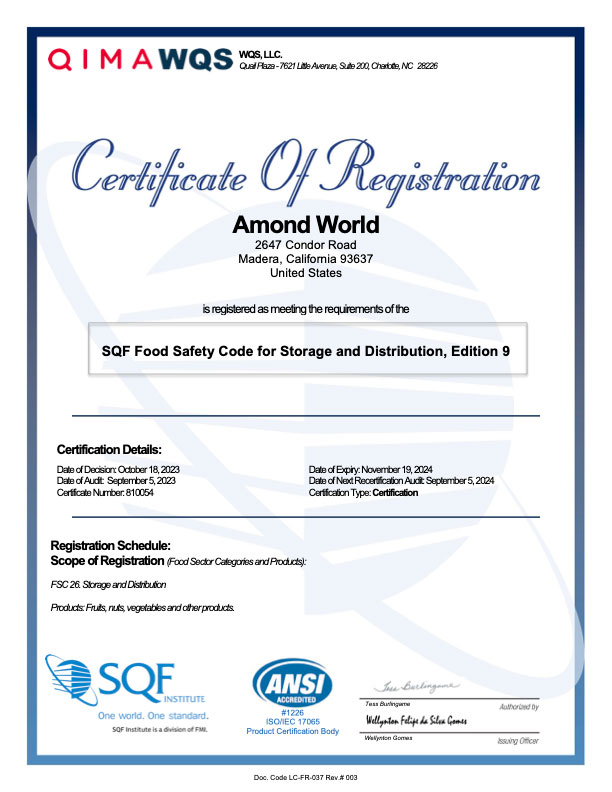
Different markets require different certifications. At minimum, look for SQF (Safe Quality Food) certification for food safety, CCOF for organic chain of custody, and FSMA 204 traceability compliance for supply chain documentation. Export-bound products may require additional USDA APHIS phytosanitary certification. A facility without current certifications limits your market access.
6. Proximity to Growing Regions
Every hour between harvest and cold storage degrades product quality. A facility located in the heart of the growing region — like Madera Airport Industrial Park — provides sub-24-hour field-to-cold capability that a facility in Oakland or the Bay Area cannot match. Calculate drayage costs and transit time as part of your total storage cost.
7. Commodity Specialization
Some facilities specialize in specific commodities and have optimized their infrastructure accordingly. A facility that primarily stores tree nuts will have different protocols, equipment, and expertise than one focused on dairy or fresh produce. Specialization typically means better outcomes for your specific product.
8. Handling and Logistics Capabilities
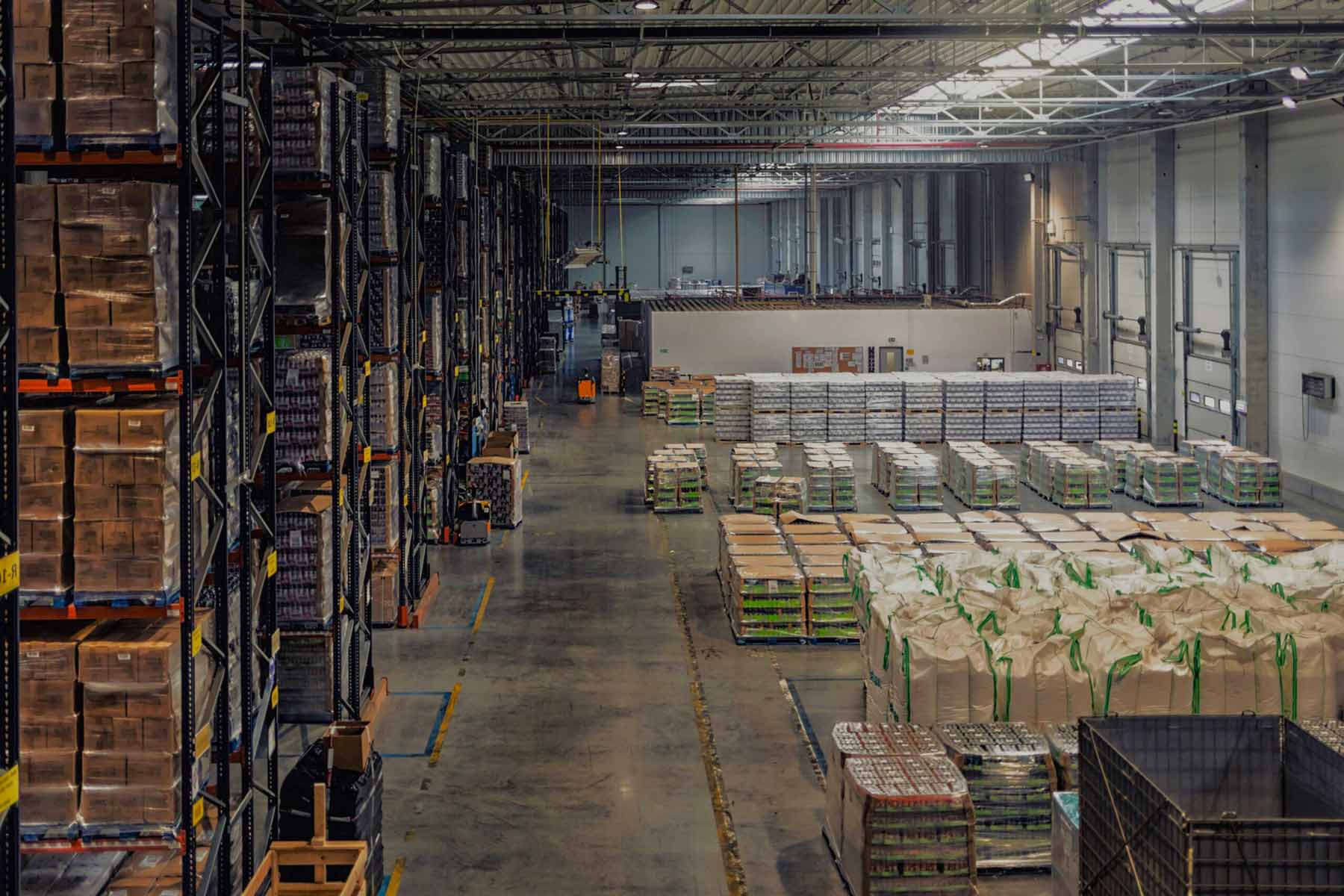
Evaluate dock capacity, loading capabilities, and whether the facility can handle your shipping schedule. Facilities near major transportation corridors (Highway 99, Highway 41) with multiple loading docks minimize wait times and transportation costs. Ask about dock scheduling and whether they support just-in-time shipping.
9. Technology and Monitoring
Modern facilities use IoT sensors with real-time temperature and humidity monitoring, automated alerts, and digital traceability systems. This technology provides documentation for compliance, early warning for equipment issues, and transparency for customers. Facilities still relying on manual temperature checks and paper logs present a higher risk of undetected excursions.
10. Insurance and Risk Coverage
Who is liable if a refrigeration failure destroys your inventory? Review the facility’s insurance coverage, liability terms, and what their thermal insurance guarantees. Some facilities carry comprehensive coverage that protects stored inventory; others require growers to carry separate cargo insurance.
11. Rate Transparency
Request a complete rate breakdown including base storage, handling, energy surcharges, fumigation, compliance fees, and minimum commitments. Facilities that provide transparent, all-inclusive pricing demonstrate confidence in their cost structure. Those with complex surcharge structures may end up costing significantly more than the quoted base rate.
12. Track Record and References
Ask for references from growers who store your specific commodity. Length of operation, incident history, and customer retention rates tell you more about a facility than any marketing material. A facility that has maintained zero inventory loss over multiple seasons demonstrates operational reliability.
Where Central Valley Cold Storage Fits
CVCS was designed from the ground up to score high on every factor above. Our 254,000 sq ft facility at Madera Airport Industrial Park features five independently controlled bays, a 100% off-grid solar microgrid with battery backup, SQF and CCOF certifications, FSMA 204 traceability, and IoT-based real-time monitoring. We specialize in tree nuts and produce for Central Valley growers who need their storage partner to be as serious about their inventory as they are.
Request a quote and facility comparison packet — we will provide our specs alongside this evaluation framework so you can compare us against any facility in the Valley.
Frequently Asked Questions
How many refrigerated warehouses are in the Central Valley? The San Joaquin Valley has dozens of cold storage facilities ranging from small single-room operations to large multi-bay warehouses. They vary dramatically in capacity, technology, certifications, and energy infrastructure. The right facility depends on your specific commodity, volume, and compliance needs.
What certifications should a cold storage facility have? At minimum: SQF for food safety, CCOF if you store organic products, and FSMA 204 traceability compliance. Export operations may additionally need USDA APHIS phytosanitary certification and country-specific food safety documentation.
What is the most important factor when choosing a refrigerated warehouse? Energy resilience. In 2026, a facility’s ability to maintain temperatures during grid outages, peak pricing periods, and PSPS events directly determines whether your inventory is protected. Everything else — certifications, rates, proximity — matters, but none of it matters if the refrigeration fails.
Can I tour a facility before committing? Reputable facilities welcome tours. At CVCS, we encourage prospective customers to visit, inspect our bays, review our monitoring systems, and meet our operations team before making a storage decision. Schedule a tour here.