
The United States Department of Agriculture (USDA) Animal and Plant Health Inspection Service (APHIS) sets the gold standard for these procedures. For exporters in the Central Valley, meeting these standards is not an optional “best practice” but a mandatory prerequisite for market access. This article provides a deep dive into the technical requirements of phytosanitary readiness, the role of advanced cold storage infrastructure, and how Madera-based facilities are evolving to meet the data-driven demands of modern international trade.
The Mechanics of Cold Treatment
Phytosanitary cold treatment is a biological intervention that utilizes low temperatures to kill specific pests of concern, such as the Mediterranean fruit fly (Ceratitis capitata) or the Queensland fruit fly. Unlike methyl bromide fumigation, which can leave residues and impact the organoleptic qualities of the fruit, cold treatment is a purely physical process. However, its effectiveness is entirely dependent on the “Time-Temperature” relationship.
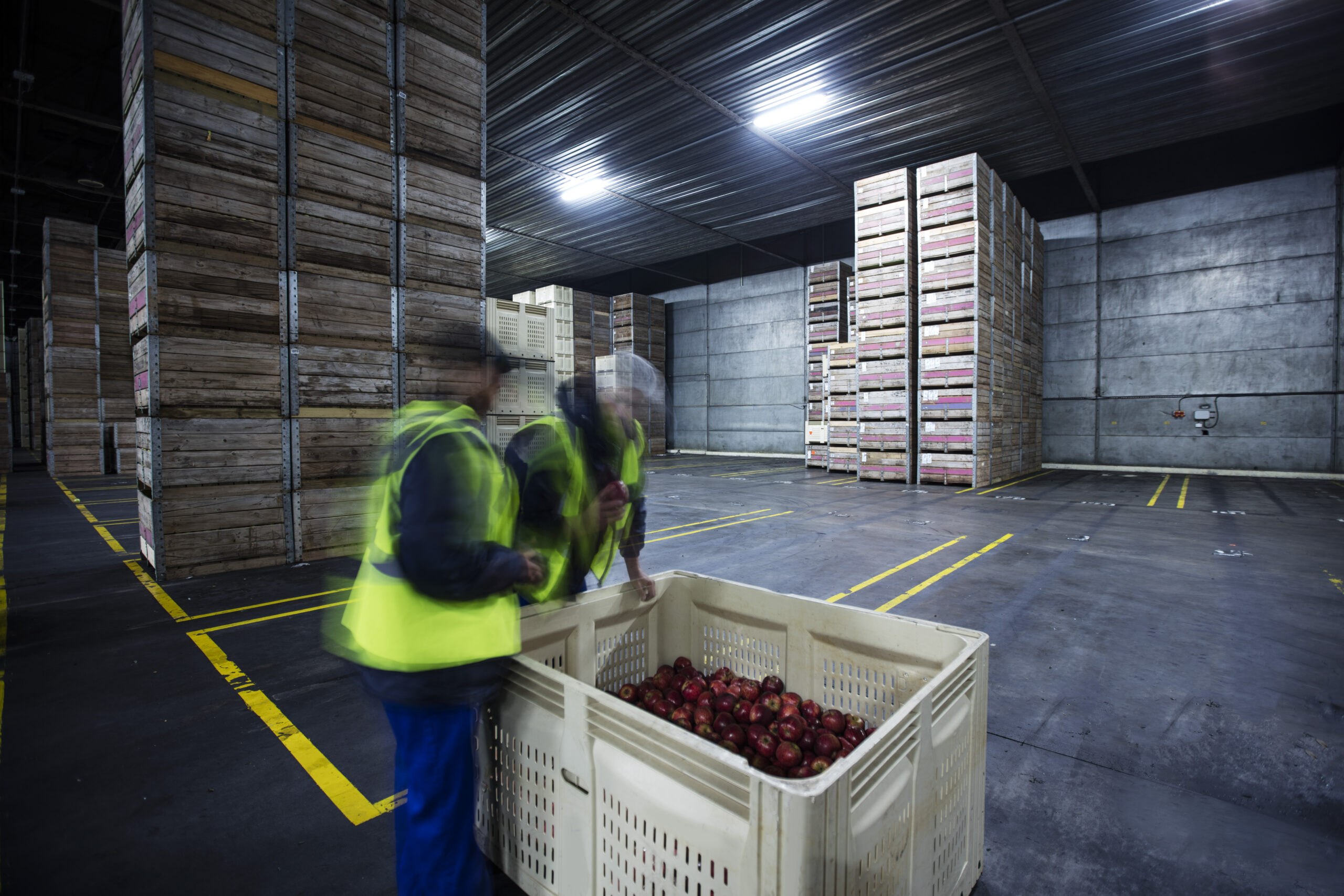
From a technical standpoint, the process involves lowering the pulp temperature of the produce to a specific threshold and maintaining that temperature for a predetermined number of days. This duration ensures that all life stages of the target pest—from egg to larva to adult—are rendered non-viable. In Madera, where summer temperatures often exceed 100°F, the transition from the field to a cold treatment-capable facility must be rapid to preserve the internal quality of the produce while beginning the “pull-down” phase of the treatment.
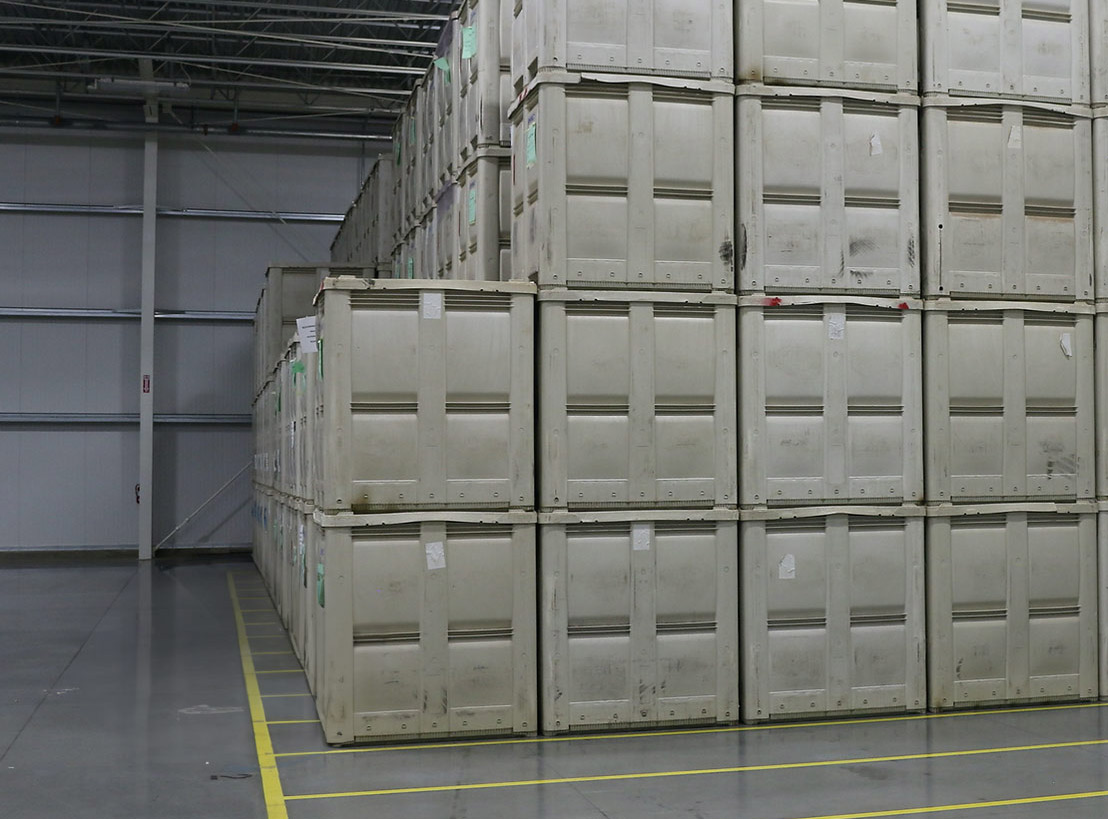
Precision is the primary challenge. If the temperature fluctuates even a fraction of a degree above the threshold, the treatment clock may be reset by USDA APHIS or the importing country’s regulatory body. Conversely, if the temperature drops too low, the commodity may suffer from “chilling injury,” leading to pitting, discoloration, and loss of market value. Therefore, the mechanics of cold treatment require sophisticated HVAC systems capable of maintaining micro-climates within the storage environment, coupled with high-flow air circulation to ensure that the core of every pallet reaches the required temperature.
Verifiable Data: The Auditor’s Requirement
As a compliance officer, I often tell our partners that “if it wasn’t recorded, it didn’t happen.” In the realm of phytosanitary certification, data is the currency of trust. USDA APHIS and foreign plant protection organizations (NPPOs) do not rely on anecdotal evidence or manual logs. They require verifiable, tamper-proof, and continuous data streams.
Modern export facilities in Madera utilize advanced sensor arrays. These are not standard ambient air sensors; they are USDA-calibrated pulp sensors. Typically, three to four sensors are inserted into the fruit at specific locations within a container or storage lot—specifically in the “warmest” areas, such as the center of the pallet or near the door—to ensure that even the most insulated fruit meets the treatment requirements. These sensors must be NIST-traceable and calibrated to an accuracy of ±0.1°C.
The Central Valley Cold Storage (CVCS) “Goose” system represents the next generation of this technology. By automating the data collection process, the Goose system eliminates the risk of human error in transcription and provides a transparent “audit trail.” This system logs temperature readings at 15-to-60-minute intervals, creating a digital fingerprint of the entire treatment cycle. When an auditor from USDA APHIS reviews a shipment for a phytosanitary certificate, they look for these specific data logs to confirm that the cold chain was never broken. This level of mastering the produce cold chain is what separates successful exporters from those facing rejected shipments at the port of entry.
Meeting Global Phytosanitary Thresholds
Every international market has its own “Work Plan”—a bilateral agreement between the USDA and the destination country’s agricultural department. These work plans specify the exact parameters for phytosanitary cold treatment. For Madera growers, understanding the nuances between a shipment destined for Shanghai versus one destined for Tokyo is critical for export readiness.
The following table outlines the rigorous standards currently required for common export routes from California:
| Market | Required Protocol | Temp Threshold | Duration |
|---|---|---|---|
| China | Cold Treatment | 33°F (0.5°C) | 18-22 Days |
| Japan | Cold Treatment | 34°F | 14 Days |
| EU | Pest Exclusion | 36°F | Continuous |
China’s requirements are among the most stringent. The 33°F threshold allows for very little margin of error. If a sensor records 33.2°F for a single hour during day 15 of a 22-day cycle, the entire process may be deemed a failure, necessitating a restart of the clock. This not only increases storage costs but also eats into the shelf life of the product. This is why Madera facilities must invest in redundant cooling systems and real-time alert mechanisms that notify compliance teams the moment a temperature deviation begins to trend.
The Role of Pre-Cooling in Export Success
One technical aspect often overlooked by novice exporters is the “Pre-Cooling” phase. Attempting to start the phytosanitary cold treatment clock while the fruit is still at field temperature is a recipe for failure. The heat load of the produce can overwhelm the refrigeration units, leading to uneven cooling.
In Madera, the use of forced-air cooling or hydro-cooling prior to entering the long-term cold treatment room is a standard requirement for FSMA compliance officers. By bringing the pulp temperature down to within 2 degrees of the target threshold before the official treatment period begins, we ensure a uniform “baseline.” This uniformity is essential for the USDA APHIS inspector to sign off on the initial “calibration and placement” report, which marks the official start of the export protocol.
Phytosanitary Certificates: The Final Gate
The ultimate goal of all these technical maneuvers is the issuance of the Federal Phytosanitary Certificate (PPQ Form 577). This document is the legal attestation that the shipment is free from injurious plant pests and conforms to the current phytosanitary regulations of the importing country.
To secure this certificate, a USDA-authorized inspector must review the temperature logs provided by the storage facility. In the past, this was a manual process involving the physical hand-off of USB drives or paper charts. Today, through integrated systems like CVCS’s Goose platform, these logs can be transmitted digitally. This speeds up the “Transit Cold Treatment” (TCT) approval process, allowing containers to be loaded onto vessels with the confidence that the treatment will be verified by the time the ship reaches its destination.
The Intersection of FSMA and Phytosanitary Standards
While FSMA focuses on human pathogens (like Salmonella or Listeria) and APHIS focuses on plant pests, the two are increasingly intertwined. A facility that lacks control over its temperature logs for phytosanitary purposes is likely to fail a FSMA audit regarding Preventive Controls. Both frameworks require high levels of “Verification and Validation.”
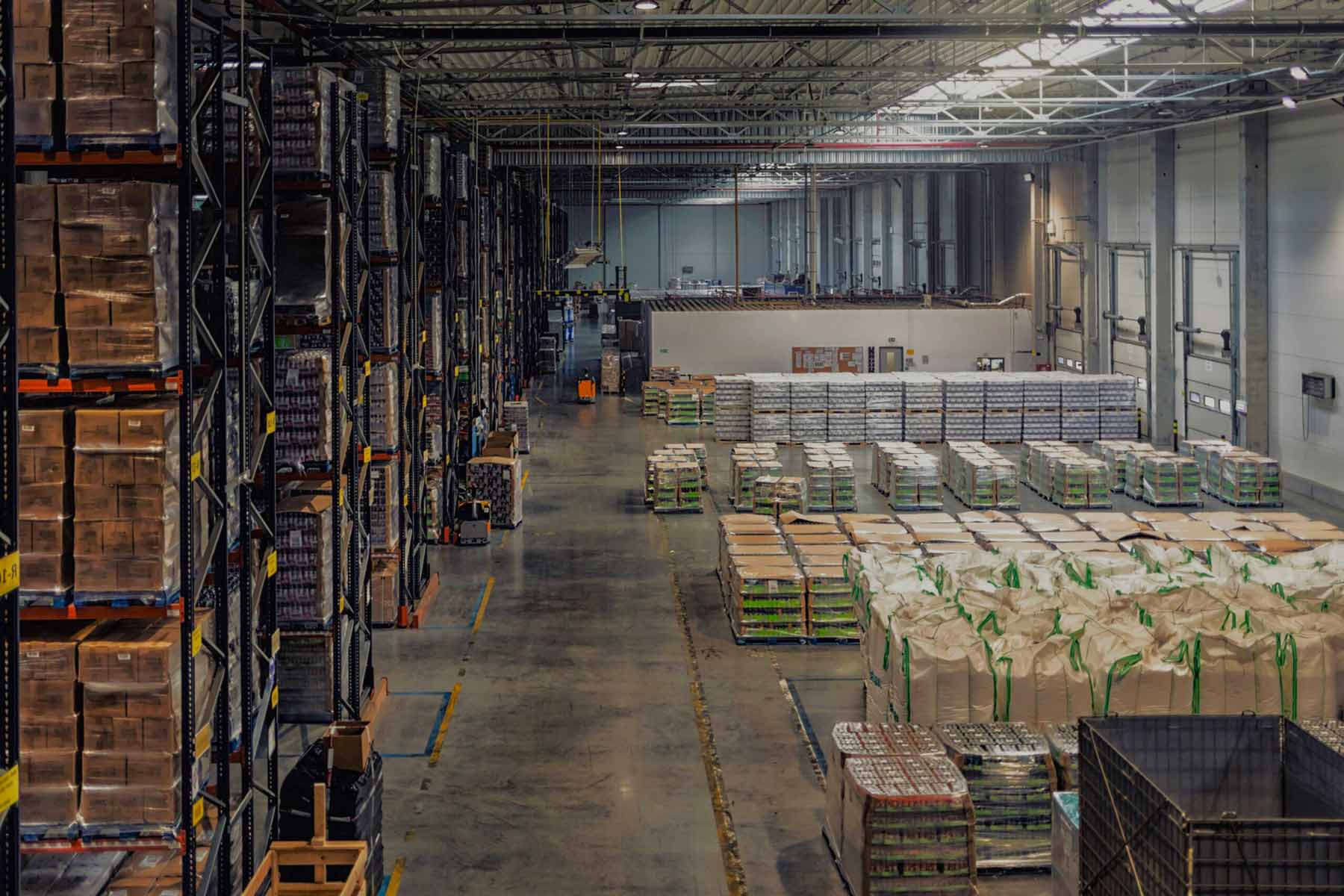
For example, the Environmental Monitoring Program (EMP) required by FSMA is often integrated with the pest management protocols required for international export. If a facility in Madera is certified to handle phytosanitary cold treatment, it demonstrates a level of institutional discipline and technical infrastructure that far exceeds standard domestic warehousing. This dual-compliance approach reduces risk for the grower and ensures that Madera’s agricultural bounty remains competitive on the world stage.
Conclusion: The Madera Advantage
Exporting from the Central Valley is a high-stakes endeavor where the margin between profit and loss is often measured in tenths of a degree. By leveraging precision monitoring systems and adhering to the strict USDA APHIS standards, Madera exporters can bypass chemical treatments and access the world’s most lucrative markets. The key to this success lies in the partnership between the grower, the compliance officer, and the cold storage provider.
Through the use of verifiable precision logs and automated data submission systems, we can ensure that every almond, grape, or citrus fruit that leaves our valley is not only safe to eat but also free from the pests that threaten global biodiversity. This is the essence of phytosanitary readiness.
Frequently Asked Questions
- Q: What is a phytosanitary certificate?
A: An official document issued by the USDA verifying that a shipment meets the plant health requirements of the importing country. - Q: Can cold treatment be done during transit?
A: Yes, many shipments undergo “In-Transit Cold Treatment” in refrigerated shipping containers, provided the containers are equipped with USDA-approved logging devices and the protocol is initiated correctly at the point of origin. - Q: What happens if a sensor fails during treatment?
A: USDA protocols typically require a minimum number of functioning sensors. If too many sensors fail, the treatment is invalidated, and the process must be restarted with new sensors.
Are you ready to scale your international exports with data-backed precision?