The Food Waste Problem Starts at Harvest
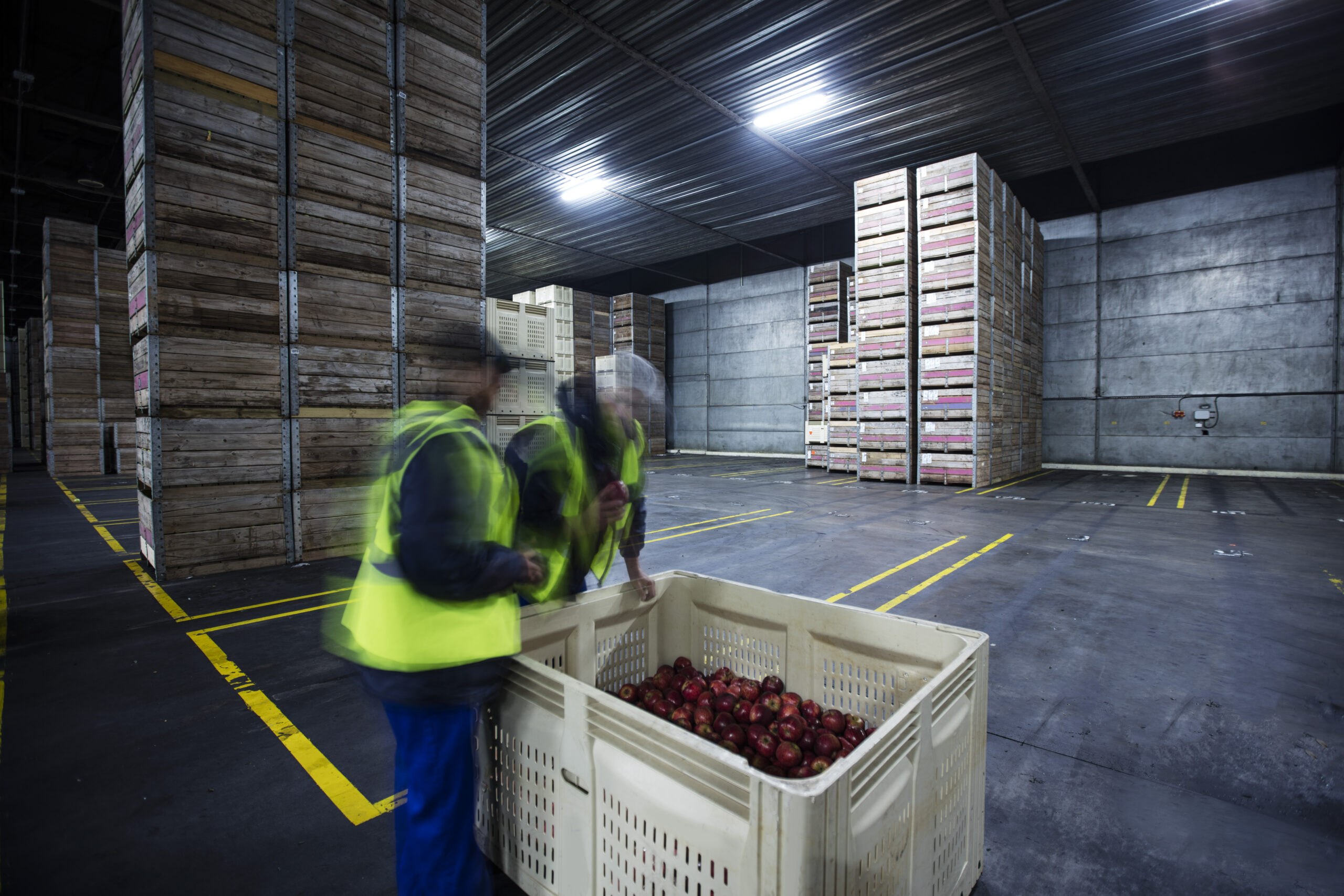
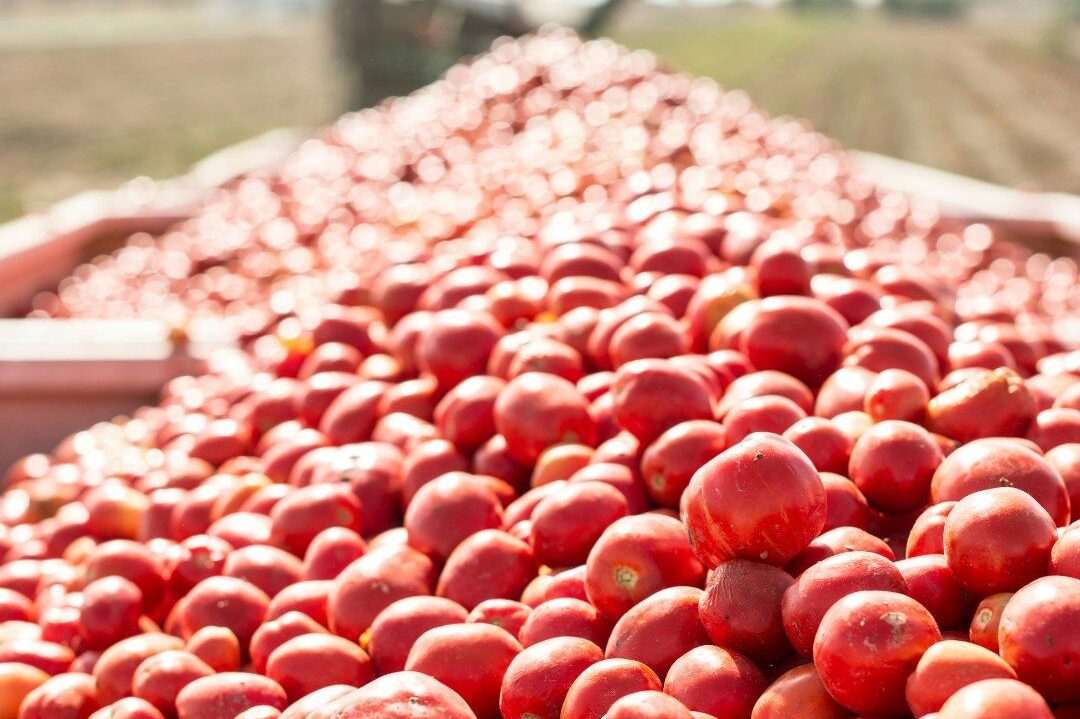
The USDA estimates that 30–40% of the U.S. food supply is wasted — and a significant portion of that loss occurs not at the dinner table, but in the hours and days immediately following harvest. For California’s Central Valley, which produces roughly 25% of the nation’s food supply, post-harvest loss is both an economic and an environmental crisis.
Temperature is the primary variable. Every degree of deviation from optimal storage conditions accelerates moisture loss, microbial growth, and in the case of nuts like almonds and pistachios, the risk of aflatoxin contamination — a mold-derived toxin that can render an entire lot unsellable and unsafely close the door on export markets. Proper cold chain isn’t a luxury. It’s the difference between a crop making it to market and a crop being destroyed.
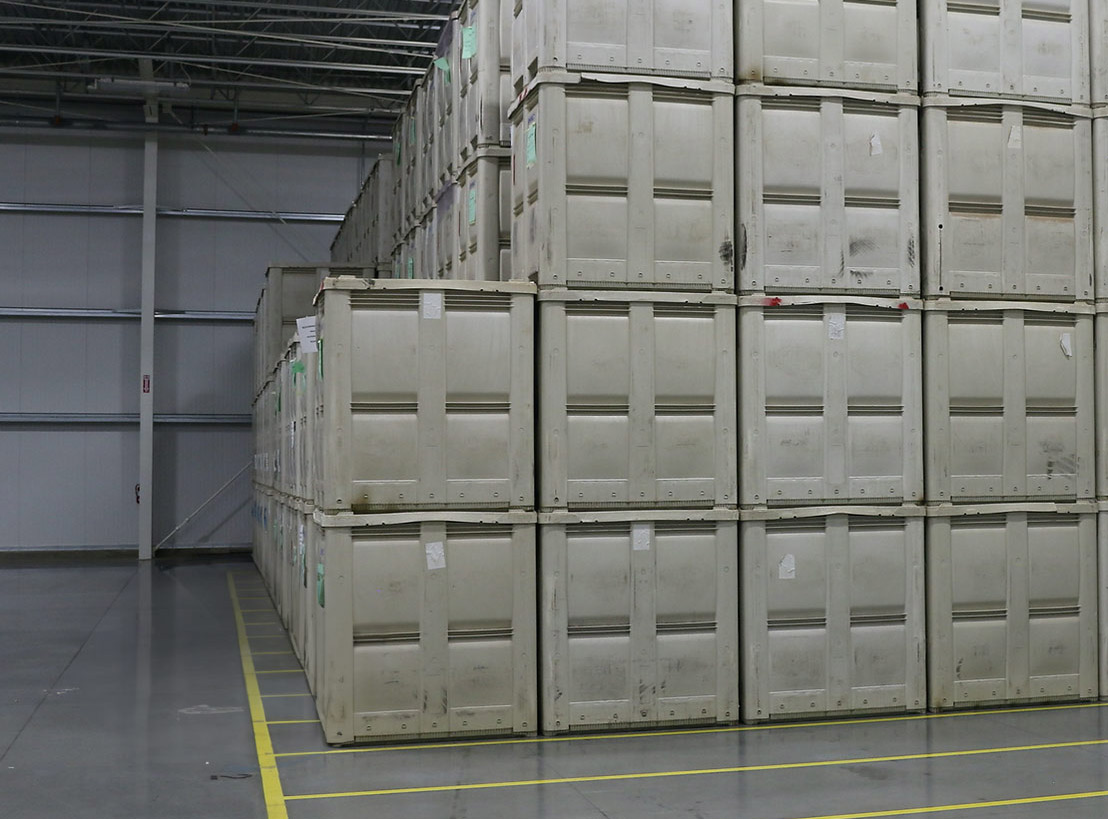
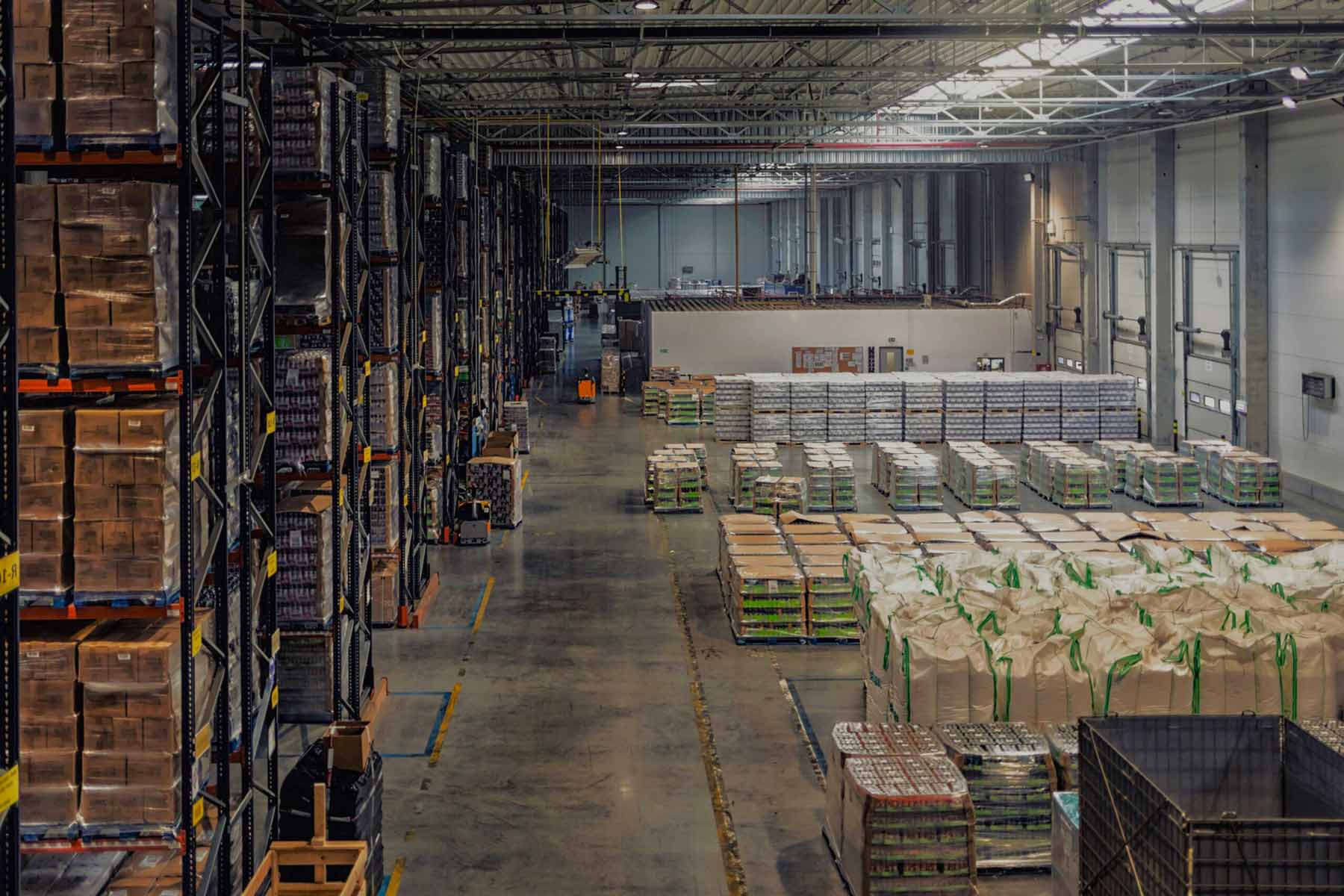
At Central Valley Cold Storage in Madera, California, the facility is engineered specifically around this problem — and its solar-plus-battery infrastructure is a core part of how it solves it.
How Solar Power Directly Prevents Post-Harvest Loss
Cold storage is one of the most energy-intensive operations in agriculture. Refrigeration compressors run 24 hours a day, 7 days a week, 365 days a year. A single grid outage — whether from a summer heat event, a wildfire-related transmission failure, or PG&E rolling cuts — can cause temperature excursions that compromise stored inventory within hours.
In California’s Central Valley, grid reliability is not an abstract concern. Heat events routinely stress the utility infrastructure during the peak summer storage season — precisely when almond carryover and stone fruit volumes are highest and most vulnerable. A facility tied entirely to grid power is a facility one outage away from significant loss.
Central Valley Cold Storage’s off-grid solar-plus-battery system eliminates that dependency. When the grid fails, the facility continues operating without interruption. Temperature logs stay clean. Product integrity is maintained. The food stays safe.
This continuity is the direct mechanism by which solar infrastructure prevents food waste: it removes the single most common cause of unplanned temperature excursions in agricultural cold storage.
The Aflatoxin Risk and Why Consistent Temperature Matters for Almonds
Almonds present a specific case study worth examining in detail. California produces approximately 80% of the world’s almond supply, with Madera County sitting at the heart of that production area. Once harvested and hulled, almonds are highly susceptible to aflatoxin — a carcinogen produced by Aspergillus flavus and Aspergillus parasiticus molds — if temperature and relative humidity are not tightly controlled during storage.
The European Union maintains a maximum aflatoxin threshold of 10 parts per billion for almonds. The United States standard for human consumption is 20 ppb. A lot that exceeds these thresholds cannot be sold, cannot be exported, and must be destroyed. The entire value of that inventory — the land, the water, the labor, the chemical inputs that went into growing it — is wasted.
Consistent refrigeration, maintained without interruption by a solar-backed power system, is the primary control point for aflatoxin risk in stored almonds. At Central Valley Cold Storage, the facility’s energy infrastructure is engineered to maintain those conditions continuously, protecting both the product and the grower’s investment.
Demand Charge Avoidance: The Hidden Financial Benefit
California commercial electricity customers pay utility bills structured around two variables: consumption (kWh used) and peak demand (the highest single 15-minute draw during a billing period). That peak demand figure — the demand charge — can represent 30–50% of a commercial facility’s total monthly electricity cost.
Cold storage facilities are particularly vulnerable to demand charges because refrigeration compressors draw their highest amperage at startup and during pulldown, creating sharp peaks that drive up the demand charge even if average consumption is moderate.
Solar-plus-battery systems address this directly. Battery storage absorbs the peak draw during compressor startups, flattening the facility’s demand curve and reducing or eliminating demand charges. For a large-scale cold storage operation, this can represent meaningful cost savings — savings that are ultimately passed through to the growers and distributors who use the facility.
The Carbon Equation: When Food Doesn’t Waste, Neither Does Its Carbon
Project Drawdown — the leading global research organization modeling climate solutions — ranks reduced food waste among the top three highest-impact interventions available for addressing climate change. The reasoning is straightforward: when food is wasted, every unit of carbon emitted to produce it is also wasted.
For Central Valley almonds, that carbon footprint is significant. Almond production requires approximately 1.1 gallons of water per almond, substantial irrigation energy, mechanized harvesting equipment, and transport. When a lot is lost to temperature excursion or contamination, that entire embedded carbon cost is written off.
Cold storage that runs on solar rather than fossil-fuel-derived grid power compounds the benefit: it reduces post-harvest loss (preventing the write-off of embedded carbon) while simultaneously reducing the operational carbon footprint of the storage itself. It’s a double reduction — less waste and lower emissions from the infrastructure that prevents the waste.
What This Means for Growers Choosing a Storage Partner
For almond growers, produce distributors, and commodity traders evaluating cold storage options in California’s Central Valley, the energy infrastructure of a facility is not a secondary consideration — it is a direct proxy for reliability and product safety.
A facility running on grid power alone carries a risk profile that a solar-plus-battery facility does not. That risk — of outage-driven temperature excursion, of demand-charge-driven cost pressure, of exposure to PG&E’s increasingly volatile service reliability in the Central Valley — is a risk that ultimately falls on the stored product.
Central Valley Cold Storage’s solar infrastructure is not a marketing claim. It is an engineered risk mitigation system that keeps food safe, reduces waste, and protects grower investments through the full storage cycle.
Frequently Asked Questions
How does solar power prevent food waste in cold storage?
Solar-plus-battery systems maintain continuous refrigeration during grid outages — the most common cause of temperature excursions that spoil or contaminate stored agricultural products. Consistent temperature control is the primary intervention for preventing post-harvest food loss.
What is the aflatoxin risk in almond storage and how is it controlled?
Aflatoxin is a carcinogenic mold toxin that develops in almonds when temperature and humidity controls fail during storage. EU export standards require less than 10 ppb. Continuous refrigeration, backed by solar infrastructure that operates independently of the utility grid, is the primary control point for aflatoxin prevention.
What is a demand charge and how does solar storage reduce it?
Demand charges are utility fees based on a commercial facility’s peak 15-minute power draw in a billing period. They can represent 30–50% of total electricity costs for cold storage operations. Solar battery systems absorb compressor startup peaks, flattening demand curves and reducing these charges.
Where is Central Valley Cold Storage located?
Central Valley Cold Storage is located in Madera, California — in the heart of the San Joaquin Valley, proximate to the state’s primary almond, pistachio, and produce growing regions. The facility offers on-site storage with FSMA 204 compliance and title transfer capability for exported commodities.
What types of agricultural products does Central Valley Cold Storage handle?
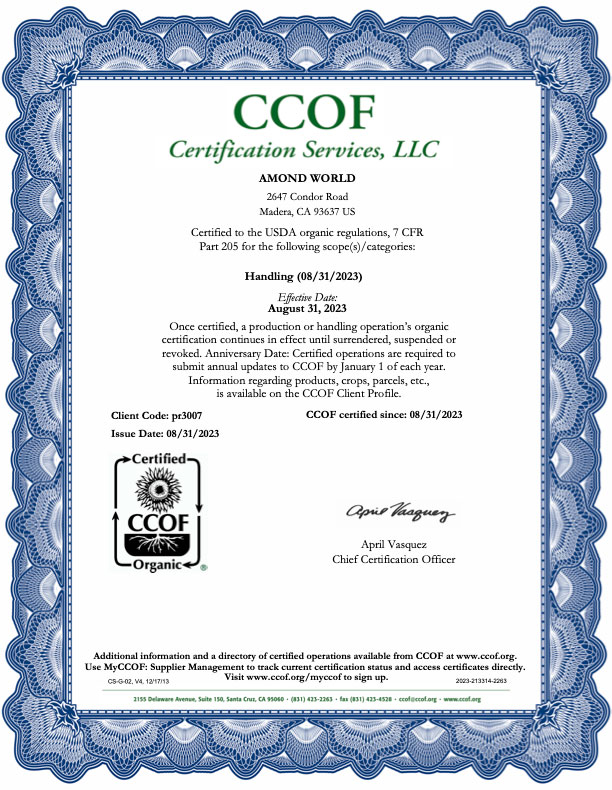
The facility specializes in tree nut storage (almonds, pistachios, walnuts), fresh produce, and temperature-sensitive commodities requiring controlled atmosphere or refrigerated storage conditions. It is CCOF-certified for organic product handling.
How does preventing food waste reduce carbon emissions?
Every unit of wasted food carries with it the embedded carbon from its production — water pumping energy, fertilizer, mechanized harvesting, and transport. When post-harvest losses are prevented through reliable cold storage, that embedded carbon is not wasted. When the storage facility itself runs on solar, the operational carbon footprint is further reduced.
Is Central Valley Cold Storage available for small and mid-size growers?
Yes. The facility offers flexible storage arrangements, including title transfer in-situ for international commodity transactions, which allows smaller operators to access export markets without moving physical product across multiple facilities.
Central Valley Cold Storage is located in Madera, CA. To inquire about storage capacity, request a facility tour, or discuss your harvest-season requirements, contact the team directly.