Successful pomegranate cold storage for durations exceeding 12 weeks is not merely a matter of refrigeration; it is a forensic exercise in managing cellular respiration, vapor pressure deficit (VPD), and the prevention of chilling injury (CI). To maintain aril turgidity and prevent the oxidation of phenolic compounds, a precise orchestration of atmospheric and thermal variables is required Ethylene Management: Preventing Cross-Contaminatio….. This article outlines the technical protocols necessary to extend the marketable life of ‘Wonderful’ pomegranates while arresting the metabolic pathways that lead to internal decay.
The Physiology of the ‘Wonderful’ Variety
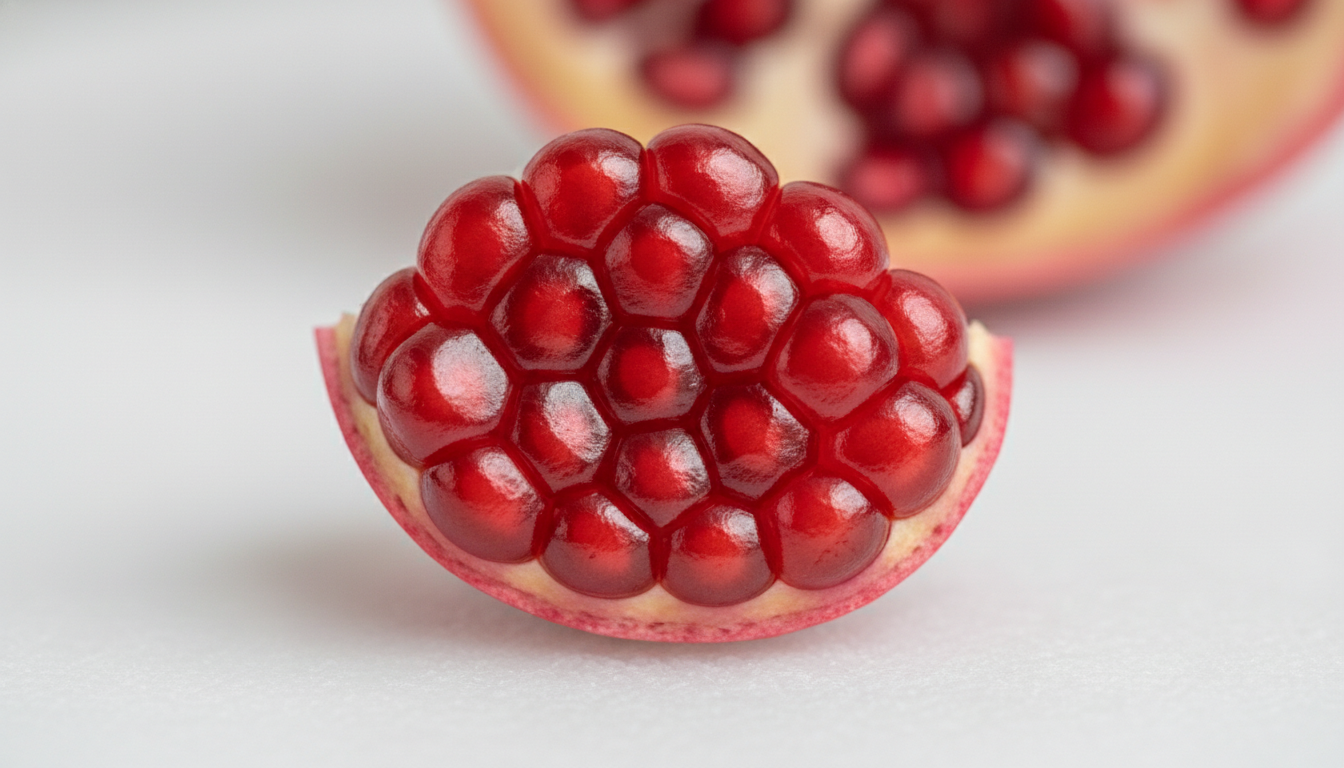
The ‘Wonderful’ pomegranate is prized for its deep red anthocyanin content and high juice yield. However, from a physiological perspective, its post-harvest behavior is governed by a relatively low respiration rate that is nonetheless highly sensitive to temperature fluctuations. Because pomegranates do not ripen significantly after harvest, they must be picked at full maturity—defined by a titratable acidity (TA) below 1.85% and a soluble solids content (SSC) above 17%.
Once detached from the tree, the fruit enters a state of senescence where the primary goal is the conservation of internal moisture and the prevention of fungal pathogens such as Botrytis cinerea (grey mold) and Penicillium expansum (blue mold). The “husk” or pericarp, while thick, is highly susceptible to desiccation. Under microscopic examination, the pericarp contains numerous stomata-like pores that facilitate gas exchange but also provide a conduit for water loss. If the fruit loses more than 5% of its harvest weight, the husk begins to shrivel, and the underlying arils lose their characteristic “snap,” becoming flaccid and unpalatable.
Furthermore, while the pomegranate is non-climacteric, it remains sensitive to exogenous ethylene. Exposure to even trace amounts of ethylene can stimulate respiration and accelerate the degradation of the calyx. For facilities managing multiple crop types, sophisticated Ethylene Management protocols are non-negotiable to prevent premature senescence in the pomegranate inventory.
Managing Chilling Injury and Scald
The most frequent failure point in pomegranate cold storage is the application of sub-optimal temperatures. Many cold storage operators treat pomegranates like apples, holding them at 32°F (0°C). For the ‘Wonderful’ variety, this is a catastrophic error. Pomegranates are highly susceptible to chilling injury when stored below 41°F (5°C) for extended periods.
Chilling injury manifests forensically as a breakdown of cellular membrane lipids. When the temperature drops below the critical threshold, the membrane lipids transition from a liquid-crystalline state to a solid-gel state. This results in electrolyte leakage and the subsequent oxidation of phenolic compounds by polyphenol oxidase (PPO). The visual symptoms include:
- External Pitting: Small, sunken lesions on the husk that later coalesce into large necrotic areas.
- Superficial Scald: A browning of the skin that does not necessarily affect the arils but renders the fruit unmarketable.
- Internal Discoloration: The white connective tissues (septa) turn brown, and the arils lose their vibrant pigment, taking on a “cooked” or bleached appearance.
To mitigate these risks, the industry standard for long-term storage (4+ months) is maintaining a temperature between 45°F and 48°F (7°C to 9°C). While this higher temperature slightly increases the risk of fungal growth, it preserves the integrity of the cellular membranes. To counter the increased metabolic rate at these temperatures, Controlled Atmosphere (CA) storage—specifically 3% O2 and 6-10% CO2—is often employed to suppress the respiration of both the fruit and any latent fungal spores.
Precision Humidity and Aril Quality
If temperature manages the biology of the fruit, humidity manages the physics. The high surface-to-volume ratio of the internal arils makes them secondary victims of husk desiccation. When the surrounding air is dry, a high Vapor Pressure Deficit (VPD) is created, pulling moisture through the pericarp and into the room atmosphere. This results in “husk shrivel,” the leading cause of post-harvest loss in the pomegranate sector.
Standard refrigeration systems often strip moisture from the air as it passes over the evaporator coils. For pomegranates, a relative humidity (RH) of 90% to 95% is mandatory. However, maintaining 95% RH at 45°F without causing free moisture (condensation) on the fruit is a delicate balance. Condensation is the primary vector for Botrytis infection, especially in the calyx area where moisture tends to trap.
This is where the Goose System precision humidity management and its Continuous Vapor Control System (CVCS) become vital. Unlike traditional on/off humidification, CVCS provides a steady-state environment that minimizes VPD fluctuations. By maintaining a microscopic layer of high-humidity air around the fruit without reaching the dew point on the husk surface, we can arrest aril desiccation. This technology ensures that the arils remain turgid and the anthocyanin profile remains stable for up to 16 weeks.
Comparative Storage Efficacy
The following table illustrates the forensic data regarding storage life based on various environmental parameters for ‘Wonderful’ pomegranates.
| Temperature (°F) | Humidity (RH) | Storage Life | Primary Failure Mode |
|---|---|---|---|
| 32°F – 36°F | 80% – 85% | 2-4 Weeks | Severe Chilling Injury / Pitting |
| 41°F – 43°F | 85% – 90% | 6-8 Weeks | Moderate Scald / Husk Shrivel |
| 45°F – 48°F | 90% – 95% | 12-16 Weeks | Fungal Pathogens (if CO2 is low) |
| 45°F – 48°F (CVCS) | 95%+ | 16-20 Weeks | Optimal Preservation |
Addressing Pathogen Proliferation
While the Goose System manages the physical state of the fruit, the biological state requires a multi-hurdle approach. At the 45°F threshold, Botrytis cinerea can still progress, albeit slowly. Forensic analysis of decayed fruit often shows that infection began in the orchard or during the wash process. In long-term storage scenarios, especially those involving Rehab Storage for fruit that has suffered initial heat stress, the use of high CO2 (up to 15% for short “shocks”) can be effective in inhibiting mycelial growth without inducing off-flavors in the arils.
However, the most effective defense remains the prevention of micro-cracking in the husk. Micro-cracks occur when the fruit undergoes rapid transitions in turgor pressure—often caused by fluctuating humidity levels. By utilizing precision humidity control, we maintain the elastic properties of the pericarp, ensuring that the fruit’s natural physical barrier remains intact against opportunistic fungal spores.
Conclusion: The Scientific Mandate for Precision
The storage of ‘Wonderful’ pomegranates is a high-stakes endeavor where the margin for error is measured in millimeters of husk browning and percentages of juice acidity. To achieve 4+ months of storage, facility managers must move away from “set-and-forget” refrigeration. The integration of 45°F thermal setpoints with Goose System’s CVCS technology represents the current gold standard in post-harvest physiology. By eliminating the stressors of chilling injury and high VPD, we preserve the “Wonderful” experience from the California orchards to the global consumer’s table.
Frequently Asked Questions
Q: Why do pomegranates shrivel in storage?
A: Shriveling is a result of high Vapor Pressure Deficit (VPD). When the storage air is even slightly drier than the fruit’s internal atmosphere, moisture migrates out through the husk. Precision humidity (90%+) is the only solution to maintain the pressure potential within the fruit cells.
Q: Can I store pomegranates with apples or pears?
A: It is not recommended. Apples and pears are typically stored at 32°F, which will cause chilling injury in pomegranates within weeks. Additionally, the ethylene produced by pomegranates’ neighbors can accelerate the decay of the pomegranate calyx.
Q: What is the benefit of the Goose System for pomegranates?
A: The Goose System provides precision humidity management that prevents the “drying out” effect of standard cooling. It allows for the high humidity levels required to stop husk shrivel while preventing the condensation that leads to mold growth.
Ready to Optimize Your Pomegranate Cold Storage?
Ensure your ‘Wonderful’ harvest retains its value with precision climate and humidity controls tailored for pomegranate physiology.