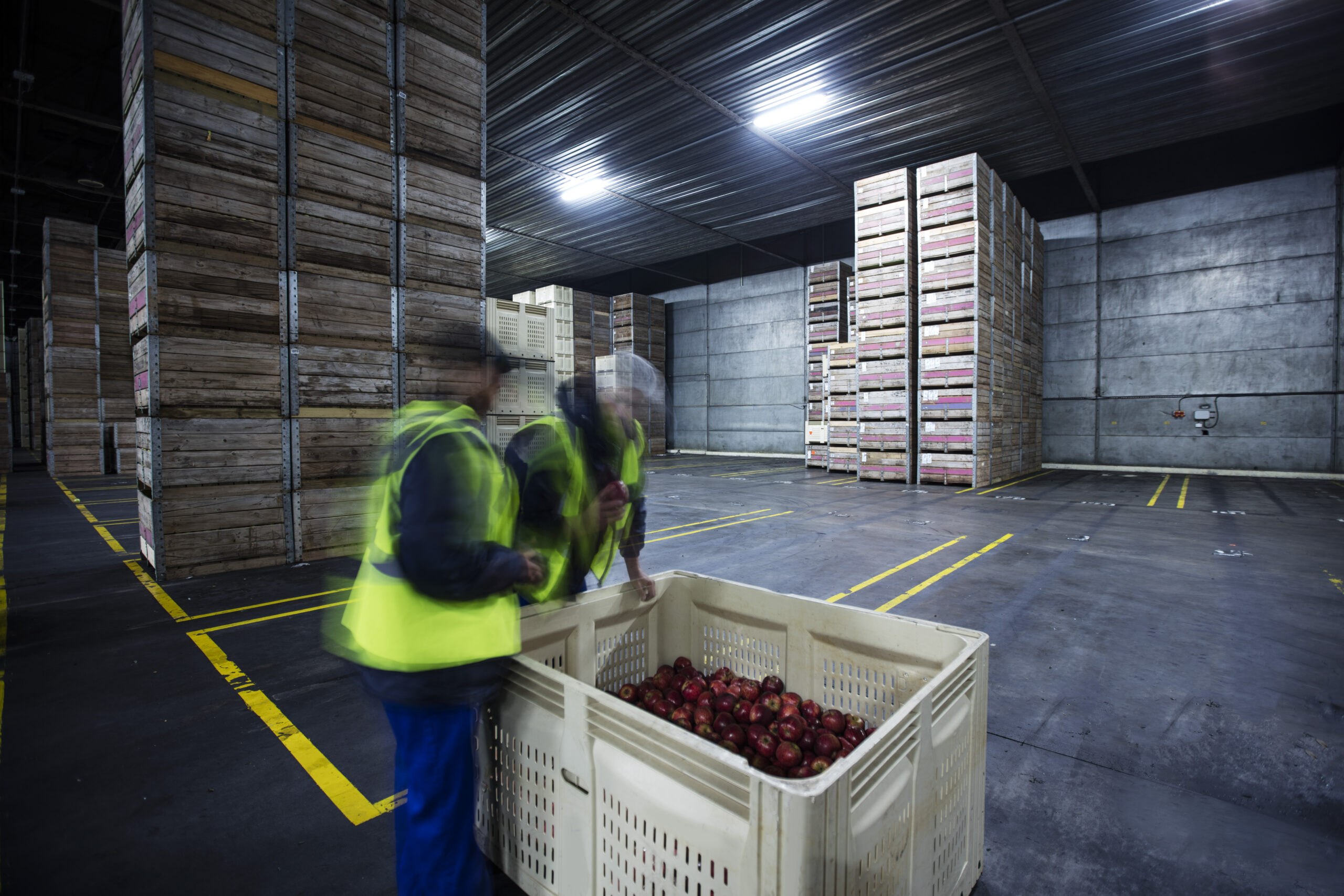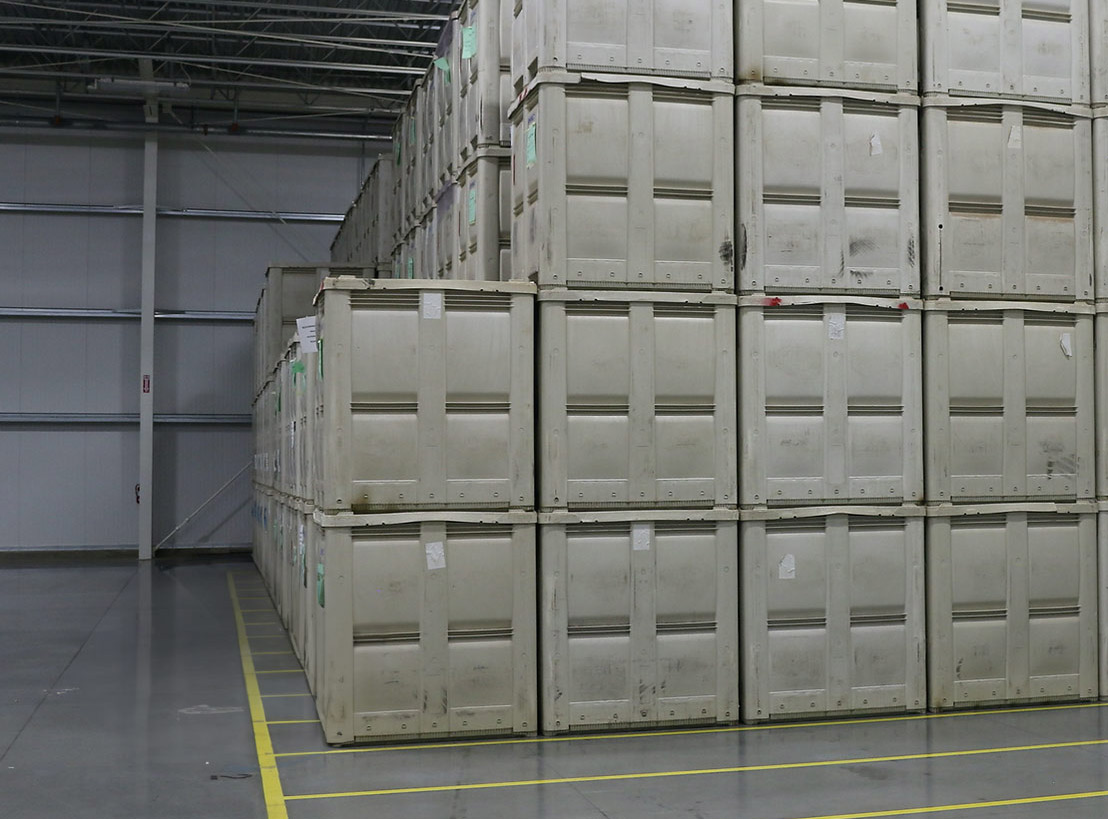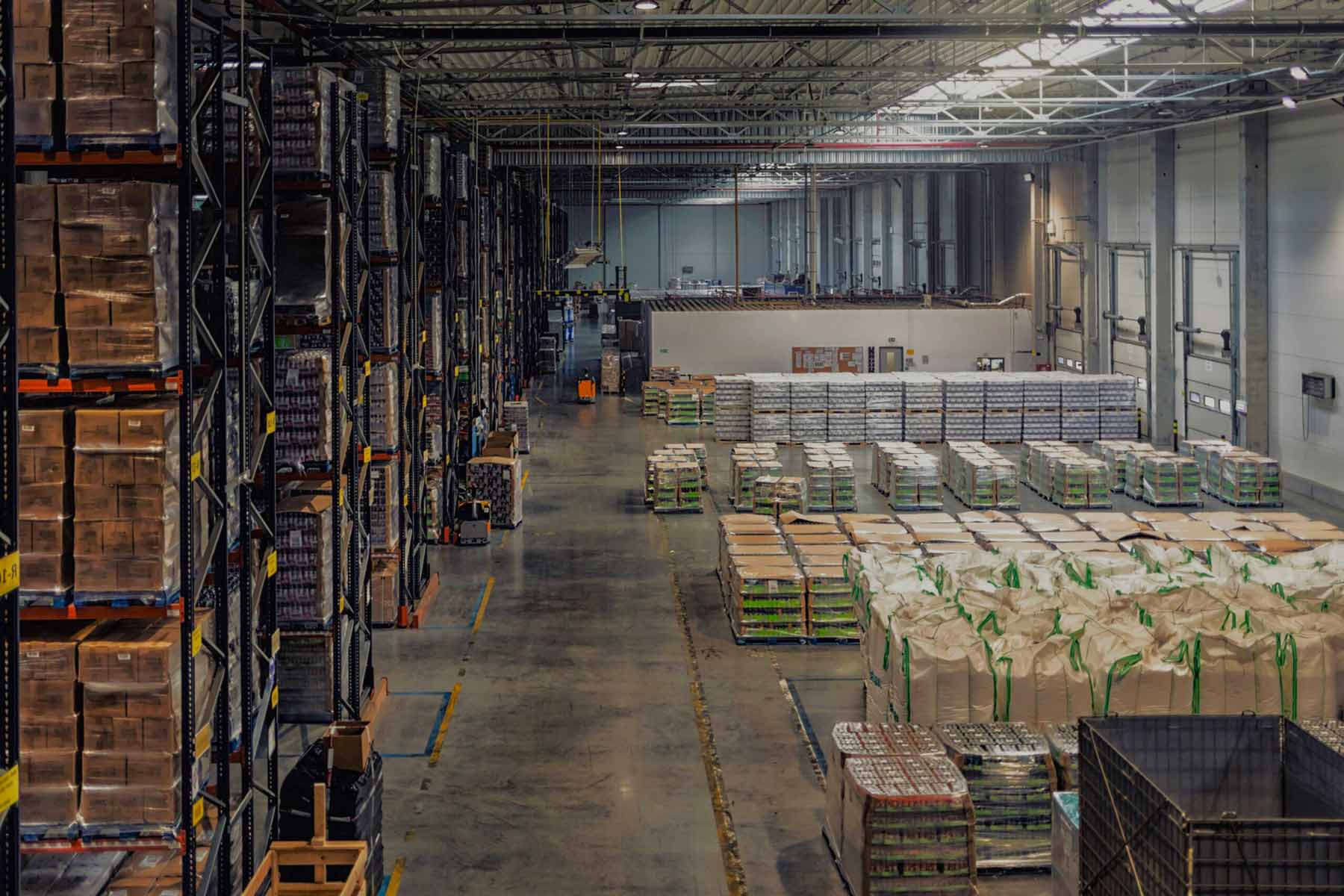
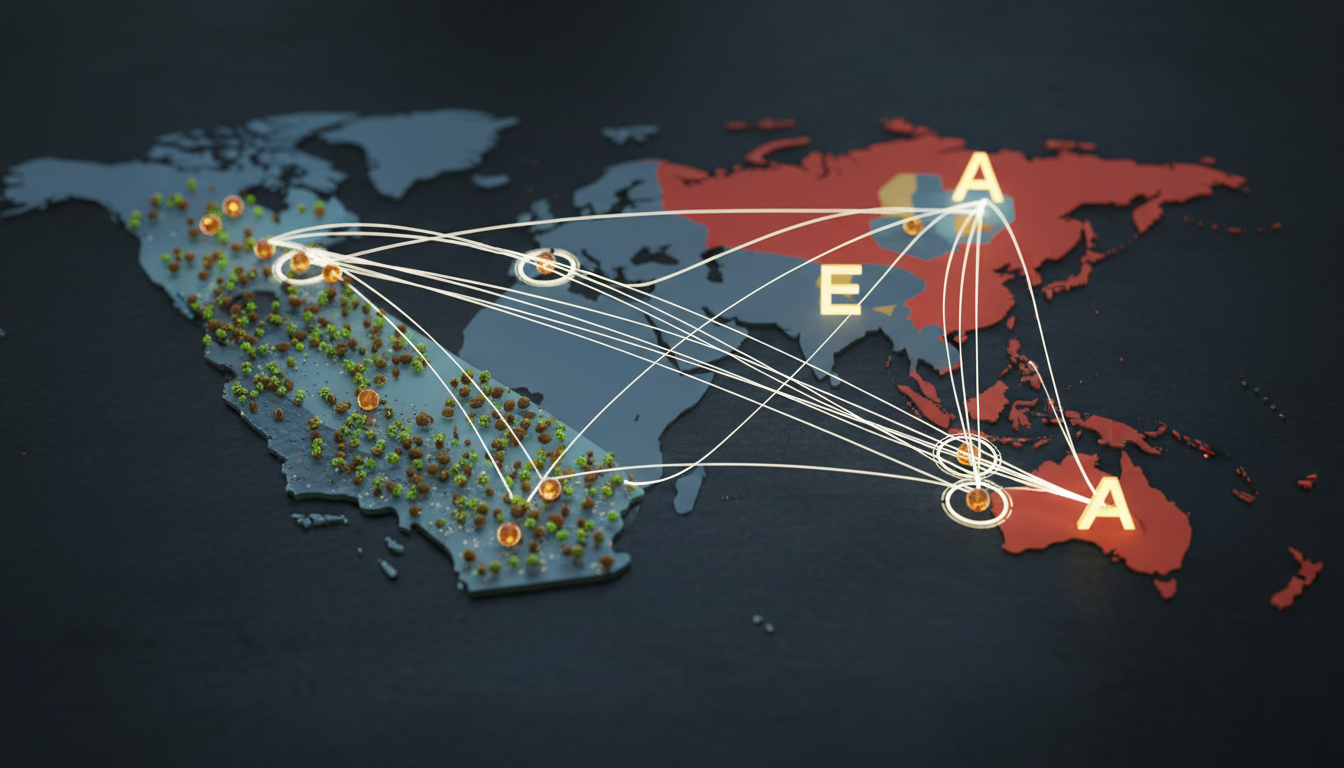
The journey from the orchards of Madera and the Central Valley to the dinner tables of Berlin, Tokyo, and Shanghai is fraught with biological and chemical risks. To succeed, exporters must move beyond traditional storage methods and adopt a technical, data-driven approach to cold chain management Pistachio Cold Storage Near Me: Central Valley Ref….. This article examines the stringent requirements of the EU and Asian markets and outlines how cutting-edge, sustainable cooling solutions are the linchpin of modern export readiness.
The Global Nut Market
The global demand for plant-based proteins and healthy fats has propelled the California nut industry to record heights. However, this growth has coincided with a period of intense regulatory scrutiny. Today’s international buyers are no longer satisfied with mere visual inspections; they require comprehensive lab reports documenting chemical residues, moisture content, and microbiological safety.
California dominates the world supply, but this dominance brings a unique set of logistical challenges. Because such a vast majority of the crop is exported, the industry is hyper-sensitive to the import protocols of the European Union (EU) and major Asian economies like China and Japan. These regions represent the highest tier of quality requirements. A single shipment rejected at the Port of Rotterdam or Yokohama due to aflatoxin contamination or excessive pesticide residue can result in losses totaling hundreds of thousands of dollars, not to mention the long-term damage to a brand’s reputation.
The primary driver of quality degradation during the export process is environmental volatility. From the moment nuts leave the processing facility, they are susceptible to oxidative rancidity, insect infestation, and fungal growth Mastering the Produce Cold Chain: From Harvest to ….. Maintaining a seamless cold chain from the heart of California to the shipping container is the only way to arrest these processes and ensure that the product arriving at a foreign port is identical in quality to the product that left the orchard.
Navigating MRLs and Aflatoxin Limits
For the technical exporter, the two most critical acronyms are MRL (Maximum Residue Limit) and AL (Aflatoxin Level). These metrics vary significantly by region, requiring a bespoke approach to storage and handling for different destinations.
The European Union: The MRL Challenge
The European Union has implemented some of the world’s most stringent MRLs under its “Farm to Fork” strategy. Many chemicals that were once standard in the industry for pest control during storage are now either banned or restricted to levels that are difficult to achieve with traditional fumigation. Exporters must now prioritize “clean” storage environments. If a nut absorbs chemical residues from the storage facility or through post-harvest treatments, it will likely fail EU compliance tests upon arrival.
Japan and the Aflatoxin Threat
In Asian markets, particularly Japan, the focus shifts heavily toward aflatoxins—toxic metabolites produced by certain molds, such as Aspergillus flavus. Japan’s Ministry of Health, Labour and Welfare maintains a zero-tolerance or near-zero-tolerance policy for various aflatoxin strains. These molds thrive in environments with high humidity and fluctuating temperatures. To meet Japanese standards, nuts must be kept in a “stasis” environment where relative humidity (RH) is strictly controlled below 50% and temperatures remain low and stable. Even a brief “sweating” period—where condensation forms on the nut due to temperature fluctuations—can provide the micro-moisture necessary for fungal spores to bloom.
China: The Aesthetic and Nutritional Standard
While China also monitors chemical and biological safety, there is a significant emphasis on the organoleptic qualities of the nut—specifically color and Brix (sugar content). For walnuts and almonds, the “lightness” of the meat is a primary value driver. Heat exposure triggers the oxidation of oils within the nut, leading to darkening of the skin and a bitter, rancid flavor profile. Stable, low-temperature storage is essential to preserving the “Extra Light” color grades that command premium prices in Chinese wholesale markets.
| Market | Key Quality Concern | CVCS Solution |
|---|---|---|
| European Union | Pesticide Residue | No-chemical CO2 Cooling |
| Japan | Aflatoxin Levels | Strict 50% RH Control |
| China | Nut Color/Brix | 34°F Stable Temp |
The Role of Sustainable Cooling in Export Success
Achieving these technical standards requires a departure from “business as usual” warehousing. Central Valley Cold Storage (CVCS) has pioneered an approach that aligns with the requirements of the world’s most demanding importers. The solution lies in a 100% sustainable, chemical-free cold chain environment.
Eliminating the Chemical Footprint
Traditional cold storage often relies on synthetic refrigerants and periodic chemical fumigation to manage pests. However, CVCS utilizes an advanced CO2-based cooling system. Carbon dioxide is a natural refrigerant that offers superior thermal transfer properties without the environmental or regulatory baggage of older systems. More importantly, this clean environment ensures that nuts do not pick up “off-gassing” residues, helping exporters stay well below the EU’s strict MRL thresholds.
Precision Atmospheric Control
Export readiness is a game of inches. A deviation of five degrees in temperature or 10% in humidity can be the difference between a pass and a fail at a foreign customs laboratory. CVCS provides a stable 34°F environment with precision-managed 50% relative humidity. This specific combination is the “Goldilocks Zone” for nuts. It is cold enough to prevent insect activity and oil oxidation, yet dry enough to inhibit the growth of aflatoxin-producing molds. This level of control is essential for mastering the produce cold chain: from harvest to global export.
Digital Documentation and Traceability
In modern exporting, the physical product is only half of the shipment; the other half is the data. To pass phytosanitary inspections, exporters must provide a clear “chain of custody” regarding storage conditions. CVCS integrates digital monitoring that tracks temperature and humidity levels in real-time. This data provides the transparency that EU and Asian inspectors demand, proving that the product has been maintained in an optimized environment from the moment it arrived in Madera until it was loaded for the port.
The Critical Path: Madera to Port
The “last mile” of the domestic cold chain—the transition from the warehouse to the shipping container—is often where quality is lost. If nuts are stored in a non-compliant facility in the Central Valley, no amount of reefing (refrigerated shipping) on the ocean can fix the damage already done. By utilizing a facility designed specifically for export readiness, processors ensure that the nuts enter the shipping container at the optimal core temperature and moisture level. This thermal inertia helps protect the product during the transition to the Port of Oakland or Long Beach, maintaining nut export quality standards across the Pacific or Atlantic.
Frequently Asked Questions
Q: Do you handle phytosanitary documentation?
A: While the exporter of record typically files the official paperwork, CVCS provides the comprehensive digital records and environmental logs necessary for exporters to complete their documentation and pass audits efficiently.
Q: How does CO2 cooling impact the shelf life of exported nuts?
A: CO2 cooling provides a more stable and uniform temperature than traditional ammonia or freon systems. By eliminating thermal fluctuations, we significantly reduce the rate of lipid oxidation, extending the effective shelf life and preserving the flavor profile of the nuts through long transit times.
Q: Is 50% humidity necessary for all nut types?
A: While some nuts are more resilient than others, 50% RH is the industry’s technical “safe harbor” for mixed export shipments, particularly when targeting markets with strict aflatoxin regulations like Japan and South Korea.
Conclusion
The future of California’s nut industry is inextricably linked to the global market. As the EU and Asia continue to tighten their standards for chemical residues and biological safety, the role of the cold storage partner has evolved from a simple service provider to a strategic asset. Central Valley Cold Storage provides the technical infrastructure—through sustainable CO2 cooling and precision atmospheric control—that allows exporters to ship with confidence.
Maintaining the integrity of the cold chain is the only way to ensure that the premium quality of California’s harvest is recognized and rewarded in the international marketplace. In the world of high-standard exports, there is no substitute for precision.
Ready to secure your export supply chain?
Consult on Export Logistics with CVCS today.