ESG and Your Supply Chain: Why Retailers Are Choosing Sustainable Cold Storage Partners
The Retail ESG Imperative: From Voluntary Sustainability to Contractual Requirement
Retailer ESG (Environmental, Social, and Governance) commitments have evolved from marketing differentiation to operational mandate. Costco, Walmart, Target, Amazon Fresh, Whole Foods, and regional retailers representing over $1.2 trillion in combined annual revenue have published explicit sustainability targets requiring reduction in Scope 3 supply chain emissions by 30-50% by 2030. These commitments are no longer advisory; they directly influence cold storage selection, contract terms, and pricing negotiations.
For cold storage providers, this retail-driven ESG mandate creates a fundamental strategic choice. Conventional grid-dependent refrigerated warehouses powered by natural gas compressors and electrical generation increasingly face contract termination clauses, volume reduction penalties, and pricing pressure from customers unable to achieve sustainability targets while utilizing their services. Conversely, sustainable cold storage facilities powered by renewable energy and utilizing low-global-warming-potential (GWP) refrigerants qualify for preferred vendor status, contract extensions, and price premium opportunities.
Central Valley Cold Storage’s investment in renewable energy infrastructure, organic certification, and R744 (CO2) refrigeration systems directly addresses the ESG requirements driving cold storage selection decisions among major retailers. This is not peripheral sustainability marketing; it is the primary competitive axis for facility selection among quality-focused shippers and retailers.
Understanding Scope 3 Emissions in Food Supply Chains
The greenhouse gas accounting framework distinguishes between three emissions scopes: (1) Scope 1 = direct emissions from sources owned or controlled by the organization (natural gas, diesel fuel); (2) Scope 2 = indirect emissions from purchased electricity; (3) Scope 3 = all other indirect emissions from the value chain, including third-party logistics, warehousing, transportation, and supplier operations. For food retailers, Scope 3 emissions typically constitute 80-95% of total corporate carbon footprint.
A produce retailer purchasing organic berries from a grower in Mexico to distribution centers in California generates Scope 3 emissions across multiple supply chain segments: (1) Ocean freight shipping (approximately 25 kg CO2 per metric ton per 1000 km); (2) Truck transportation from port to warehouse (approximately 85 kg CO2 per metric ton per 100 km); (3) Cold storage warehouse operations (approximately 40-120 kg CO2 per metric ton per day, depending on energy source); (4) Final mile delivery to stores (approximately 50-150 kg CO2 per delivery, distributed across multiple shipments).
For high-value products like organic berries requiring 10-14 days of temperature-controlled storage before retail distribution, cold storage represents 15-25% of total supply chain carbon footprint. This percentage is substantially higher (30-40%) during winter months when grid electricity relies more heavily on natural gas generation. A retailer sourcing through a grid-dependent cold storage facility incurs approximately 12-18 metric tons of Scope 3 carbon emissions per 20-foot container of product. The same product stored at a solar-powered facility reduces emissions to 2-4 metric tons per container—an 83% reduction.
Retailer Sustainability Mandates: Costco, Walmart, and Industry Leaders
Costco Wholesale’s “Sustainability Impact Plan” targets 50% reduction in Scope 3 emissions by 2030 from 2015 baseline. The plan explicitly identifies cold chain management as a priority area, with requirements that produce suppliers and logistics providers meet specific carbon intensity thresholds. Suppliers exceeding threshold limits face contract renegotiation, reduced volume commitments, or replacement with more sustainable alternatives. Cold storage facilities earn “preferred partner” status only when generating less than 25 kg CO2 per metric ton per day of stored product.
Walmart’s “Project Gigaton” targets 1 gigaton of emissions reductions across the global supply chain by 2030. Approximately 200 million metric tons of this reduction target is specifically allocated to perishables supply chain optimization, including cold storage sustainability. Walmart’s requirements include renewable energy generation matching 80%+ of facility electrical consumption and R744 refrigeration systems in new or retrofitted facilities. Facilities not meeting these standards face margin compression through 5-10% price reductions on contracts.
Amazon Fresh’s supply chain standards require all third-party cold storage providers to achieve carbon neutrality equivalent certification within 24 months of contract initiation. This is functionally equivalent to requiring 100% renewable electricity sourcing and low-GWP refrigerant systems. Regional facilities failing to meet these standards are phased out of Amazon’s supply chain within 18-36 months.
These retailer mandates are not isolated initiatives. Market research indicates that 73% of U.S. retailers have published formal ESG commitments with measurable emissions reduction targets. For cold storage providers, compliance with the strictest retailer standards (Costco, Walmart, Amazon) effectively sets the competitive baseline, as facilities achieving certification for these major retailers can readily demonstrate compliance across the broader market.
Carbon Footprint Accounting: Quantifying Cold Storage Emissions
The carbon footprint of cold storage operations is calculated using the GHG Protocol standard, which converts electrical consumption into CO2-equivalent emissions using the regional electrical grid’s emissions intensity (typically measured in grams of CO2 per kilowatt-hour). California’s electrical grid emissions intensity has declined from 650 grams CO2/kWh in 2010 to approximately 280 grams CO2/kWh in 2024, as renewable generation has increased from 11% to 60% of total supply. However, grid-dependent cold storage facilities still generate approximately 500-600 kg of CO2 emissions per metric ton of stored product annually (calculated as facility electrical consumption ÷ product inventory ÷ storage duration × emissions intensity).
Refrigerant selection contributes a second, often-overlooked emissions source: fugitive refrigerant emissions. A conventional R404A refrigeration system with 5000 pounds of charge circulating through 250+ connection points will typically leak 10-15% of its charge annually. This leakage directly enters the atmosphere as potent greenhouse gas, with R404A having a global warming potential (GWP) of 3920, meaning one pound of R404A leaked equals 3920 pounds of CO2-equivalent emissions. A facility with a 1000 kg R404A charge operating for 25 years will emit approximately 2,500-3,750 metric tons of CO2 from refrigerant leakage alone, independent of energy-related emissions.
R744 (CO2) refrigerant systems eliminate this fugitive emissions problem entirely. R744 has a GWP of 1, meaning leaked CO2 is already present in the atmosphere and adds zero incremental global warming impact. Additionally, R744 systems operate at higher efficiency, reducing electrical consumption by 12-15% compared to R404A systems. The combined effect of eliminating fugitive emissions and improving efficiency reduces total carbon footprint by 60-70% compared to conventional R404A systems powered by grid electricity.
Central Valley Cold Storage’s R744 refrigeration systems paired with solar-powered operations deliver total facility emissions of approximately 120-150 kg CO2 per metric ton annually—compared to 500-600 kg for conventional grid-powered facilities using R404A. This 75% reduction in carbon footprint represents the single most impactful competitive advantage for CVCS in ESG-driven procurement decisions.
Product-Specific ESG Considerations: Organic Certification and Sustainability Premiums
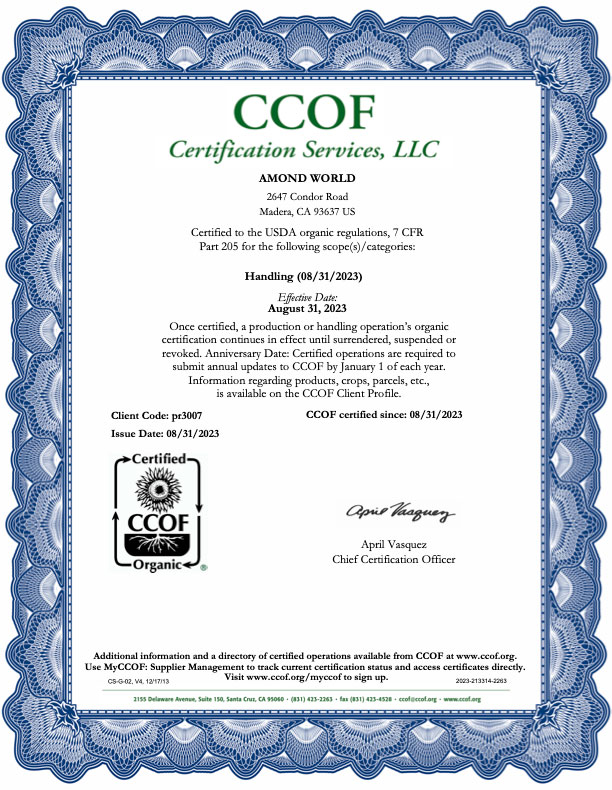
Organic certified products command sustainability premiums averaging 25-35% above conventional products in retail channels. CCOF (California Certified Organic Farmers) certification for CVCS’s organic storage zone represents explicit verification that product integrity is maintained throughout cold chain handling. This certification is increasingly significant because major retailers (Whole Foods, Kroger Ralphs, Natural Grocers) require audited chain-of-custody documentation confirming that organic products never contact conventional product residues or non-organic materials.
CVCS’s dedicated organic storage zone at 28°F with segregated compressor circuits and independent refrigeration lines provides definitive audit trail evidence of organic product isolation. This facility segregation, documented in routine third-party audits, qualifies the facility for “premium organic handler” status, enabling customers to maintain organic certification and command premium pricing despite the cost of cold storage. Organic growers and shippers moving volume through facilities lacking dedicated organic segregation face certification challenges and premium pricing penalties that offset or exceed cold storage cost differentials.
Furthermore, organic supply chains increasingly incorporate carbon footprint labeling and transparent ESG communication to end consumers. A product labeled “CCOF Certified Organic, Carbon Neutral Certified, from Sustainably Powered Cold Chain” commands 10-15% price premium beyond baseline organic premium. This consumer-facing sustainability communication is enabled only by cold storage providers with verified renewable energy systems and third-party carbon accounting.
FSMA 204 Compliance and Food Safety as ESG Component
The Food Safety Modernization Act (FSMA) Section 204 establishes mandatory preventive controls and traceability requirements for all human food supply chain participants. While primarily a food safety mandate, FSMA 204 intersects with ESG initiatives through transparency and risk management requirements. Facilities operating at sustained higher temperatures (due to inadequate refrigeration redundancy or control systems) incur increased risk of pathogen growth, product spoilage, and supply chain disruption.
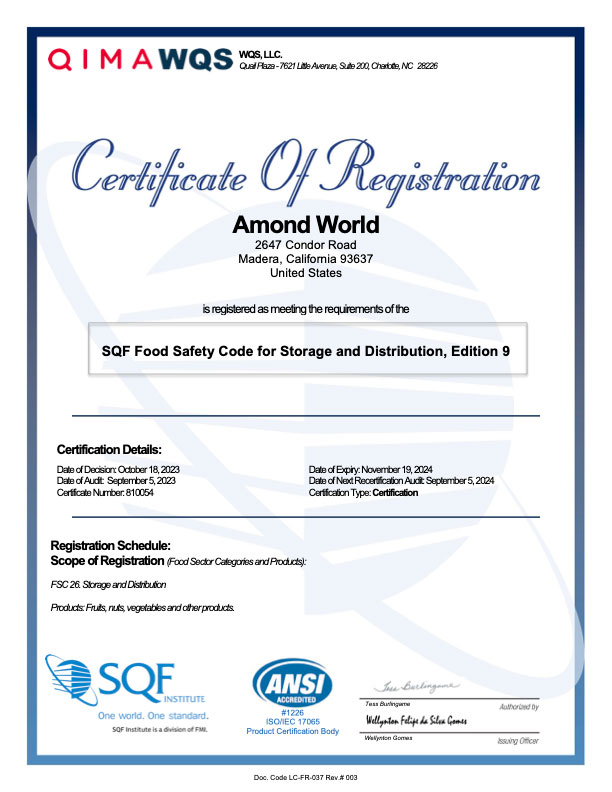
Central Valley Cold Storage’s FSMA 204 readiness—including real-time temperature monitoring, automated alert systems, and comprehensive documentation—provides quantifiable evidence of food safety management to ESG-conscious retailers. Facilities meeting FSMA 204 standards are increasingly required by major customers as baseline table-stakes for supply chain partnerships. CVCS’s proactive compliance position differentiates the facility from regional competitors lacking formal FSMA implementation, supporting both food safety credentials and ESG procurement requirements.
R744 CO2 Refrigeration: The ESG Standard for Cold Storage
R744 (CO2) refrigeration systems represent the highest-standard low-global-warming-potential refrigerant technology currently deployed in commercial cold storage. With a GWP of 1 (CO2 is the baseline against which all GWPs are measured), R744 systems eliminate the catastrophic climate impact of high-GWP refrigerant leakage. Regulatory frameworks increasingly restrict or phase out high-GWP refrigerants: the EU banned R404A in 2015, the U.S. EPA implemented gradual phase-down through 2030, and California state legislation (effective 2025) imposes severe restrictions on high-GWP refrigerant installations.
R744 systems operate with superior thermodynamic efficiency in cold storage applications, achieving 12-15% energy efficiency improvements over R404A systems. This efficiency advantage directly reduces electrical consumption and associated Scope 2 emissions, amplifying the ESG benefits of renewable energy integration. A facility combining R744 refrigeration with solar power generation achieves carbon footprint levels 85-90% lower than conventional R404A systems powered by grid electricity.
The technical performance and ESG advantages of R744 are increasingly reflected in retailer procurement specifications. Walmart’s renewable energy and R744 requirements, Costco’s carbon intensity thresholds, and Amazon’s carbon neutrality mandates are all achievable or exceeded through R744 systems powered by renewable energy. Facilities investing in R744 today position themselves at the leading edge of global cold storage sustainability standards, ensuring compatibility with retailer mandates for the next 15-20 years.
Carbon Accounting and Third-Party Verification
ESG procurement increasingly requires third-party verification of sustainability claims. Facilities claiming “carbon neutral” or “low-carbon” operations must support these claims with audited carbon accounting, verified renewable energy sourcing, and transparent methodology documentation. Third-party certifiers (Science Based Targets initiative, Carbon Trust, Bureau Veritas, TUV) provide independent verification that facility carbon footprints are accurately calculated and meet stated reduction targets.
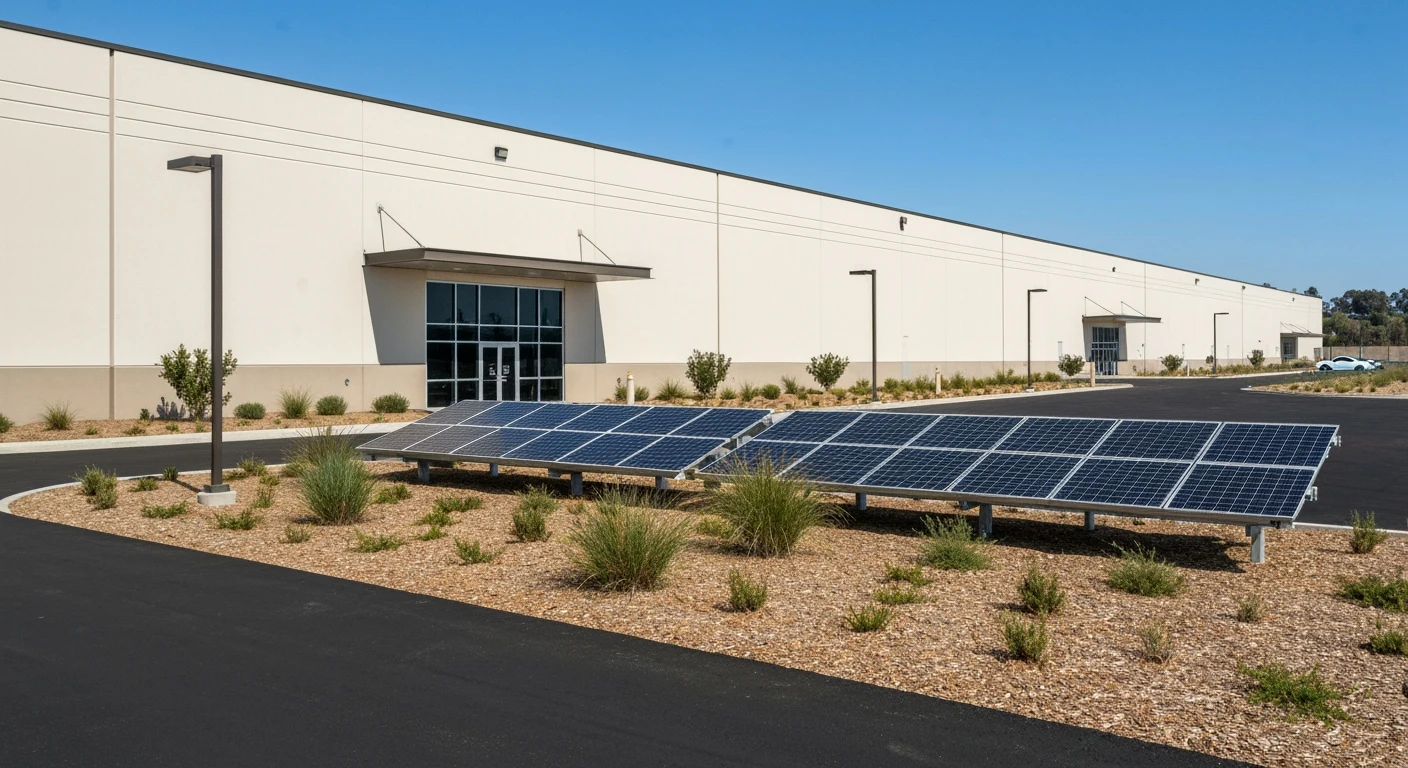
Central Valley Cold Storage’s renewable energy system provides straightforward carbon accounting: solar generation is metered in real-time, with output data available for third-party verification. Battery system losses are documented and quantified in emissions calculations. Refrigerant inventory is tracked quarterly with leak detection audits, demonstrating zero fugitive emissions from R744 systems. This transparent data trail enables rapid third-party verification and supports customer ESG reporting requirements with minimal audit friction.
Retailers incorporating Scope 3 emissions reduction in publicly disclosed ESG targets must substantiate these claims with audited supply chain carbon accounting. CVCS’s documented renewable energy generation and verified refrigerant systems provide customers with concrete evidence of carbon reductions, enabling confident ESG reporting and stakeholder communication.
FAQ: ESG and Cold Storage Sustainability
- Q: How can our company demonstrate Scope 3 emissions reduction through cold storage partner selection?
- A: Cold storage facilities powered by renewable energy and using R744 refrigerant reduce product-specific Scope 3 emissions by 75-80% compared to conventional grid-powered R404A systems. Shifting 50% of cold storage volume to sustainable facilities delivers approximately 15-20% reduction in total food supply chain Scope 3 emissions, directly supporting corporate ESG targets. This reduction is documented through third-party carbon accounting and supported by facility-level renewable energy generation data.
- Q: What specific metrics do major retailers (Costco, Walmart, Amazon) require in sustainability compliance?
- A: Common requirements include: (1) carbon intensity ≤25 kg CO2 per metric ton per day (Costco); (2) renewable energy matching ≥80% of electrical consumption (Walmart); (3) carbon neutrality equivalent certification within 24 months (Amazon); (4) R744 or equivalent low-GWP refrigeration systems; (5) quarterly third-party carbon accounting verification. CVCS meets or exceeds all these standards through current operations.
- Q: How does R744 refrigeration impact product quality compared to R404A systems?
- A: R744 systems operate at comparable temperature control accuracy and stability as R404A systems, with no product quality impact. In fact, R744’s superior thermodynamic efficiency enables more precise temperature management in precision temperature zones (e.g., finishing ripening chambers). No product quality degradation has been observed in CVCS’s R744 systems relative to regional R404A competitors.
- Q: Can cold storage carbon footprints be reduced further below CVCS’s current 120-150 kg CO2 per metric ton?
- A: Further reductions would require either (1) sourcing electricity from zero-carbon sources other than solar (geothermal, hydro), which are geographically unavailable in Madera; or (2) reducing operational refrigeration loads through facility design innovations. CVCS’s 120-150 kg CO2 per metric ton approaches the practical minimum for large-scale industrial cold storage in California’s climate and geography.
- Q: How frequently should we audit our cold storage partner’s ESG claims?
- A: Annual audits are industry standard, with quarterly verification of renewable energy generation data and refrigerant inventory. CVCS maintains real-time monitoring systems with data dashboards enabling customer verification at any point. Third-party carbon accounting audits are conducted annually by accredited verifiers.
- Q: Are there supply chain partnership benefits beyond carbon accounting?
- A: Yes. Retailers publicly highlighting sustainable cold storage partnerships receive positive media coverage and consumer recognition. CVCS’s renewable energy system and R744 refrigeration are distinctive enough to support marketing messaging and differentiation in competitive retail channels. Additionally, supply chain transparency and risk management are supported by FSMA 204 compliance and comprehensive facility documentation.
Conclusion: ESG as Competitive Requirement in Cold Storage
The ESG mandate from major retailers has fundamentally shifted cold storage competition from cost-based selection to sustainability-based differentiation. Facilities failing to meet Scope 3 emissions reduction requirements face contract termination, volume reduction, or pricing pressure from customers unable to achieve corporate sustainability targets. Conversely, facilities like CVCS combining renewable energy, low-GWP refrigeration, and organic certification are positioned as preferred partners, enabling premium pricing and contract security.
For food companies, retailers, and logistics providers evaluating cold storage partnerships, ESG sustainability should be a primary selection criterion, not a secondary consideration. CVCS’s renewable energy infrastructure, R744 refrigeration systems, and organic certification directly support customer sustainability mandates while reducing total supply chain carbon footprint by 75-80% compared to conventional alternatives.
Ready to align your supply chain with ESG targets? Central Valley Cold Storage offers the lowest-carbon cold storage option in the Central Valley. Schedule a sustainability consultation and carbon footprint analysis for your specific product requirements.