
Dairy and Cold Storage: The California Context
California is the largest dairy-producing state in the country, with the San Joaquin Valley accounting for the majority of that output. Fresno, Tulare, Kings, and Madera counties collectively house thousands of dairy operations producing fluid milk, cheese, butter, and cream. Cold storage infrastructure is essential at every link in the dairy supply chain — from the farm bulk tank to the distribution center to the retailer.
Central Valley Cold Storage serves dairy shippers and processors who need reliable refrigerated space that meets the temperature and compliance requirements of dairy products, with the flexibility to co-locate alongside produce and nut operations in a shared facility.
Temperature Requirements for Dairy Products
Fluid milk and cream require continuous storage between 34°F and 38°F (1–3°C). Even brief temperature excursions above 40°F accelerate bacterial growth and reduce shelf life. The USDA Grade A Pasteurized Milk Ordinance (PMO) sets mandatory temperature requirements for fluid milk handling at every stage.
Natural cheese aging takes place at a range of temperatures depending on the variety: cheddar ages at 50–55°F, while Swiss and alpine-style cheeses require 60–65°F for eye development. Proper humidity control (85–95% RH for most hard cheeses) is equally critical to prevent excessive rind formation or moisture loss.
Butter and butterfat products are typically stored at 28–32°F for short-term and at -10°F or below for long-term warehouse storage. California butter production peaks in spring and summer when feed costs are lower — producers often build inventory during these months for distribution through fall and winter.
FDA and CDFA Compliance for Dairy Cold Storage
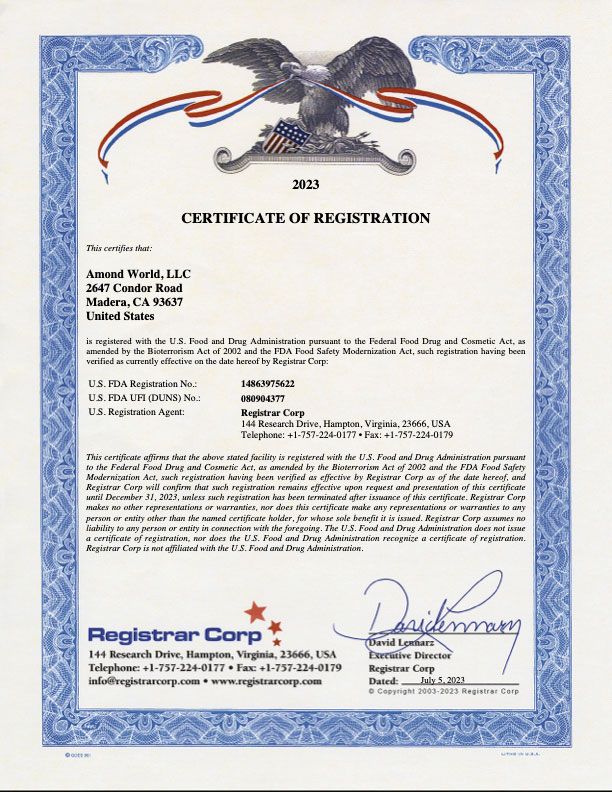
Dairy cold storage in California operates under dual oversight: federal FDA regulations under the Food Safety Modernization Act (FSMA) and state California Department of Food and Agriculture (CDFA) requirements. Cold storage facilities receiving dairy products must maintain temperature logs, pass periodic inspections, and demonstrate HACCP plan compliance.
FSMA’s Preventive Controls for Human Food rule requires that refrigerated food storage facilities conduct hazard analysis and implement preventive controls for temperature-sensitive commodities. Dairy facilities must document temperature deviations, establish corrective action procedures, and maintain records available for FDA inspection within 24 hours of request.
Co-Location of Dairy and Produce in Shared Facilities
A common question from dairy shippers is whether refrigerated dairy products can be safely co-located with produce in the same facility. The answer depends on product type and storage zone design. Ethylene-sensitive dairy products should be stored in zones isolated from climacteric fruits (such as melons and stone fruit) that produce high ethylene. Odor transfer is another consideration — aged cheeses and certain dairy products can absorb off-odors from produce with strong aromatics.
Modern multi-temperature facilities like Central Valley Cold Storage use zone segregation, positive air pressure differentials, and dedicated loading docks to manage co-location safely. Many dairy producers successfully store butter and hard cheese alongside nut and grain commodities with no quality issues when proper zoning is in place.
Inventory Management for Dairy Shippers
Dairy cold storage presents distinct inventory management challenges compared to produce. Cheese aging requires lot tracking with precise entry dates — the age of the cheese determines its market value and grade. Butter and cream inventories are often pledged as collateral for agricultural credit facilities, requiring certified warehouse receipts and third-party inventory verification.
Central Valley’s location near Highway 99 and the Madera Airport Industrial Park provides efficient access to both the Bay Area and Southern California distribution networks, reducing drayage costs for dairy shippers who need to move product to fluid milk plants or distribution centers on short notice.