
For enterprise procurement directors, selecting a cold storage partner is a high-stakes decision that extends far beyond mere cost. It involves safeguarding product integrity, ensuring regulatory adherence, and optimizing supply chain resilience. A meticulously structured Request for Proposal (RFP) evaluation process is paramount to identify a partner that can meet complex demands, minimize risk, and deliver long-term value. This guide outlines a definitive scoring framework, focusing on seven critical categories weighted to reflect their strategic importance in modern cold chain logistics.
What is a Cold Storage RFP?
A Cold Storage Request for Proposal (RFP) is a formal document issued by an organization to solicit detailed proposals from potential cold storage providers. It outlines specific requirements for temperature-controlled warehousing, logistics, and value-added services, enabling a structured evaluation to select the most suitable partner.
1. Temperature Control and Monitoring (Weight: 25%)
Precision in temperature management is the bedrock of cold storage. This category assesses a provider’s fundamental capability to maintain specified environmental conditions consistently and reliably.
- Temperature Range Capabilities: Evaluate the provider’s ability to maintain a diverse range of temperatures, from chilled (+2°C to +8°C for pharmaceuticals and some produce) to deep-frozen (e.g., ≤ -18°C for most frozen foods, to as low as -30°C for delicate products, and -50°C to -80°C for ultra-low applications). Verify their experience with specific ranges relevant to your product portfolio.
- Zone Separation: Assess the physical and operational segregation of different temperature zones within the facility. Can they accommodate multi-temperature requirements without cross-contamination or compromise of environmental stability? Central Valley Cold Storage, for instance, operates five storage bays with individually settable temperature and humidity levels.
- Monitoring Frequency & Accuracy: Inquire about the frequency of temperature and humidity readings (e.g., continuous monitoring with data logged at 15-minute intervals). What type of calibrated sensors are used, and how is data integrity ensured?
- Alarm Systems & Protocols: Detail the alarm system’s sophistication. Does it offer real-time alerts (SMS, email) for deviations? What are the escalation protocols for critical temperature excursions, including response times and designated personnel?
- Redundancy (N+1 Systems): A robust cold storage facility incorporates redundancy in critical cooling infrastructure (e.g., N+1 or 2N refrigeration systems, multiple compressors, backup condensers) to prevent single points of failure.
- Excursion Protocols: Beyond alarms, what are the documented procedures for handling temperature excursions? This includes product quarantine, damage assessment, root cause analysis, and corrective/preventive actions.
2. Regulatory Compliance (Weight: 20%)
Adherence to stringent food safety and other industry-specific regulations is non-negotiable, protecting both public health and brand reputation.
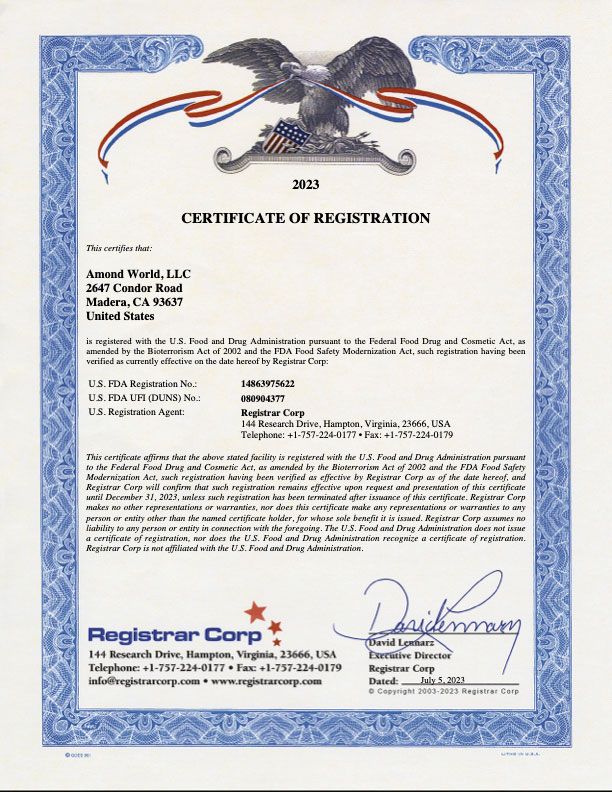
- FSMA 204 Readiness: The FDA’s Food Safety Modernization Act (FSMA) Rule 204 mandates enhanced record-keeping and traceability for foods on the Food Traceability List (FTL). Crucially, the compliance deadline has been extended to July 20, 2028. Your partner must demonstrate capability to capture and share Key Data Elements (KDEs) at Critical Tracking Events (CTEs) across the supply chain and provide traceability data to the FDA within 24 hours upon request.
- Digital Traceability: Beyond basic record-keeping, evaluate the digital infrastructure for end-to-end traceability. Can they provide lot-level traceability that integrates seamlessly with your systems? Digital traceability systems are essential for meeting regulatory demands and improving accuracy.
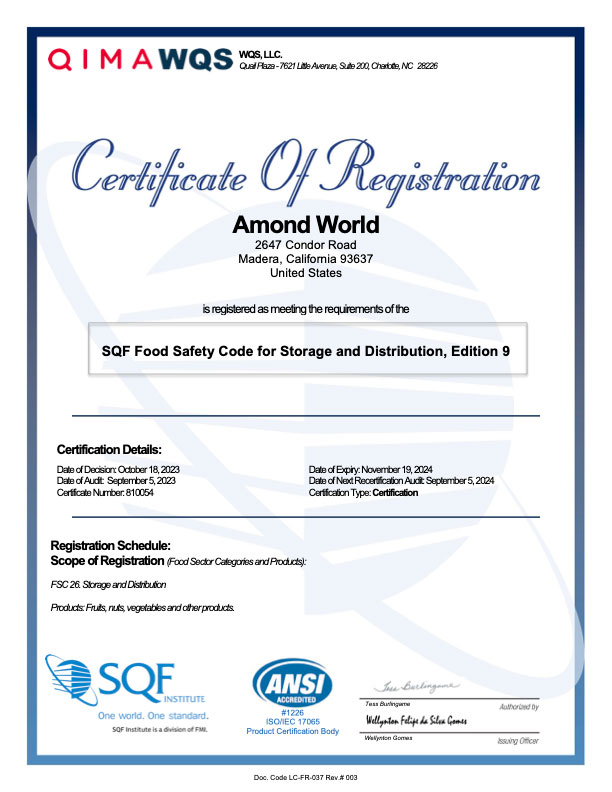
- GFSI Certifications (SQF, BRCGS, FSSC 22000, IFS Logistics): Global Food Safety Initiative (GFSI)-benchmarked certifications like Safe Quality Food (SQF), BRCGS Storage and Distribution, FSSC 22000, or IFS Logistics are critical. These demonstrate a commitment to rigorous food safety management systems and are often required by major retailers and food manufacturers. Central Valley Cold Storage is certified by SQF.
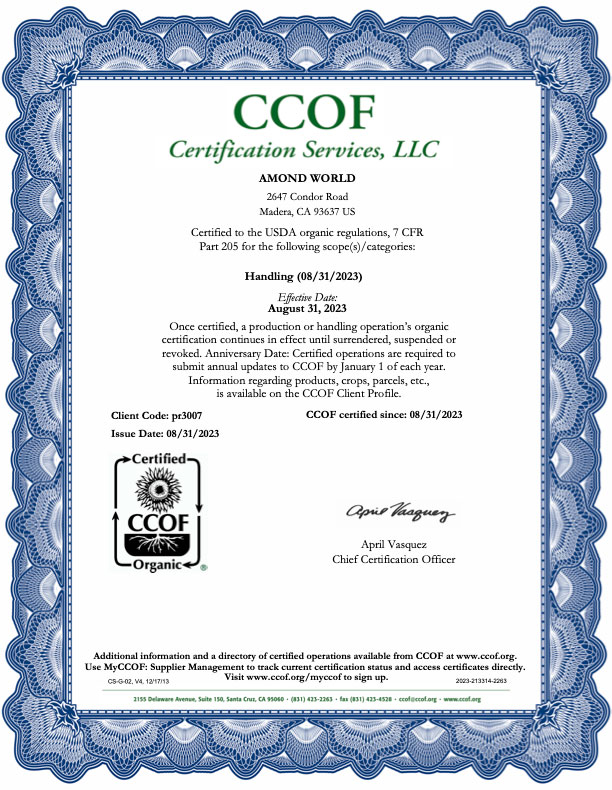
- Organic Certifications (e.g., CCOF): For organic products, ensure the facility holds relevant organic handling certifications, such as CCOF (California Certified Organic Farmers). Central Valley Cold Storage is CCOF certified.
- Other Industry-Specific Certifications: Depending on your product (e.g., pharmaceuticals, highly regulated chemicals), inquire about additional certifications like GDP (Good Distribution Practices) or specific hazardous material handling permits.
3. Energy Resilience (Weight: 15%)
Uninterrupted power supply is vital to prevent catastrophic product loss and ensure operational continuity, especially in regions prone to grid instability.
- Backup Power Systems: Assess the type and capacity of backup power. Does the facility employ large-scale generators (diesel, natural gas) or Uninterruptible Power Supply (UPS) systems?
- Renewable Energy Integration: Prioritize providers leveraging renewable energy sources. Evaluate solar arrays, battery storage, or microgrid capabilities. For example, Central Valley Cold Storage operates off-grid, powered by a 1200kW solar array and large-scale battery storage, making it the largest cold storage facility in the U.S. to do so.
- Uptime Service Level Agreements (SLAs): Demand explicit uptime SLAs. Industry benchmarks for high availability typically range from 99.9% (approximately 8 hours and 45 minutes of allowable downtime per year) to 99.99% (around 52.6 minutes of downtime per year). Understand what constitutes ‘downtime’ and any exclusions.
- Load Management and Energy Efficiency: Inquire about energy-efficient practices, such as optimized refrigeration cycles, LED lighting, and insulation, which contribute to resilience and cost stability.
4. Technology and Integration (Weight: 15%)
Advanced technology drives efficiency, transparency, and data-driven decision-making within the cold chain.
- WMS Capabilities: Evaluate the sophistication of their Warehouse Management System (WMS). Does it offer robust inventory control (lot, batch, FIFO/FEFO), real-time temperature monitoring, automated data capture, and compliance reporting?
- API/EDI Integration: Seamless data exchange is crucial. Confirm their ability to integrate via Application Programming Interfaces (APIs) for real-time data flow and Electronic Data Interchange (EDI) for standardized transaction sets (e.g., ANSI X12, XML, flat files).
- Real-time Inventory Visibility: Does the WMS provide real-time, accurate inventory counts and location data accessible to you? This is vital for planning, fulfillment, and preventing stockouts.
- Client Portal: A secure, intuitive client portal enhances transparency. Central Valley Cold Storage’s portal allows clients to reserve space, schedule deliveries, check inventory status, and access various reports.
- Reporting & Analytics: Assess their reporting capabilities. Can they generate customized reports on inventory turns, temperature logs, order accuracy, and other key performance indicators (KPIs)?
5. Location and Logistics (Weight: 10%)
Strategic location is critical for optimizing transit times, reducing transportation costs, and improving supply chain responsiveness.
- Proximity to Production/Distribution: Evaluate the facility’s distance from your production sites, key markets, and existing distribution networks.
- Transit Corridors: For Central Valley Cold Storage, its Madera, CA location offers convenient access to major California highways like SR-99 and I-5, facilitating efficient truckload operations throughout California and the West Coast.
- Multi-modal Access: Consider access to other transportation modes, such as rail lines or major ports (e.g., Port of Oakland, Port of Stockton for Central Valley, CA).
- Capacity and Scalability: Does the facility have sufficient capacity to meet your current needs and the ability to scale for future growth? Central Valley Cold Storage boasts a 254,000 sq ft facility with a 50 million pound capacity.
- Local Labor Market: Inquire about the stability and availability of the local labor force for cold storage operations.
6. Financial Structure (Weight: 10%)
A transparent and flexible financial relationship is key to a sustainable partnership.
- Pricing Transparency: Demand clear, itemized pricing structures with no hidden fees. Understand how charges are calculated for storage, handling, energy, and value-added services.
- Contract Flexibility: Evaluate the contract terms, including duration, termination clauses, and options for volume adjustments. Can the contract adapt to market fluctuations or changes in your business needs?
- Inventory-Backed Financing: Some providers offer inventory-backed financing options, which can be a significant advantage for managing working capital. Central Valley Cold Storage mentions supporting financing.
- Title Transfer Services: For certain commodities, especially in agricultural markets, services like title transfer can streamline transactions between sellers and buyers, reducing administrative burden. Central Valley Cold Storage manages transfer of ownership.
7. Sustainability and ESG (Weight: 5%)
Environmental, Social, and Governance (ESG) considerations are increasingly important for corporate responsibility and long-term viability.
- Refrigerant Type (Natural vs. Synthetic): Prioritize facilities utilizing natural refrigerants such as ammonia (R-717), carbon dioxide (R-744), or propane (R-290). These have ultra-low Global Warming Potentials (GWPs), often near 1, and generally offer better energy efficiency compared to synthetic hydrofluorocarbons (HFCs), which can have GWPs hundreds or thousands of times higher than CO2.
- Carbon Footprint Reporting: Can the provider offer verifiable data on their operational carbon footprint and demonstrate ongoing efforts for reduction?
- Renewable Energy Percentage: Beyond backup, what percentage of their total energy consumption comes from renewable sources? The higher, the better, indicating a strong commitment to environmental stewardship. Central Valley Cold Storage’s 1200kW solar array and battery storage significantly reduce their carbon footprint.
- Waste Reduction & Recycling Programs: Inquire about their waste management practices, including recycling initiatives for packaging, plastics, and other materials.
- Social & Governance Practices: Assess their labor practices, safety records, community engagement, and corporate governance policies.
Cold Storage RFP Scoring Matrix Format
Below is a suggested weighted scoring matrix to standardize your evaluation. A 1-5 scale is recommended for individual criteria, where 1 = Fails to meet requirements, 3 = Meets basic requirements, and 5 = Exceeds requirements with innovative solutions.
| Scoring Category | Weight (%) | Evaluation Criteria | Max Score (5 points) | Your Score | Weighted Score (Your Score * Weight/5) |
|---|---|---|---|---|---|
| 1. Temperature Control & Monitoring | 25% | Diverse Temperature Range Capabilities | 5 | ||
| Effective Zone Separation | 5 | ||||
| Monitoring Frequency & Accuracy | 5 | ||||
| Robust Alarm Systems & Protocols | 5 | ||||
| Redundancy (N+1 Systems) | 5 | ||||
| Documented Excursion Protocols | 5 | ||||
| 2. Regulatory Compliance | 20% | FSMA 204 Readiness & Digital Traceability | 5 | ||
| GFSI Certifications (SQF, BRCGS, etc.) | 5 | ||||
| Organic Certifications (if applicable) | 5 | ||||
| Other Industry-Specific Certifications | 5 | ||||
| 24-Hour FDA Data Submission Capability | 5 | ||||
| 3. Energy Resilience | 15% | Backup Power Systems (Generators, UPS) | 5 | ||
| Renewable Energy Integration (Solar, Battery) | 5 | ||||
| Uptime Service Level Agreements (SLAs) | 5 | ||||
| Load Management & Energy Efficiency | 5 | ||||
| 4. Technology & Integration | 15% | WMS Capabilities & Inventory Control | 5 | ||
| API/EDI Integration Capabilities | 5 | ||||
| Real-time Inventory Visibility | 5 | ||||
| Client Portal Functionality | 5 | ||||
| Advanced Reporting & Analytics | 5 | ||||
| 5. Location & Logistics | 10% | Proximity to Production/Distribution | 5 | ||
| Access to Key Transit Corridors (I-5, CA-99) | 5 | ||||
| Multi-modal Access (Ports, Rail) | 5 | ||||
| Capacity & Scalability | 5 | ||||
| 6. Financial Structure | 10% | Pricing Transparency | 5 | ||
| Contract Flexibility | 5 | ||||
| Inventory-Backed Financing Options | 5 | ||||
| Title Transfer Services | 5 | ||||
| 7. Sustainability & ESG | 5% | Natural Refrigerant Utilization (Ammonia, CO2) | 5 | ||
| Carbon Footprint Reporting | 5 | ||||
| Renewable Energy Percentage | 5 | ||||
| Waste Reduction & Recycling Programs | 5 | ||||
| Social & Governance Practices | 5 | ||||
| TOTAL WEIGHTED SCORE | |||||
Conclusion
The strategic selection of a cold storage partner is a critical determinant of supply chain success and product integrity. By adopting a comprehensive, weighted RFP scoring guide, enterprise procurement teams can move beyond superficial comparisons to identify partners, like Central Valley Cold Storage, that offer not only competitive pricing but also unparalleled operational excellence, robust compliance, and a forward-thinking commitment to sustainability. This rigorous evaluation ensures that your chosen provider is a true extension of your quality and reliability standards, safeguarding your valuable inventory and enhancing your market position.