What Does Cold Storage Cost in Madera, CA?
Every grower in the San Joaquin Valley asks the same question before harvest: what will storage cost me, and will it pay for itself? The answer depends on commodity type, storage duration, volume, and the facility’s energy infrastructure. This guide breaks down real 2026 rate structures so you can make an informed decision.
2026 Cold Storage Rate Ranges by Commodity
Cold storage rates in California’s Central Valley vary by commodity because each product demands different temperature ranges, humidity controls, and handling protocols.
Tree Nuts (Almonds, Pistachios, Walnuts)
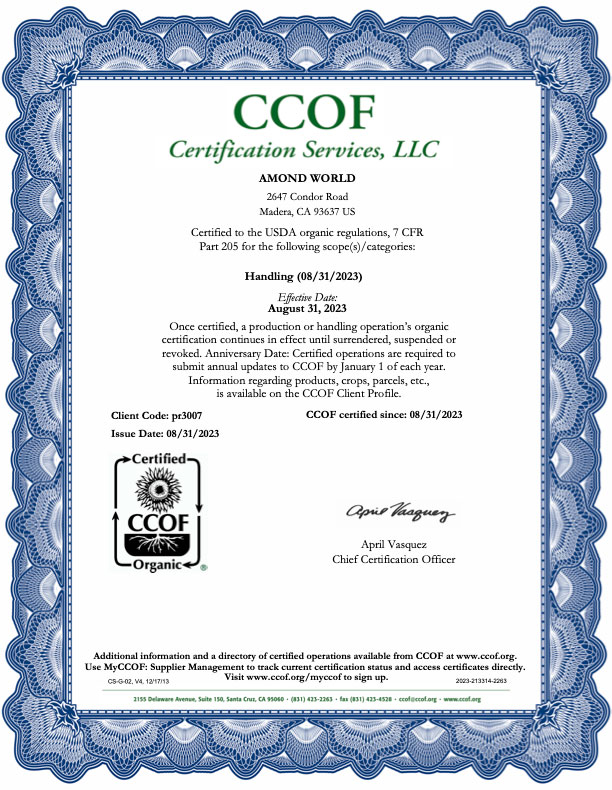
Tree nuts require consistent temperatures between 32-36 degrees F with relative humidity at 65-70% to prevent rancidity and aflatoxin development. Short-term storage (1-3 months) carries higher per-unit rates due to increased handling frequency, with premium pricing during harvest season (August-October). Long-term storage (4-12 months) offers reduced rates on volume commitments — growers who contract before harvest secure meaningfully below spot pricing. Organic-certified storage with CCOF certification commands a premium, but organic nuts sell at sufficient premiums to justify it.
Fresh Produce (Stone Fruit, Citrus, Table Grapes, Berries)
Produce storage is more complex and typically more expensive than nut storage because of tighter temperature tolerances, humidity requirements above 90%, and shorter storage windows. Pre-cooling charges in the first 24 hours are critical. Ethylene management in mixed-commodity storage requires scrubbing or segregation — facilities with independently controlled bays avoid cross-contamination surcharges. Export-bound produce requires phytosanitary compliance and USDA APHIS certification, adding compliance overhead.
Frozen and Value-Added Products
Sub-zero storage (0 to -20 degrees F) for frozen products, nut butters, and processed goods carries the highest per-unit cost due to energy intensity. However, facilities operating on off-grid solar microgrids offer competitive frozen rates because their energy cost is fixed and not subject to utility rate volatility.
The Hidden Costs Most Facilities Do Not Disclose
The per-pallet rate is never the full picture. When evaluating cold storage costs, ask about these commonly overlooked charges: energy surcharges (grid-dependent facilities pass through increases, especially during summer peak pricing), in-and-out handling fees on every product movement, fumigation costs (cold-treatment facilities eliminate this entirely), insurance and liability allocation, and minimum storage commitments with early withdrawal penalties.
How to Compare Cold Storage Facilities on Total Cost
Smart growers compare total cost of storage per ton over the expected duration rather than base rates. Calculate: base rate plus energy surcharges plus handling plus fumigation plus insurance plus minimum commitment penalties equals true monthly cost per pallet. Factor in spoilage risk — a cheaper facility with unreliable temperature control costs more in lost product. Evaluate proximity and drayage costs. Assess energy resilience by asking what happens during a grid outage. Verify compliance costs for export and organic certifications.
Why Energy Source Is the Biggest Rate Variable in 2026
California’s energy landscape has fundamentally changed cold storage economics. PG&E commercial rates have increased significantly, and time-of-use pricing means refrigeration during peak afternoon hours costs the most. Facilities with solar microgrid infrastructure have decoupled from grid volatility — their rates are more predictable because their largest variable cost is fixed. At Central Valley Cold Storage, our off-grid solar microgrid with battery backup means energy cost per kilowatt-hour is fixed regardless of rate changes, PSPS shutoffs, or peak pricing.
Get a Storage Quote Specific to Your Operation
Rate ranges are useful for planning, but your actual cost depends on your specific commodity, volume, duration, and compliance requirements. We provide detailed quotes within 24 hours that break down every line item — no hidden fees, no energy surcharges, no surprises.
Request a detailed storage quote here
Frequently Asked Questions About Cold Storage Rates
How much does cold storage cost per pallet in the Central Valley? Rates vary by commodity, duration, and facility. Tree nut storage is generally less expensive than fresh produce. Request quotes from multiple facilities and compare total cost including surcharges, handling, and compliance costs.
Are cold storage rates negotiable? Yes. Volume commitments, long-term contracts, and pre-harvest booking provide leverage. Growers who contract before the season typically secure better rates than spot storage during peak harvest.
Why do some facilities charge energy surcharges? Grid-dependent facilities face variable electricity costs during peak pricing periods and pass this through as surcharges. Off-grid facilities offer fixed rates because their energy cost does not fluctuate with utility pricing.
Is organic cold storage more expensive? Facilities with CCOF certification charge a modest premium for compliance and segregation, but the premium is small relative to the price premium organic products command at market.
What is the cheapest month to start cold storage? Demand and rates are lowest January through April before harvest season. Growers who contract during off-peak months secure the most favorable terms.