Highway 99: California’s Agricultural Spine
California State Route 99 runs 424 miles from the Sacramento area south through Stockton, Modesto, Fresno, Visalia, and Bakersfield before connecting to the Los Angeles Basin. It bisects the most productive agricultural region in the world, passing through counties that collectively produce more food value than many entire nations. For cold storage operators and their customers, Highway 99 represents the central axis of California’s agricultural distribution network.
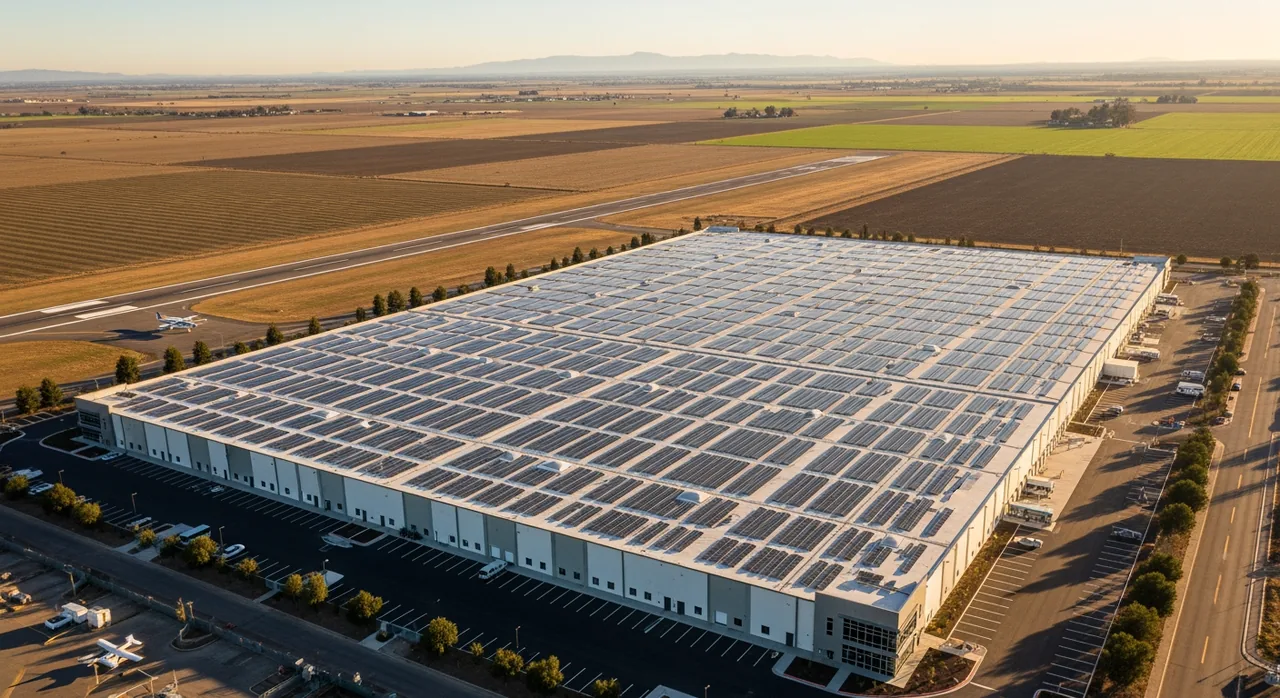
Central Valley Cold Storage’s location in Madera — on Highway 99 between Fresno and Merced — places it at the geometric center of California’s produce and nut production corridor. From this location, refrigerated trucks can reach the Port of Oakland in 3 hours, downtown Los Angeles in 3.5 hours, the Bay Area retail distribution centers in 2.5 hours, and the inland retail markets of Fresno, Bakersfield, and the Central Valley corridor in 30–90 minutes.
The First-Mile Advantage: Harvest to Cold Storage
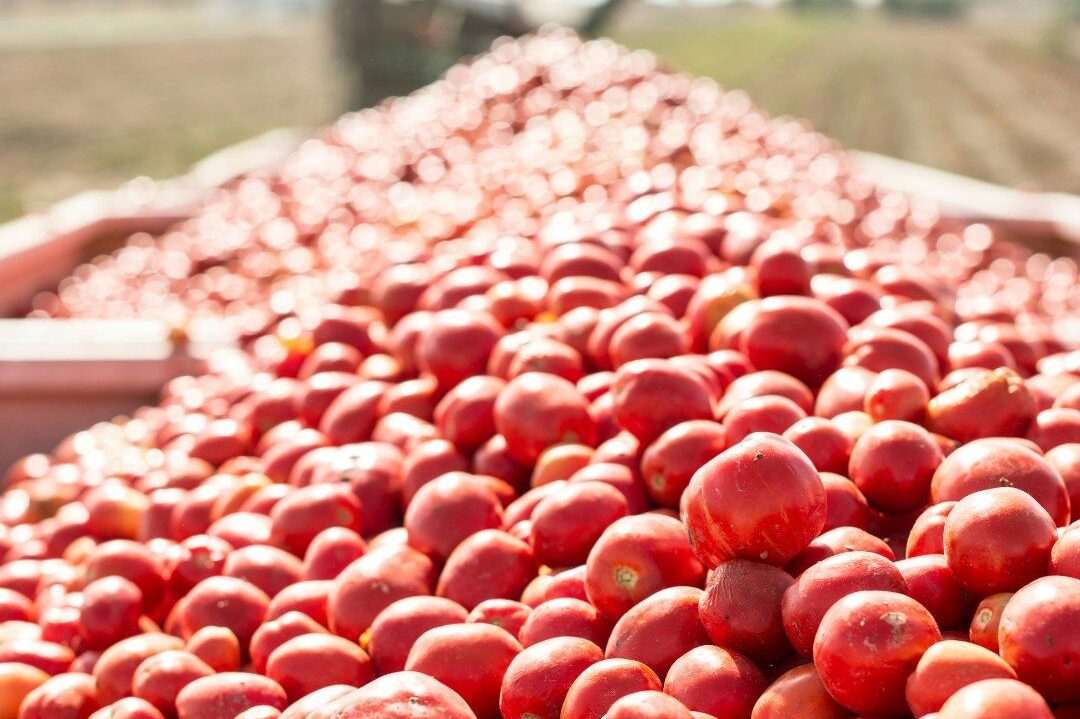
The most critical moment in the agricultural cold chain is the first mile — the interval between harvest and pre-cooling. Produce that is not pre-cooled within 2–4 hours of harvest can lose a significant fraction of its total shelf life. Field heat in the California summer means that fruit harvested at 85°F ambient temperature carries a massive thermal load that must be removed before storage quality stabilizes.
A cold storage facility adjacent to production areas eliminates the costly and quality-degrading practice of shipping warm product to a distant cooling facility. Growers in Madera County can deliver from field to cold storage within 30–60 minutes — a first-mile advantage that no Oakland, Salinas, or Los Angeles facility can replicate for Central Valley production.
Distribution Economics: Comparing Central Valley vs. Coastal Staging
For shippers evaluating where to stage refrigerated inventory for California distribution, the economics of Central Valley staging versus coastal facilities depend on several factors:
Inbound freight: For product grown in the Central Valley, inbound freight to a Madera facility is a fraction of the cost of trucking to Oakland or Los Angeles. A grower delivering almonds from Madera County to Madera storage pays essentially zero drayage. The same grower trucking to Oakland pays $0.08–0.12/mile for a refrigerated load — approximately $200–350 per trip.
Outbound distribution: For distribution to both Northern and Southern California retail, a Central Valley staging point minimizes total outbound miles versus a coastal facility that must serve both directions. The math favors Central Valley staging when 40% or more of distribution volume goes to each corridor.
Port access: For export shipments via Port of Oakland, Highway 99 to I-580 provides direct access. The Port of Los Angeles/Long Beach serves shippers with significant Asian export volumes who are distributing product that originates in the San Joaquin Valley — a truck-to-port run of approximately 4 hours.
Cross-Docking and Temperature-Controlled Staging
Cross-docking — receiving a refrigerated inbound shipment, transferring it to another refrigerated truck without storage in between — is a critical logistics function for distributors who consolidate multiple grower shipments into full truckloads for retail delivery. Central Valley Cold Storage’s multiple loading bays, dock seals, and flexible staging areas support cross-dock operations for distributors managing consolidated loads from multiple Valley shippers.