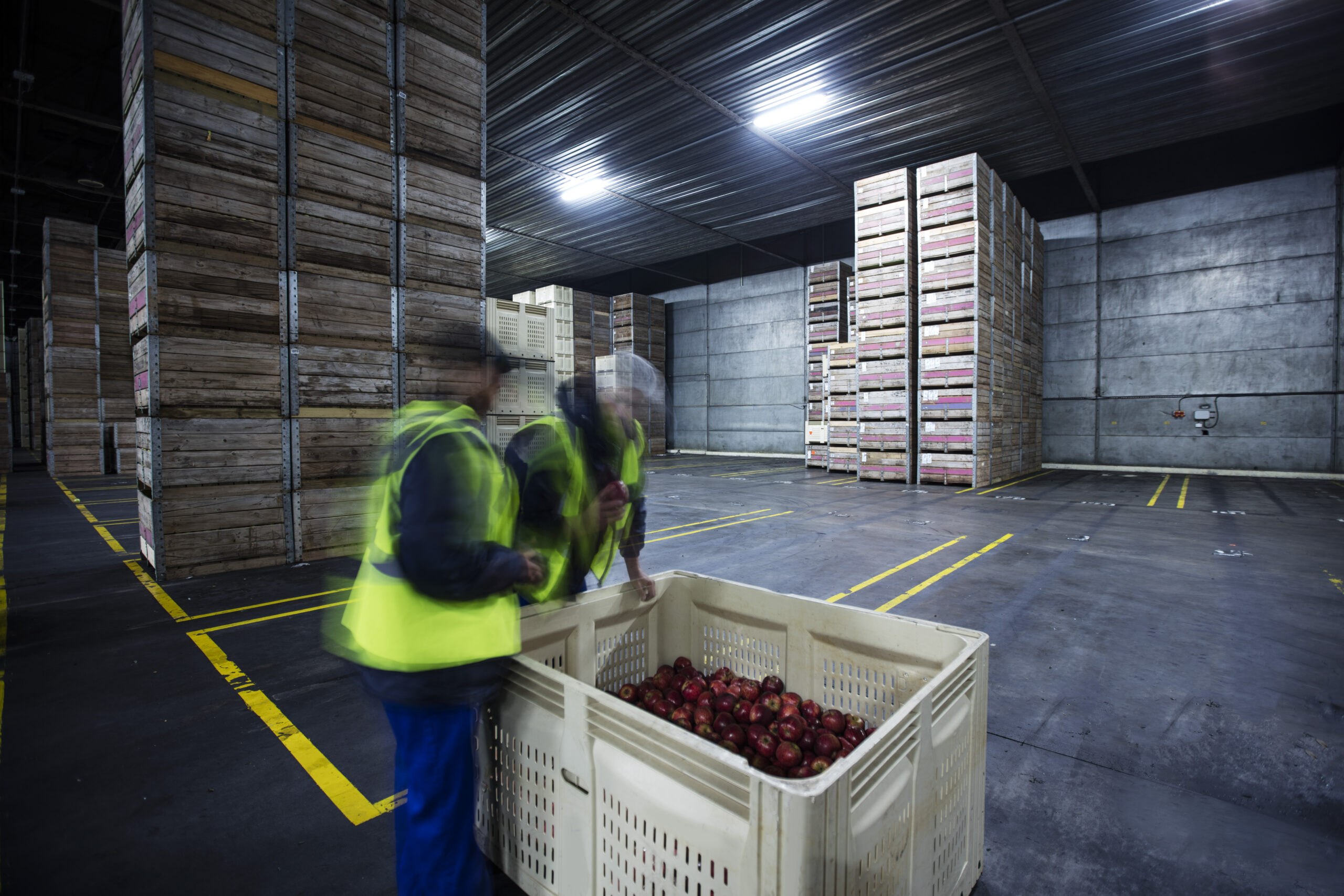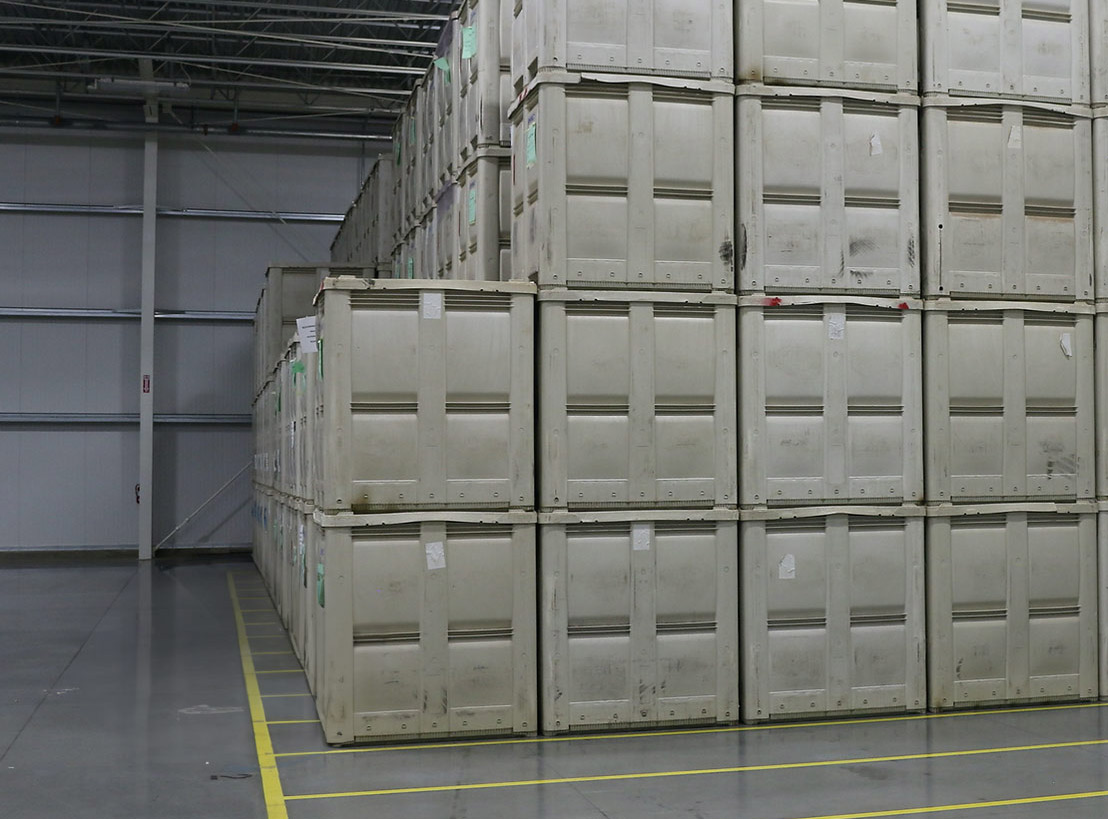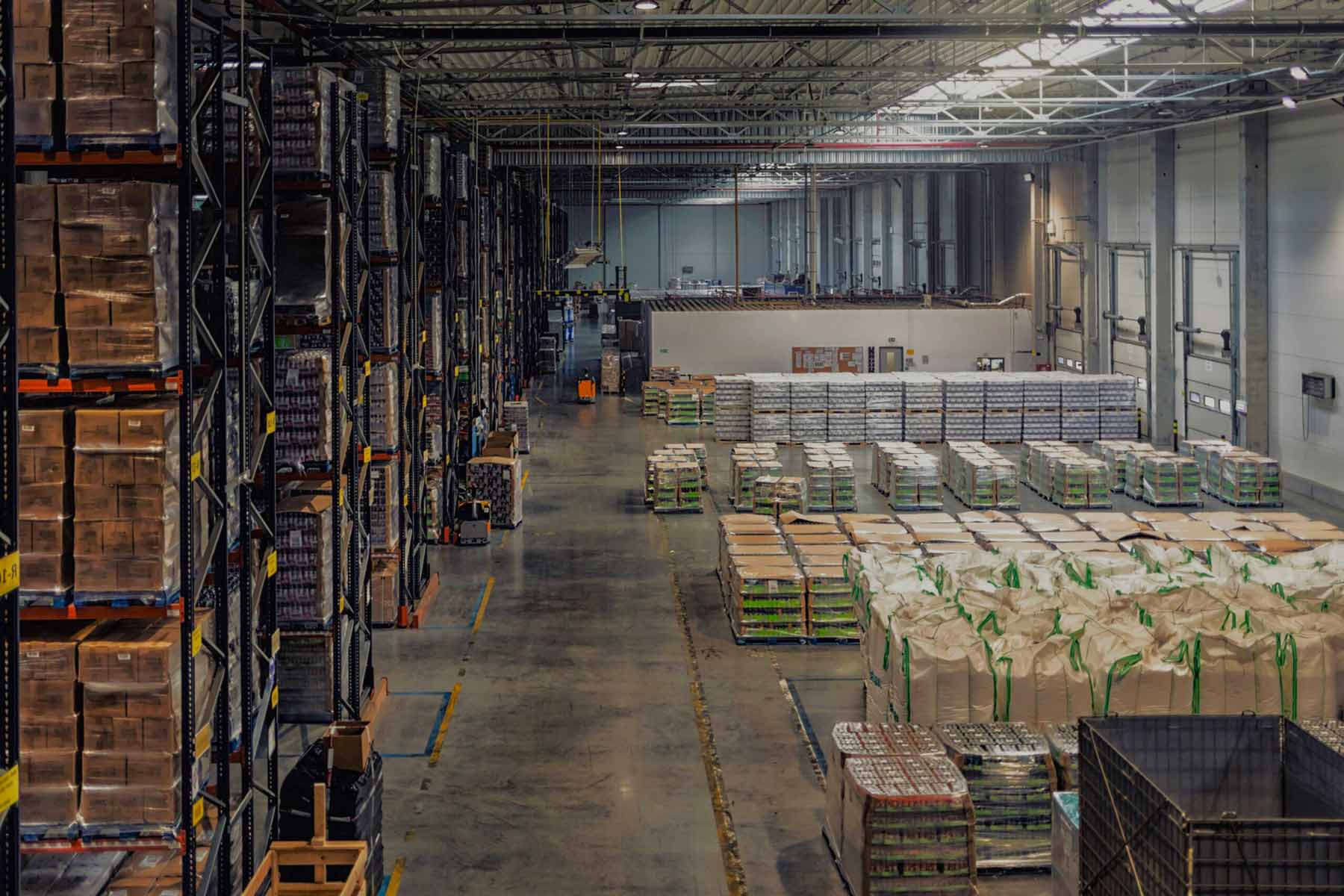
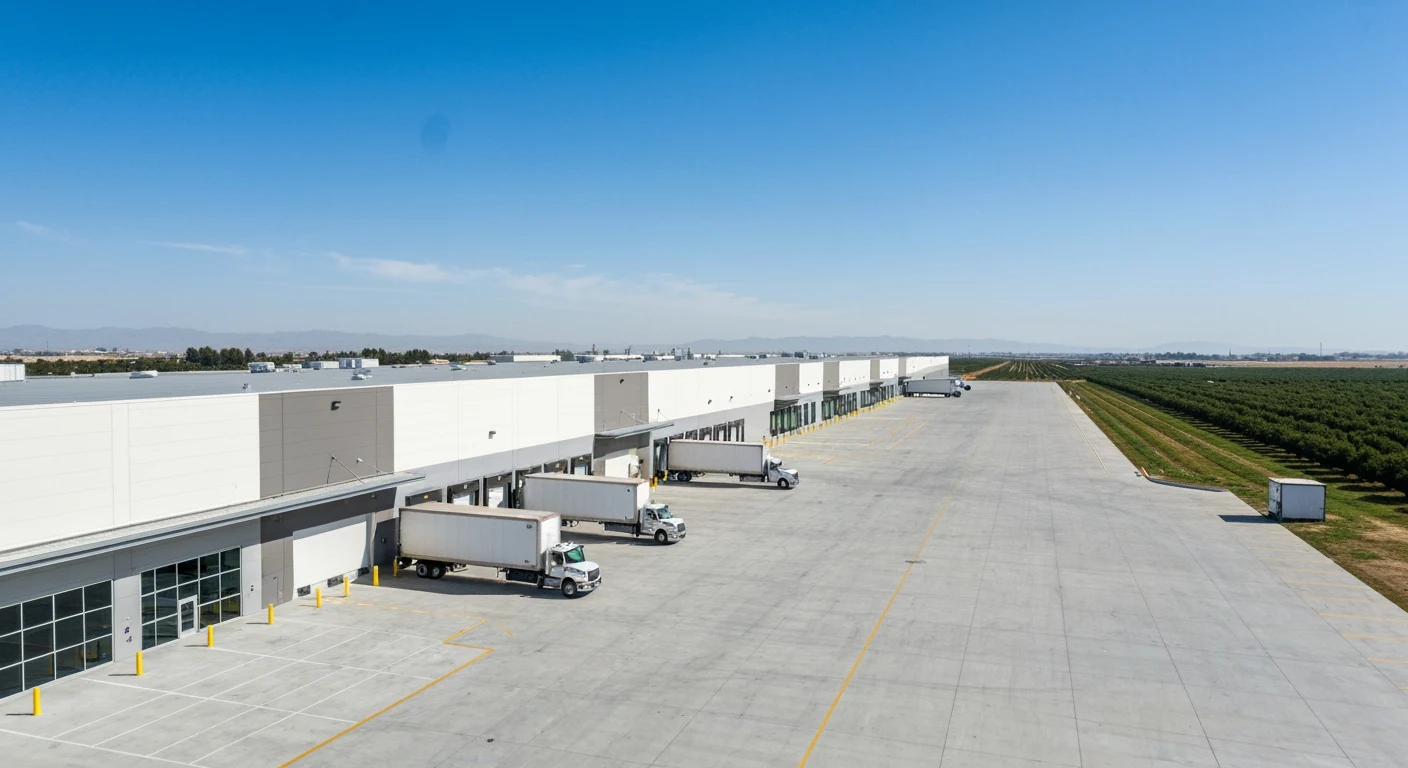
Bakersfield, CA sits at the southern gateway to the Central Valley—one of the most productive agricultural regions in North America. For Kern County growers and producers, access to reliable cold storage infrastructure isn’t a luxury; it’s essential to preserving crop quality, meeting buyer specifications, and competing in regional and national markets.
Central Valley Cold Storage specializes in temperature-controlled warehouse solutions designed for the unique agricultural demands of Bakersfield and Kern County. Whether you’re storing almonds, pistachios, grapes, citrus, carrots, or potatoes—or managing organic certifications and regulatory compliance—our facility combines cutting-edge climate control, off-grid solar power, and industry-leading certifications to protect your harvest.
Why Bakersfield Growers Need Professional Cold Storage
Kern County ranks among the top five agricultural counties in California by production value. The region’s diverse crop portfolio—almonds, pistachios, table grapes, citrus, carrots, and potatoes—demands sophisticated post-harvest handling. Without proper temperature and humidity control, commodity crops deteriorate rapidly, losing market value and failing buyer quality standards.
Local producers face several storage challenges:
- Peak harvest concentration: Almonds, pistachios, and grapes arrive in compressed seasonal windows. On-farm storage fills quickly.
- Regulatory compliance: FSMA 204 produce traceability rules and organic (CCOF) certification require documented temperature control and facility standards.
- Energy costs: Traditional grid-powered refrigeration drives operational expenses. Off-grid renewable alternatives reduce carbon footprint and long-term costs.
- Distance to major markets: Bakersfield sits 100+ miles from San Francisco and Los Angeles ports. Extended storage windows extend market reach and reduce price volatility.
Central Valley Cold Storage addresses these challenges with facility infrastructure built for commodity agriculture, not generic logistics.
Cold Storage Solutions in Bakersfield: What You Need to Know
Professional cold storage facilities provide multiple temperature and humidity zones designed to preserve specific crop characteristics:
Controlled Atmosphere (CA) Storage
Controlled atmosphere storage manipulates oxygen, nitrogen, and carbon dioxide levels to dramatically slow respiration and ethylene production. This extends storage life for table grapes, stone fruits, and some citrus varieties by weeks or months. CA storage requires specialized equipment and expertise—not all regional providers offer it.
Standard Refrigerated Storage
Temperature-controlled rooms maintained at 32–40°F with optimized humidity. Ideal for almonds, pistachios, carrots, potatoes, and most produce varieties. Allows flexible duration storage and easy product access without special gas monitoring.
Commodity-Specific Storage Modes
Almonds: Stored at 35–40°F, 65–70% relative humidity to maintain kernel quality and prevent aflatoxin risk over 8–12 month seasons.
Pistachios: Require tight temperature control (35–38°F) and consistent humidity (60–65% RH) to prevent flavor degradation and mold issues during extended storage.
Grapes: Table grapes benefit from CA storage (1–3% O₂, 5–10% CO₂) to preserve firmness and reduce decay. Standard refrigeration extends market window by 4–6 weeks versus on-farm storage.
Root Vegetables (Carrots, Potatoes): Low-temperature storage (33–36°F) with high humidity (95%+ for some varieties) minimizes weight loss and maintains texture.
Citrus: Citrus varieties store reliably at 45–50°F with moderate humidity. Extended storage (3–6 months) smooths market volatility for Kern County citrus producers.
Central Valley Cold Storage: Certification, Compliance & Sustainability
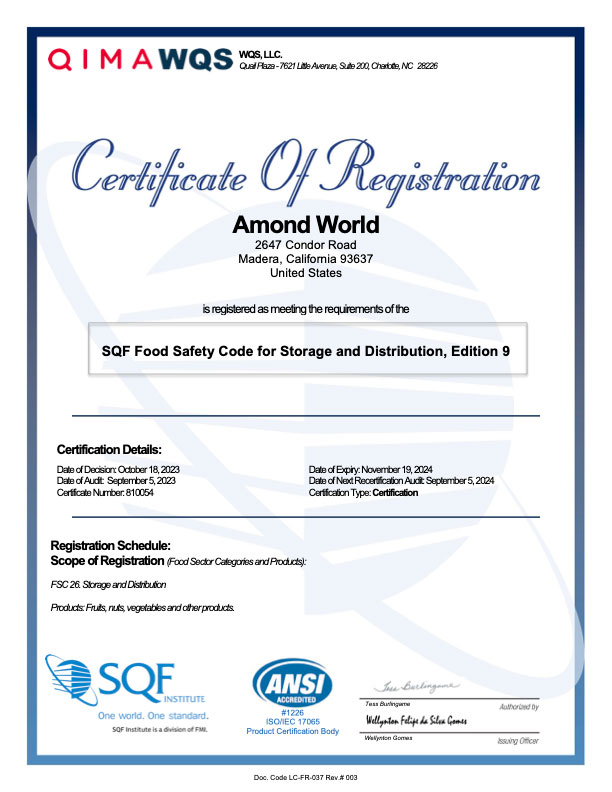
Operating a compliant cold storage facility requires more than refrigeration equipment. We maintain certifications and operational standards that Bakersfield and Kern County producers depend on:
Organic Certification (CCOF)
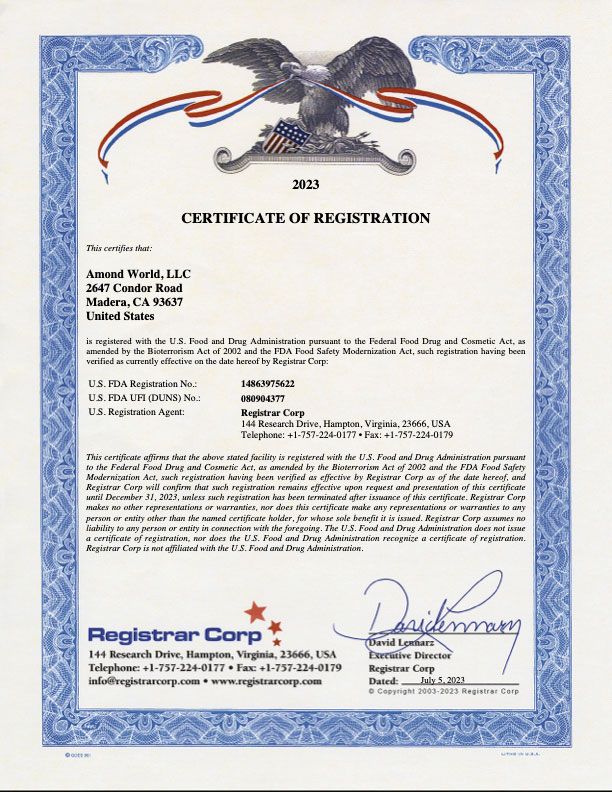
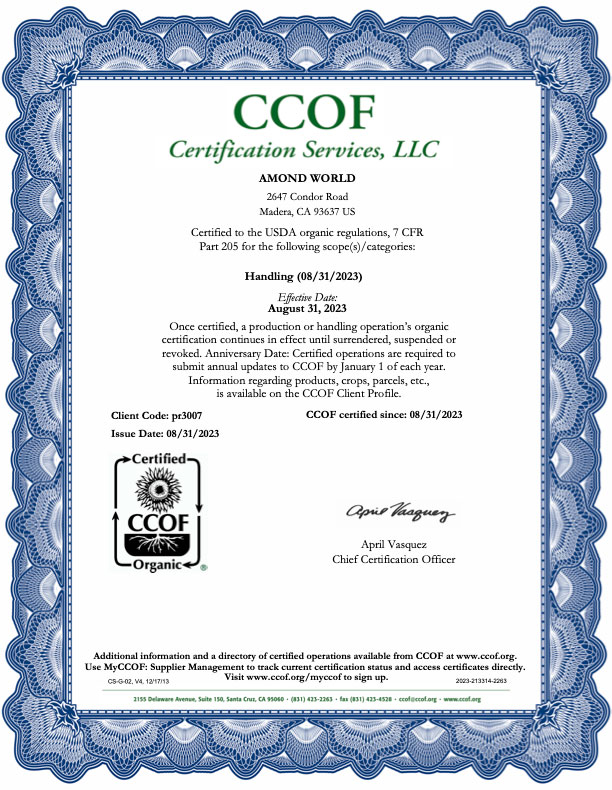
Central Valley Cold Storage is certified by the California Certified Organic Farmers (CCOF) association. Organic producers can store crops without contamination risk or certification jeopardy. Segregated storage areas, documented cleaning protocols, and zero-synthetic pesticide environments meet all organic standards.
FSMA 204 Compliance
The FDA’s Food Safety Modernization Act Section 204 requires detailed traceability from farm to distributor. Our facility maintains complete lot tracking, temperature logs, and documentation systems that integrate with your quality assurance protocols. Every day, every crop, every temperature zone is logged and auditable.
Off-Grid Solar Power & Sustainability
Grid electricity costs drive cold storage expenses. Central Valley Cold Storage’s renewable energy integration—featuring on-site solar generation and battery systems—reduces operational costs and carbon footprint. For Bakersfield producers selling into premium, sustainability-focused markets (organic, regenerative agriculture), solar-powered cold storage adds authentic sustainability credentials.
Our facility’s combination of renewable energy, efficient refrigeration, and waste heat recovery systems reduces energy consumption by 30–40% compared to traditional grid-dependent warehouses.
Cold Storage in Bakersfield vs. National Chain Alternatives
Large national logistics operators (Agri Dade, Lineage Logistics, Americold) have limited presence in the southern Central Valley. Bakersfield producers typically choose between:
- Small on-farm storage: Low upfront investment; limited capacity; no professional climate control or monitoring.
- National chain facilities (300+ miles away): Reliable but high freight costs; less specialized handling for unique crops; limited flexibility.
- Regional specialist facility (CVCS Madera location, ~2 hours north): Expert handling, specialized equipment, compliant infrastructure, responsive service, sustainable operations.
For Bakersfield growers, Central Valley Cold Storage’s Madera facility offers the premium advantage of regional expertise without the distance penalty of national logistics chains. Two hours to storage beats 300+ miles for spoilage risk, transportation cost, and market responsiveness.
Bakersfield Agricultural Economy & Crop Storage Demands
Kern County Agricultural Profile:
- Almonds: Largest commodity crop. August–September harvest. 8–12 month storage windows reach next spring’s farmer’s markets and spring baking season demand.
- Pistachios: September harvest. Demand peaks October–December (holiday season) and January–April (spring markets). Cold storage extends shelf life and stabilizes pricing.
- Table Grapes: June–October harvest. CA storage reaches winter holiday markets and extends season into January–February.
- Citrus (Oranges, Lemons, Grapefruits): October–April harvest. Extended storage captures higher winter/spring prices.
- Root Vegetables (Carrots, Potatoes): Fall harvest. Year-round storage supports consistent supply and stable pricing.
Kern County’s agricultural production ranks in California’s top five by value—roughly $4–5 billion annually. Cold storage infrastructure is foundational to this economic engine. Producers without reliable storage capacity lose significant margin and market opportunity.
FAQs: Cold Storage Solutions for Bakersfield Growers
Q: How long can almonds be stored in cold storage?
A: Almonds maintain quality for 8–12 months in standard refrigerated storage at 35–40°F with 65–70% humidity. Extended storage requires careful monitoring for aflatoxin risk, especially in high-humidity environments. Our facility’s climate control and ventilation protocols minimize mold and aflatoxin risk across full storage seasons.
Q: What’s the difference between CA storage and regular cold storage?
A: Controlled Atmosphere (CA) storage manipulates oxygen and carbon dioxide levels to slow respiration and delay ripening. For table grapes, stone fruits, and pears, CA storage extends shelf life by 4–12 weeks beyond standard refrigeration. Regular cold storage (32–40°F, standard atmosphere) is faster to deploy and ideal for crops less sensitive to ethylene (almonds, pistachios, carrots). Both methods preserve quality; CA costs more but commands premium prices for extended-season crops.
Q: Is your facility certified for organic crops?
A: Yes. Central Valley Cold Storage holds CCOF (California Certified Organic Farmers) certification. We maintain segregated organic storage areas, documented cleaning protocols, and zero synthetic pesticide environments. Organic producers can store inventory without contamination or certification risk.
Q: How does FSMA 204 compliance affect my storage?
A: FSMA 204 requires detailed traceability from farm through storage to distributor. Our facility maintains complete lot tracking, temperature logs, and documentation integrated with your quality assurance protocols. Every crop, every day, every temperature zone is logged and auditable—simplifying your FSMA compliance burden.
Q: What’s the advantage of solar-powered cold storage?
A: On-site solar generation reduces grid electricity costs and carbon footprint by 30–40% versus traditional refrigerated warehouses. For producers selling into sustainability-focused markets (organic, regenerative agriculture, ESG-conscious distributors), solar-powered cold storage adds authentic environmental credentials and reduces long-term operational costs.
Q: How far is your facility from Bakersfield?
A: Our primary facility is located in Madera—approximately 2 hours north of Bakersfield via Highway 99. This proximity keeps transportation costs and spoilage risk low compared to national chain facilities (300+ miles away). We specialize in Central Valley agriculture and understand Kern County’s crop calendar, regulatory environment, and market demands.
Next Steps: Request a Quote or Schedule a Facility Tour
Whether you’re a Bakersfield almond grower, pistachio producer, or root vegetable operation, Central Valley Cold Storage provides the specialized infrastructure, certifications, and expert handling your crops deserve.
Ready to protect your harvest?
- Request a Quote: Contact our team with your crop type, volume, and storage duration. We’ll provide transparent pricing and capacity confirmation.
- Schedule a Tour: Visit our Madera facility to see our climate control systems, renewable energy infrastructure, and compliance certifications firsthand.
- Discuss Your Needs: Our agricultural specialists understand Kern County’s crop calendar and market demands. Let’s find the storage solution that maximizes your bottom line.
Central Valley Cold Storage—professional cold storage solutions for Bakersfield and Kern County agriculture.