Quick Answer: Why Farms Use Cold Storage
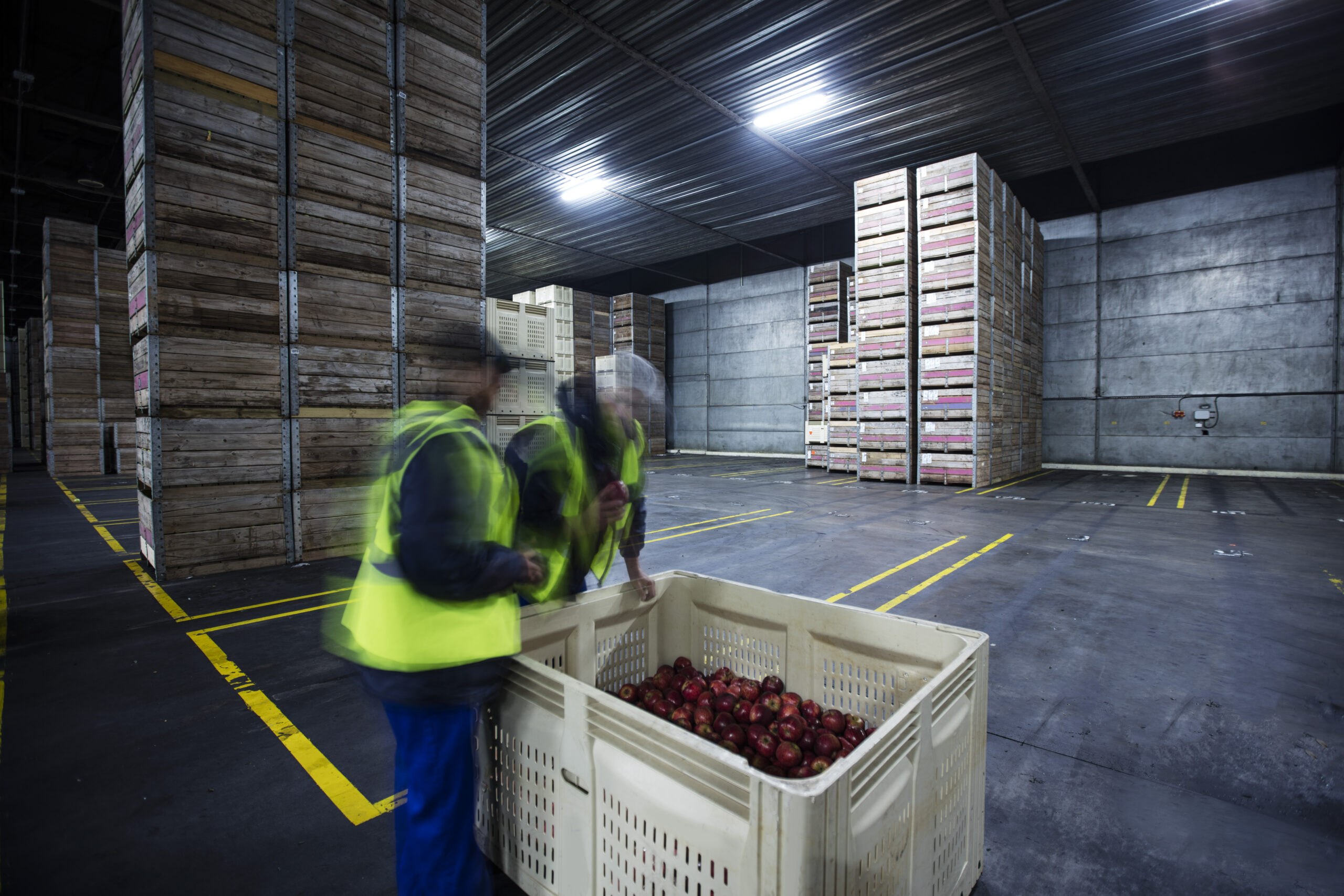
Farms use cold storage to reduce loss, protect quality, and create flexibility to sell when pricing is strongest. Proper cold storage can reduce spoilage, lower outbreak risk, reduce fumigation costs, and improve profits — but only when temperature and humidity are managed precisely for each commodity type.
Temperature and Humidity Are Profit Levers
Every degree matters. Incorrect temperature causes premature ripening, weight loss, and pathogen growth. Too much or too little humidity causes either dehydration or condensation damage. CVCS uses defined set points to eliminate guesswork:
| Program | Temp | Humidity | Use Case |
|---|---|---|---|
| General | 34 °F | 50 % | Standard fresh produce |
| Rehab | 34 °F | 55 % | Moisture recovery |
| Finishing | 36 °F | 50 % | Pre-shipment conditioning |
| Organic | 28 °F | 50 % | Certified organic / fumigation-free |
General vs. Rehab vs. Finishing Storage
General storage maintains 34 °F / 50 % humidity for standard fresh produce awaiting sale. Rehab storage uses 34 °F / 55 % humidity to add moisture back to produce that spent time in dry storage. Finishing storage at 36 °F / 50 % conditions product for imminent shipment or market delivery.
Organic Storage and Fumigation-Free Requirement
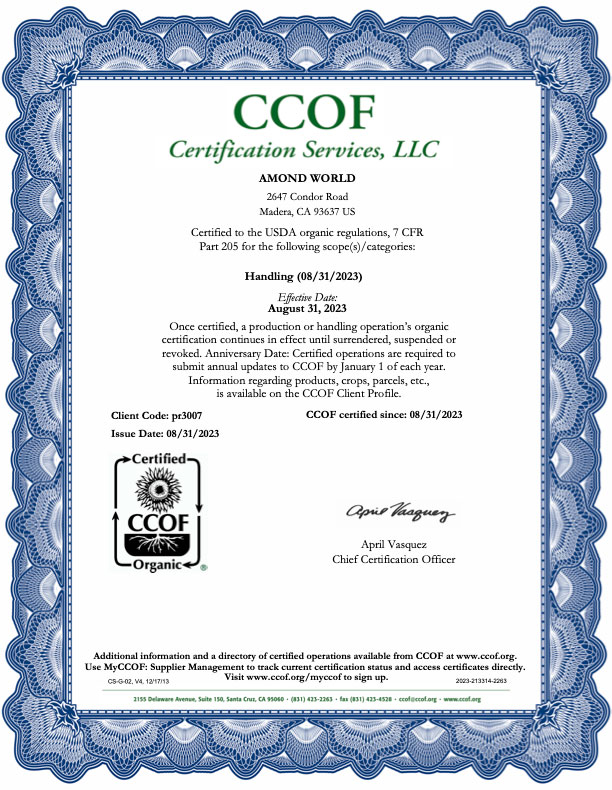
Fumigation-free cold storage is mandatory for higher-margin certified organic products. CVCS’s organic program at 28 °F / 50 % humidity supports CCOF-certified commodities without compromising organic status.
Food Safety and Compliance (FSMA)
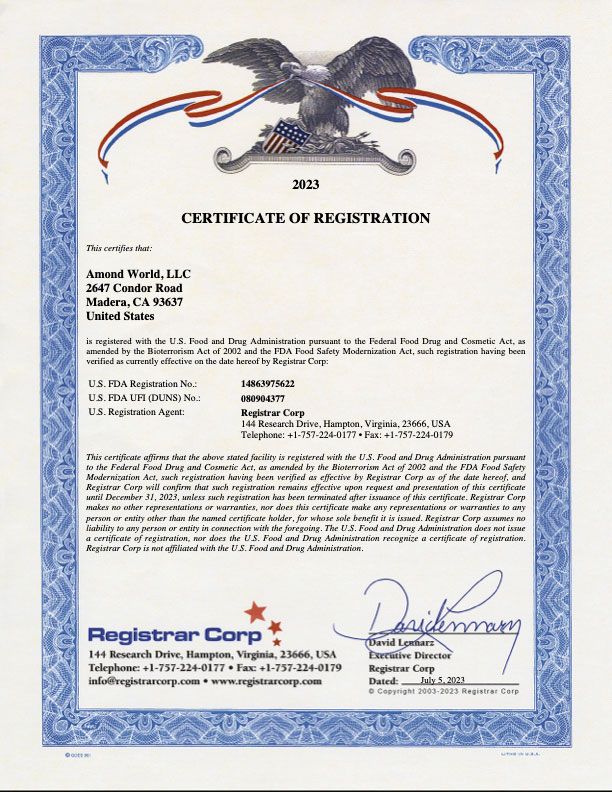
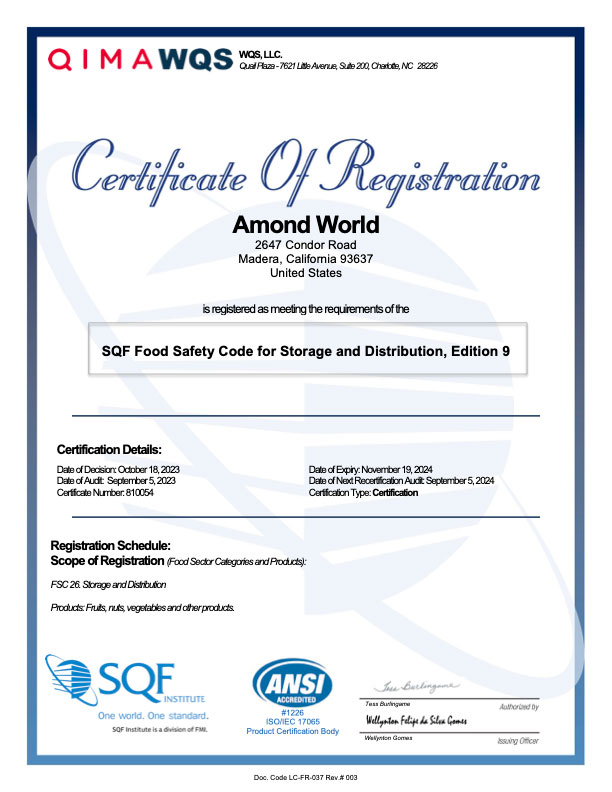
CVCS is SQF and CCOF certified, FDA registered, and FSMA compliant. Rigorous inspection controls, temperature alarms, and security monitoring reduce recall and audit risk for growers and processors.
Inventory Visibility and Traceability
Real-time inventory systems support traceability and operational planning. CVCS’s customer portal automates record-keeping, tracks inbound and outbound movements, and provides reporting that simplifies FSMA documentation.
How to Evaluate a Cold Storage Partner
Farms should look for: defined temperature and humidity programs that match commodity needs, multi-bay flexibility for different products, certified food safety practices, reliable uptime infrastructure, and real-time inventory visibility. Explore CVCS storage services.
Frequently Asked Questions
Q: How do farms use cold storage?
To reduce spoilage, protect quality, and time sales to better market conditions.
Q: What temp for fresh produce?
34 °F for most programs; 28 °F for organic.
Q: How does humidity affect produce?
Too low causes dehydration; too high causes condensation. Defined targets prevent both.
Q: What is rehab storage?
Elevated humidity (55 %) to restore moisture in produce from dry storage.
Q: What FSMA documentation is provided?
Automated inbound/outbound tracking and reporting through the customer portal.