As a sustainable infrastructure consultant, I am frequently asked to audit cold storage facilities and supply chain logistics for high-value agricultural exports. In the current global market, the choice of refrigerant is no longer a purely mechanical decision; it is a strategic one The Complete Guide to Cold Storage Benefits for Ca….. For organic exporters, the debate surrounding CO2 refrigeration vs ammonia is quickly settling in favor of R744. While ammonia (R717) has dominated the industrial landscape for over a century due to its efficiency, the evolving landscape of Environmental, Social, and Governance (ESG) standards, combined with the stringent requirements of organic certification, has shifted the “gold standard” toward Carbon Dioxide.
The transition is driven by a convergence of regulatory pressure, specifically the Kigali Amendment to the Montreal Protocol, and a growing demand for “clean” supply chains. For exporters moving organic nuts, fruits, and produce from regions like California’s Central Valley to European and Asian markets, the refrigeration system is the heart of their risk management strategy. This article explores why CO2 (R744) is the superior choice for modern organic infrastructure.
Key Takeaways
- Ultra-Low GWP: CO2 has a Global Warming Potential (GWP) of 1, compared to synthetic HFCs which can reach into the thousands.
- Safety First: Unlike ammonia, CO2 is non-toxic and non-flammable, requiring no hazardous material response plans (RMP/PSM).
- Product Integrity: CO2 eliminates the risk of chemical “tainting,” ensuring organic crops maintain their certification even in the event of a leak.
- Future-Proofing: R744 systems are immune to the tightening F-Gas regulations that are currently phasing out traditional refrigerants.
The Toxicity Gap: Protecting Organic Integrity
The most significant differentiator in the CO2 refrigeration vs ammonia comparison is the toxicity profile. Ammonia (R717) is a highly efficient refrigerant, but it is also a hazardous caustic substance. In a high-pressure industrial setting, even a minor leak can have catastrophic consequences for both personnel and product.
For organic exporters, the “organic integrity” of the crop is their most valuable asset. If an ammonia leak occurs in a cold storage facility housing organic almonds or walnuts, the crop is often considered a total loss. Ammonia is highly reactive; it penetrates the permeable skins of produce and the shells of nuts, leaving a chemical residue and a distinct “taint” that cannot be washed away. This immediately violates USDA Organic and EU Organic standards, which forbid the presence of synthetic chemical contaminants.
In contrast, R744 (CO2) is a natural component of the atmosphere. It is non-toxic and classified as an A1 refrigerant (low toxicity, no flame propagation). In the event of a system leak, the CO2 simply disperses into the air. There is no chemical residue, no caustic reaction with the produce, and no risk of losing an entire shipment’s organic certification. From a consultancy perspective, choosing CO2 is an exercise in operational risk mitigation. By removing the threat of chemical contamination, exporters safeguard their margins and their reputation in the international market.
Efficiency in the Central Valley Climate
A common critique of CO2 refrigeration in the past was its performance in high-ambient temperature regions, such as California’s Central Valley. Because CO2 has a low critical point (87.8°F), early systems struggled to maintain efficiency during scorching summer months when temperatures frequently exceed 100°F.
However, modern engineering has solved this “equator challenge.” The latest transcritical CO2 systems utilize adiabatic cooling, parallel compression, and gas ejectors to maintain high performance even in extreme heat. In fact, when we analyze the total lifecycle cost, CO2 often outperforms ammonia in smaller to mid-sized facilities because it does not require the heavy regulatory overhead associated with R717. Ammonia systems exceeding 10,000 lbs of refrigerant are subject to OSHA’s Process Safety Management (PSM) and the EPA’s Risk Management Plan (RMP). The compliance costs, specialized training, and emergency response infrastructure required for ammonia can cost an exporter hundreds of thousands of dollars annually—costs that are non-existent with CO2.
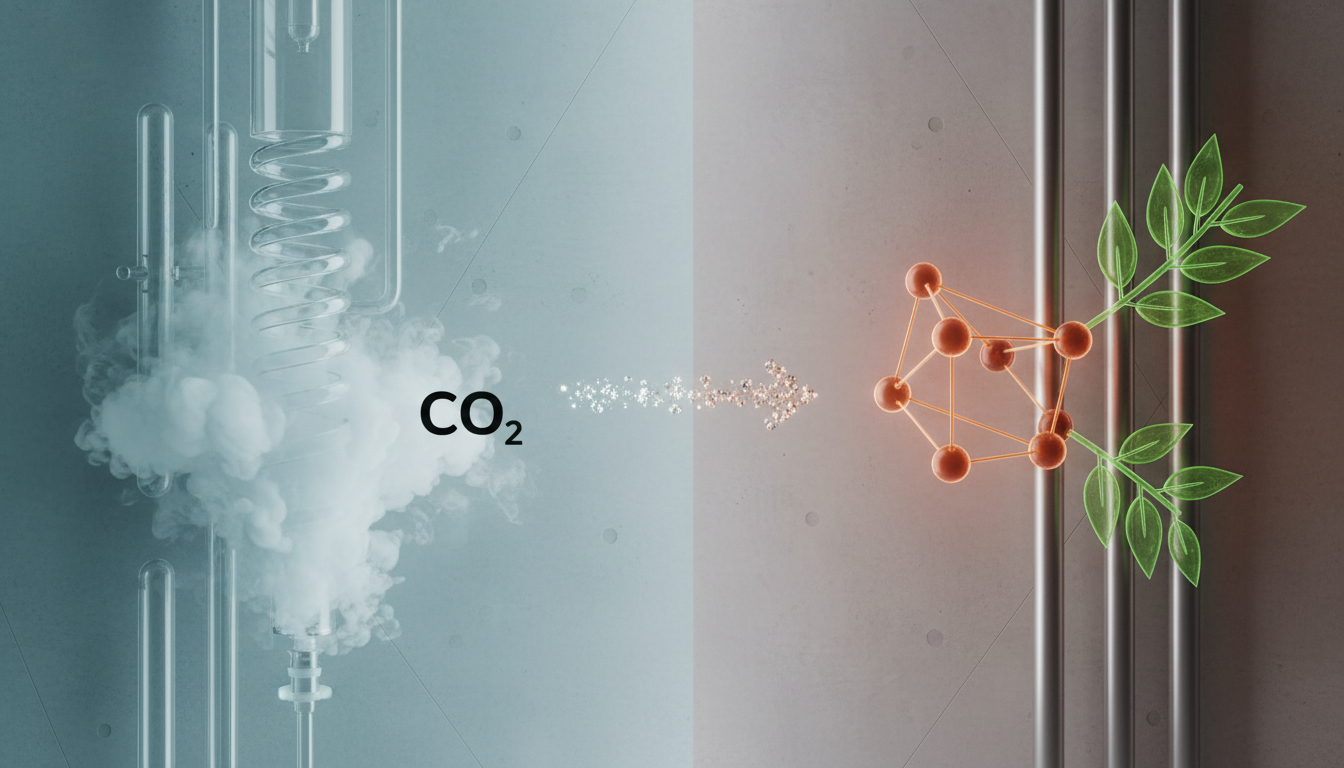
Furthermore, our systems utilize 100% sustainable CO2 refrigeration inputs, often sourced from recaptured industrial emissions. This creates a circular economy within the cooling process, a feature that resonates deeply with the “Clean Label” movement and the core values of the organic industry.
Future-Proofing for Global Exports
The global regulatory landscape is moving aggressively against high-GWP refrigerants. The Kigali Amendment has mandated a phase-down of Hydrofluorocarbons (HFCs), and the European Union’s F-Gas regulations are even more stringent. For an exporter, building a facility today that relies on a refrigerant slated for phase-out—or one that faces increasing safety restrictions—is a poor long-term investment.
CO2 is “future-proof.” With a GWP of 1 and an ODP (Ozone Depletion Potential) of 0, it is the baseline against which all other refrigerants are measured. When an exporter can demonstrate that their entire supply chain—from the farm to the cold storage facility—utilizes 100% natural refrigerants, they gain a competitive advantage in the EU and North American markets. This alignment with Sustainable Practices is no longer optional; it is a requirement for tier-one retail partnerships.
As discussed in our exploration of Why CO2 Refrigeration is the Gold Standard, the shift toward R744 is also driven by the needs of low-temperature storage. Organic nuts, for example, require precise humidity and temperature control to prevent rancidity and mold. CO2 systems provide exceptional heat transfer coefficients, allowing for tighter temperature glides and more consistent product quality over long-term storage periods.
Comparative Analysis: R744 vs. R717
To better understand the strategic choice between these two natural refrigerants, we must look at the technical and regulatory specifications side-by-side.
| Feature | CO2 (R744) | Ammonia (R717) |
|---|---|---|
| Toxicity | Non-Toxic | High Toxicity |
| GWP | 1 | 0 |
| Organic Suitability | Excellent | Good (Risk of Taint) |
| Regulatory Risk | Zero | High (Safety Bans) |
| Flammability | Non-Flammable | Slightly Flammable |
| OSHA PSM Required | No | Yes (over 10k lbs) |
The Economic Reality of Safety
In the world of industrial refrigeration, “efficiency” is often measured solely by kilowatts per ton of cooling. However, a true sustainable infrastructure consultant looks at the Total Cost of Ownership (TCO). When comparing CO2 refrigeration vs ammonia, the TCO for CO2 is frequently lower for organic exporters due to insurance premiums and liability.
Insurance providers are increasingly wary of large-scale ammonia installations in agricultural zones. The potential for a “toxic plume” that necessitates the evacuation of nearby residential areas or schools creates a massive liability. CO2 eliminates this third-party risk. In the event of a catastrophic pipe failure, the result is a localized cloud of gas that dissipates safely. This lack of “catastrophic risk” translates to lower insurance premiums and a smoother relationship with local planning commissions and fire marshals.
Moreover, the smaller pipe diameters required for CO2 (due to its high volumetric cooling capacity) result in lower installation costs and a smaller physical footprint for the engine room. For an exporter looking to maximize every square foot of their facility for revenue-generating storage, the compact nature of CO2 systems is a significant benefit.
Conclusion: The Strategic Imperative
For organic exporters, the choice between CO2 and ammonia is a choice between two philosophies. Ammonia represents the legacy of industrial cooling—powerful and efficient, but burdened by toxicity and regulatory red tape. CO2 represents the future—a natural, safe, and sustainable solution that aligns perfectly with the values of the organic movement.
As global markets continue to prioritize ESG metrics and product purity, the transition to R744 is not just an engineering upgrade; it is a brand-building strategy. By adopting CO2 refrigeration, exporters protect their crops, their workers, and their access to the most discerning markets in the world.
Frequently Asked Questions
Q: Is CO2 better than ammonia for cold storage?
A: For organic produce and environmental safety, CO2 is superior due to its non-toxic nature and low GWP. While ammonia is highly efficient, its toxicity poses a risk to organic certification and requires extensive safety management programs.
Q: Does CO2 refrigeration work in hot climates like the Central Valley?
A: Yes. Modern transcritical CO2 systems use advanced technologies like adiabatic gas coolers and parallel compression to maintain high efficiency even when ambient temperatures exceed 100°F.
Q: Will ammonia be banned like HFCs?
A: It is unlikely that ammonia will be banned due to its zero GWP. However, safety regulations (like PSM and RMP) are becoming stricter, making it more expensive and complex to operate compared to CO2.
Ready to Future-Proof Your Facility?
See the “Gold Standard” in action. Discover how our 100% sustainable CO2 refrigeration systems protect high-value organic exports while reducing operational risk.