Why Harvest Timing Drives Cold Storage Demand
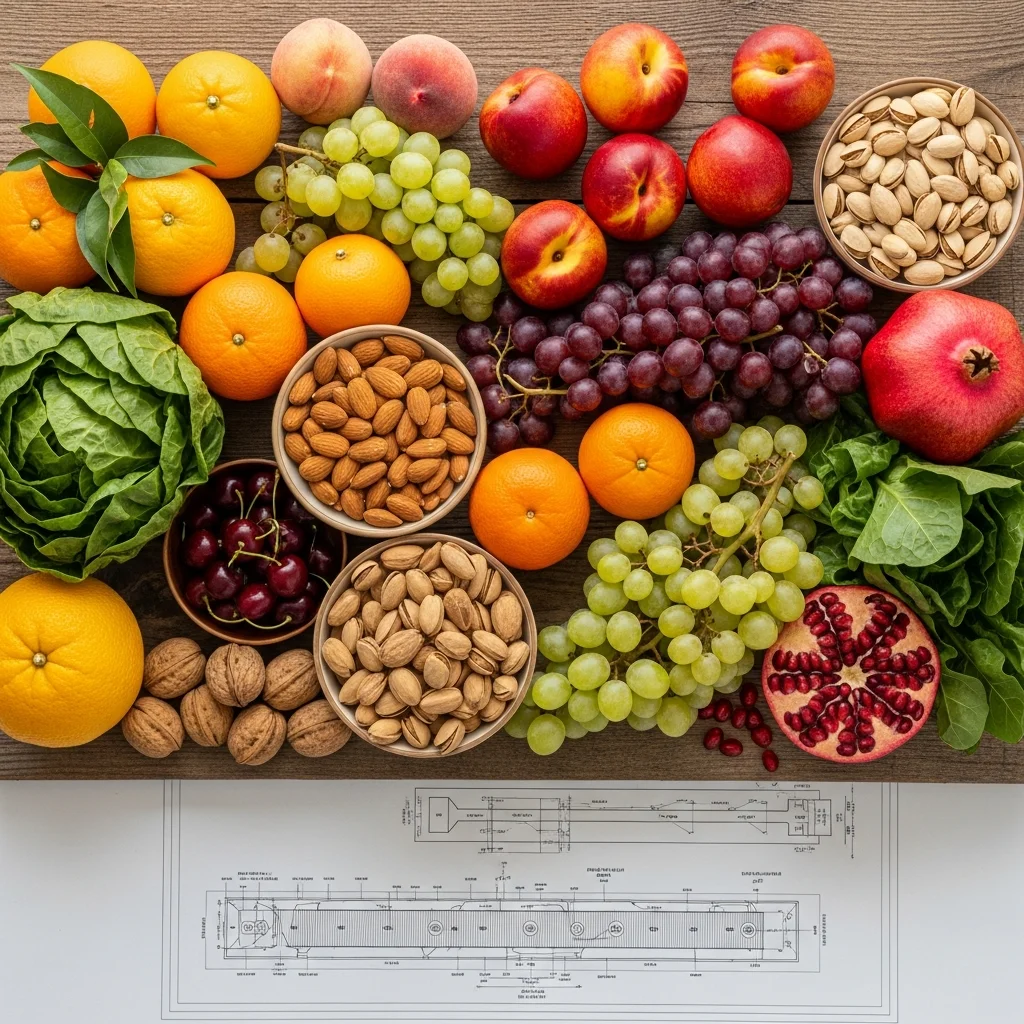
Unlike food manufacturing or distribution, which generates relatively consistent demand throughout the year, agricultural cold storage demand is highly seasonal — driven by the biological fact that California’s major crops all harvest within specific windows, often overlapping. A cold storage facility that has ample capacity in January may be completely full in August and September when almond harvest, grape harvest, and fall stone fruit all peak simultaneously.
For growers, handlers, and exporters planning cold storage programs, understanding this seasonal demand pattern is critical for securing capacity before it disappears. Facilities that are partially booked through annual contracts fill their remaining capacity quickly during peak harvest windows — often within days of harvest beginning.
Month-by-Month California Harvest and Cold Storage Calendar
January–February: Minimal fresh harvest activity. Winter citrus (navel oranges, clementines) continues from the previous season’s harvest. Cold storage facilities hold inventory from fall harvests — almonds, walnuts, pistachios, table grapes in CA storage, dried fruit. Lowest demand period; best time to negotiate storage agreements for the coming year.
March–April: Spring strawberry harvest begins in Ventura County and moves north. Early cherry harvest in San Joaquin Valley (late April in early-season areas). Asparagus harvest in the Sacramento-San Joaquin Delta. Cold storage demand begins increasing as spring produce moves into the system.
May–June: Peak cherry harvest (Bing, Rainier, Brooks varieties in San Joaquin Valley). Apricot harvest. Early peach and nectarine harvest begins. Table grape harvest begins in the Coachella Valley. Garlic harvest in the San Joaquin Valley and Gilroy area. Refrigerated storage demand rises significantly — cherries in particular are highly perishable and require rapid pre-cooling and immediate cold storage.
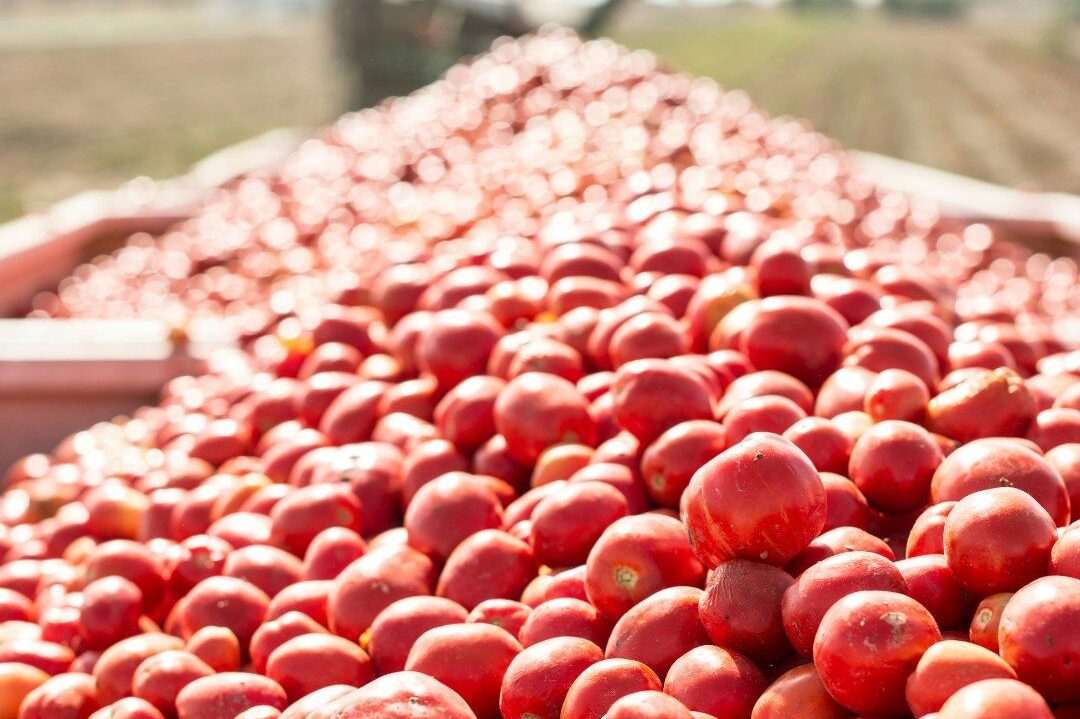
July–August: Peak stone fruit harvest — peaches, nectarines, plums in the San Joaquin Valley. Continued table grape harvest. Processing tomato harvest in the Sacramento Valley and Fresno County. Early wine grape harvest in some varieties. Almond harvest begins in late August in early-season growing areas. Cold storage at maximum seasonal demand — book early or expect to be waitlisted.
September–October: Peak almond harvest and huller/sheller throughput. Pistachio harvest (September–October in Madera, Fresno, Kings counties). Wine grape harvest at peak across all growing regions. Walnut harvest (October primarily). Apple and pear harvest in Sierra Nevada foothills. Cold storage at absolute peak — every facility in the Valley is at or near capacity. Growers and handlers without pre-arranged storage agreements face spot rates at significant premiums or outright capacity unavailability.
November–December: Navel orange harvest begins in San Joaquin Valley. Clementine harvest in Kern County. Late-season pomegranate harvest. Fall-harvested commodities moving into long-term cold and CA storage. Demand begins tapering from September–October peak but remains elevated through December.
How to Use This Calendar for Capacity Planning
The practical implication of this calendar is that cold storage agreements should be finalized well before harvest, not during it. For commodities harvesting in August–October (almonds, pistachios, grapes, apples), cold storage agreements should be in place by May at the latest. For June–July stone fruit harvest, April agreements are prudent.
Facilities that operate on spot pricing during peak harvest may charge 30–50% premiums over annual contract rates when they have remaining capacity. The cost of advance planning — a storage agreement signed in February for September harvest — is almost always less than the spot premium paid for last-minute capacity.