
What Is Blast Freezing?
Blast freezing (also called blast chilling or individual quick freezing when applied to individual pieces) is a rapid freezing process that moves product through the temperature danger zone (28°F to -10°F) as quickly as possible — typically within 30 minutes to 4 hours depending on product density and piece size. Conventional freezer storage, by contrast, freezes product slowly over many hours or days.
The speed difference has profound implications for product quality. Slow freezing allows large ice crystals to form inside plant cells, rupturing cell walls and producing a mushy, water-logged texture upon thawing. Blast freezing generates many small ice crystals that do minimal cellular damage, preserving texture, color, and nutritional value far closer to the fresh state.
Blast Freezing Applications in the Central Valley
Central Valley shippers have historically focused on fresh and refrigerated storage for their tree nut and produce commodities — almonds, pistachios, walnuts, grapes, and stone fruit are primarily sold fresh or dried rather than frozen. But there is a growing market for frozen California produce that warrants blast freezing consideration:
Value-added frozen produce: Frozen diced bell peppers, frozen sliced peaches, frozen blueberries, and frozen pomegranate arils all require IQF (individually quick frozen) processing to achieve retail quality. California growers supplying frozen food processors can reduce drayage costs by blast freezing at a Valley facility rather than shipping fresh to coastal processors.
Nut butter and paste products: Almond butter and pistachio paste are sensitive to lipid oxidation at ambient and refrigerated temperatures. Blast freezing and holding at -10°F essentially stops oxidative rancidity indefinitely, making it the best storage method for long-hold nut butter inventories destined for export or extended distribution.
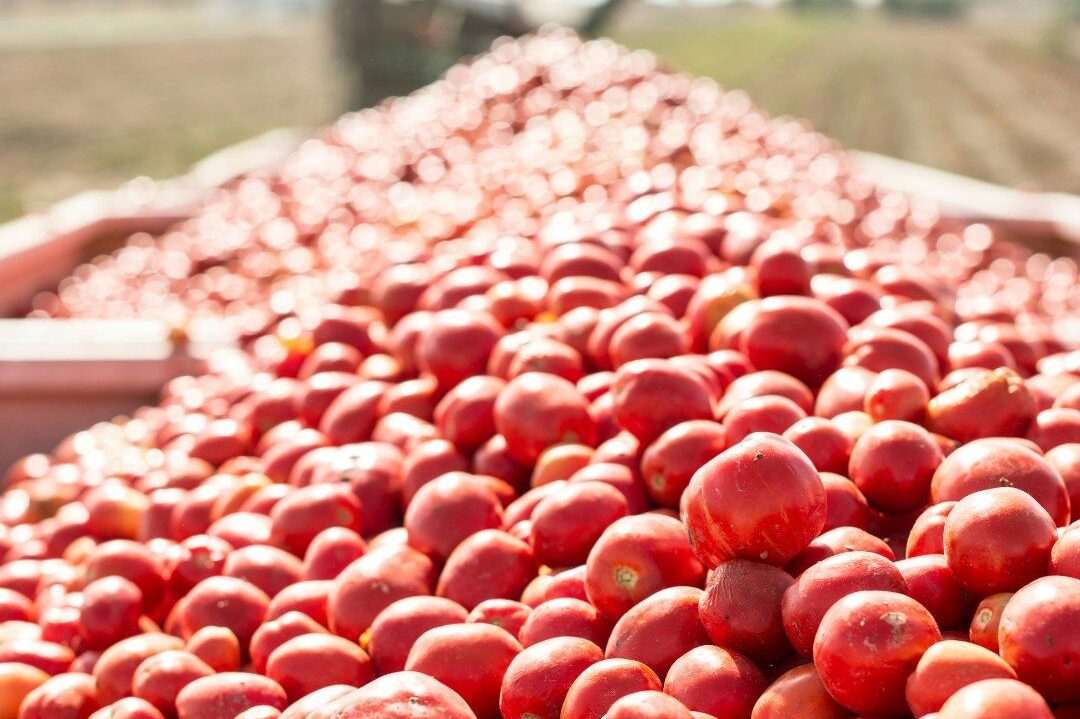
Surplus harvest management: In high-yield years, growers and handlers sometimes elect to freeze a portion of their stone fruit, berry, or tomato harvest rather than sell into a depressed fresh market. Blast freezing at harvest time, when the product is at peak quality, converts perishable surplus into a stable frozen commodity that can be sold into the industrial processed food market.
Blast Freezing vs. Conventional Cold Storage: Key Differences
Temperature and airflow: Blast freezers use high-velocity cold air (typically -30°F to -40°F) moving across the product at 1,500–3,000 feet per minute. Conventional cold rooms maintain static or low-velocity air at their target storage temperature. The combination of extreme cold and high air velocity is what achieves the rapid freezing rate.
Capacity and throughput: Blast freezers are sized by throughput (pounds per hour or per cycle), not storage volume. A facility that offers blast freezing will have dedicated blast cells with a specified throughput capacity — this is the critical number for shippers with time-sensitive harvest volumes.
Cost: Blast freezing services are priced per pound or per pallet-in/out, reflecting the higher energy cost of operating at extreme temperatures with high-velocity airflow. Conventional refrigerated storage is priced per pallet-month. The right choice depends on product type, destination market, and hold period.
Questions to Ask When Evaluating Blast Freezing Services
When evaluating a Central Valley cold storage provider for blast freezing, ask: What is the blast cell temperature setpoint and air velocity? What is the rated throughput in pounds per hour? What is the target exit temperature for product leaving the blast cell? Does the facility offer IQF tunnel freezing for individual pieces, or only batch blast freezing for pallet-in/pallet-out? Can the facility provide time-temperature charts from previous blast cycles as documentation for food safety records?