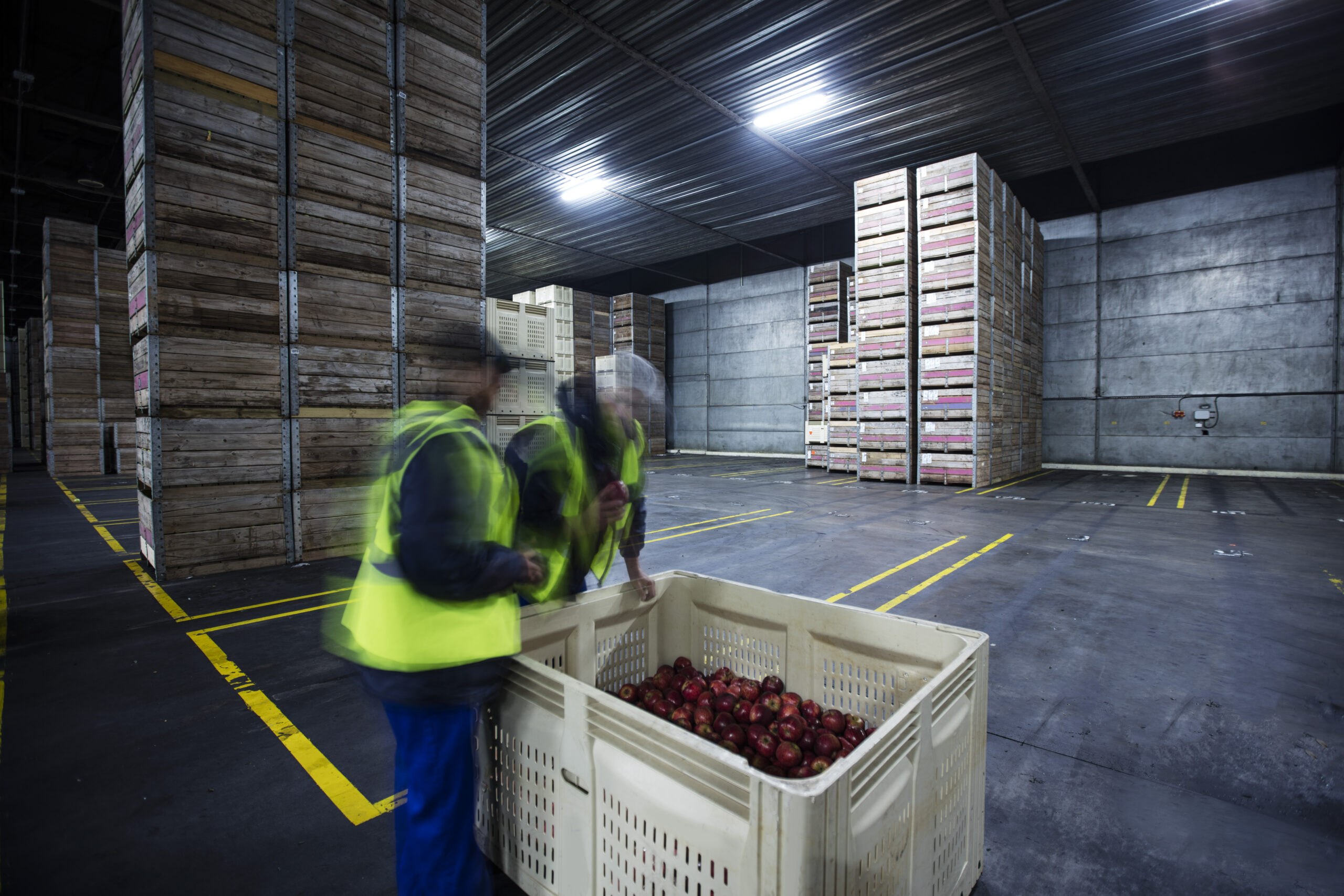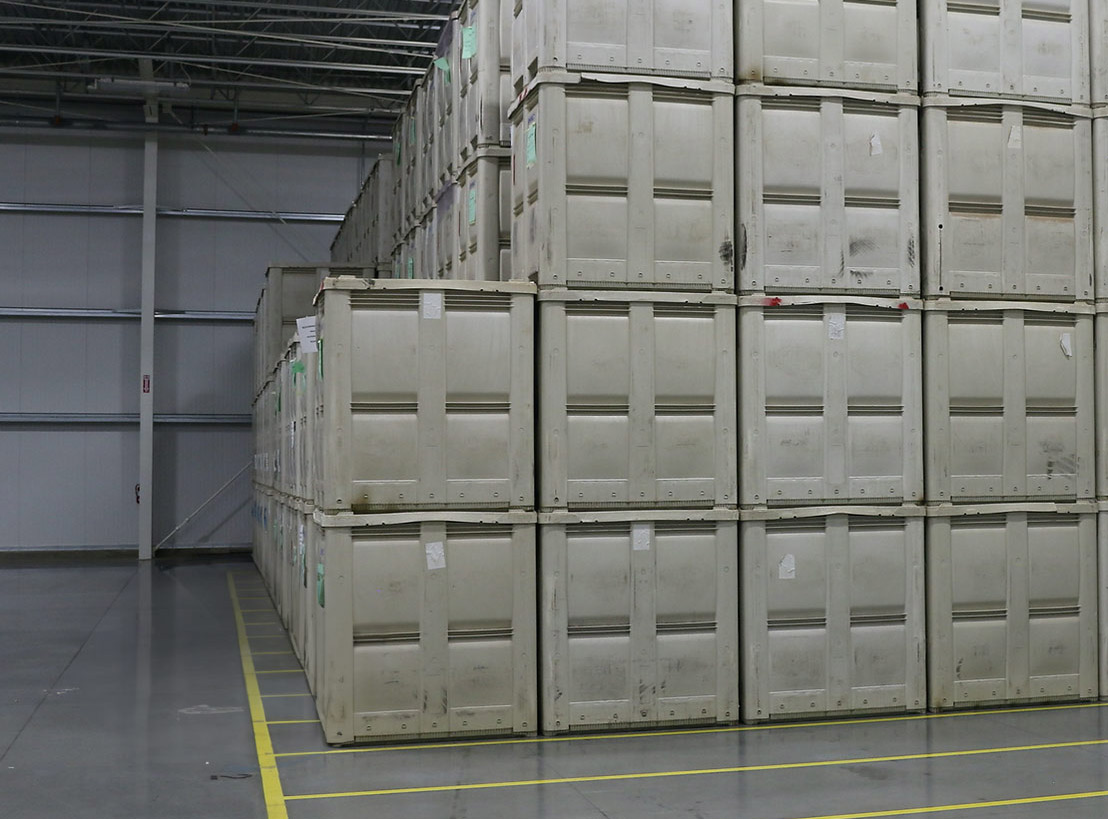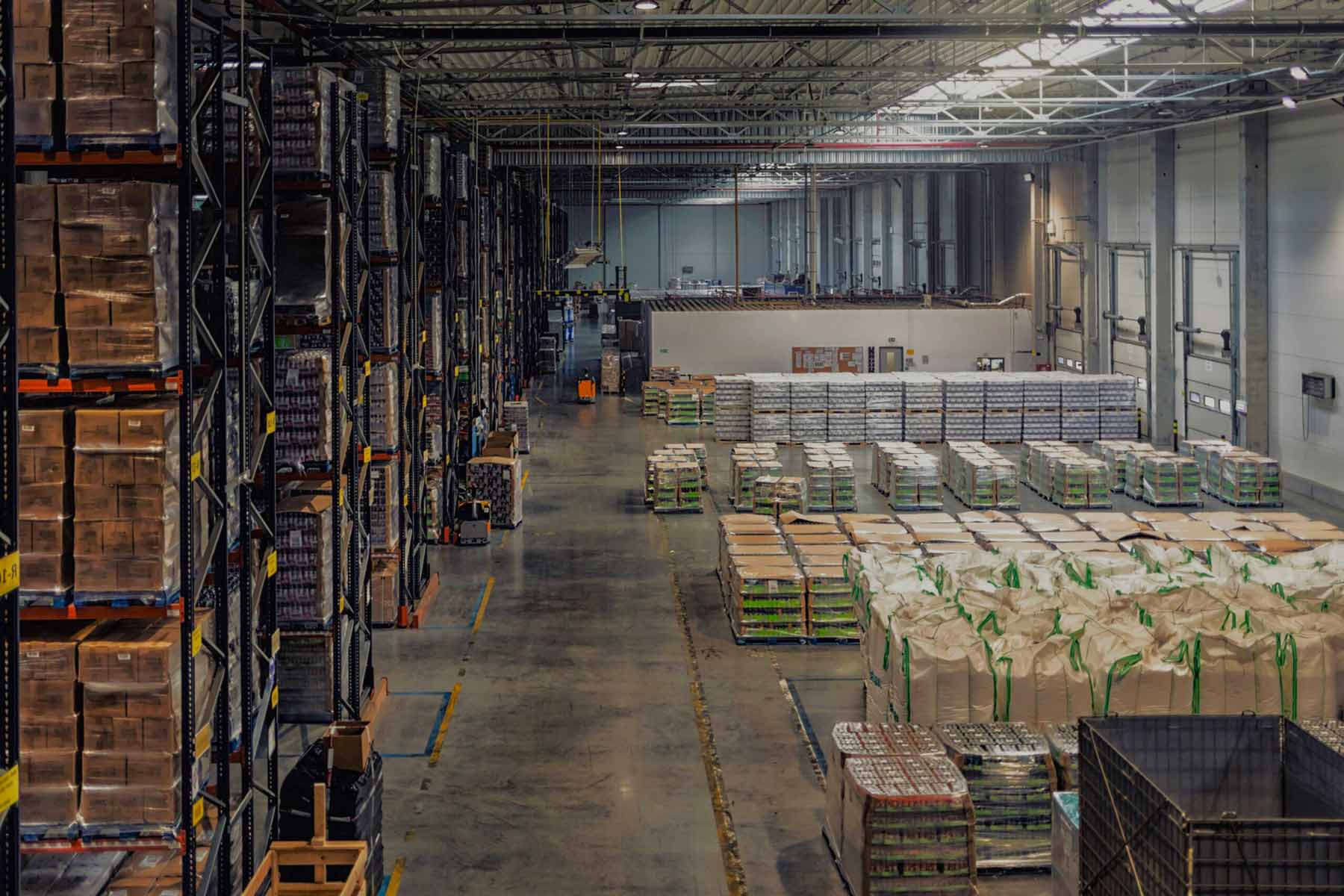

For the post-harvest physiologist, the primary objective is the maintenance of “thermal stasis.” This state refers to a constant, unfluctuating environment where metabolic respiration is minimized, and the chemical pathways leading to degradation are effectively arrested. Achieving this requires more than just cooling; it necessitates precision Walnut Cold Storage protocols that integrate temperature control, moisture management, and atmospheric stability Pistachio Cold Storage Near Me: Central Valley Ref….. Failure to maintain these parameters leads to two catastrophic outcomes: rancidity and the development of aflatoxins.
The Biochemistry of the Walnut
To understand the necessity of specialized cold storage, one must first analyze the walnut at a molecular level. The lipid fraction of a walnut kernel typically exceeds 65% of its total mass Mastering the Produce Cold Chain: From Harvest to ….. Within this fraction, the predominant fatty acids are linoleic (18:2n-6) and alpha-linolenic (18:3n-3). These polyunsaturated fats contain multiple double bonds in their carbon chains. From a chemical perspective, these double bonds are sites of high electron density that are particularly vulnerable to attack by reactive oxygen species (ROS).
The process of lipid oxidation occurs in three distinct phases: induction, propagation, and termination. During induction, heat and light act as catalysts, stripping a hydrogen atom from the fatty acid chain and creating a free radical. This radical reacts with atmospheric oxygen to form a peroxy radical, which then attacks neighboring lipid molecules. This creates a self-propagating chain reaction that results in the formation of hydroperoxides. These hydroperoxides eventually break down into secondary oxidation products—aldehydes, ketones, and alcohols—which are responsible for the “cardboard” or “paint-like” off-flavors associated with rancidity.
Temperature is the primary driver of this reaction rate. According to the Arrhenius equation, the rate of chemical reactions increases exponentially with temperature. In the context of walnut storage, every 10°C (18°F) increase in temperature can more than double the rate of oxidation. Therefore, maintaining a state of thermal stasis is not merely about preventing heat; it is about slowing molecular kinetics. For a deeper dive into these chemical pathways, see our technical brief on Preventing Walnut Rancidity: Precision Thermal Management.
Furthermore, the walnut remains a living tissue after harvest. It continues to respire, consuming oxygen and releasing carbon dioxide and moisture. Higher temperatures accelerate respiration, which depletes the kernel’s internal energy reserves and generates “heat of respiration,” further destabilizing the storage environment. Precise Walnut Cold Storage at 34°F (1.1°C) effectively “hibernates” the tissue, preserving the organoleptic qualities of the nut for up to two years.
Preventing Aflatoxin Growth
While rancidity affects the marketability and flavor of walnuts, aflatoxin contamination represents a significant food safety and regulatory crisis. Aflatoxins are potent mycotoxins produced primarily by the fungi Aspergillus flavus and Aspergillus parasiticus. These fungi are ubiquitous in the soil and environment of California’s Central Valley. Under favorable conditions, they colonize the walnut kernel and secrete secondary metabolites that are carcinogenic, mutagenic, and highly toxic to humans and livestock.
The biological threshold for Aspergillus proliferation is closely tied to the “Golden Triangle” of fungal growth: temperature, moisture, and time. Fungal spores can remain dormant for long periods, but they activate when the ambient temperature rises above 45°F and the water activity ($a_w$) of the kernel exceeds 0.70. Once active, the fungi consume the nutrient-dense lipids and proteins of the walnut, creating a feedback loop of heat and moisture that accelerates further growth.
Aflatoxin B1, the most toxic of the group, is a major concern for exporters, as the European Union and other international markets enforce strict maximum residue limits (MRLs)—often as low as 2 parts per billion (ppb). A single “hot spot” in a large stockpile, caused by a localized temperature fluctuation, can lead to the rejection of an entire multi-ton shipment.
The implementation of thermal stasis through precision CO2-based cooling systems is the most effective non-chemical intervention for aflatoxin prevention. By maintaining the stockpile at a constant 34°F, the metabolic activity of Aspergillus species is effectively inhibited. At these temperatures, the fungus cannot complete the enzymatic processes required for mycotoxin synthesis. CVCS’s off-grid resilience is critical here; a power failure during a Central Valley heatwave can cause temperatures in a warehouse to spike within hours, providing the thermal energy necessary for a latent fungal colony to transition into an active state. Perpetual stasis is the only guarantee of biosecurity.
Humidity: The Silent Quality Killer
In the discipline of post-harvest physiology, temperature and humidity are inextricably linked through the laws of thermodynamics. For walnuts, the management of Relative Humidity (RH) is as critical as temperature control. The goal is to reach an Equilibrium Moisture Content (EMC) where the walnut neither gains nor loses moisture to the surrounding air.
If the storage environment’s RH is too high (above 65-70%), the water activity ($a_w$) of the kernel increases. High water activity is the primary precursor to microbial spoilage. Even if the temperature is kept low, high humidity can facilitate the growth of psychrotrophic molds—species that have adapted to cold environments. Conversely, if the RH is too low (below 40%), the walnuts undergo desiccation. This leads to weight loss (shrinkage), which directly impacts the producer’s bottom line, and causes the kernels to become brittle, leading to high breakage rates during the shelling and packaging process.
The industry standard for optimal walnut preservation is 50% Relative Humidity. Maintaining this specific set point requires sophisticated air handling units that can manage the Vapor Pressure Deficit (VPD). As outside air is brought into a cooling system, its ability to hold moisture changes. Without precision CO2-based modulation, traditional HVAC systems often struggle with “short-cycling,” which causes the RH to swing wildly. These fluctuations lead to condensation on the surface of the nuts—a phenomenon known as “sweating.” Surface moisture is a direct invitation for mold spores to germinate.
CVCS utilizes advanced atmospheric controls to ensure that the 50% RH target is maintained with sub-percentage precision. By controlling the dew point and utilizing CO2 as a natural refrigerant, we provide a stable environment that protects the structural integrity of the walnut pellicle (the skin), which contains the majority of the nut’s antioxidants. Protecting the pellicle is the final line of defense against the internal oxidation of the kernel’s oils.
Comparative Stability and Shelf Life
The following table illustrates the impact of environmental conditions on walnut longevity and quality markers. Data suggests that deviation from thermal stasis results in a non-linear degradation of quality.
| Condition | Shelf Life (Walnuts) | Quality Marker |
|---|---|---|
| Ambient (70°F) | 3-6 Months | High Rancidity / High Risk of Aflatoxin |
| Refrigerated (34°F) | 1-2 Years | Peak Freshness / Inhibited Fungal Growth |
| Off-Grid Stasis (CVCS) | 2 Years + | Maximum Integrity / Zero Thermal Fluctuations |
The Necessity of Off-Grid Resilience
In the California Central Valley, the electrical grid is increasingly vulnerable to seasonal stresses, including extreme heat events and Public Safety Power Shutoffs (PSPS). For walnut processors and handlers, a power outage is not merely an inconvenience; it is a threat to the biological stability of the product. When cooling stops, the “thermal mass” of the walnut stockpile begins to absorb ambient heat. In large-scale bulk storage, the center of the pile can retain heat, creating micro-climates that are ripe for Aspergillus bloom.
CVCS addresses this vulnerability through off-grid resilience. By decoupling the storage environment from the local utility grid, we ensure that the critical parameters of 34°F and 50% RH remain absolute. This infrastructure allows for “Deep Cold” management, where the internal temperature of the walnut meat is monitored via probe sensors to ensure that stasis is maintained from the core outward. This level of precision is the new standard for an industry that cannot afford the risks of aflatoxin contamination or oxidative spoilage.
Key Takeaways for Post-Harvest Management
- Oxidation triggers rancidity: High omega-3 content makes walnuts uniquely vulnerable to heat-catalyzed chemical breakdown.
- Humidity control prevents mold: Maintaining a 50% RH prevents the water activity levels required for Aspergillus to produce aflatoxins.
- Temperature spikes accelerate degradation: Even brief deviations from the 34°F set point can trigger irreversible lipid oxidation.
- Infrastructure matters: CO2-based cooling and off-grid reliability are essential for protecting high-value California walnut yields.
Frequently Asked Questions
Q: At what temperature do walnuts go rancid?
A: Oxidation begins to accelerate rapidly above 40°F, especially in shelled kernels where the protective shell has been removed, increasing surface area exposure to oxygen.
Q: Can aflatoxins be removed once they are present?
A: No. Aflatoxins are heat-stable and cannot be destroyed by typical roasting or processing temperatures. Prevention through Walnut Cold Storage is the only viable safety strategy.
Q: Why is 50% RH the target for walnuts?
A: This level maintains the Equilibrium Moisture Content of the kernel at approximately 3-4%, which is low enough to prevent mold growth but high enough to prevent the kernels from becoming overly brittle.
Ensure your harvest maintains its premium value with the industry’s most reliable thermal stasis technology.