
Simplifying Trade with In-Situ Title Transfer
For the international agricultural exporter, the gap between a signed contract and the physical receipt of funds is often a gauntlet of logistical risk. In the traditional commodity trading framework, the Transfer of Ownership is inextricably linked to the physical movement of goods. When a pallet of organic almonds or a container of table grapes changes hands, it typically triggers a cascade of labor-intensive events: out-loading, transportation to a secondary facility, in-take inspections, and the associated “empty miles” that erode profit margins.
However, as global supply chains become more volatile and logistics costs continue to account for upwards of 30% of total agricultural overhead, a more sophisticated operational model is required. CVCS provides this through our proprietary “Transfer of Ownership” (TOO) services Pistachio Cold Storage Near Me: Central Valley Ref….. By facilitating Title Transfer In-Situ, we allow traders to decouple the legal sale from the physical haul, transforming the warehouse from a mere storage node into a dynamic trading hub.
Decoupling Physical and Legal Possession
The core friction in international commodity trading is the velocity of capital versus the velocity of atoms. Capital can move across the globe in seconds via wire transfer, but twenty tons of temperature-sensitive produce moves at the speed of a freight truck Mastering the Produce Cold Chain: From Harvest to ….. In a traditional model, the seller maintains legal title and physical possession until the goods are loaded onto the buyer’s transport. This creates a bottleneck; the seller’s capital is tied up in “inventory at rest,” and the buyer’s flexibility is limited by the immediate need for transport and storage space.
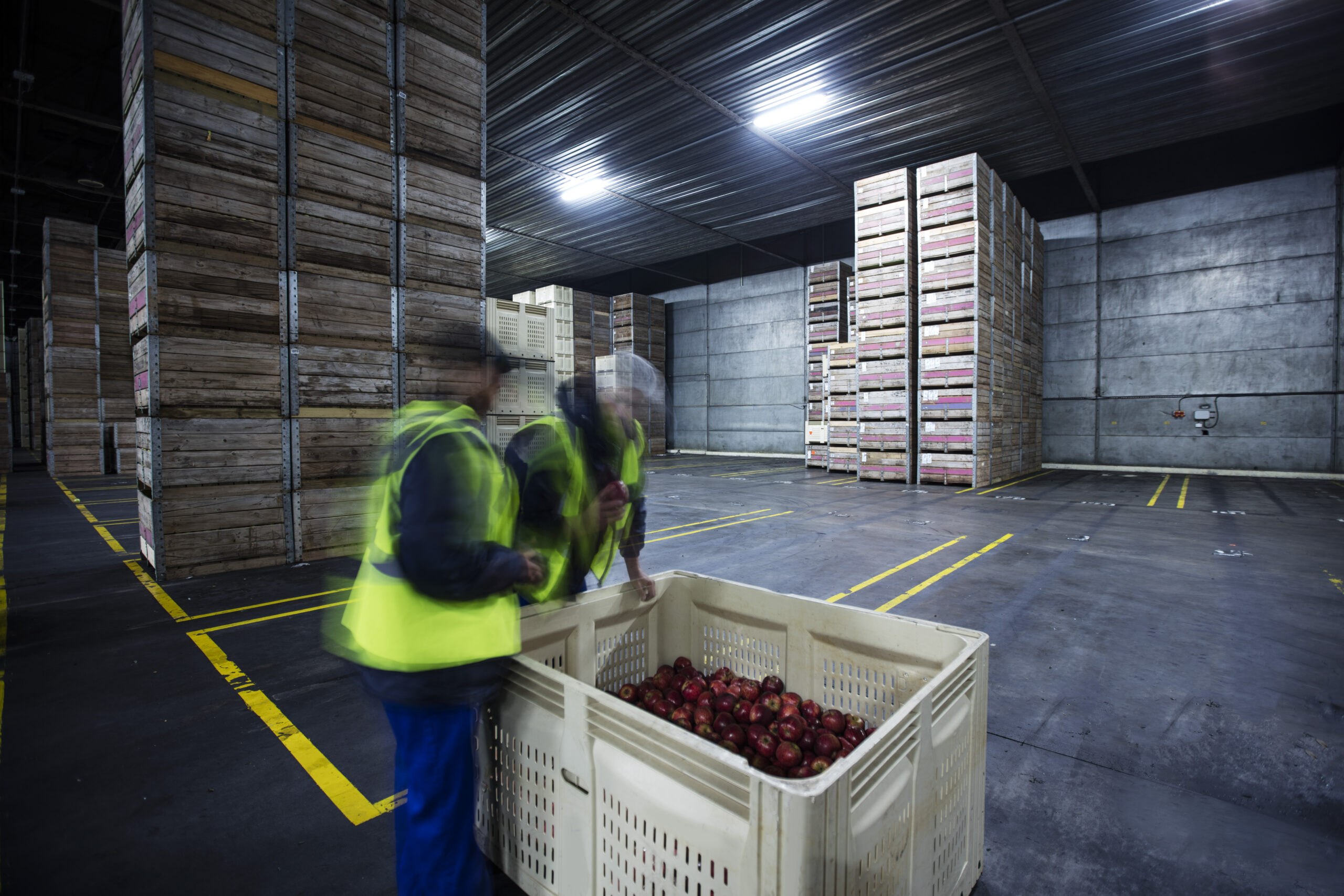
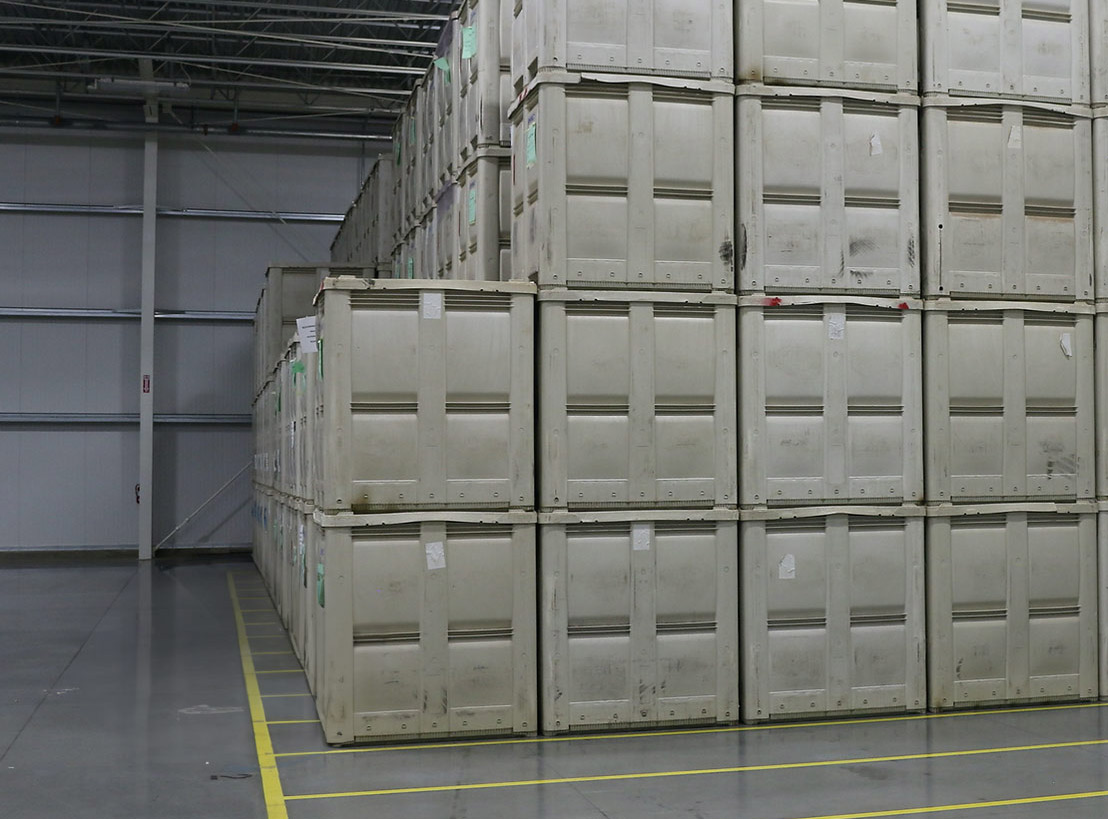
By utilizing the Transfer of Ownership service at CVCS, this link is severed. The goods remain in their designated, temperature-controlled bays—optimally maintained at 34°F—while the legal title is updated in our system. This process, often referred to as “fictive delivery,” allows for the completion of a sale without a single forklift mast being raised.
For exporters, this decoupling offers several technical advantages:
- Capital Velocity: Sellers can liquidate inventory and realize revenue immediately upon the execution of a trade, rather than waiting for a pickup window or the completion of a long-haul transit.
- Inventory Buffering: Traders can buy bulk quantities during harvest lows and sell in smaller lots to various downstream buyers without the overhead of multiple outbound shipments.
- Market Agility: In a fluctuating market, the ability to execute a Transfer of Ownership: A Financial Hedge for Agricultural Sellers allows traders to capitalize on price spikes without being hamstrung by the availability of third-party logistics (3PL) providers.
From an operational standpoint, CVCS acts as the “Neutral Third-Party Clearinghouse.” We verify the quantity, quality, and SKU-level data of the inventory, ensuring that both the buyer and seller are transacting based on a single source of truth. This transparency reduces the likelihood of post-sale disputes regarding product condition, as the goods never left the controlled environment of our facility during the transaction.
Reducing Middle-Mile Liability
Every time a pallet of perishable goods is moved, the risk of “shrink” increases. Handling damage, pallet instability, and—most critically—thermal deviation are constant threats to the bottom line. International exporters are well aware that the “middle mile”—the transit between a regional consolidation point and the final distribution center—is where many of these risks materialize.
When a Transfer of Ownership occurs in-situ at CVCS, the middle-mile liability is effectively neutralized for the duration of the trade. Because the inventory remains at a constant 34°F in our secure facility, there is zero thermal deviation during the change of title. For sensitive commodities like table grapes, where even a four-hour excursion from the cold chain can reduce shelf life by days, this stability is a massive value-add.
Furthermore, the elimination of “empty miles” represents a significant cost saving. In the traditional model, Product A might be moved from Warehouse 1 to Warehouse 2 simply because the buyer of Product A prefers their own third-party logistics provider. This move adds no value to the product but adds significant cost and carbon footprint. In the CVCS TOO model, the product stays put. The “move” is digital, not physical. This deferred transport allows the final buyer to arrange for a single, efficient haul to the end destination, rather than a series of short, expensive hops.
Operational Efficiency Table
To better understand the divergence between traditional logistics and the CVCS in-situ model, consider the following process comparison:
| Process Step | Traditional Model | CVCS TOO Model |
|---|---|---|
| Sale Completion | Triggers immediate haul/relocation | Triggers title update in CVCS WMS |
| Handling Risk | High (Multiple Load/Unload cycles) | Zero (Goods remain in-situ) |
| Transport Cost | High (Multiple freight legs) | Deferred until final buyer is ready |
| Cold Chain Integrity | Risked during every transit leg | Absolute (Maintained at 34°F) |
| Documentation | New Bill of Lading required immediately | Internal Title Transfer Certificate |
By minimizing the physical touchpoints, we essentially preserve the “Grade A” quality of the commodity for a longer period. For international exporters dealing with organic nuts, where packaging integrity and moisture control are paramount, the reduction in forklift interaction translates directly into higher pack-out yields and fewer rejections at the final destination.
Leveraging CVCS as a Trading Hub
For many international agricultural exporters, the ultimate goal is to move from a “Push” supply chain to a “Pull” supply chain. A “Push” chain involves moving product as fast as it is harvested, often resulting in selling into a saturated market. A “Pull” chain allows the seller to hold inventory in a strategic location and release it when market demand—and prices—are highest.
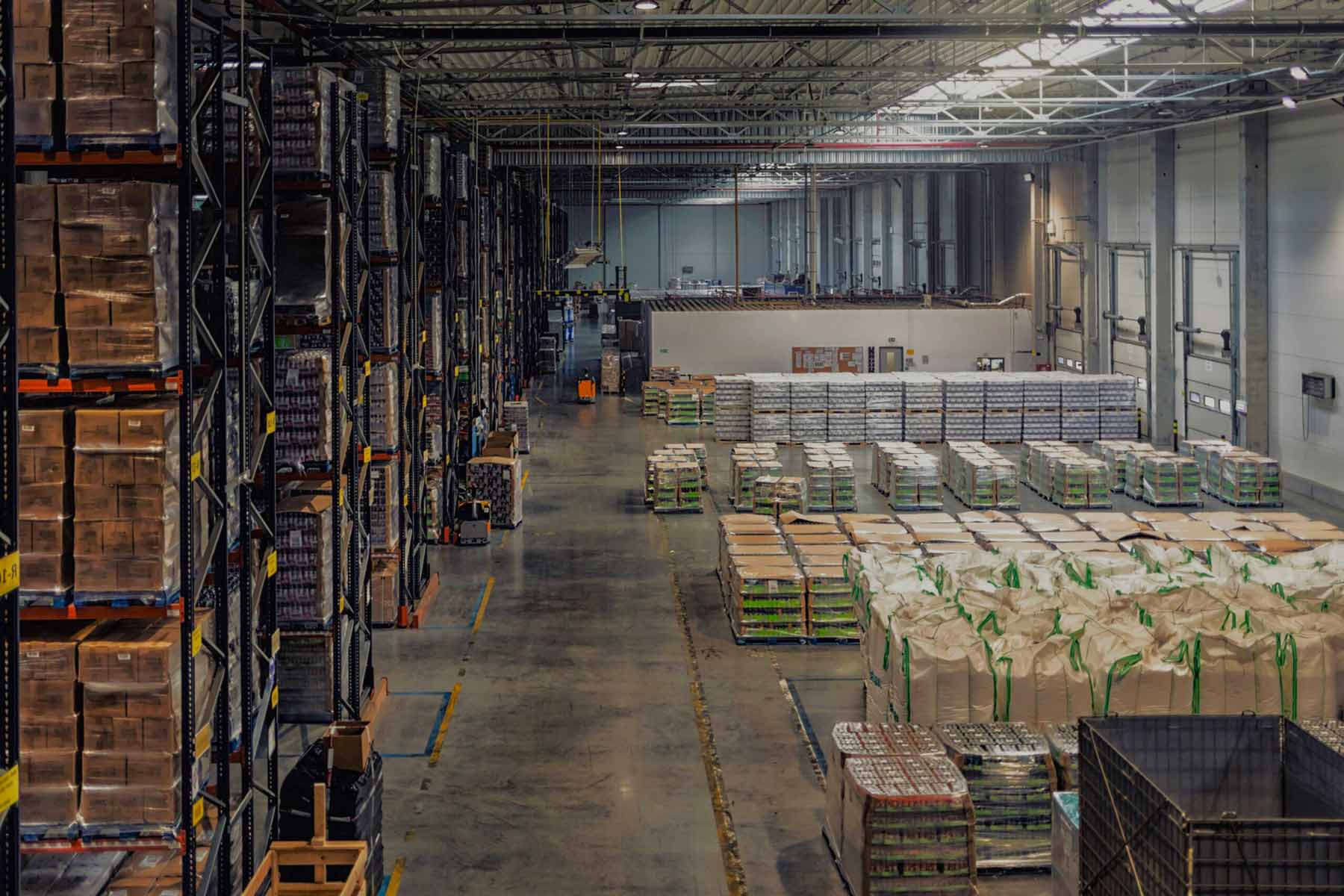
CVCS facilitates this “Pull” strategy by acting as a high-tech trading hub. Our facility is not just a box for cold air; it is a data-driven environment where inventory is tracked with granular precision. When a trader uses our Transfer of Ownership services, they are leveraging our infrastructure as an extension of their own back office.
The technical implementation of a TOO at CVCS is streamlined. Once the buyer and seller have reached an agreement, they notify our logistics desk. We perform a real-time inventory audit to ensure the SKU counts match the sale agreement. Upon verification, the inventory is re-allocated in our Warehouse Management System (WMS) to the new owner’s account. The physical goods never move from their designated rack or floor position, but the legal responsibility and ownership rights are transferred instantly.
This hub-and-spoke approach allows for:
- Consolidated Shipping: A buyer can purchase multiple lots from different sellers within CVCS, then consolidate them into a single outbound container, significantly reducing ocean or rail freight costs.
- Pre-Export Compliance: Goods can be staged at CVCS, ownership can be transferred to an international entity, and phytosanitary inspections or customs documentation can be prepared while the goods are held in an optimal environment.
- Risk Segregation: Sellers can move bulk product to our facility to get it off their own books and into a “ready-to-sell” status, reducing the insurance burden on their primary production sites.
In the context of international trade, where logistics can account for 30% of total agricultural overhead, the efficiency gains of an in-situ transfer cannot be overstated. By removing unnecessary movements, we remove unnecessary costs.
Frequently Asked Questions
Q: Is there a fee for title transfer?
A: We offer seamless title transfer for a nominal fee, which is significantly lower than the costs associated with out-loading, freight, and re-in-taking at a different facility.
Q: Does the product move during transfer?
A: No, it remains in its designated bay. This ensures zero thermal deviation and eliminates the risk of physical damage during the transaction process.
Q: Can CVCS handle partial Title Transfers?
A: Yes. Our WMS allows for SKU-level and pallet-level precision. You can sell a portion of a larger lot to one buyer and the remainder to another, all while the inventory stays at CVCS.
Q: How is the new owner notified?
A: Once the Transfer of Ownership is finalized in our system, the new owner receives a confirmed inventory statement and access to our portal to monitor their newly acquired assets.
Conclusion: The Future of Commodity Logistics
The era of “moving things just to move them” is ending. International agricultural exporters who wish to remain competitive must find ways to strip waste out of their supply chains. In-situ Transfer of Ownership is not just a convenience; it is a strategic tool for risk management and capital optimization. By decoupling the legal and physical aspects of trade, CVCS enables traders to focus on what they do best: finding markets and closing deals, while we ensure the physical integrity of their assets remains uncompromised.
Whether you are dealing in organic nuts, table grapes, or other high-value perishables, the TOO model offers a path to higher margins and lower operational headaches. By leveraging CVCS as your neutral clearinghouse, you gain the agility of a digital marketplace with the security of a world-class cold storage facility.
Ready to modernize your trading operations and eliminate the “empty miles” from your balance sheet?
Inquire about Title Transfer Services