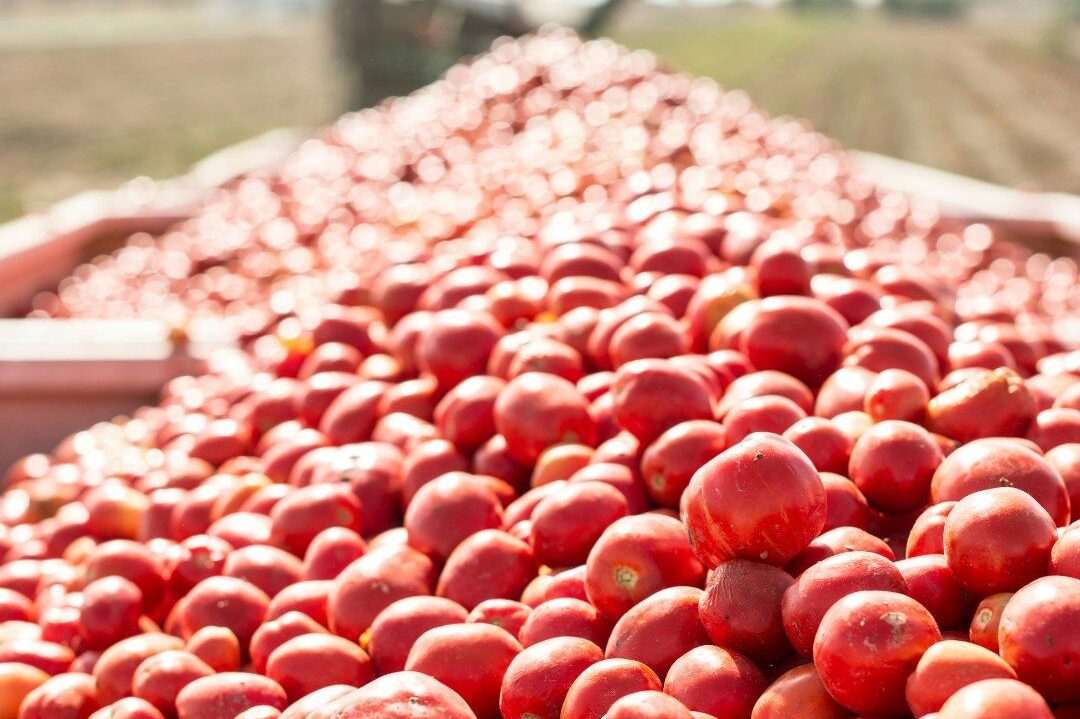
The San Joaquin Valley produces more than 40% of the United States’ fruits, nuts, and vegetables. Managing the post-harvest window — the critical hours and weeks between field and market — determines whether that production translates into maximum grower income or preventable loss. A purpose-built refrigerated warehouse in the Central Valley is the infrastructure that closes that gap.
Central Valley Cold Storage is the only large-scale off-grid refrigerated warehouse in the Central Valley, located at Madera Airport Industrial Park, Madera CA — within 30–45 minutes of the primary almond, pistachio, and stone fruit growing corridors of Madera, Fresno, and Merced counties.
Refrigerated Warehouse Specifications — Madera, CA
| Specification | Detail |
|---|---|
| Total Footprint | 254,000 sq ft |
| Storage Capacity | 50 million pounds |
| Temperature Zones | 5 independently controlled bays |
| Temperature Range | 32–40°F (commodity-specific calibration) |
| Humidity Control | Independent per bay |
| Power Infrastructure | 1,200kW off-grid solar + battery (zero grid dependency) |
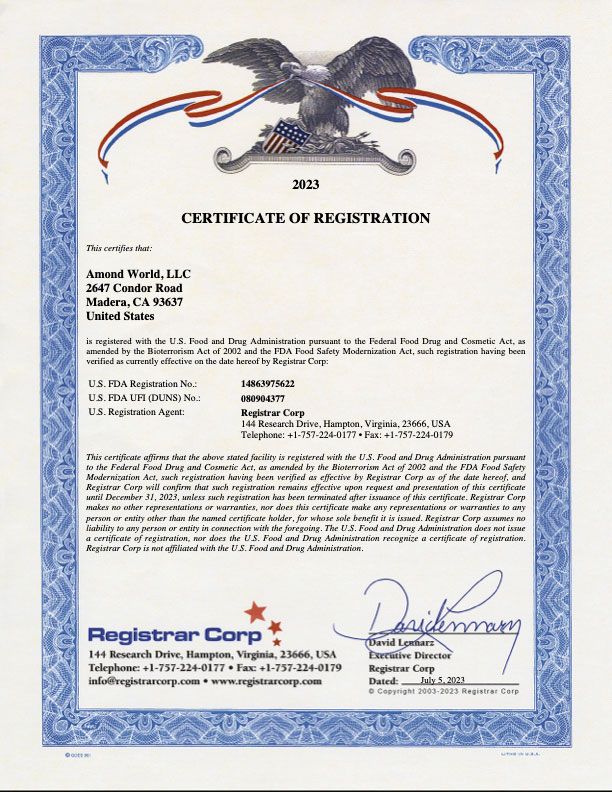
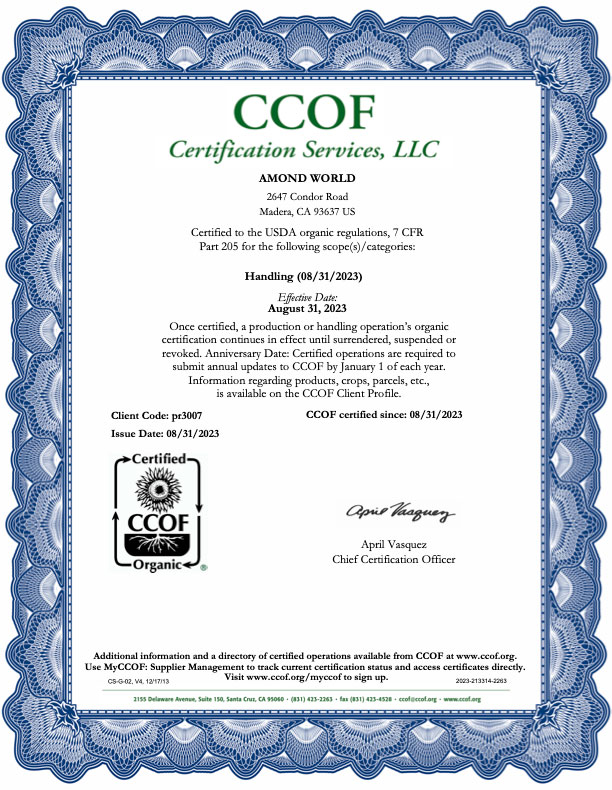
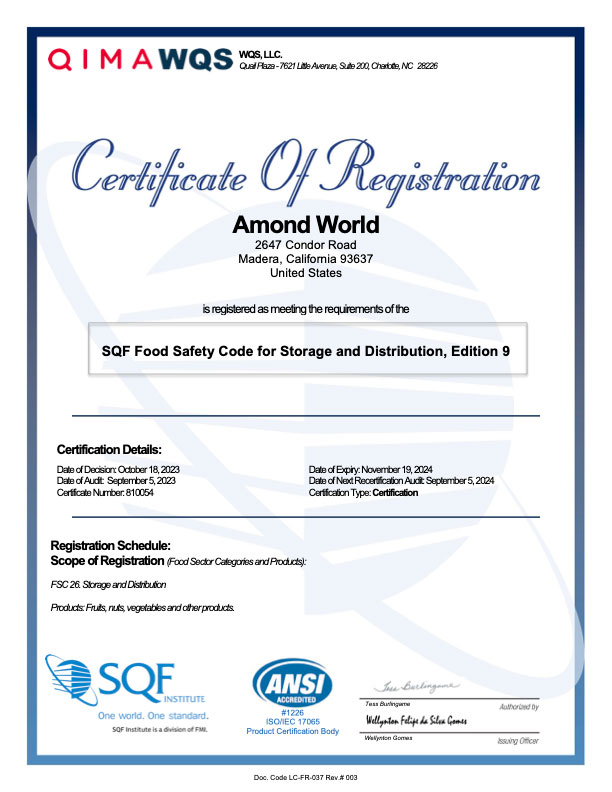
| Certifications | SQF, CCOF, FDA registered |
| Compliance | FSMA 204 lot-level traceability |
| Inventory Capacity | $100M+ commodity value |
| Location | Madera Airport Industrial Park, Madera, CA 93637 |
Why Location Matters: Field-to-Cold-Chain Proximity
Every hour between harvest and refrigeration accelerates post-harvest loss. For fresh produce, the USDA estimates that pre-cooling delays of even 2–4 hours can reduce marketable shelf life by 10–20%. For tree nuts, heat accumulation during transport to distant storage facilities accelerates moisture migration, lipid oxidation, and aflatoxin risk.
Central Valley Cold Storage’s Madera location sits at the intersection of Highway 99 and Highway 145 — within 30 minutes of the highest-density almond and pistachio growing corridors in California. This field-to-warehouse proximity is not a convenience; it is a quality-preservation variable that shows up directly in moisture content, color grade, and free fatty acid levels at point of sale.
Commodities Stored at Our Central Valley Refrigerated Warehouse
California Almonds
In-shell and shelled almonds stored at 32–40°F with 60–65% relative humidity maintain kernel quality and export specification for 18–24 months. Organic and conventional lot segregation is available. See the full almond cold storage guide.
California Pistachios
Pistachios stored at 35–38°F extend commercially viable shelf life from 3–4 months (ambient) to 12–18 months, maintaining EU aflatoxin compliance limits (<4 ppb) for premium export markets. See the pistachio cold storage guide.
Walnuts
English walnuts — 65–70% unsaturated fat by weight — develop rancidity within 60–90 days at ambient temperatures. Refrigeration at 32–36°F maintains quality for 12+ months and supports premium pricing in Asian export markets.
Fresh Produce
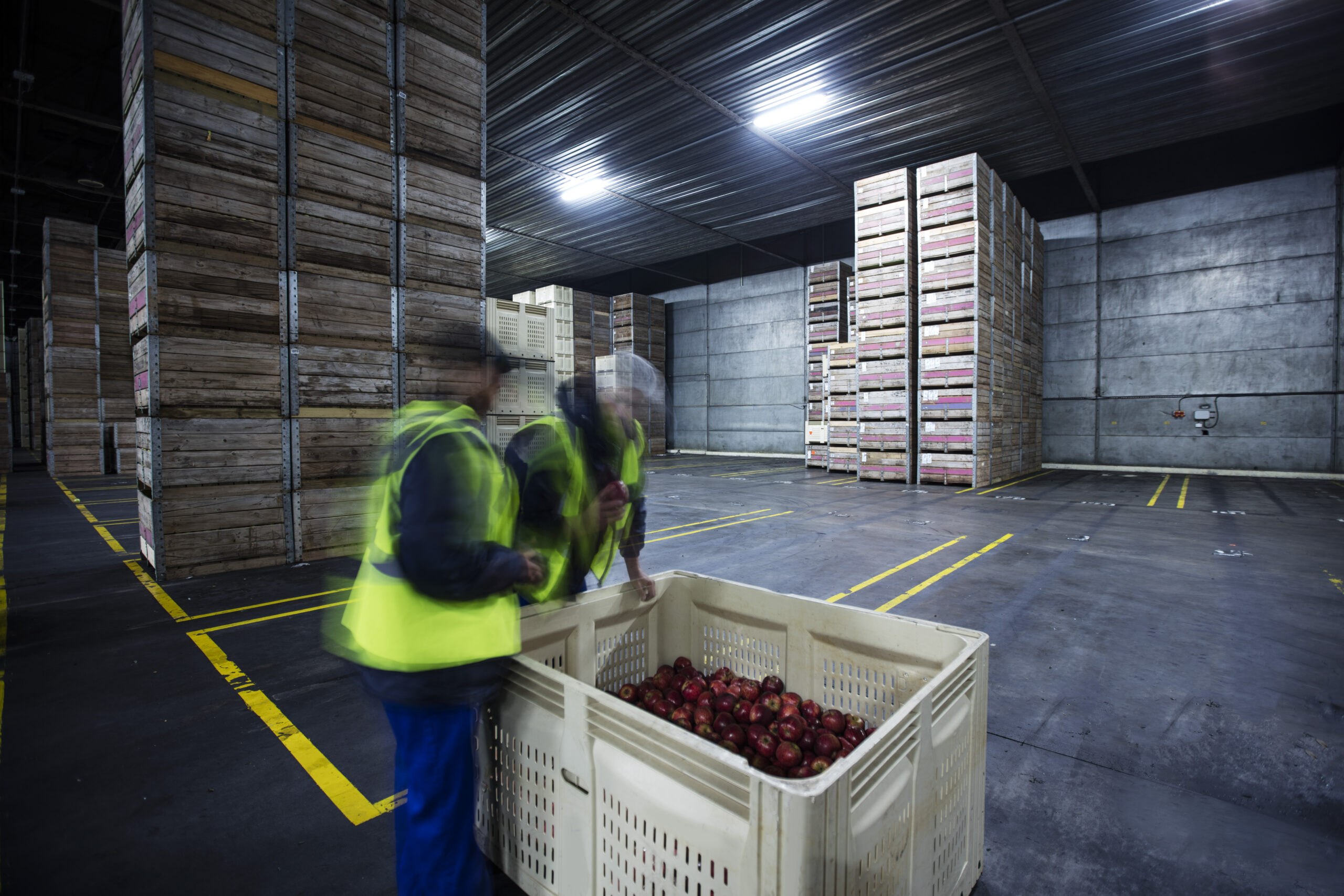
Stone fruits, table grapes, citrus, and field vegetables require rapid pre-cooling and uninterrupted cold chain through distribution. Our Madera location provides the field-to-cold-chain proximity that preserves product quality and maximizes sellable shelf life.
Off-Grid Power: The Only Refrigerated Warehouse in California That Runs Without the Grid
PG&E’s Public Safety Power Shutoff (PSPS) events occur during peak wildfire season — precisely when post-harvest cold storage demand is highest. A grid-connected refrigerated warehouse carries inherent inventory risk during these events. Diesel backup is a partial mitigation, not a solution.
Central Valley Cold Storage operates on a dedicated 1,200kW solar photovoltaic array with large-scale battery storage, providing uninterrupted refrigeration with zero grid dependency. For operations storing $1M+ in commodity value, off-grid infrastructure is not a feature — it is a fundamental risk management requirement. See the full solar ROI analysis.
FSMA 204 Traceability and Certification
The FDA Food Safety Modernization Act Section 204 Food Traceability Rule (effective January 2026) requires lot-level temperature documentation, chain-of-custody records, and traceability data for tree nuts and fresh produce. Central Valley Cold Storage maintains full FSMA 204-compliant documentation systems and can produce a complete traceability report within 24 hours of an FDA request.
Certifications held: SQF (Safe Quality Food) Code, CCOF Organic Certification, FDA Food Facility Registration. View all certifications.
Refrigerated Warehouse Services
- Temperature-controlled storage — five independently calibrated bays for multi-commodity operations
- Organic and conventional lot segregation — full separation to preserve CCOF certification integrity
- Real-time inventory management — web-based portal for inbound/outbound scheduling, inventory status, and reporting
- In-situ title transfer — international buyers take legal commodity ownership while inventory stays refrigerated in Madera
- FSMA 204 lot traceability — complete documentation supporting grower, handler, and buyer compliance
Frequently Asked Questions: Central Valley Refrigerated Warehouse
Where is the Central Valley Cold Storage refrigerated warehouse located?
Central Valley Cold Storage is located at Madera Airport Industrial Park in Madera, California (Madera County). The facility is at the intersection of Highway 99 and Highway 145, within 30–45 minutes of the primary almond, pistachio, and stone fruit production corridors of Madera, Fresno, and Merced counties.
What is the storage capacity of the Central Valley Cold Storage warehouse?
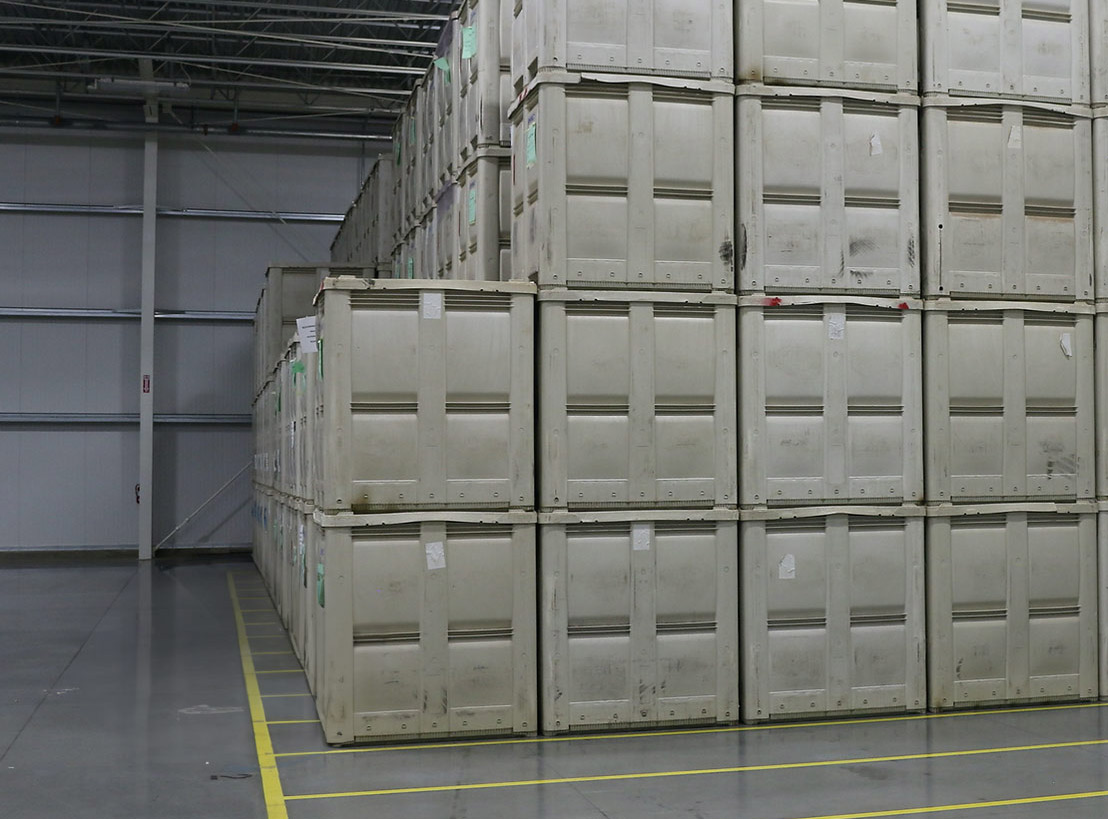
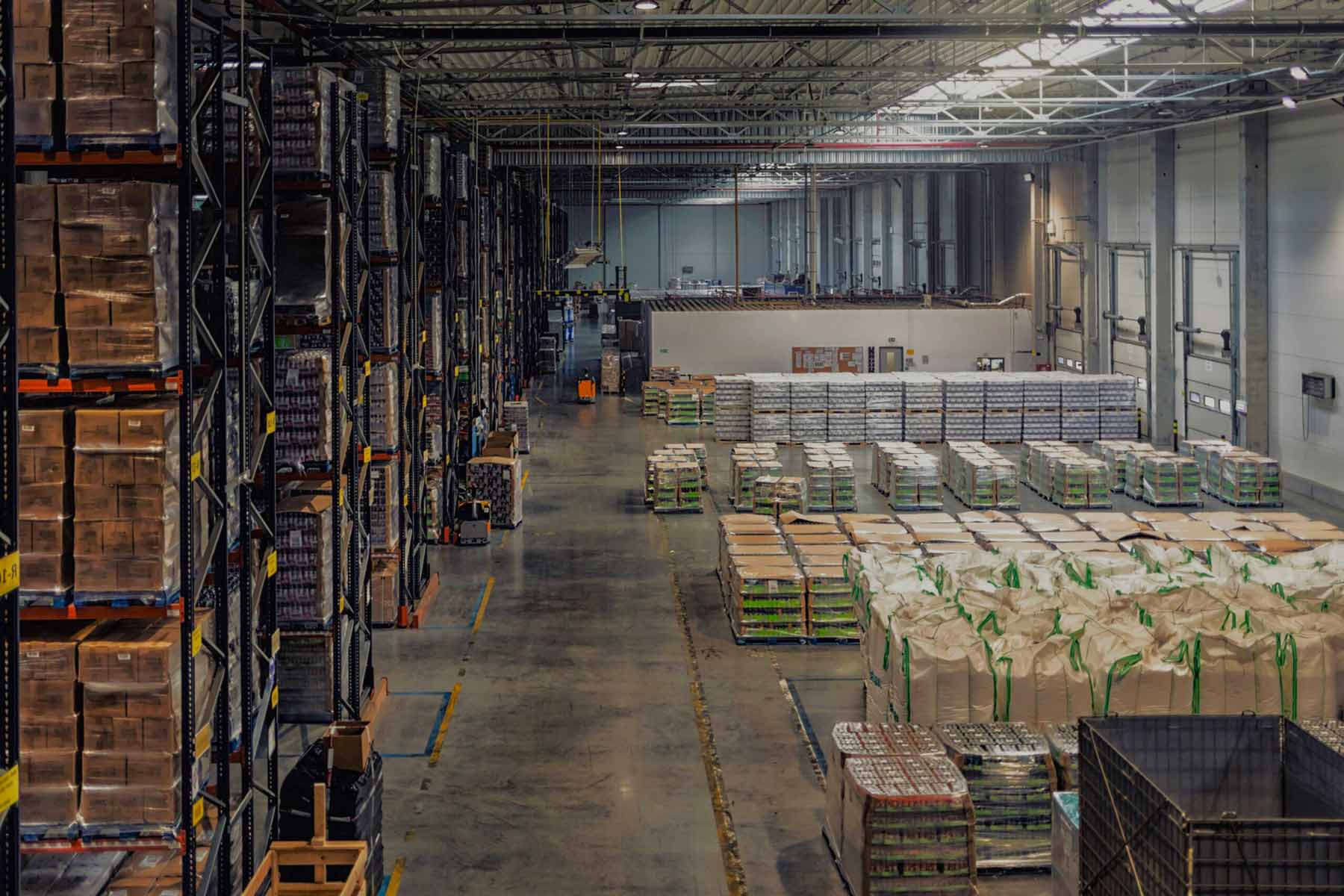
The facility is 254,000 square feet with a 50 million pound storage capacity. It has five independently temperature-controlled bays and can accommodate inventory valued in excess of $100 million.
What commodities does the Central Valley refrigerated warehouse accept?
The facility stores California almonds, pistachios, walnuts, stone fruits, table grapes, citrus, and fresh produce. Both organic-certified and conventional commodities are accepted, with full lot segregation to preserve CCOF certification integrity.
Is Central Valley Cold Storage FSMA 204 compliant?
Yes. The facility maintains full lot-level temperature logs, chain-of-custody records, and traceability documentation required under FDA FSMA Rule 204, effective January 2026. A complete traceability report can be produced within 24 hours of an FDA request.
What happens to stored inventory during a PSPS power outage?
Nothing — Central Valley Cold Storage operates on a dedicated off-grid 1,200kW solar-plus-battery microgrid with zero grid dependency. PG&E PSPS events do not affect refrigeration. This is the only large-scale refrigerated warehouse in the Central Valley that offers this level of power resilience.
How do I request cold storage space at the Central Valley facility?
Contact the Central Valley Cold Storage team through the storage information request form. Peak harvest season capacity (August–November) fills early — confirm availability at minimum 60 days before anticipated harvest.