Processing-Adjacent Cold Storage in Madera: Multi-Temperature Solutions for Food Processors
Definition: Processing-adjacent cold storage is multi-temperature warehousing positioned to serve food processors’ integrated supply chains, providing raw material buffering (fresh nuts and fruit inventory), intermediate product storage (partially processed or partially frozen goods), and finished product staging (frozen value-added products, nut butters, processed fruit). It reduces processor supply chain friction by consolidating raw inbound, work-in-progress, and finished goods storage adjacent to processing operations.
The Food Processor Cold Chain Complexity: Raw Materials, Work-in-Progress, and Finished Goods
Food processors (nut butter manufacturers, frozen fruit processors, value-added nut producers) operate integrated supply chains with distinct temperature and humidity requirements across the production cycle. Raw almonds or pistachios arrive from harvest at ambient temperature and require immediate cooling to prevent quality degradation. Partially processed inventory (blanched nuts, partially roasted product) requires intermediate temperature management to prevent oil separation and oxidation. Finished frozen products require sub-zero storage preserving texture and nutritional quality until distribution.
Historically, processors managed this complexity through in-house cold storage investments. A mid-sized nut butter manufacturer would invest in 2,000-5,000 tons of raw material storage (34°F), 500-1,000 tons of intermediate product storage (36-45°F depending on process stage), and 3,000-8,000 tons of finished product storage (sub-zero, -10°F to 0°F). This meant capital investments of $8-15 million in cold storage infrastructure, plus ongoing energy, maintenance, and compliance costs.
Over the past decade, processor economics have shifted toward outsourced storage models. Processors focus capital and operational focus on processing equipment, product development, and brand/sales—core value-creation activities. Storage infrastructure, increasingly, is outsourced to specialized facilities offering variable-cost access rather than fixed capital investment.
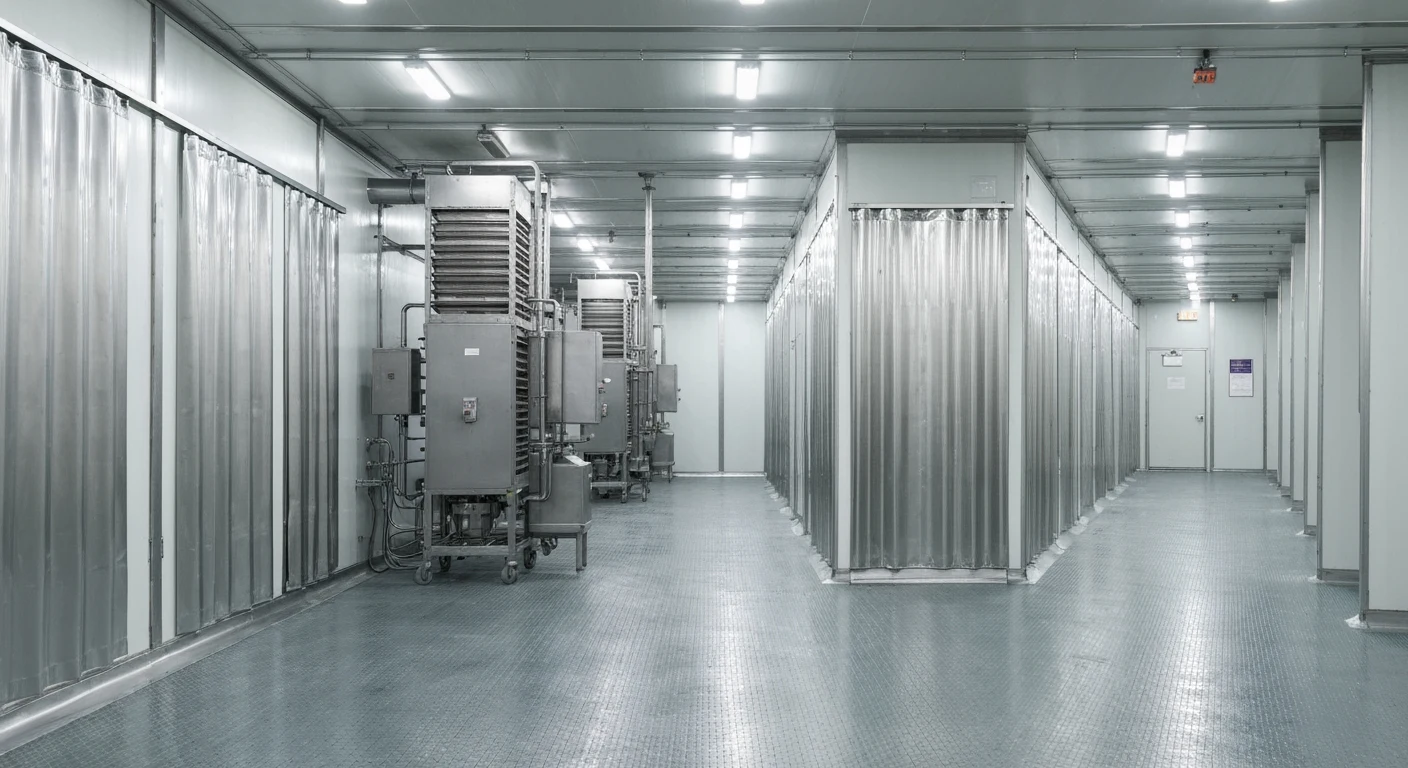
CVCS’s multi-temperature infrastructure directly serves this processor demand: raw material 34°F storage, intermediate product 34-45°F storage, and sub-zero finished product storage all within a single integrated facility. This consolidation eliminates processor need for separate in-house facilities while providing operational adjacency (consolidated logistics, simplified quality tracking) that rivals processor in-house infrastructure.
Raw Material Buffering and Harvest Timing Flexibility
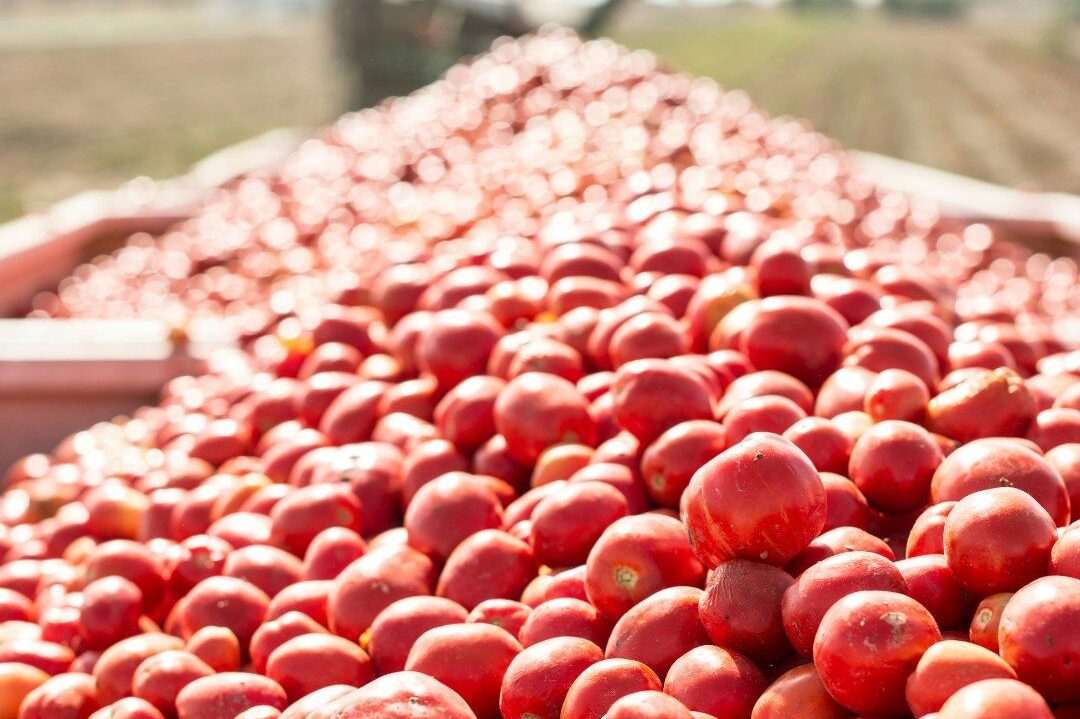
Food processors purchase raw materials (almonds, pistachios, fruit) from growers during limited harvest windows. Almonds and pistachios harvest in 8-10 week windows (August-October); stone fruit harvest in 4-8 week windows (May-August); specialty crops on even more constrained timelines. Processors purchasing from multiple suppliers face a timing puzzle: consolidate purchases from early-harvest suppliers, but suppliers may demand immediate payment for early-season product.
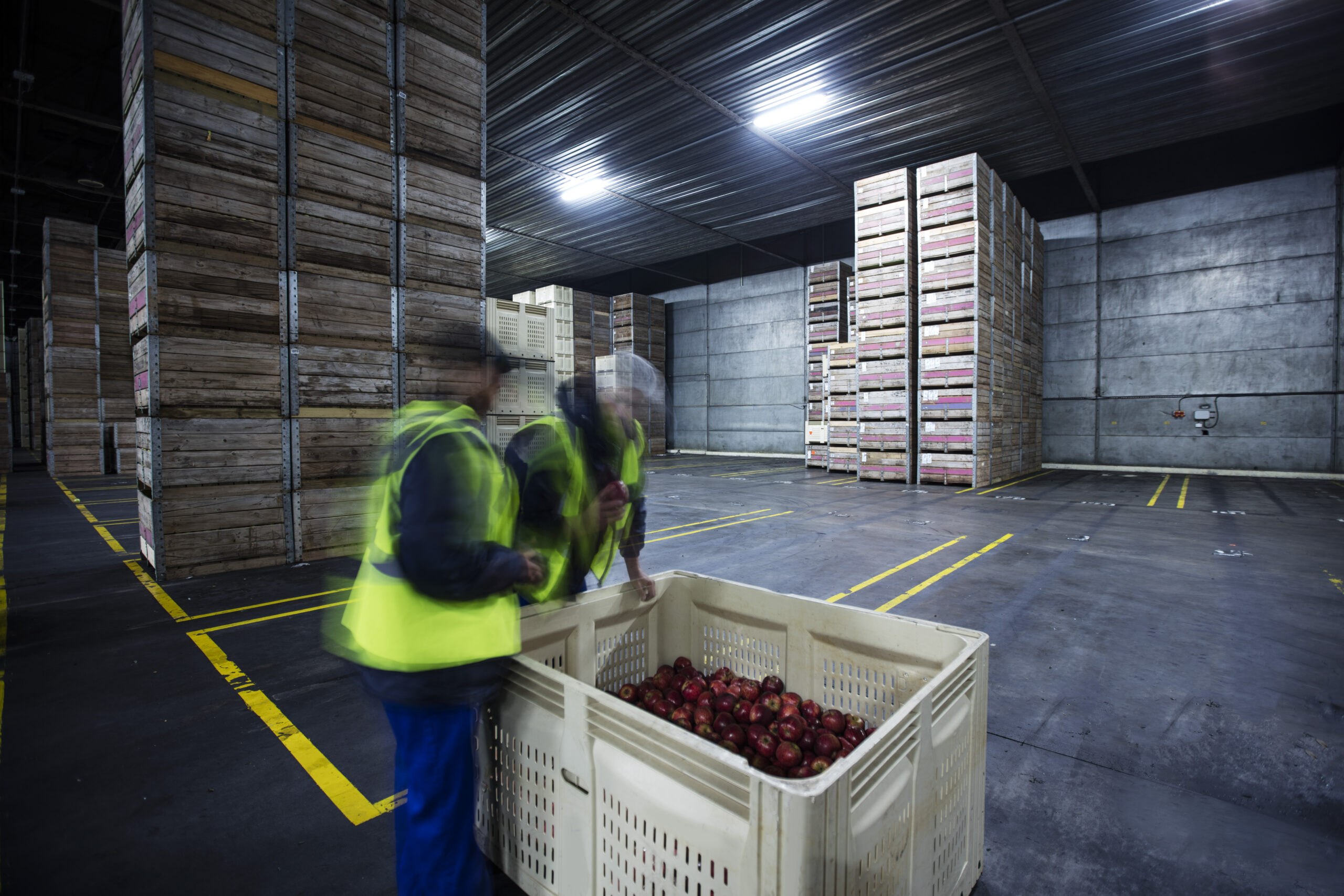
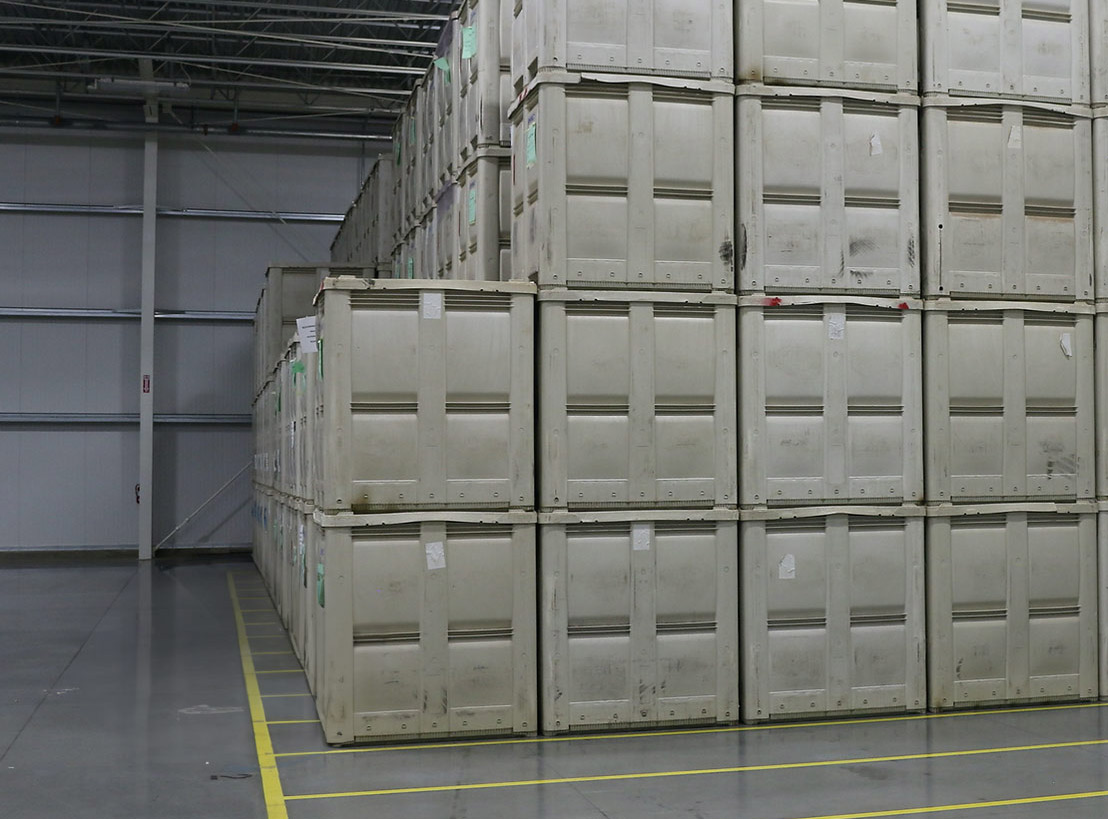
Raw material buffering at 34°F General Storage allows processors to purchase product across the harvest window, storing inbound inventory, and staging raw materials into the processing production schedule at optimal rates. This flexibility provides several operational advantages.
First, it allows processors to negotiate better pricing. Early-season almonds are expensive (supply is constrained). Processors that commit to large early-season purchases obtain discounts, but don’t require processing capacity until mid-harvest or later. By storing early-purchased product at CVCS, processors can take advantage of early-season pricing discounts while timing processing to optimal production schedules.
Second, raw material buffering allows processors to handle supplier uncertainty. Growers sometimes experience unexpected quality issues, yield shortfalls, or harvest delays. By maintaining raw material inventory in cold storage (rather than processing continuously), processors buffer against supply disruptions, maintaining production continuity when supplier inventory is constrained.
Third, raw material storage enables processors to pursue vertical integration strategies. Some processors are expanding into direct-from-farm supply relationships, purchasing whole harvests or large portions of grower production. This requires raw material buffering capacity to manage the inbound surge and pace processing appropriately.
For a 5,000-ton-per-year processor, raw material buffering might require 1,000-1,500 tons of storage at any given time during harvest season. At CVCS rates ($0.15-$0.20 per pound-month for 34°F General Storage), this generates $150,000-$225,000 in annual raw material buffering cost—a cost justified by pricing flexibility and supply security.
Intermediate Product Storage and Processing Workflow Optimization
Food processing is not instantaneous. A nut butter manufacturer’s raw almonds undergo multiple processing stages: cleaning, blanching (hot water treatment to remove skins), roasting (thermal processing to develop flavor and reduce moisture), cooling (critical stage preventing oil degradation), grinding (mechanical processing producing paste consistency), and packaging. This sequence spans 24-72 hours depending on production scale and equipment capacity.
Between processing stages, product temperature management is critical. Blanched almonds (post-hot-water treatment) are at elevated temperature and elevated moisture, creating conditions for mold growth and oil oxidation if not cooled immediately. Roasted almonds, while thermally treated, still contain residual oil that will separate if stored improperly. Nut paste, during cooling and consistency management, requires precise temperature control preventing oil separation from protein matrix.
Intermediate product storage (34-45°F depending on process stage) manages this in-process inventory. Rather than requiring processors to maintain operating temperatures within processing equipment (expensive, limits flexibility), processors can cool intermediate product to intermediate temperature storage, allowing equipment to be reset for the next batch while maintaining product quality.
CVCS’s 34°F General Storage and 36°F Finishing Storage provide two tiers of intermediate temperature management. General Storage (34°F) holds recently blanched or roasted product requiring aggressive cooling to prevent oil oxidation. Finishing Storage (36°F) holds product approaching final consistency and packaging, where slightly elevated temperature reduces cooling time without compromising quality.
For a 10,000-ton-per-year processor operating in three production shifts (continuous operation), typical intermediate product inventory is 200-400 tons at any given time. At $0.16-$0.18 per pound-month for intermediate storage, this costs $30,000-$70,000 annually—a modest investment enabling optimal processing workflow and reducing in-process equipment inventory pressure.
Sub-Zero Storage and Value-Added Product Preservation
Finished value-added products (nut butters, roasted nuts, frozen fruit) require sub-zero storage (-10°F to 0°F) to preserve texture, prevent oil oxidation, and maintain long-term shelf stability. CVCS’s Organic Storage zone operates at 28°F, providing sub-zero conditions for finished product storage.
Sub-zero storage preserves product quality across distribution windows. A nut butter product manufactured in September might not reach retail shelves until November or December (2-3 month distribution delay). During this period, the product sits in sub-zero storage, maintaining texture and nutritional quality. Products stored at higher temperatures show measurable degradation: nut butters separate or develop off-flavors; roasted nuts become rancid; frozen fruit loses texture and develops crystallization.
For processors with premium positioning (organic, specialty brands, premium pricing), sub-zero storage is non-negotiable. The processing investment to create premium product is wasted if storage conditions allow degradation during distribution. CVCS’s sub-zero storage is essential for quality preservation across distribution windows.
Storage pricing for sub-zero (28°F Organic zone) is $0.20-$0.25 per pound-month—a premium over moderate temperature storage, reflecting energy cost of maintaining sub-zero conditions. For a processor with 5,000 tons annual finished product output, assuming 30-40 day average holding in sub-zero before distribution, this costs $100,000-$200,000 annually. This cost is easily justified by retail price premiums for products that maintain texture and quality throughout distribution.
Organic Certification and Premium Product Positioning
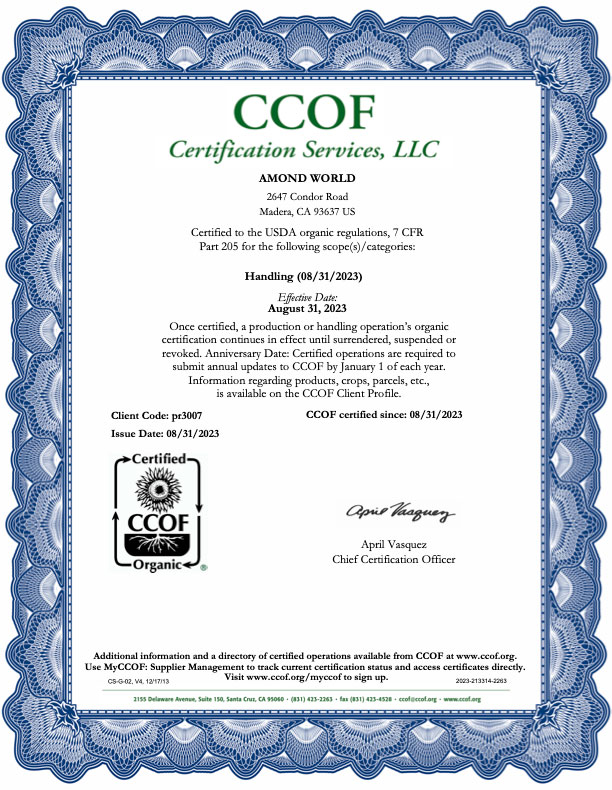
Many food processors specialize in organic products: organic nut butters, organic roasted nuts, organic frozen fruit. Organic certification requires unbroken documentation that products never contact non-organic materials and are stored in certified facilities. CCOF (California Certified Organic Farmers) certification requires dedicated organic storage zones, separate handling equipment, and staff training on organic integrity.
CVCS’s CCOF-certified organic zones (including the 28°F sub-zero zone for frozen organic products) ensure that organic processors can maintain organic integrity throughout raw material buffering, intermediate processing, and finished product storage. This certification support is particularly valuable for emerging organic processors building brand positioning on organic authenticity and traceability.
For organic processors, CVCS’s certification infrastructure is a strategic asset. The processor can credibly market products as “stored in certified organic facilities” to end consumers and retail buyers, supporting premium positioning and justifying organic price premiums.
Blast Freezing Adjacency and Equipment Coordination
Some food processors operate on-site blast freezing equipment—equipment that rapidly freezes fresh fruit or partially processed products to maintain quality. Blast freezing requires specialized equipment (plate freezers, tunnel freezers, individual quick freezers) that is expensive and capacity-constrained. After blast freezing, frozen product must be transferred immediately to sub-zero storage to prevent partial thawing and quality degradation.
CVCS’s proximity to industrial areas in Madera enables processing-adjacent storage arrangements where blast-frozen product is transferred directly to CVCS sub-zero storage within minutes of processing. This minimizes transport time and preserves the benefit of blast freezing investment.
For processors with on-site blast freezing infrastructure, this adjacency is operationally valuable. Rather than maintaining separate sub-zero storage at the processing facility (expensive, space-constrained), processors outsource sub-zero storage to CVCS, maintain only burst-processing capacity for freezing, and transfer to storage for long-duration holding.
Multiple Product Lines and Temperature Zone Management
Many processors operate multiple product lines across different temperature requirements. A mid-sized processor might produce: nut butters (requiring 34°F raw material, 36°F intermediate, 28°F finished); roasted specialty nuts (requiring 34°F raw material, 36°F intermediate, 36°F finished); and frozen fruit products (requiring 34°F raw material, 34-40°F intermediate, 28°F finished). Each product line has distinct temperature requirements, and maintaining separate equipment for each line is capital-intensive.
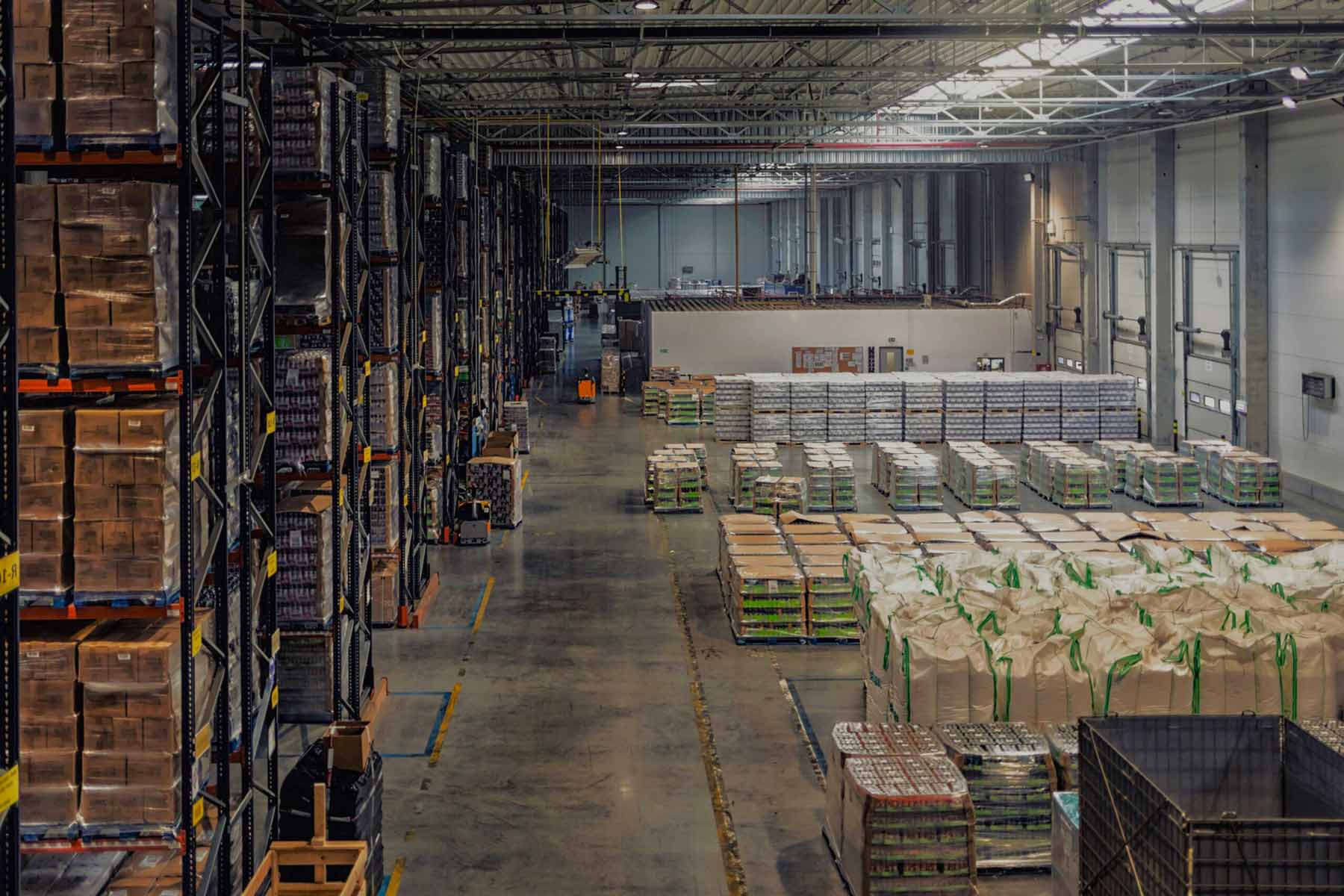
CVCS’s multi-temperature infrastructure consolidates these product lines. A processor can source raw materials across multiple product lines at 34°F General Storage, stage intermediate products at 36°F Finishing Storage, and store finished goods across both 36°F Finishing (for shelf-stable roasted nuts) and 28°F sub-zero (for frozen or premium products). This consolidation simplifies processor logistics and reduces overall storage cost by enabling shared infrastructure.
For a processor with three product lines generating 10,000 tons annual output (4,000 tons nut butter, 3,000 tons roasted nuts, 3,000 tons frozen fruit), typical storage requirements are: 500 tons raw material (34°F), 150 tons intermediate (34-40°F), 2,000 tons finished goods (distributed across 36°F and 28°F). This consolidated requirement across all product lines is more efficient than separate facilities for each line—total storage cost across the product portfolio is reduced through consolidation.
Traceability and Quality Assurance for Value-Added Processing
Food processors operate under increasingly rigorous traceability and quality assurance requirements. Retailers (Costco, Albertsons) require suppliers to maintain lot-level traceability. Consumers (particularly organic and premium consumers) expect traceability documentation supporting health claims and provenance positioning.
CVCS’s traceability infrastructure supports processor requirements. When raw materials arrive at CVCS, the facility documents: supplier (grower) identity, product type and variety, harvest/production date, quantity, and quality observations. As raw material moves through the processor (cooling, blanching, roasting, freezing), temperature and time documentation is maintained. As finished product is staged at CVCS, lot identification, production date, and packaging information are recorded. This consolidated traceability is then available for processor customer audits and regulatory compliance.
For organic processors particularly, this traceability capability is essential. Organic certification audits require documentation proving that organic inputs were sourced from certified suppliers, stored in certified facilities, and processed with certified equipment. CVCS’s documented traceability throughout raw material storage and intermediate processing supports organic certification audits and protects processor certifications.
FSMA 204 Compliance for Processors Using Outsourced Storage
When processors use outsourced cold storage, the processor remains responsible for FSMA 204 traceability compliance. This means the processor must maintain documented traceability linking raw material inputs, processing steps, and finished product outputs. CVCS’s traceability systems support this requirement by providing complete temperature and timing documentation for all product held at the facility.
For processors operating multi-facility supply chains (raw material at supplier, processing at processor facility, finished goods at CVCS), FSMA 204 compliance requires documented linkage across all nodes. CVCS’s willingness to provide complete storage and condition documentation facilitates processor compliance with this distributed supply chain requirement.
Energy Efficiency and Operating Cost Optimization
Food processors are cost-sensitive businesses with thin margins (3-8% typical net margin). Cold storage cost is a meaningful line item in processor operating budgets. CVCS’s 1200kW solar system reduces energy cost compared to grid-dependent facilities, lowering processor storage cost per pound and improving overall economics.
For a processor with 8,000 tons average cold-stored inventory, facility energy represents approximately $120,000-$150,000 in annual cost (at typical utility rates of $0.12-$0.15 per kWh). CVCS’s renewable energy offset (approximately 70-80% of facility consumption) reduces this cost by $85,000-$120,000 annually. This savings directly improves processor profitability or enables more competitive pricing for retail customers.
Beyond energy efficiency, CVCS’s off-grid solar infrastructure provides operational resilience. Power outages are rare but catastrophic for food processors—a multi-hour outage can result in tens of thousands of dollars of finished product loss. The ability to maintain storage temperature during grid outages (through on-site solar and battery systems) protects processor inventory and operational continuity.
Service Options and Processor Support Infrastructure
Beyond warehousing, CVCS provides operational support services valuable for processors: inbound receiving and quality checks aligned with processor specifications; temperature logging and condition documentation for audit support; lot tracking and inventory management coordination; and outbound staging support for retail customer shipments.
For smaller to mid-sized processors, this support infrastructure reduces operational burden. The processor focuses on core processing operations; CVCS manages storage operations and documentation. This allows processors to maintain lean staffing while ensuring rigorous storage standards.
Scaling Processor Operations Without Capital Constraint
Food processors pursuing growth face capital constraints—investment in processing equipment, product development, and sales/marketing leaves limited capital for cold storage infrastructure expansion. CVCS’s outsourced model allows processors to scale storage capacity without capital investment. As a processor grows from 5,000 tons to 10,000 tons to 15,000 tons annual throughput, CVCS can allocate additional capacity on variable-cost terms, enabling processor growth without capital outlays for facility expansion.
This growth flexibility is strategically valuable for emerging processors and processors pursuing organic or specialty positioning. Rather than building excess capacity to support future growth (and absorbing fixed cost during growth ramp), processors lease capacity as needed, aligning storage cost with actual production growth.
Call to Action: Integrated Cold Chain Partnership for Food Processors
Food processors operate integrated supply chains requiring raw material buffering, intermediate product management, and finished goods preservation. CVCS provides the multi-temperature infrastructure—34°F general storage, 36°F finishing storage, 28°F sub-zero storage—consolidating processor cold chain requirements into a single facility partnership.
Whether you’re a nut butter manufacturer, specialty roasted nut producer, or frozen fruit processor, CVCS’s processing-adjacent storage, CCOF organic certification, traceability infrastructure, and renewable energy systems support processor growth and margin optimization.
Schedule a consultation with our processor partnership specialist to design integrated storage solutions aligned with your product lines, production schedule, and quality requirements.