
FDA Oversight of Cold Storage Facilities
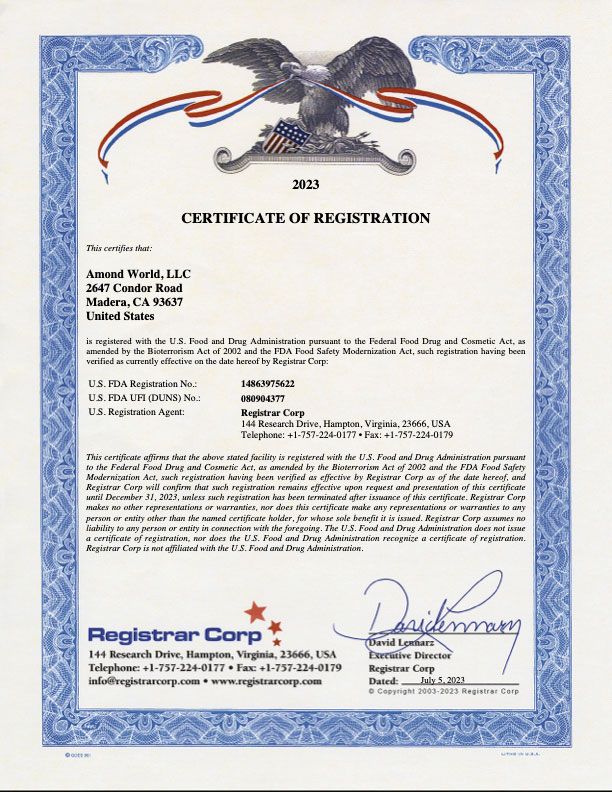
Cold storage facilities that handle human food are subject to FDA oversight under the Food Safety Modernization Act (FSMA), signed into law in 2011 and now fully in force for facilities of all sizes. The specific FSMA rules that apply to cold storage operations include the Preventive Controls for Human Food rule (21 CFR Part 117), the Food Traceability Rule (21 CFR Part 1, Subpart S), and potentially the Foreign Supplier Verification Program (FSVP) rule if the facility facilitates imports.
FDA inspects food facilities on a risk-based schedule — high-risk facilities may be inspected as frequently as every 1–3 years; lower-risk facilities on a longer cycle. Inspections are conducted without advance notice (though FDA typically calls ahead for scheduling purposes), and facilities must be prepared to produce required records within 24 hours of an FDA request.
Preventive Controls: The Core FSMA Requirement
Under FSMA’s Preventive Controls for Human Food rule, cold storage facilities that are considered “facilities” (defined as those that manufacture, process, pack, or hold food for human consumption) must maintain a written Food Safety Plan that includes:
Hazard Analysis: A systematic evaluation of biological, chemical, and physical hazards that could affect the safety of foods stored in the facility. For cold storage, the primary biological hazard is temperature abuse leading to pathogen growth in ready-to-eat or raw agricultural commodity products. Chemical hazards include refrigerant leaks and pest control chemical contamination. Physical hazards include glass from broken light fixtures and foreign material from racking systems.
Preventive Controls: Written controls specifically designed to minimize or prevent each identified significant hazard. For temperature abuse, this includes: refrigeration system maintenance procedures, alarm response SOPs, temperature monitoring protocols, and employee training records. Controls must be monitored, and monitoring records must be maintained.
Corrective Action Procedures: Written procedures for what to do when a preventive control is not properly implemented — including product evaluation, disposition documentation, and root cause analysis.
Verification Activities: Procedures for verifying that preventive controls are consistently implemented and effective — including calibration of thermometers and data loggers, review of temperature records by a qualified individual, and periodic internal review of the Food Safety Plan.
PCQI: The Qualified Individual Requirement
FSMA requires that a Preventive Controls Qualified Individual (PCQI) oversee the Food Safety Plan. A PCQI is someone who has completed training in the development and application of risk-based preventive controls — typically the FSPCA Preventive Controls for Human Food training course (approximately 2.5 days) offered by FDA-recognized trainers.
The PCQI must review the Food Safety Plan at least annually and whenever there is a significant change in the facility’s operations or in scientific understanding of relevant hazards. For cold storage facilities, significant changes that would trigger a Food Safety Plan review include: adding a new commodity type with different temperature requirements, changing refrigeration system design, or beginning to handle a new product category (e.g., beginning to store ready-to-eat products after previously storing only raw agricultural commodities).
Preparing for an FDA Inspection
FDA cold storage inspections focus on documentation completeness, facility cleanliness, and operational compliance with the facility’s own documented procedures. Common findings that lead to FDA warning letters include: failure to maintain required temperature records, lack of a written Food Safety Plan, PCQI training records not available, and pest evidence in storage areas.
Best practices for inspection readiness: maintain all required records in an organized, readily accessible system (paper or digital); conduct regular internal mock audits to identify gaps before FDA does; ensure all employees can clearly explain their role in food safety; and designate a single point of contact who will accompany inspectors and facilitate efficient record retrieval.