California’s Apple and Pear Production
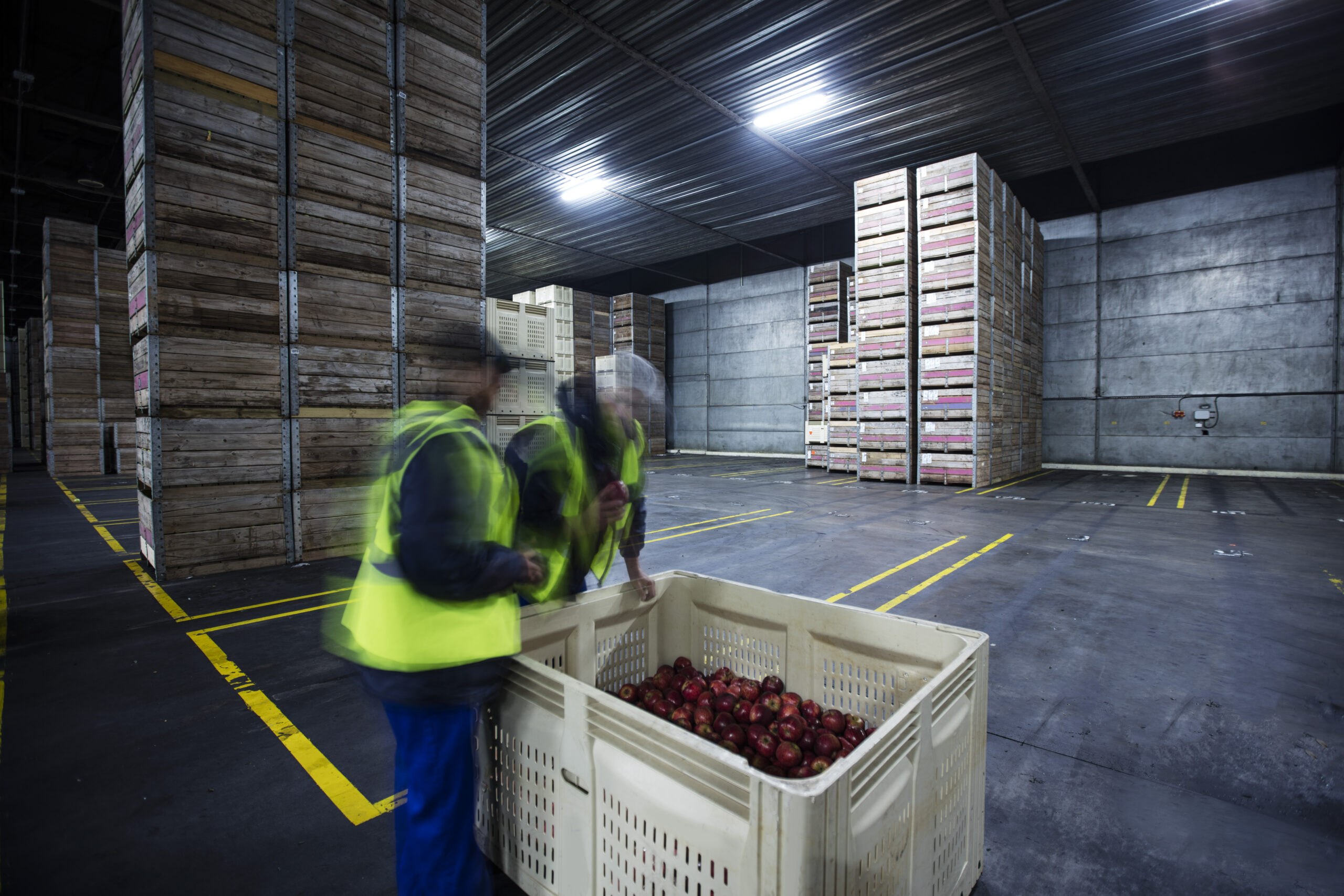
While Washington State dominates US apple production, California’s Sierra Nevada foothill counties — El Dorado, Placer, and San Bernardino — produce significant volumes of Fuji, Gala, Pink Lady, and Granny Smith apples, primarily for the California fresh market and specialty retail channels. The Sacramento Valley produces Bartlett pears, with Butte, Lake, and Mendocino counties accounting for the majority of state pear production. Both crops require refrigerated cold storage for any meaningful post-harvest hold, and controlled atmosphere (CA) storage significantly extends marketable shelf life.
Apple Cold Storage: Temperature and Humidity Requirements
Most apple varieties are stored at 30–32°F (–1 to 0°C) with 90–95% relative humidity. At these conditions, respiration rate drops to near minimum, ethylene production is suppressed, and softening slows dramatically. Standard refrigerated cold storage at these conditions extends apple shelf life by 3–4 months depending on variety.
Variety-specific protocols matter significantly. Fuji apples are prone to internal browning (a physiological disorder related to CO2 accumulation) and benefit from low-oxygen CA storage with careful CO2 management. Granny Smith apples can suffer superficial scald (skin browning) during long-term refrigerated storage and are often treated with diphenylamine (DPA) or 1-methylcyclopropene (1-MCP) before storage to manage this disorder. Gala apples soften more rapidly than other major varieties and typically command better returns when sold within 2–3 months of harvest rather than stored long-term.
Pear Cold Storage: The Unique Challenge of Harvest Maturity
Pears present a unique cold storage challenge: unlike most fruit, pears must be harvested before they ripen and then conditioned under refrigeration to complete the ripening process. Bartlett pears harvested at commercial maturity and placed directly into cold storage without pre-cooling can fail to ripen properly — a disorder called “hard core” — where the flesh never softens correctly.
The proper protocol for Bartlett pears involves: harvest at the correct starch-iodine index (indicating sugar development but not ripeness), rapid pre-cooling to 30–31°F within 24 hours of harvest, and storage maintenance at 29–31°F with 90–95% RH. When the grower or shipper wants to ripen pears for retail, fruit is removed from cold storage and held at 65–68°F for 4–7 days to complete ripening.
D’Anjou and Bosc pears have different requirements — both require a conditioning period at 60–65°F for 2–4 weeks before they will ripen properly from cold storage. Shippers handling these varieties need to account for this ripening room requirement in their logistics planning.
Controlled Atmosphere Storage for Apples
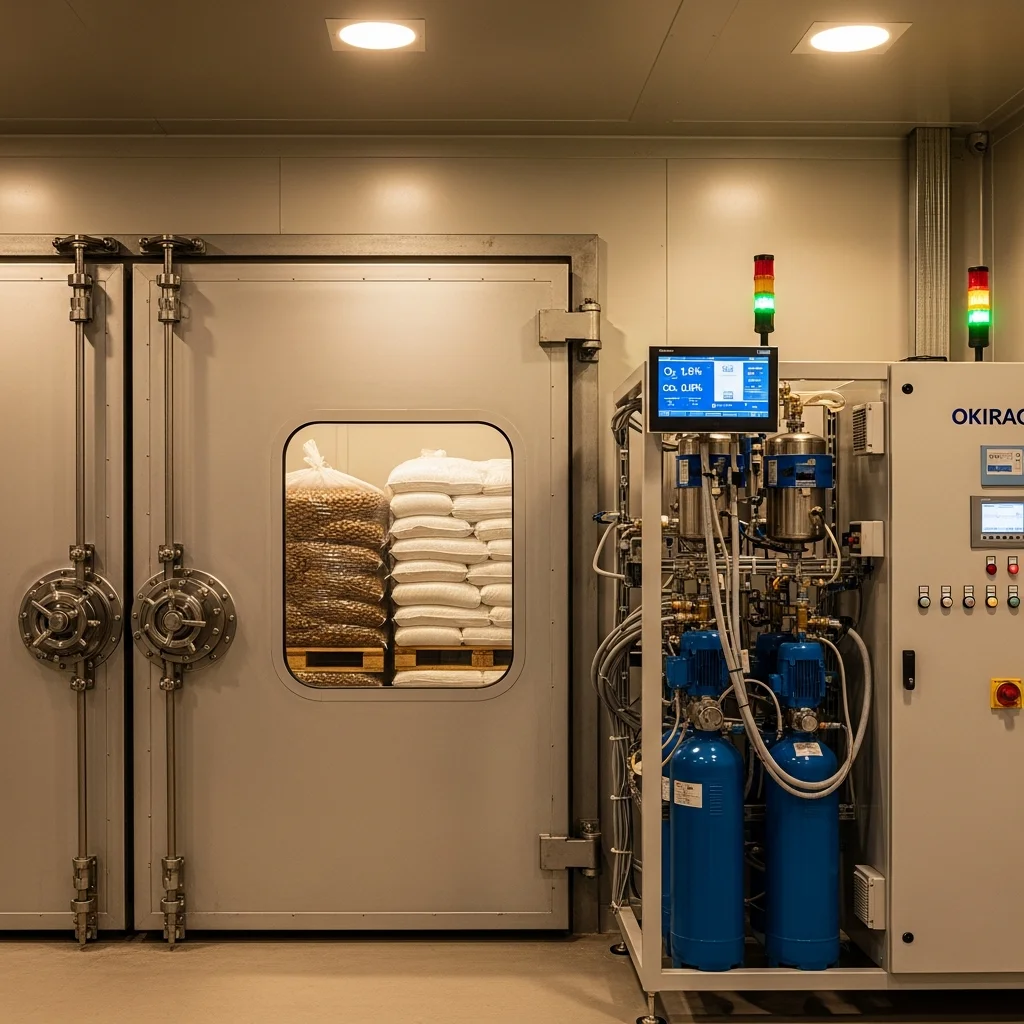
Controlled atmosphere (CA) storage extends apple storage life by an additional 2–4 months beyond standard refrigeration by reducing oxygen levels to 1–3% (versus the 21% in ambient air) and controlling CO2 at variety-specific levels. Low oxygen dramatically slows respiration, ethylene production, and softening — allowing CA-stored apples to maintain fresh quality for 8–12 months after harvest.
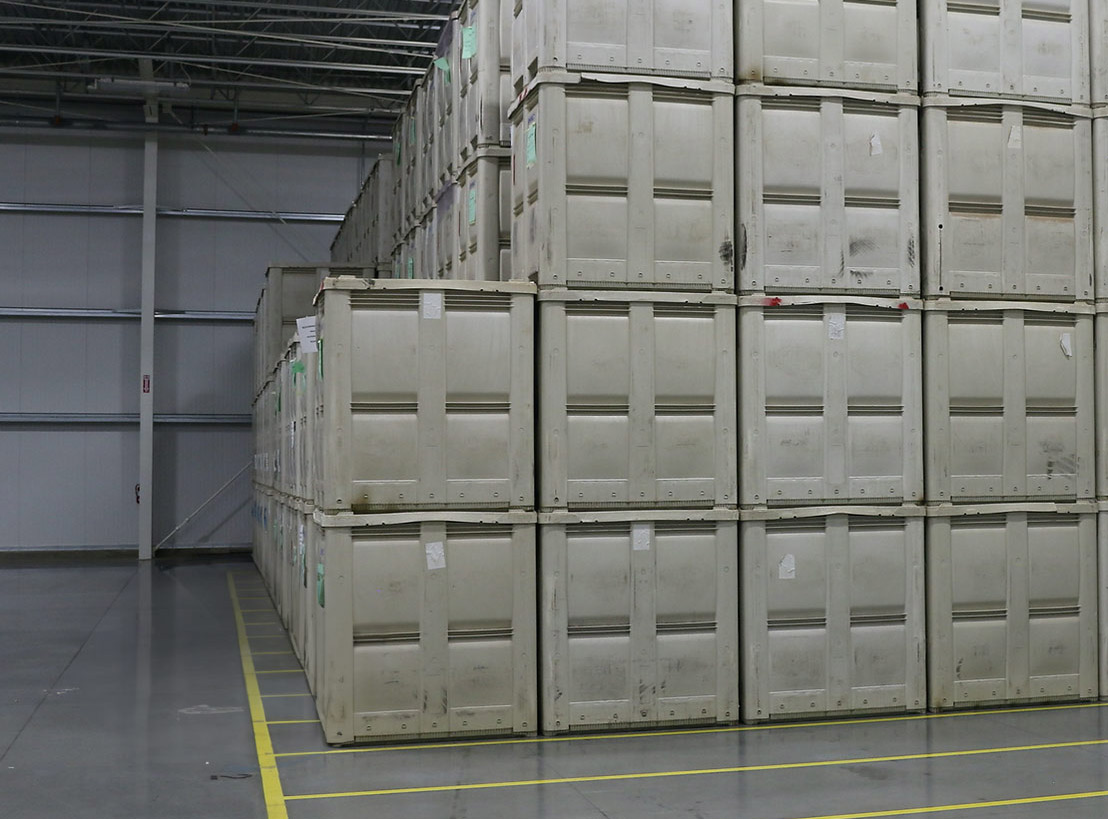
CA storage requires gas-tight storage rooms equipped with oxygen generation or nitrogen injection equipment, CO2 scrubbers, and continuous gas composition monitoring. The investment in CA equipment is substantial — typically $15–25 per cubic foot of storage volume — making CA storage cost-effective primarily for high-value varieties and high-volume operations.