META: Central Valley Cold Storage in Madera, CA serves nut growers across the San Joaquin Valley. Off-grid, FSMA-compliant refrigerated storage for almonds, pistachios, and walnuts. Dairy Cold Storage in Californias San Joaquin Vall….
Cold Storage Near Madera, CA: Refrigerated Nut Storage in the Heart of the San Joaquin Valley
Definition: Agricultural cold storage is a refrigerated warehouse system that maintains precise temperature and humidity ranges — typically 28–34°F and 55–65% humidity for tree nuts — to preserve commodity quality, eliminate fumigation requirements, and extend marketable shelf life by up to two years. The Complete Guide to Cold Storage Benefits for Ca….
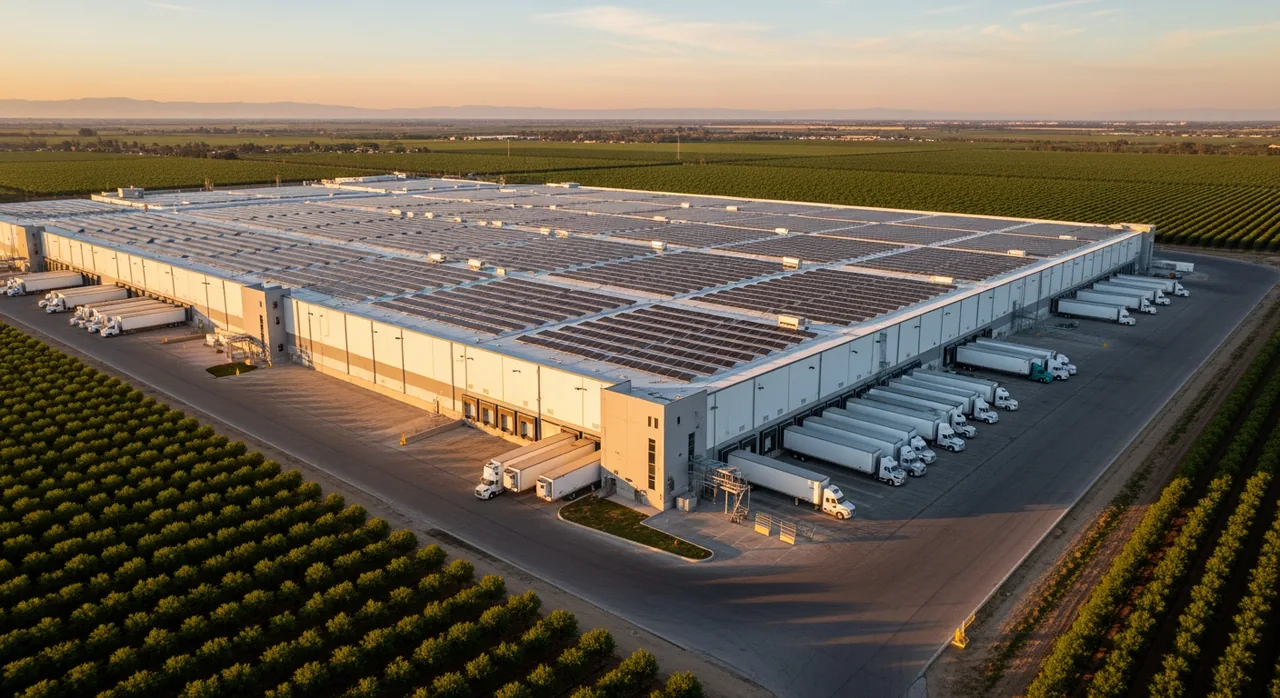
If you’re a nut grower or processor looking for cold storage near Madera, CA, Central Valley Cold Storage operates a 50-million-pound refrigerated facility at the Madera Airport Industrial Park — purpose-built for almonds, pistachios, walnuts, and other tree nuts grown across Madera County and the broader San Joaquin Valley.
The facility isn’t a general-purpose warehouse that happens to store ag product. It was designed from the ground up for tree nut producers who need to protect quality, avoid fumigation costs, and hold inventory for better market timing.
Why Location Matters: Madera Is Where Your Crop Already Goes
Madera County is one of California’s top-producing counties for almonds and pistachios — ranked fourth statewide in both crops by the California Department of Food and Agriculture. The region’s growers are already trucking product to hullers, processors, and handlers within the county. Adding a cold storage stop before or after processing requires no new logistics infrastructure — the routes already exist.
Central Valley Cold Storage sits at the Madera Airport Industrial Park, accessible from Highway 99 and Highway 41 — the two primary trucking corridors connecting Madera County growers to processing facilities and markets. Key driving distances from agricultural communities in the region:
- Madera Ranchos: approximately 5 miles — under 10 minutes
- Fairmead: approximately 10 miles — 15 minutes
- Chowchilla: approximately 35 miles north via Hwy 99 — under 40 minutes
- Fresno: approximately 25 miles south — 30 minutes
- Merced: approximately 60 miles north — under an hour
For a grower who’s already running loaded trucks to a huller or handler, adding a cold storage run at these distances is operationally straightforward.
Cold Storage vs. Dry Storage: What the Difference Costs You
Most Madera County nut growers have historically used dry storage — ambient temperature warehousing that’s cheaper per month but carries hidden costs that show up in quality degradation, fumigation bills, and lost price flexibility.
| Factor | Dry Storage | Cold Storage (CVCS) |
|---|---|---|
| Temperature | Ambient (can exceed 100°F in summer) | 28–34°F, controlled year-round |
| Humidity | Uncontrolled — risk of mold or desiccation | 55–65%, precision-maintained |
| Fumigation | Required periodically to control pests | Eliminated — cold temperatures suppress pest activity |
| Shelf life (almonds/pistachios) | 6–12 months before quality loss | Up to 2 years with preserved quality |
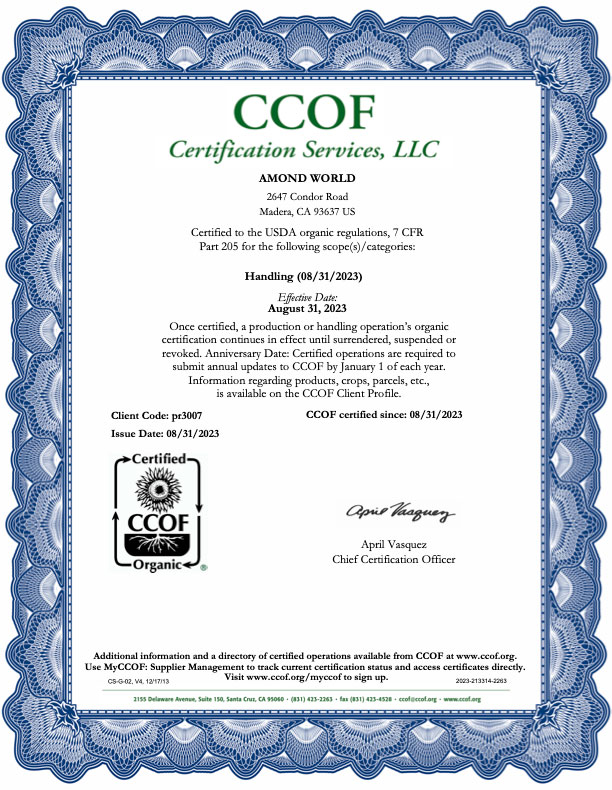
| Organic compatibility | No — fumigation disqualifies organic certification | Yes — CCOF-compatible, organic nuts stored below freezing |
| Export market eligibility | Restricted — many EU/Asian buyers reject fumigated product | Full — fumigation-free product accepted in most export markets |
| Price timing flexibility | Limited — quality pressure forces earlier sale | High — 2-year window allows market timing strategy |
What the Facility Handles
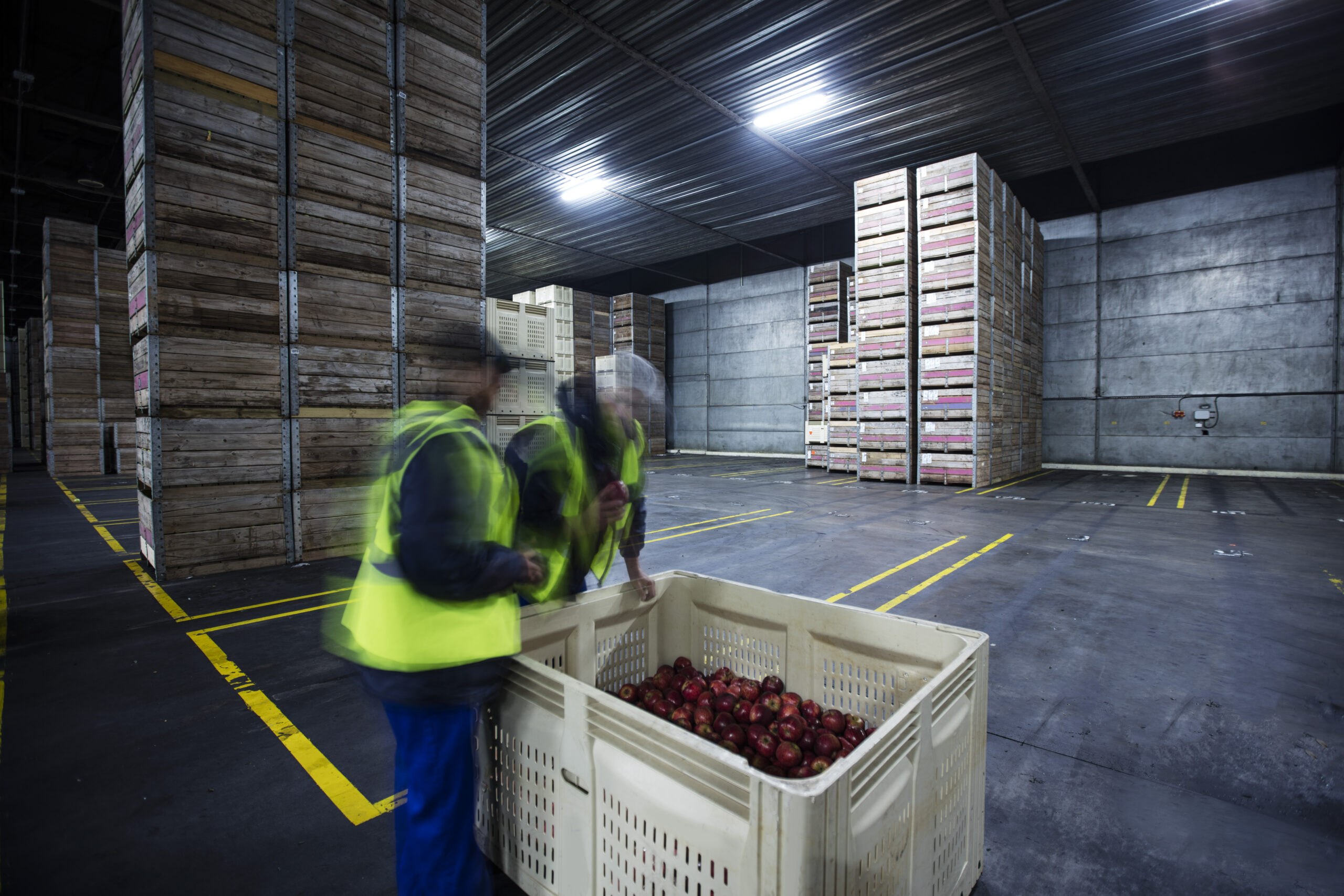
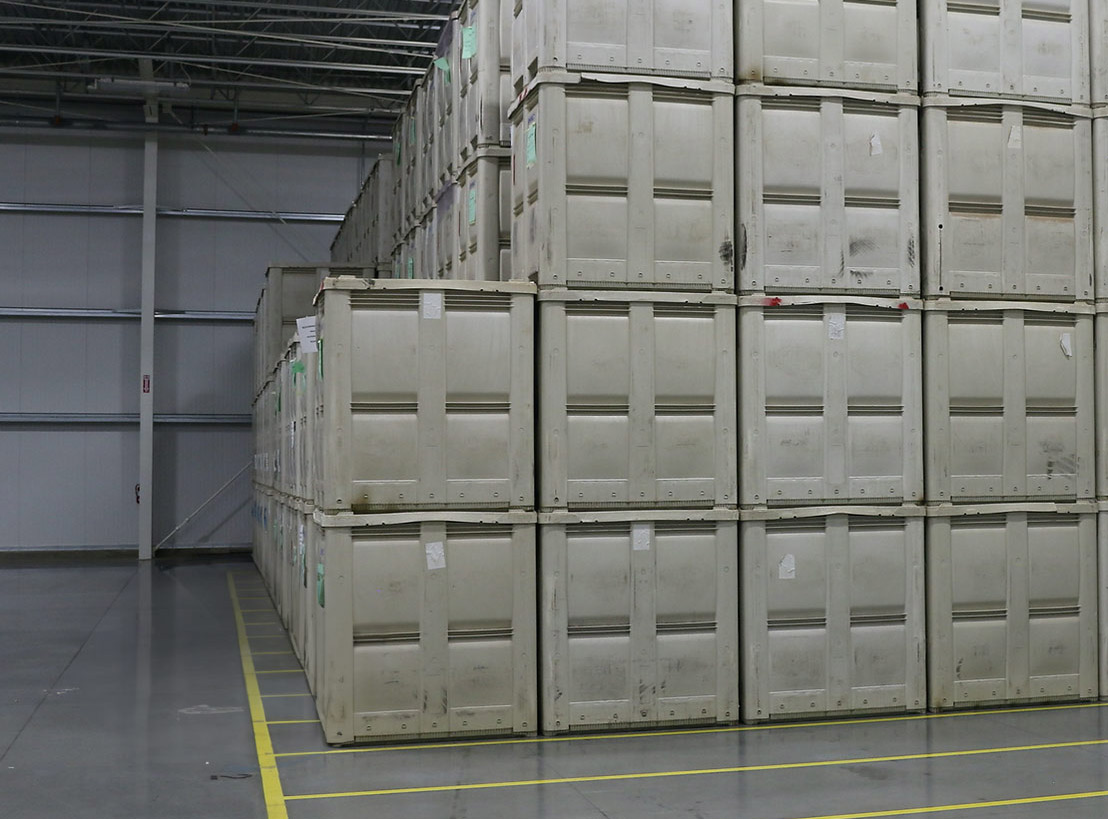
Central Valley Cold Storage accepts almonds, pistachios, walnuts, macadamias, pecans, and some fruit crops. The facility operates five refrigeration bays with independent temperature control, meaning different crop types and temperature requirements can be accommodated simultaneously.
Standard storage runs at 34°F for most tree nuts. Organic crops are held below freezing — a requirement that eliminates pest pressure without chemical intervention, maintaining organic certification eligibility throughout the storage period.
The facility’s off-grid power system — solar arrays, battery storage, and natural gas backup generators — means refrigeration continuity is not dependent on PG&E grid stability. For Madera County growers who lived through the PG&E public safety power shutoffs in 2019 and 2020, that’s not a minor point. Temperature deviation events are the single largest risk to stored commodity value, and Central Valley Cold Storage’s infrastructure is designed to prevent them.
FSMA 204 and Regulatory Compliance
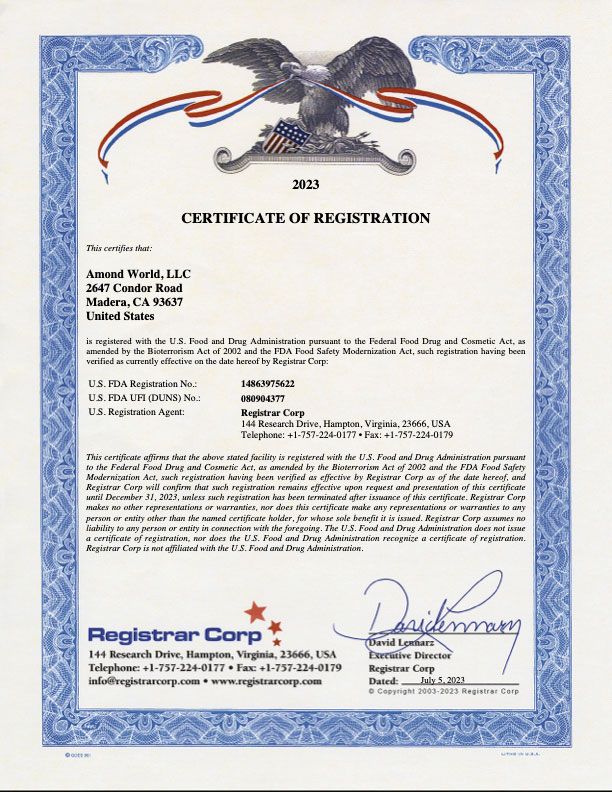
The Food Safety Modernization Act’s Section 204 traceability requirements went into full effect in 2026, requiring enhanced lot-level recordkeeping for tree nuts from farm through storage to first point of sale. Central Valley Cold Storage is FSMA 204 compliant, with digital traceability systems that document lot origin, intake date, storage conditions, and outbound shipping — the documentation chain that increasingly sophisticated buyers and export markets require.
For Madera County growers selling into food manufacturing, retail distribution, or international channels, FSMA 204 compliance at your storage facility is no longer optional — it’s a prerequisite for maintaining buyer relationships.
Title Transfer In-Situ for Commodity Traders
Commodity traders buying California tree nuts for international delivery sometimes need to transfer product ownership without physically moving the inventory — a transaction structure called title transfer in-situ. Central Valley Cold Storage supports this arrangement, allowing ownership of stored product to change hands while the nuts remain in temperature-controlled storage in Madera. This capability is particularly valuable for traders managing EU or Asian contracts where delivery timing is decoupled from ownership transfer.
Getting Started: Inquire About Available Capacity
Cold storage capacity in the San Joaquin Valley is constrained — particularly for agricultural commodity storage that isn’t tied to CPG or retail distribution contracts. If you’re a Madera County grower or processor evaluating your post-harvest storage options before the next harvest season, contact Central Valley Cold Storage now to inquire about available capacity, discuss your crop volume and timing requirements, and schedule a facility tour.
Visit centralvalleycoldstorage.com or contact the facility directly to get started.
Frequently Asked Questions
Where exactly is Central Valley Cold Storage located near Madera?
The facility is located at the Madera Airport Industrial Park in Madera, CA — a major logistics hub north of the city center, with direct access to Highway 99 and Highway 41. It’s within 5–10 minutes of Madera Ranchos and Fairmead, and approximately 35 minutes from Chowchilla via Hwy 99.
What types of nuts does Central Valley Cold Storage accept?
The facility accepts almonds, pistachios, walnuts, macadamias, and pecans. Some fruit crops are also accommodated. Contact the facility to confirm availability for your specific crop and volume.
Does cold storage eliminate the need for fumigation?
Yes. At 34°F, pest activity is suppressed without chemical treatment. Organic crops stored below freezing eliminate pest risk entirely. This means no fumigation costs and no fumigation-related restrictions on organic certification or export market eligibility.
How long can almonds and pistachios be stored in cold storage?
Central Valley Cold Storage’s refrigerated environment preserves almond and pistachio quality for up to two years. This is significantly longer than dry storage, which typically degrades quality within 6–12 months under Central Valley ambient temperatures.
Is the facility FSMA 204 compliant?
Yes. Central Valley Cold Storage maintains digital traceability documentation that meets FSMA Section 204 requirements for tree nut storage, including lot-level intake records, storage condition logs, and outbound shipping documentation.
What is the facility’s power setup — what happens during a PG&E outage?
The facility runs off-grid: solar arrays provide primary power, battery storage covers overnight and cloudy periods, and natural gas generators provide additional backup. Grid outages — including PG&E public safety shutoffs — do not affect refrigeration continuity.
Can I transfer ownership of my stored nuts without moving them?
Yes. Central Valley Cold Storage supports title transfer in-situ — the transfer of product ownership while the nuts remain in storage. This is used by commodity traders managing international contracts where ownership transfer occurs before physical delivery.