Quick Answer: What Is Cold Logistics?
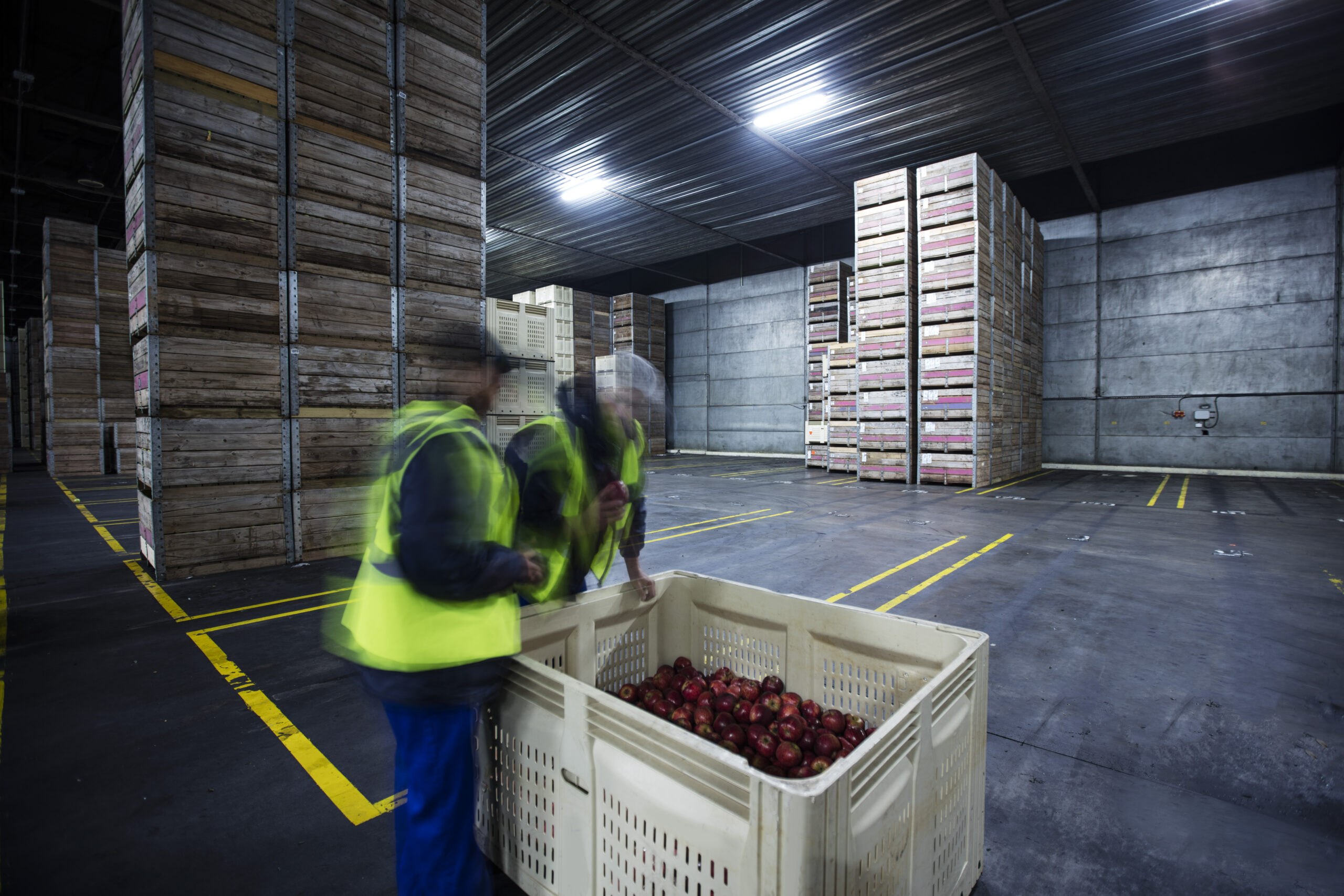
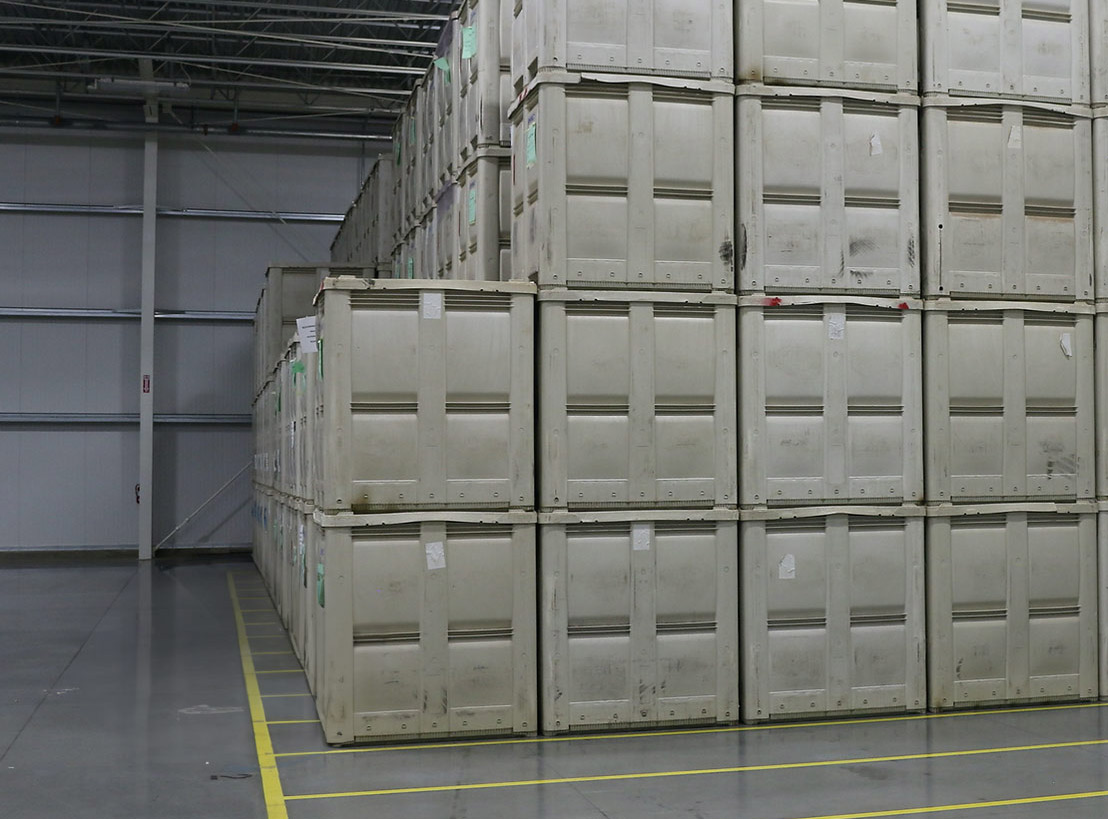
Cold logistics combines refrigerated storage, controlled handling, and inventory visibility so products stay within spec from harvest to buyer. In California’s Central Valley — one of the world’s largest produce-growing regions — cold logistics is the difference between a full-price sale and a loss.
Where Logistics Fails (and How to Reduce Risk)
The biggest cold chain risks are temperature excursions and poor traceability. Excursions happen at handoffs: from field to truck, truck to cold storage, cold storage to distribution. Traceability failures create compliance exposure under FSMA 204. Choosing a cold storage partner with defined programs, monitoring, and real-time reporting reduces both risks.
How CVCS Supports Inbound and Outbound Scheduling
CVCS provides a customer portal to schedule deliveries, manage inventory status, and track inbound and outbound movements. This portal serves as the operational hub for customers managing multiple lots or selling into multiple channels simultaneously. See the CVCS overview.
Transfer of Ownership: Reducing Friction
CVCS offers transfer-of-ownership support — managing inventory transfer and shipping logistics so buyers and sellers can transact without losing track of product. This is especially useful for commodity trades and international export transactions where title transfer at the warehouse is standard.
Inventory Reporting as the Source of Truth
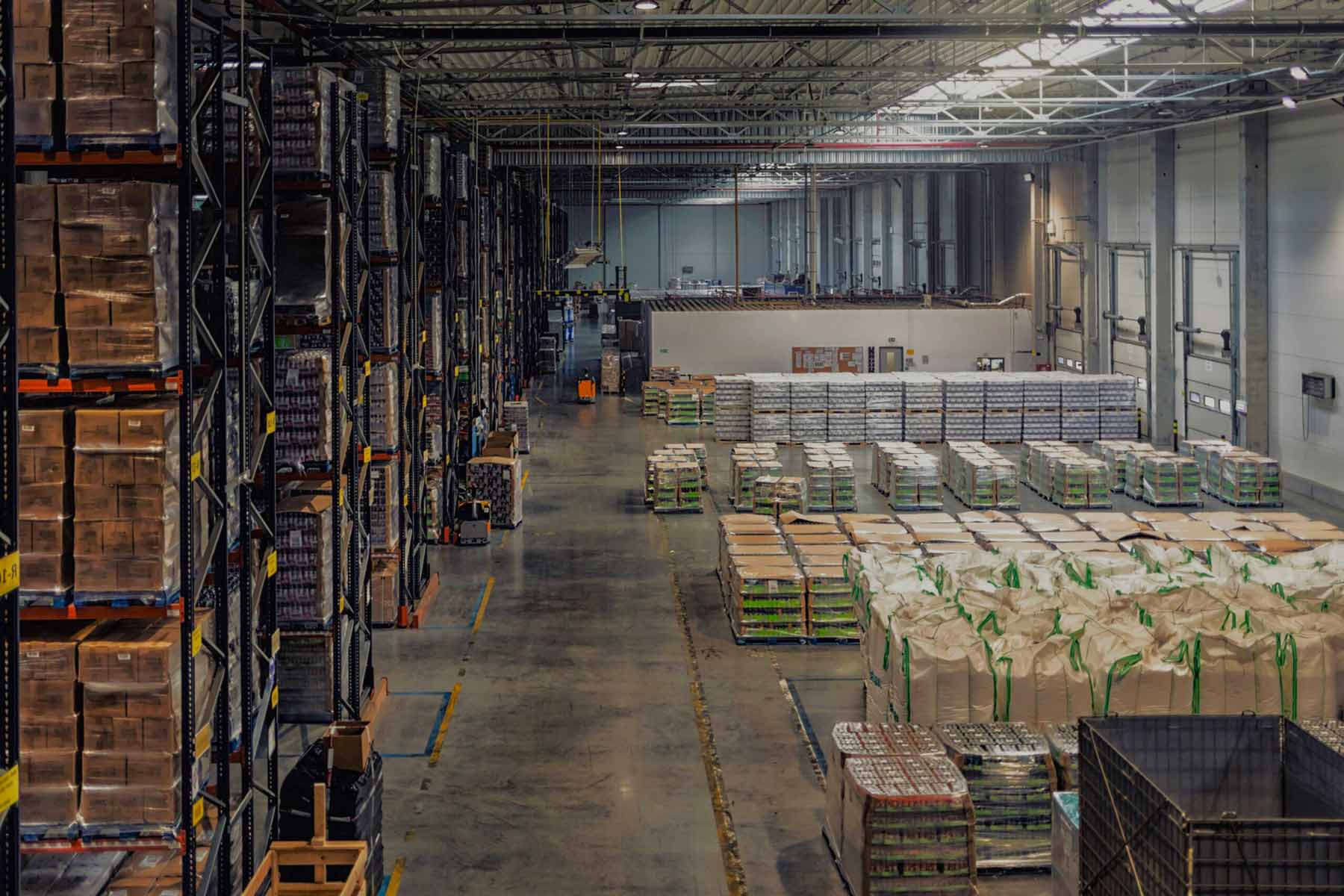
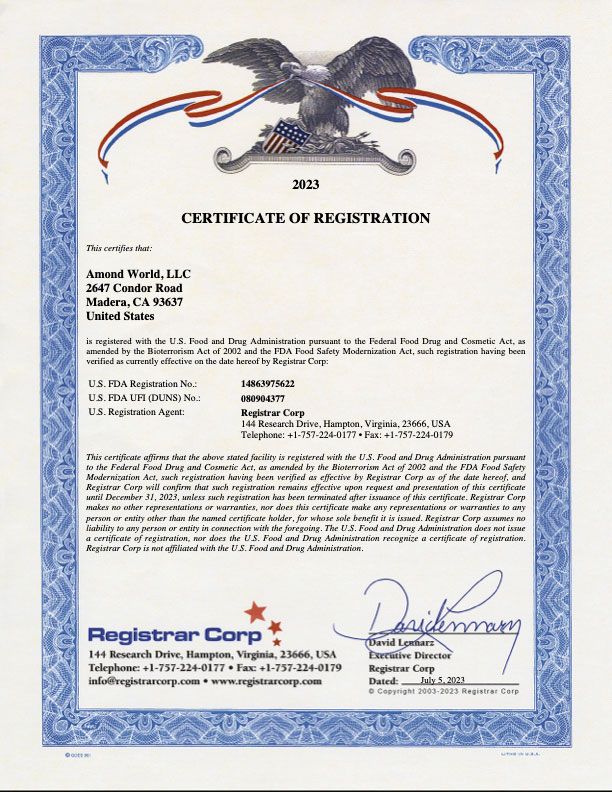
A single inventory system reduces disputes and supports compliance. CVCS’s automated record-keeping tracks every movement with timestamps and quantity records, supporting both buyer audits and FSMA documentation requirements.
Facility Reliability and Uptime
Reliable power and monitoring reduces temperature-control risk. CVCS uses a 1,200 kW off-grid solar array with large-scale battery storage, plus temperature-fluctuation alarms and video surveillance, to minimize downtime risk during critical storage periods. Explore storage programs.
Frequently Asked Questions
Q: What is cold chain logistics?
Refrigerated storage + controlled handling + inventory visibility from harvest to buyer.
Q: What is transfer of ownership in warehousing?
The warehouse manages product handoff between seller and buyer with documentation.
Q: How does FSMA 204 affect cold storage?
Traceability records are required for certain produce. Automated tracking helps meet this requirement.
Q: How do I reduce temperature excursion risk?
Use a facility with defined programs, alarms, and off-grid backup power.
Q: How do I get a quote?
centralvalleycoldstorage.com/contact-us/