In the global supply chain, California’s Central Valley is not merely a region; it is a critical infrastructure node for the world’s food security. Producing over 25% of the United States’ food supply, including 99% of the nation’s almonds, walnuts, and table grapes, the San Joaquin Valley represents the highest concentration of high-value agricultural output on the planet. However, the paradox of this bounty lies in its fragility. The moment a crop is severed from its root or vine, a biological clock begins a relentless countdown. For enterprise logistics leaders and post-harvest physiologists, managing this countdown is the difference between premium market delivery and catastrophic spoilage.
As a logistics technology specialist with a background in post-harvest physiology, I have observed a fundamental shift in how “freshness” is engineered. We are moving away from the era of passive refrigeration toward an era of active thermal management and energy autonomy. In this landscape, California cold storage is no longer just about four walls and a cooling unit; it is about strategic proximity, grid independence, and data-driven compliance. This guide examines the shifting paradigms of cold chain logistics in the Central Valley, centered on the strategic nexus of Madera.
The Geography of Freshness
The geography of the Central Valley dictates the economics of the cold chain. Traditionally, logistics models favored “port-proximate” storage—warehousing located near the Port of Oakland or the Port of Long Beach. While this model simplifies the final export leg, it ignores the biological reality of the “first-mile.”
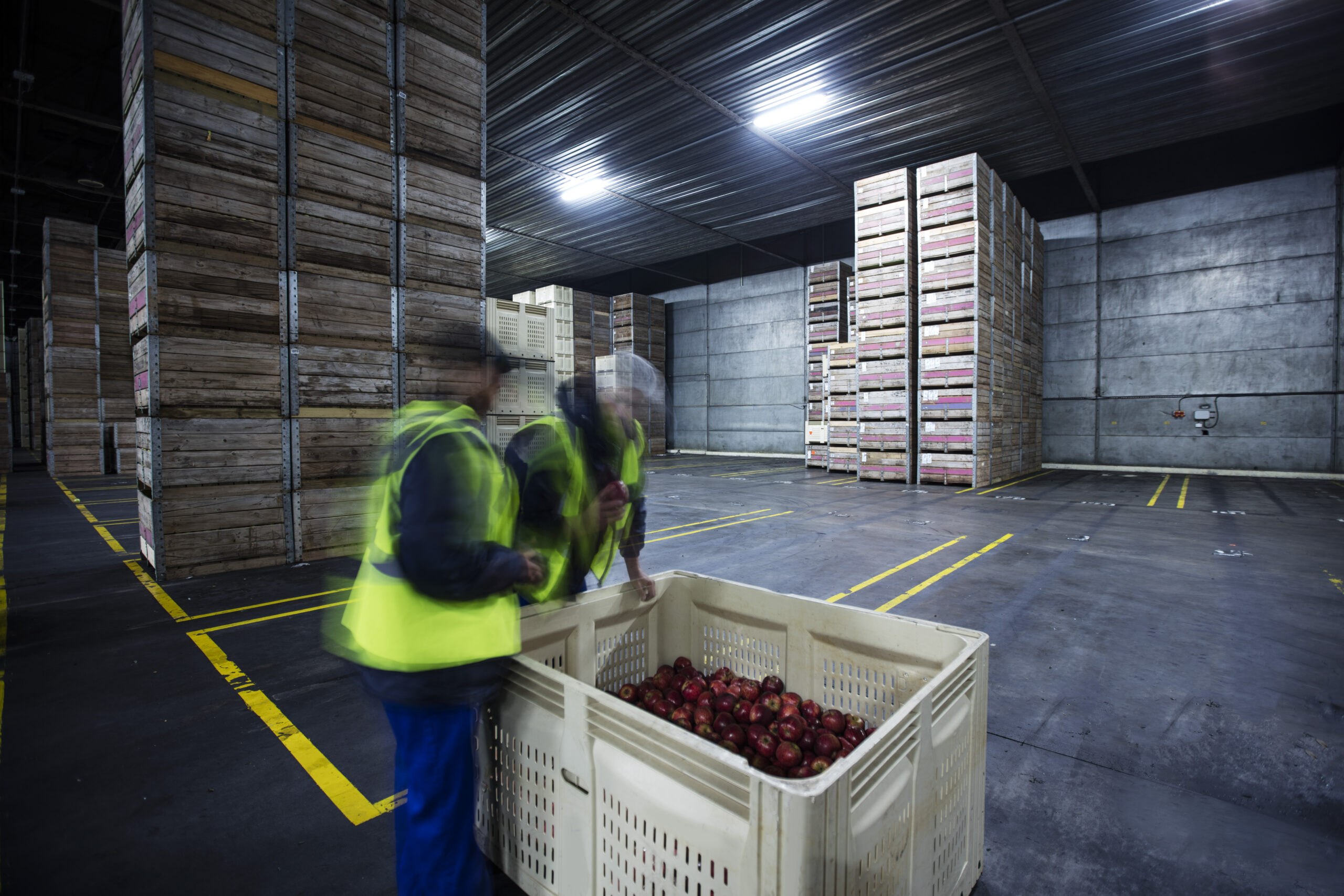
In post-harvest physiology, we focus on the respiration rate of the commodity. When a fruit or vegetable is harvested, it continues to “breathe,” consuming stored sugars and releasing heat. High ambient temperatures in the San Joaquin Valley, which frequently exceed 100°F during harvest peaks, accelerate this respiration. For every hour a product remains at field temperature, it can lose a day or more of potential shelf life. This is why “First-Mile Cold Storage” has become the new industry standard for enterprise-level quality control.
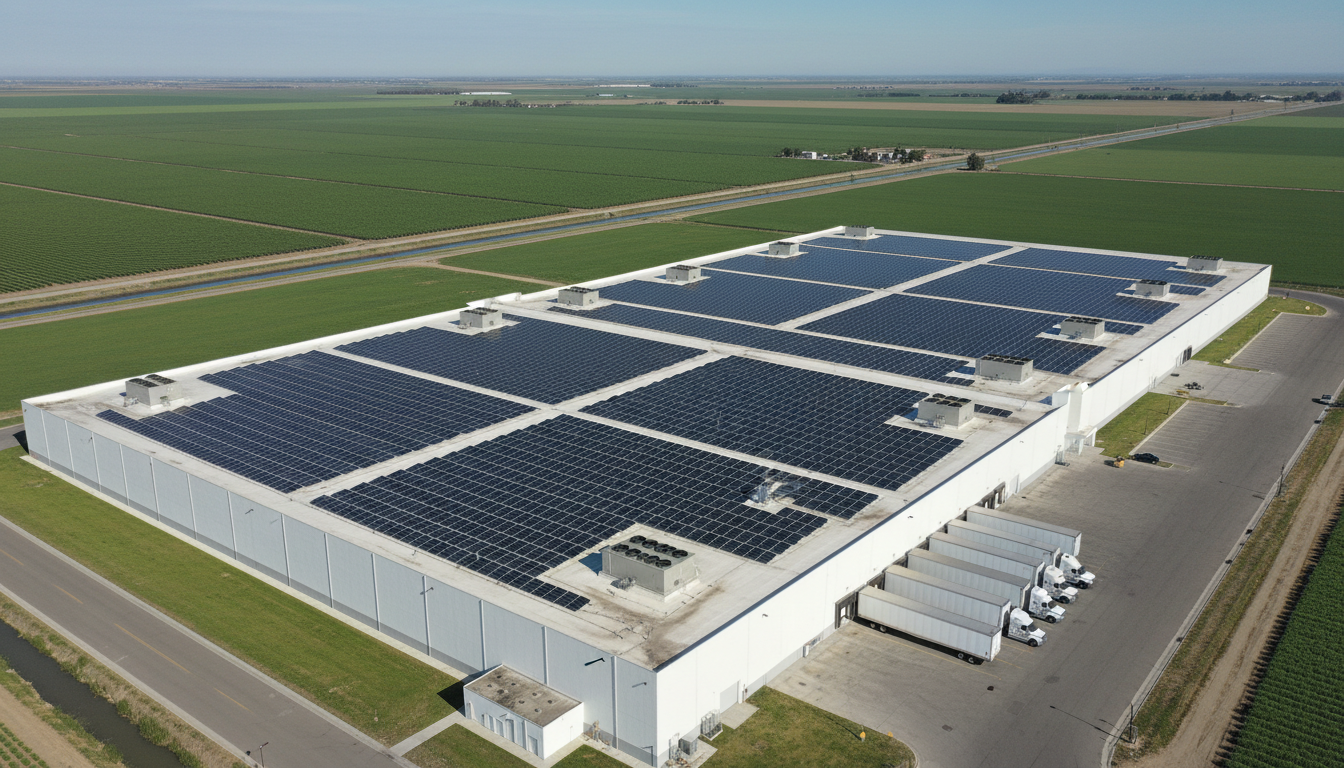
Strategically located in Madera, facilities like Central Valley Cold Storage (CVCS) represent the optimal geographic solution. By placing the 254,000 square foot facility within a 25-mile radius of the primary harvest zones for nuts, citrus, and stone fruits, the “field-to-fridge” window is compressed. This proximity allows for the immediate arrest of respiration, preserving the cellular integrity and sensory characteristics that global buyers demand.
The Thermal Debt of Long-Haul Drayage
To understand the necessity of localized storage, one must understand “Thermal Debt.” This is the cumulative heat stress a product undergoes during transport before it reaches a stabilized temperature. When a processor relies on coastal or port hubs for their primary storage, the product must endure a 150-to-200-mile transit across the Altamont Pass or through the Grapevine in a refrigerated trailer (reefer).
While reefers are designed to maintain temperature, they are notoriously inefficient at “pulling down” heat from field-fresh loads. A trailer packed with 40,000 pounds of almonds or grapes straight from the sun acts as a massive thermal battery. If that product travels for four hours in the Valley heat before reaching its first storage point, it incurs a thermal debt that can never be repaid. The result is premature softening, increased susceptibility to pathogens, and a diminished price point at the destination. By utilizing California cold storage solutions in the heart of the Valley, exporters eliminate this debt entirely, ensuring the product enters the cold chain at its physiological peak.
Energy Autonomy as a Logistics Requirement
The most significant threat to the California cold chain is no longer market volatility, but grid instability. Over the last two years, grid outages in California have increased by 40%, driven by aging infrastructure and the increasing frequency of Public Safety Power Shutoffs (PSPS). For a facility storing millions of dollars of temperature-sensitive inventory, a power outage is not just an inconvenience; it is a high-stakes liability.
This is where the intersection of logistics and sustainable infrastructure becomes critical. Traditional cold storage facilities are at the mercy of the public grid and PG&E’s volatile rate structures. In contrast, the modern standard is defined by energy autonomy. Central Valley Cold Storage has pioneered this movement as the largest off-grid solar-powered cold storage facility in the United States.
Operating a 254,000 sq ft facility via an independent microgrid—leveraging massive solar arrays and industrial-scale battery storage—removes the “grid risk” from the logistics equation. This provides three distinct advantages for enterprise partners:
- Reliability: 100% uptime during PSPS events or heat-wave-induced brownouts.
- Cost Stability: Protection from the rising levelized cost of energy that plagues grid-dependent competitors.
- ESG Compliance: Direct reduction in Scope 2 emissions, allowing global exporters to meet stringent sustainability mandates from European and Asian retail partners.
When evaluating California cold storage options, the question is no longer “What is your pallet rate?” but “What is your energy backup strategy?” A facility that cannot guarantee power cannot guarantee food safety.
FSMA 204: The New Table Stakes
The regulatory landscape is undergoing its most significant transformation in decades. The FDA’s Food Safety Modernization Act (FSMA) Section 204 has established new requirements for “Additional Traceability Records” for certain foods. This is no longer a suggestion; it is a mandate for digital transparency throughout the supply chain.
In the Central Valley, where products are often co-mingled or moved through multiple stages of processing, the burden of data compliance is immense. Advanced logistics facilities are now functioning as data centers that happen to be cold. This involves the use of “Digital Twins” for every pallet—tracking not just the location, but the precise thermal history and carbon footprint of the journey. For an enterprise shipper, the ability to provide a clean, automated FSMA 204 report is the difference between a seamless export and a costly port rejection.
Integration with sophisticated Warehouse Management Systems (WMS) allows for real-time visibility. Stakeholders can monitor their inventory in Madera from an office in Tokyo or London, confident that the cold chain remains unbroken and the data remains compliant. This level of transparency is what separates modern infrastructure from the legacy warehouses of the 20th century.
Comparative Analysis: Madera vs. Coastal Hubs
To visualize the strategic advantage of centralizing storage within the San Joaquin Valley, consider the following data table comparing the Madera nexus (CVCS) to traditional coastal or port-side hubs.
| Feature | Madera (CVCS) | Coastal/Port Hubs |
|---|---|---|
| Power Source | Off-Grid Solar/Battery | Public Grid |
| Distance to Harvest | < 25 miles | > 150 miles |
| Energy Reliability | 100% (Microgrid) | Subject to PSPS Outages |
| Drayage Costs | Low (First-Mile) | High (Long-Haul) |
The data demonstrates that the historic “port-first” mentality is economically and biologically flawed for the modern producer. By optimizing for the first mile, shippers reduce both their financial drayage costs and their biological thermal debt.
Strategic Nexus: The Role of Highway 99
Madera sits at the intersection of logistical necessity and geographic convenience. Bordered by Highway 99, it serves as the arterial connector for the entire valley. Whether the destination is the Port of Oakland for international export or a distribution center in Southern California for domestic retail, Madera provides a centralized launchpad.
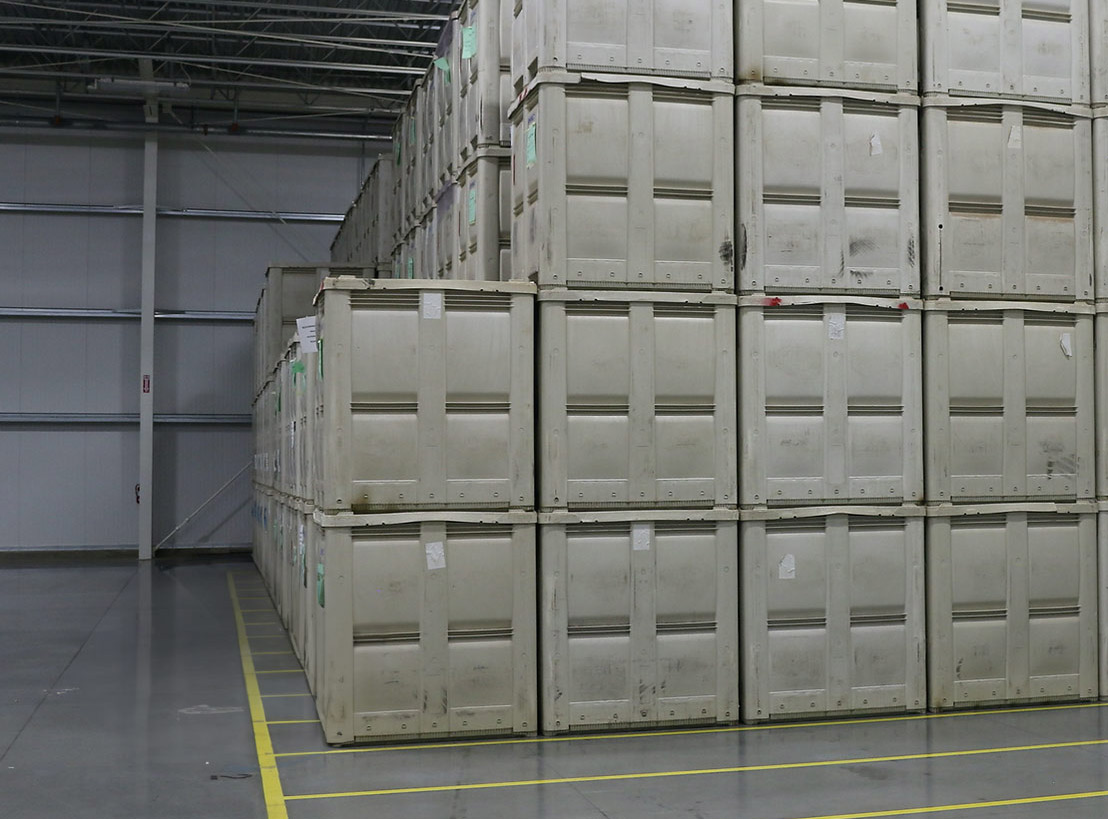
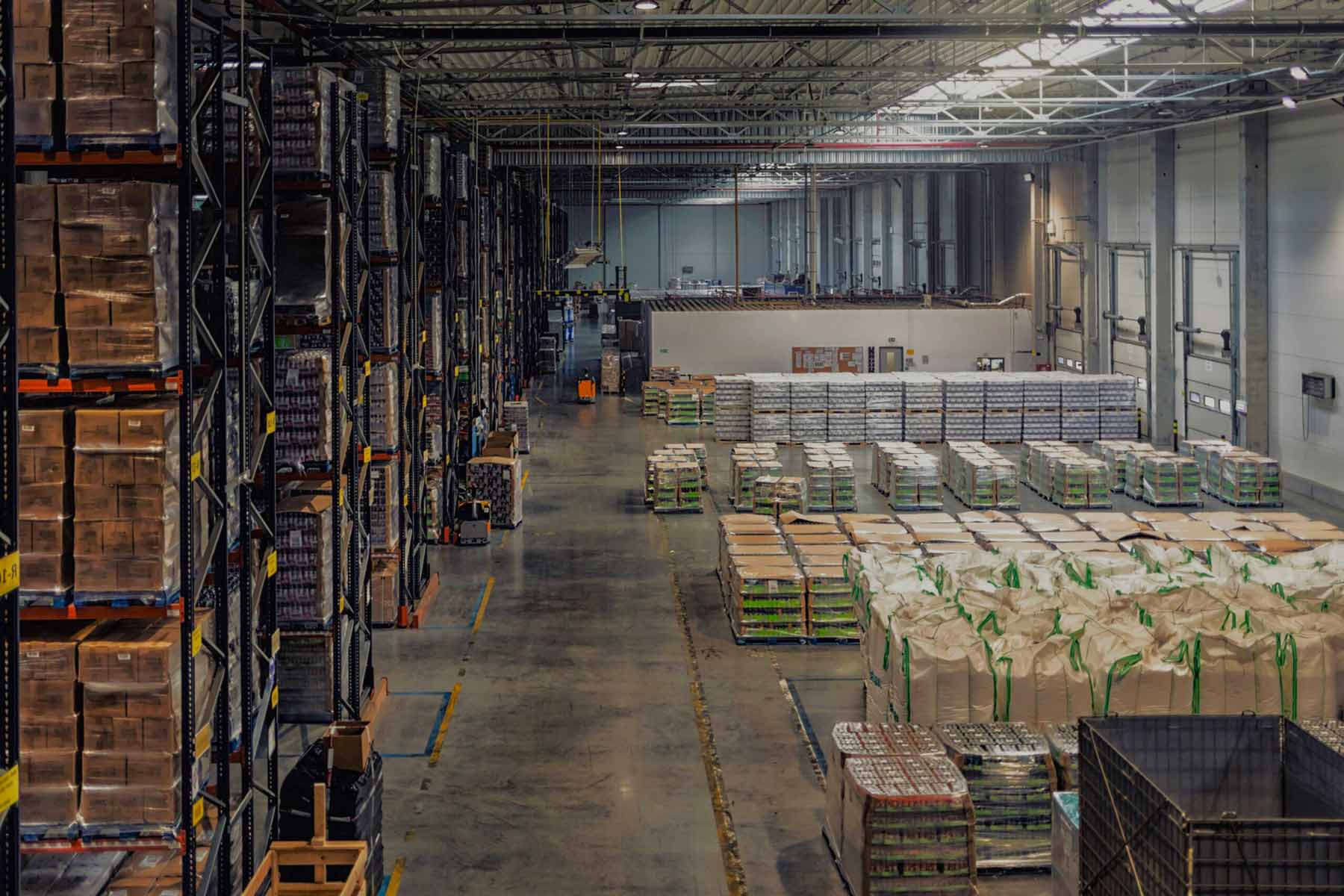
Furthermore, the availability of land and specialized infrastructure in Madera allows for facilities of a scale that are impossible to build in land-constrained coastal areas. A 254,000 sq ft footprint allows for the implementation of advanced racking systems and blast-freezing capabilities that smaller, older facilities simply cannot accommodate. This scale, combined with the facility’s energy-independent design, creates a “fortress logistics” environment that protects the value of California’s most precious exports.
Conclusion: The Future of California Cold Storage
The evolution of California cold storage is being driven by three inescapable forces: the biological requirements of the crop, the instability of the energy grid, and the increasing demands of global regulatory bodies. For the enterprise logistics manager, the path forward is clear. Success requires moving closer to the source, disconnecting from the volatility of the public grid, and embracing the digital-first requirements of FSMA 204.
In the San Joaquin Valley, the standard for this future has already been set. By prioritizing first-mile stability and energy autonomy, Madera has positioned itself as the most critical link in the global food supply chain. As we look toward the next decade of agricultural exports, the question is not whether the industry will adopt these standards, but how quickly they can adapt to the new reality of the Valley’s “off-grid” infrastructure.
Frequently Asked Questions
Q: Why is first-mile storage critical in the Central Valley?
A: It arrests respiration immediately, preserving cellular integrity and extending shelf life by days or weeks. In the high heat of the San Joaquin Valley, every hour of delay in cooling translates to a direct loss in product quality and market value.
Q: How does off-grid power benefit the customer?
A: It provides a total hedge against PG&E volatility and PSPS outages. Customers can be certain their product will never experience a temperature excursion due to grid failure, while also benefiting from the stable pricing associated with solar-generated energy.
Ready to Optimize Your Cold Chain?
Gain a competitive edge with the most resilient logistics infrastructure in the San Joaquin Valley.