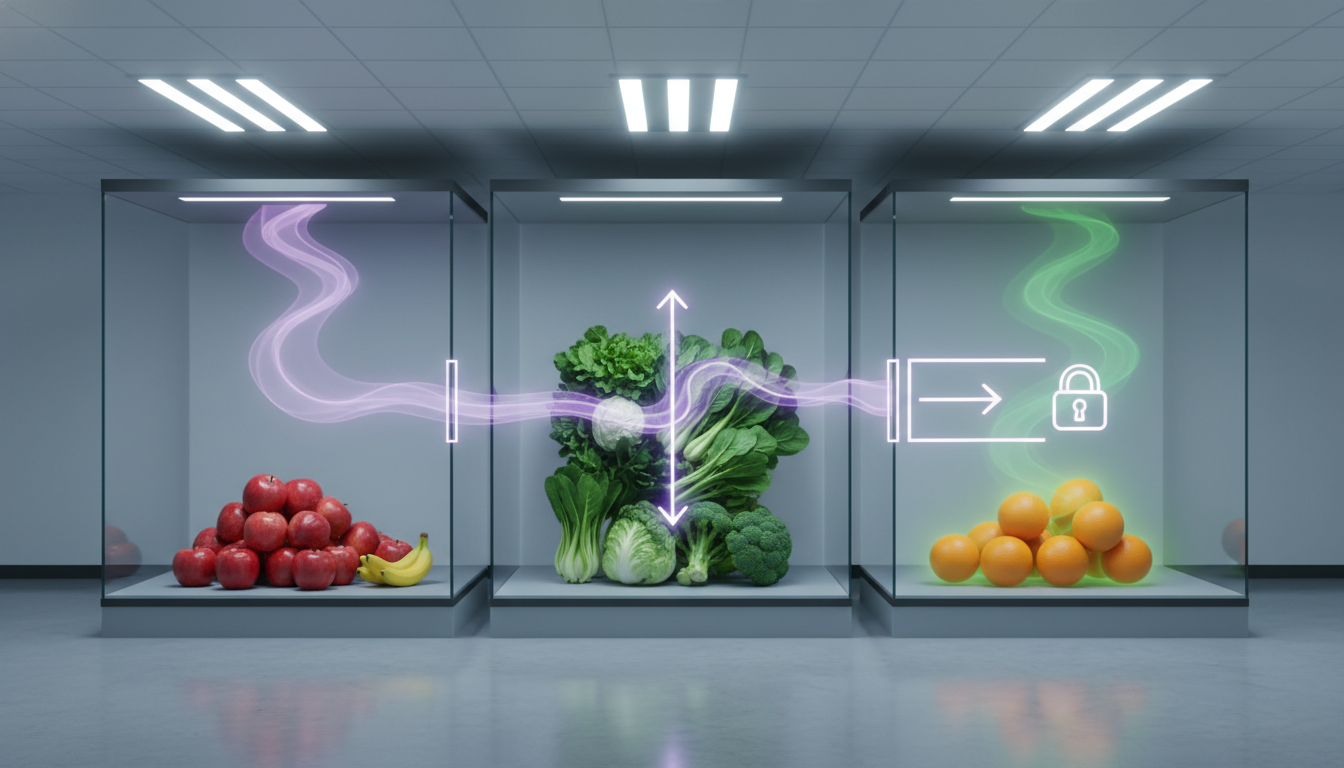
Effective Ethylene Management is the cornerstone of modern cold chain integrity. When storing high-value commodities such as almonds, table grapes, and stone fruits, the margin for error is razor-thin The Physics of Pre-Cooling: Why Madera Proximity A….. A failure to segregate ethylene-producing “climacteric” crops from ethylene-sensitive “non-climacteric” or dormant crops can result in catastrophic physiological disorders, ranging from premature softening and chlorophyll degradation to flavor taints and rachis desiccation. At CVCS, our approach to mitigating these risks involves a multi-tiered strategy of physical segregation, real-time monitoring, and advanced chemical filtration.
The Death Hormone: Why Ethylene Matters
From a physiological perspective, ethylene is unique because it is a gas that acts at extremely low concentrations. Research in post-harvest biology has consistently demonstrated that ethylene can trigger irreversible ripening and aging processes in sensitive crops at concentrations as low as 0.1 parts per million (ppm). To put this in perspective, this is the equivalent of a single drop of liquid diluted in a medium-sized swimming pool.
The biological pathway of ethylene biosynthesis, often referred to as the Yang Cycle, involves the conversion of methionine to S-adenosylmethionine (SAM), then to 1-aminocyclopropane-1-carboxylic acid (ACC), and finally to ethylene. In climacteric fruits—such as stone fruits (peaches, plums, nectarines) and apples—this process is autocatalytic. This means that the presence of external ethylene triggers the fruit to produce even more of its own ethylene, creating a runaway “ripening storm.”
For sensitive commodities, the consequences of exposure are diverse and detrimental:
- Table Grapes: While grapes are non-climacteric, they are highly sensitive to ethylene-induced “shatter” (berry drop). Ethylene stimulates the formation of the abscission zone where the berry attaches to the pedicel, leading to significant yield loss and reduced aesthetic appeal.
- Almonds and Tree Nuts: While largely dormant, nuts are highly susceptible to “flavor taint.” Ethylene, often accompanied by other VOCs from ripening fruit, can permeate the lipid-rich tissues of the nut, leading to off-flavors and a reduction in the premium quality required for export markets.
- Stone Fruit: While stone fruits produce ethylene, they are also hypersensitive to it. Excessive exposure leads to rapid mealiness, internal browning, and a total loss of structural integrity (over-ripening).
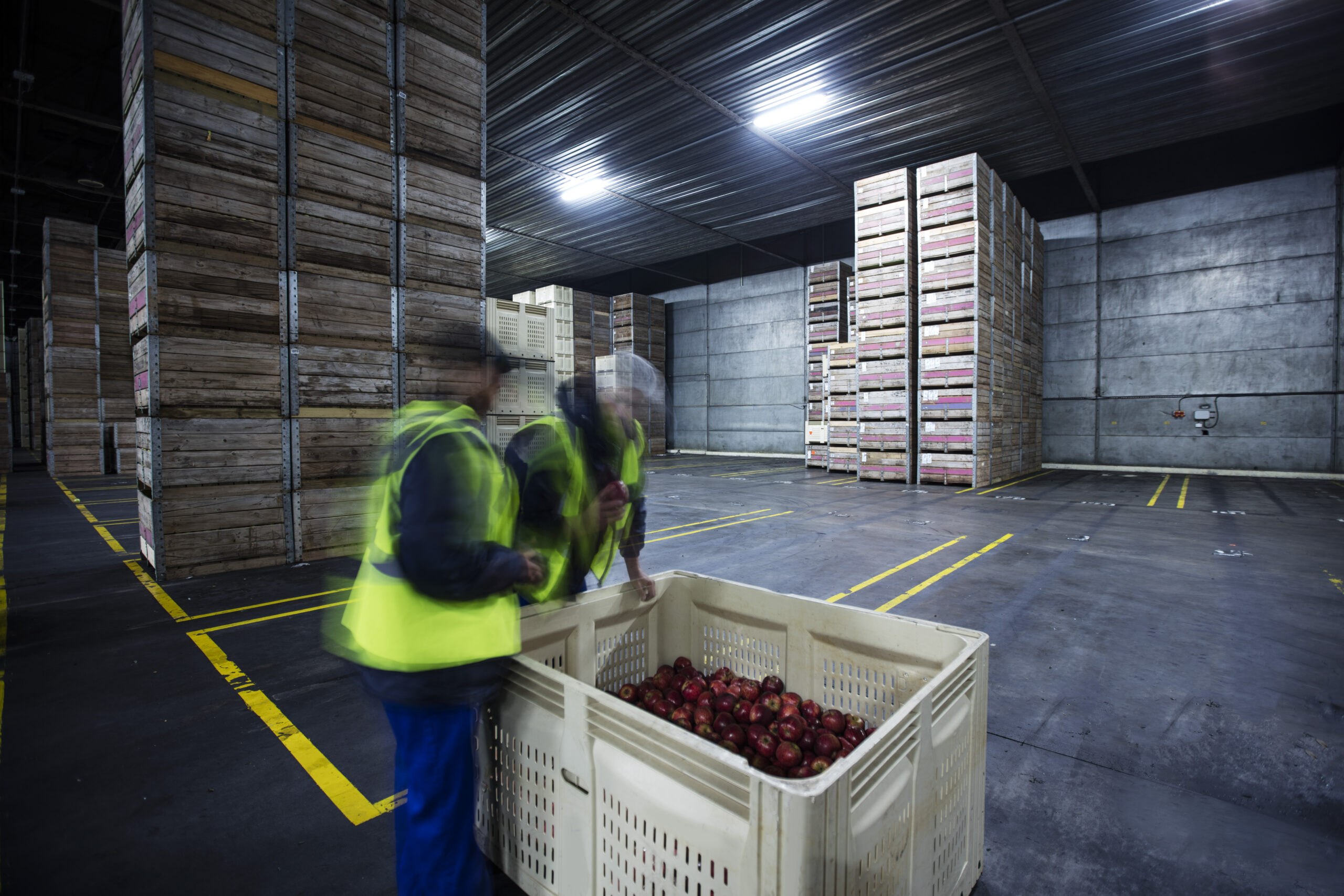
The old adage that “one bad apple spoils the bunch” is a scientific reality. A single damaged or over-ripe piece of fruit releases a concentrated burst of ethylene that signals surrounding produce to accelerate its respiratory rate, leading to a localized increase in heat and gas production that can quickly compromise an entire pallet or room.
Engineering Physical Segregation
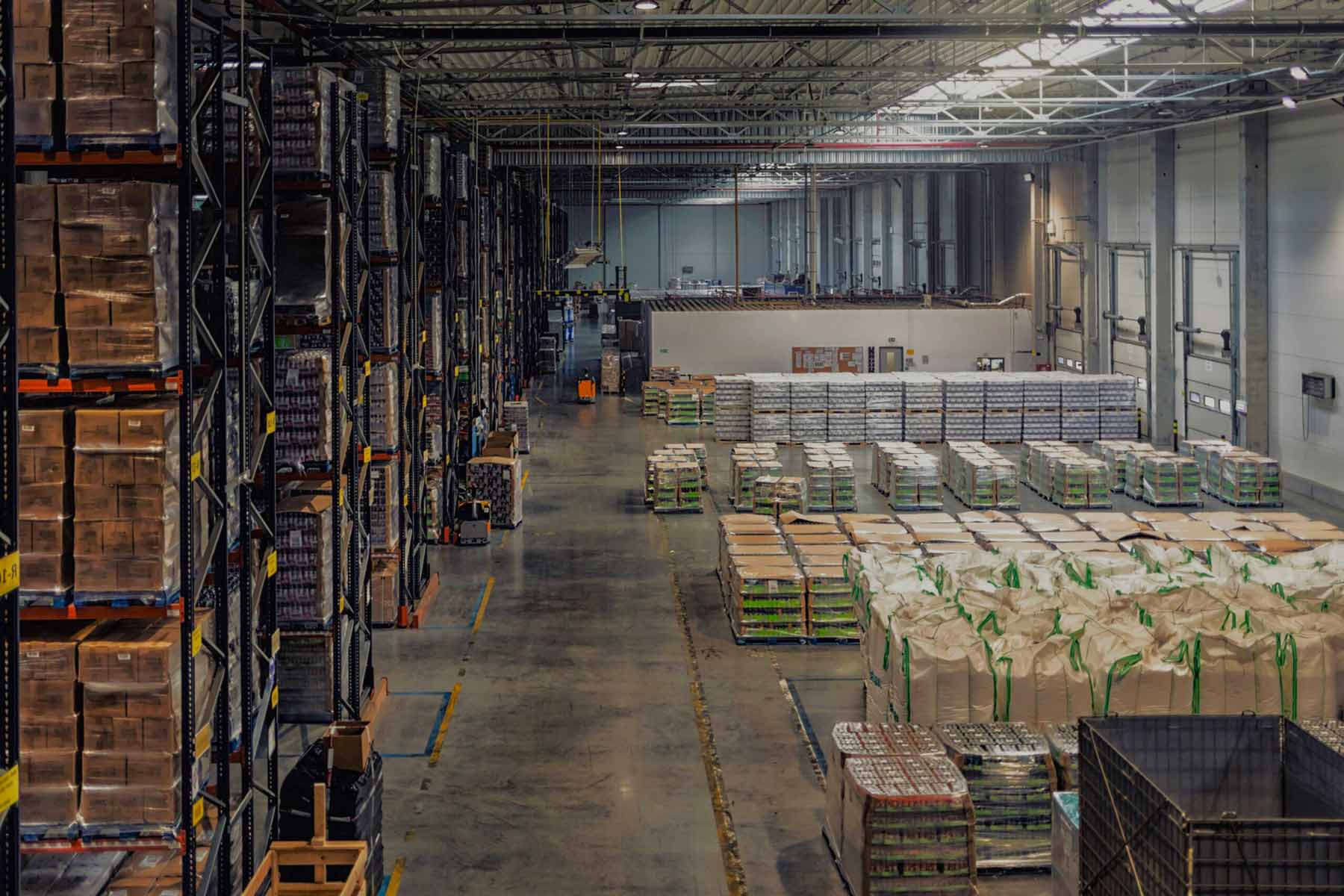
In a mixed-use cold storage environment, the greatest risk to product longevity is cross-contamination. Traditional storage facilities often rely on large, open-plan rooms where airflow is shared across different commodity types. This is a recipe for physiological disaster. To master Ethylene Management, engineering-level physical segregation is required.
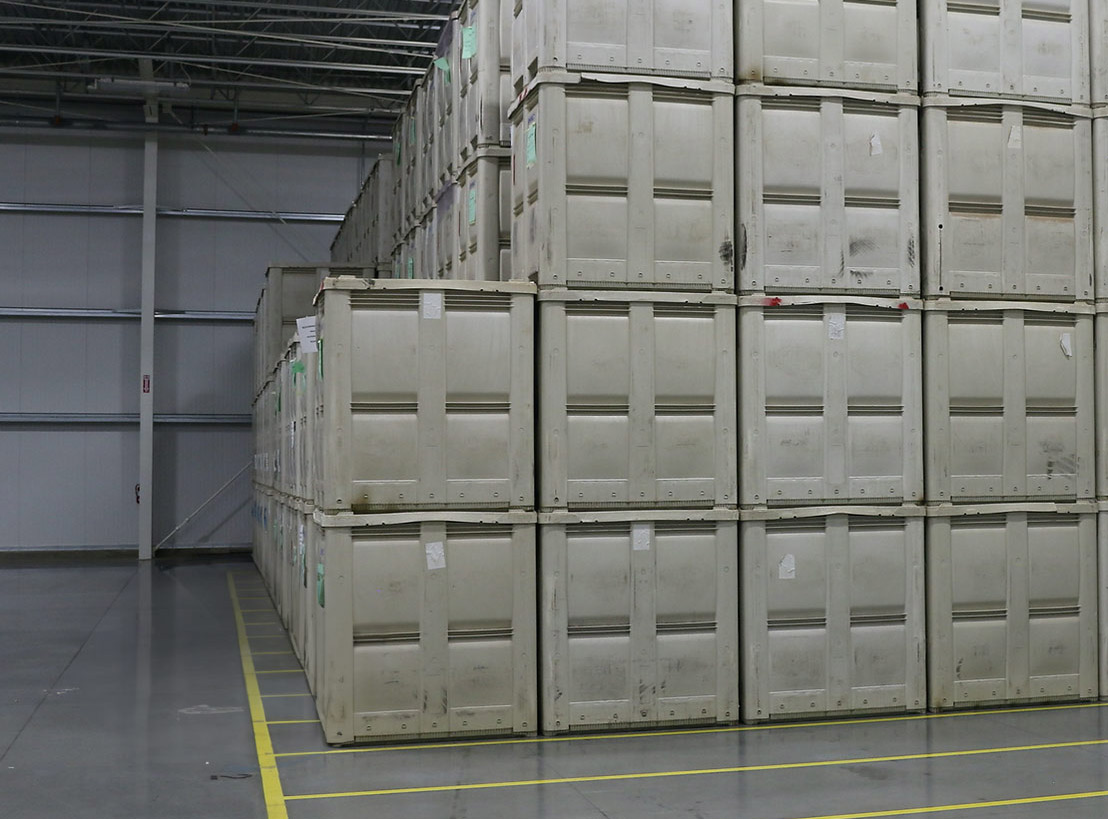
CVCS addresses this challenge through the implementation of five individually settable temperature and humidity bays. This architecture allows for the absolute isolation of atmospheric conditions between different product classes. By utilizing independent refrigeration and ventilation circuits for each bay, we eliminate the possibility of air exchange between a high-ethylene producer (like a shipment of ripening apples) and a sensitive recipient (like dormant almonds).
The Importance of Independent Atmospheric Control
Temperature management is the first line of defense against ethylene. As a general rule, for every 10°C increase in temperature, the rate of ethylene production and the sensitivity of the crop to the gas can double or triple. However, temperature control alone is insufficient in a mixed-commodity setting. Without physical barriers, the gaseous diffusion of ethylene occurs regardless of the thermostat setting.
Our five-bay system allows for:
- Vapor Pressure Deficit (VPD) Optimization: Tailoring the humidity to the specific needs of grapes (high RH) vs. nuts (low RH) while maintaining physical isolation.
- Positive Pressure Differentials: We can engineer airflow to ensure that air moves away from sensitive bays, further reducing the risk of accidental infiltration.
- Commodity-Specific Scrubbing: Each bay can be equipped with targeted filtration technology based on the specific VOC profile of the cargo.
| Commodity | Ethylene Producer | Ethylene Sensitive | Primary Risk Factor |
|---|---|---|---|
| Almonds | No | Yes (Flavor Taint) | Absorption of volatile off-flavors and lipid degradation. |
| Table Grapes | No | Yes (Shatter Risk) | Ethylene-induced abscission of berries from the rachis. |
| Stone Fruit | Yes | Yes (Over-ripening) | Autocatalytic ripening leading to rapid softening and internal browning. |
| Apples | High | No (to own gas) | High emission levels can compromise all surrounding sensitive crops. |
Monitoring VOCs in Real-Time
In the field of post-harvest physiology, you cannot manage what you do not measure. Traditional “wait and see” approaches—where ethylene issues are only identified once the fruit begins to smell or soften—are obsolete. Modern Ethylene Management requires real-time data to drive intervention strategies.
At CVCS, we monitor Volatile Organic Compounds (VOCs) and ethylene levels using high-sensitivity electrochemical sensors and gas chromatography-style analysis. These systems provide a continuous data stream, allowing our technicians to identify “spikes” in ethylene production. A spike usually indicates a biological change in the product, such as a pallet of stone fruit entering its climacteric peak, or mechanical stress within the cold chain. By catching these fluctuations at the 0.1 ppm to 0.5 ppm level, we can initiate “scrubbing” protocols before physiological damage occurs.
Ethylene Scrubbing Technology
When physical segregation is the “shield,” scrubbing is the “sword.” To maintain an ultra-low ethylene environment, we utilize advanced potassium permanganate ($KMnO_4$) filtration systems. Potassium permanganate is a powerful oxidizing agent that reacts with ethylene ($C_2H_4$) to break it down into water ($H_2O$) and carbon dioxide ($CO_2$).
The process, known as chemisorption, involves the ethylene molecules being adsorbed onto the surface of media pellets impregnated with $KMnO_4$. Once contact is made, the chemical reaction occurs, permanently removing the gas from the atmosphere. Unlike carbon filters, which can eventually saturate and “leak” gases back into the room, potassium permanganate media provides an irreversible solution to ethylene accumulation.
This technology is particularly vital during the “pull-down” phase when warm fruit is first introduced to the cold storage bay. During this period, respiration rates are at their highest, and ethylene production is most aggressive. High-capacity scrubbers ensure that this initial “gas burst” is neutralized before it can impact the base-level atmosphere of the facility.
The Symbiosis of Technology and Biology
Successful post-harvest management is the result of a deep understanding of plant physiology combined with rigorous engineering standards. The interaction between ethylene and the plant’s receptors (primarily the ETR1 receptor family) is a biological lock-and-key mechanism. If we can keep the “key” (ethylene) away from the “lock” (the receptor), we can effectively “pause” the aging process of the crop. This allows for longer storage windows, higher quality upon arrival at the retailer, and a significant reduction in food waste.
For shippers of high-value table grapes or almonds, this means the difference between a premium payout and a total loss. When grapes are exposed to even trace amounts of ethylene from a nearby apple or pear shipment, the rachis (the stem) can turn brown and the berries can drop—a condition known as “shatter.” Even if the fruit remains edible, its market value plummets. Our facility is designed specifically to prevent these avoidable economic losses through strict adherence to the principles of Ethylene Management: Preventing Cross-Contamination in Mixed Storage.
Frequently Asked Questions
Q: How do you remove ethylene?
A: We utilize a two-pronged approach: physical segregation in five individually controlled storage bays to prevent cross-contamination, and advanced potassium permanganate ($KMnO_4$) filtration systems that chemically oxidize and neutralize ethylene molecules in the air.
Q: Can’t you just vent the room to remove ethylene?
A: While venting (introducing outside air) can reduce ethylene concentrations, it is highly inefficient for cold storage. Venting introduces heat and humidity, forcing the refrigeration system to work harder and creating fluctuations in the “sweet spot” of the temperature curve. Chemical scrubbing and segregation allow us to maintain a stable, ultra-low ethylene environment without compromising thermal stability.
Q: Which crops are the most “dangerous” in a mixed warehouse?
A: Apples, pears, and ripening stone fruits are among the highest ethylene emitters. These should never be stored in the same airspace as “sensitive” crops like nursery stock, floral products, table grapes, or nuts. Even short-term exposure during cross-docking can trigger the senescence pathway.
In conclusion, the sophisticated management of ethylene is not a luxury—it is a physiological necessity. By leveraging segregated bay technology and high-precision chemical filtration, CVCS ensures that your high-value commodities remain in a state of “suspended animation,” preserving the freshness, flavor, and structural integrity that the market demands.